Fish Sauce Wings
The first time I smelled fish sauce hitting hot butter in my skillet, I thought I’d made a terrible mistake. That pungent, almost aggressive aroma filled my kitchen, and I stood there wondering if I’d just ruined a pound of beautiful chicken wings. Ten minutes later, I was licking my fingers and plotting my next batch. Those fish sauce wings transformed from kitchen experiment to outright obsession before the pan had even cooled.
My friend Linh still laughs about the night I brought these to her potluck. I’d been chasing the memory of wings I’d eaten at a tiny Vietnamese spot in Oakland, sticky, deeply savory, with that impossible balance of sweet and funky. Hers disappeared in minutes while my carefully crafted French onion chicken rice bake sat nearly untouched. That was the moment I knew I’d stumbled onto something worth perfecting.
What I love most is how these wings demand your full attention. They’re not a background snack for Netflix. They’re the main event, the conversation starter, the reason people ask for your number so you can text them the recipe later.
What You Need to Make This Recipe
The magic here lives in three ingredients that sound like they shouldn’t work together until they absolutely do. Fish sauce is the backbone, don’t cheap out here, because the good stuff carries depth that the bargain bottles simply can’t fake. I keep a bottle of Red Boat in my pantry and guard it like liquid gold. Brown sugar isn’t just for sweetness; it creates that lacquered, almost burnt-caramel shell that makes these wings so compulsively edible. Fresh garlic, minced fine rather than pressed, gives you little savory explosions rather than background murmur. Everything else supports these three. If you’re building your wing repertoire, my oven-baked Mississippi chicken uses a completely different flavor playbook worth exploring too.
How to Make Fish Sauce Wings
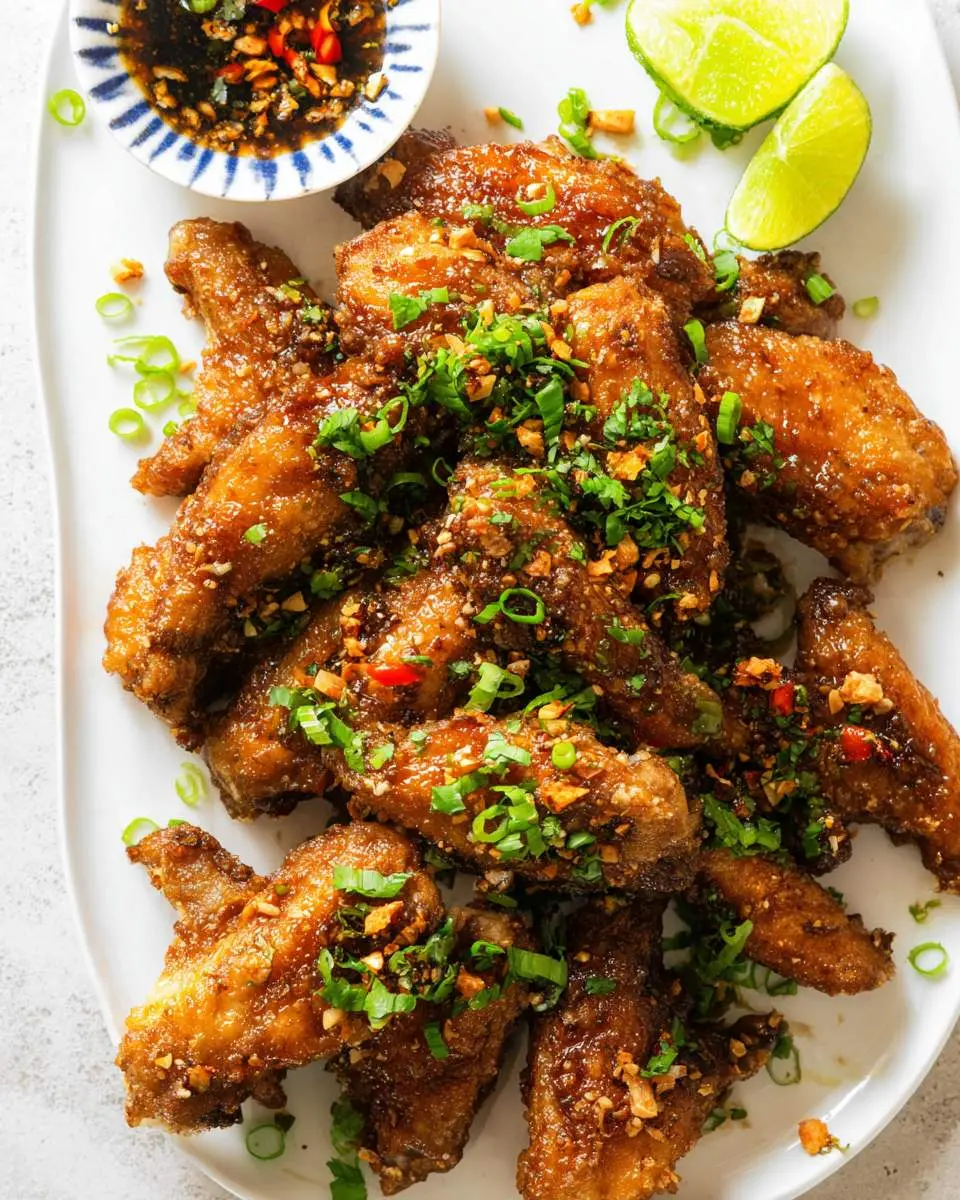
I start by patting the wings bone-dry with paper towels, this is non-negotiable, because moisture is the enemy of that shattering skin we want. The oven cranks to 425°F while I whisk the glaze in my favorite battered ceramic bowl, the one with the chip where I once dropped it reaching for wine. The fish sauce and sugar need real elbow grease to become friends; they’ll resist each other at first, then suddenly surrender into something glossy and dark.
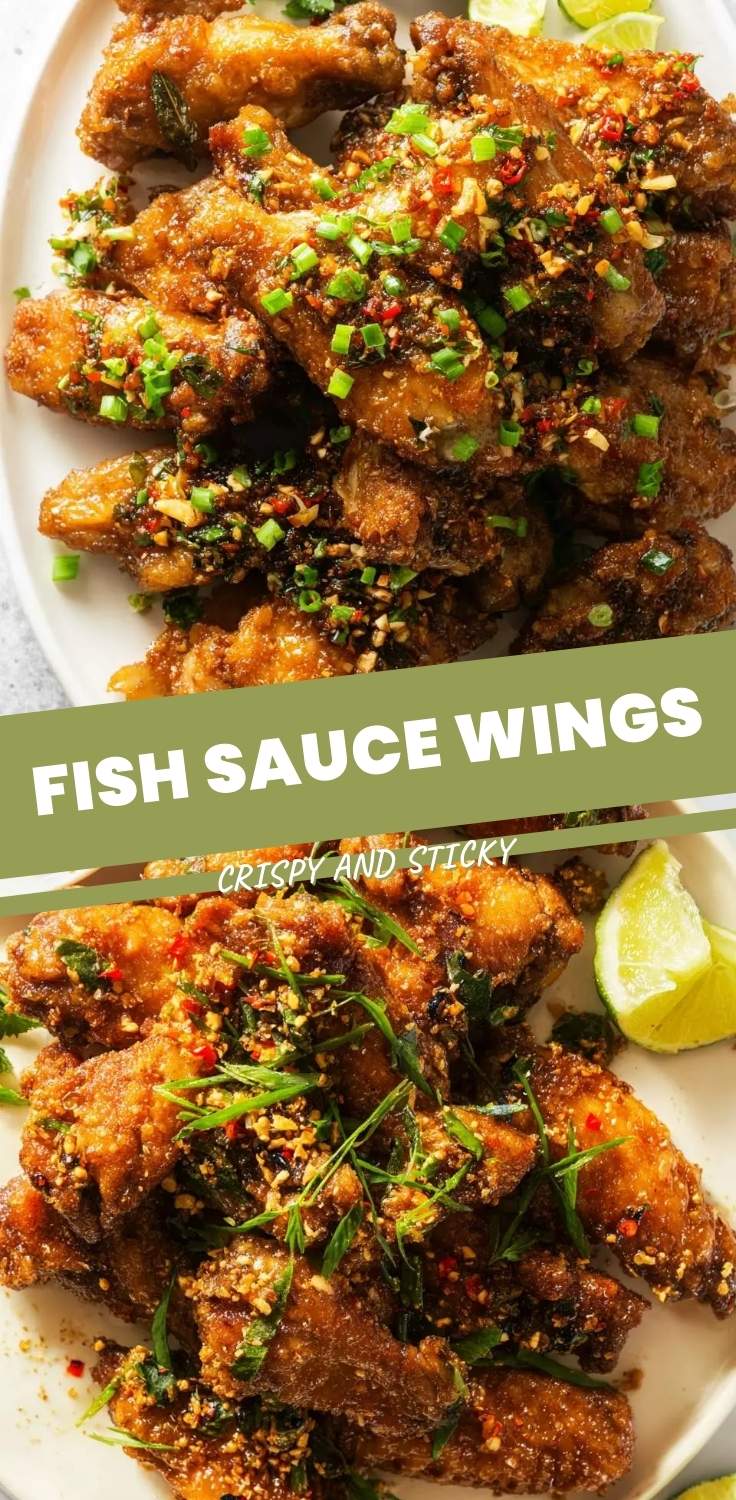
The wings roast on a wire rack set over a sheet pan, and I flip them exactly once when the kitchen starts smelling like toasted chicken fat. That’s my cue. The glaze goes on in the final ten minutes, and here’s where you must pay attention, the sugar caramelizes fast, shifting from beautiful to bitter in about ninety seconds. I pull them when they’re sticky-dark and slightly blistered, the edges carrying that near-black char that makes my heart race. For another wing obsession with completely different energy, my Korean chicken wings hit a totally different craving.
Pro Tips
Patience with the glaze reduction: I cook mine until it coats the back of a spoon and leaves a clean line when I drag my finger through. Too thin and it slides right off the wings; too thick and it burns before adhering. This sweet spot took me four batches to find.
Wire rack elevation matters: Without airflow underneath, the wings steam in their own rendered fat. The rack lets heat circulate, giving you crackling skin on all sides instead of a soggy bottom that ruins the whole experience.
Rest before glazing: I let the roasted wings sit for three minutes after their initial cook. Hot wings straight from the oven can cause the glaze to slide off from residual steam escaping. That brief rest lets the surface settle into something tacky and receptive.
My Secret Trick: I save a tablespoon of the uncooked glaze and brush it on the wings right before serving, after they’ve rested for five minutes post-glaze. That fresh hit of raw fish sauce intensity against the caramelized coating creates a flavor contrast that makes people stop mid-conversation and stare at their fingers.
How to Store Fish Sauce Wings
- Refrigerate in an airtight glass container for up to 3 days, plastic holds the fish sauce aroma forever
- Store at 40°F or below, keeping wings in a single layer if possible to preserve the glaze coating
- Freeze only unglazed wings for up to 2 months; wrap individually in parchment, then foil, before bagging
- Reheat refrigerated wings at 400°F on a wire rack for 8-10 minutes until the skin re-crackles
- Never microwave, the glaze turns gummy and the skin becomes rubbery within 60 seconds
Nutritional Benefits
These fish sauce wings carry more nutritional substance than typical bar food, largely thanks to that fermented fish sauce delivering a concentrated dose of protein-building amino acids without adding significant calories. The garlic brings allicin, that compound responsible for both its pungency and its researched immune-supporting properties. I’m not pretending wings are health food, but I do appreciate when indulgence carries genuine nutritional payload from real ingredients rather than lab-created flavor powders.
FAQs
Can I use chicken drumsticks instead of wings?
Absolutely, though you’ll need to extend the initial roast by 12-15 minutes since drumettes carry more meat. The glaze timing stays identical, watch for that same dark caramelization rather than following the clock blindly.
What brand of fish sauce works best?
I reach for Red Boat 40°N or Three Crabs, both widely available at Asian markets and better grocery stores. Avoid anything with hydrolyzed wheat protein listed; pure anchovy and salt delivers cleaner, more complex results.
Why did my glaze burn in the oven?
Your oven likely runs hot, or the glaze went on too early. Sugar begins rapid caramelization around 375°F. Try reducing oven temp by 25 degrees and applying glaze in the final 8 minutes instead.
How do I make these fish sauce wings less salty?
Reduce fish sauce by one tablespoon and replace with water, then finish with a squeeze of lime after roasting. The acid brightens without adding sodium, balancing the overall salinity.

Fish Sauce Wings
Ingredients
Equipment
Method
- Pat wings completely dry with paper towels - this is crucial for crispy skin. Toss in a large bowl with baking powder and salt until evenly coated. Arrange on a wire rack set over a rimmed baking sheet, skin side up, with space between each wing. Refrigerate uncovered for at least 30 minutes or up to overnight. The dry air helps the skin render beautifully.
- Combine fish sauce, brown sugar, rice vinegar, garlic, and Thai chili in a small saucepan over medium heat. Bring to a simmer, stirring occasionally, and cook until reduced by half and syrupy enough to coat the back of a spoon, about 8-10 minutes. It will thicken more as it cools. Remove from heat and stir in lime juice. Set aside.
- Preheat oven to 425F. Bake wings on the middle rack until deeply golden and crispy, 35-40 minutes, flipping once halfway through. The skin should be crackling and the meat should read 165F on an instant-read thermometer. If they need more color, run under the broiler for 2-3 minutes, watching carefully.
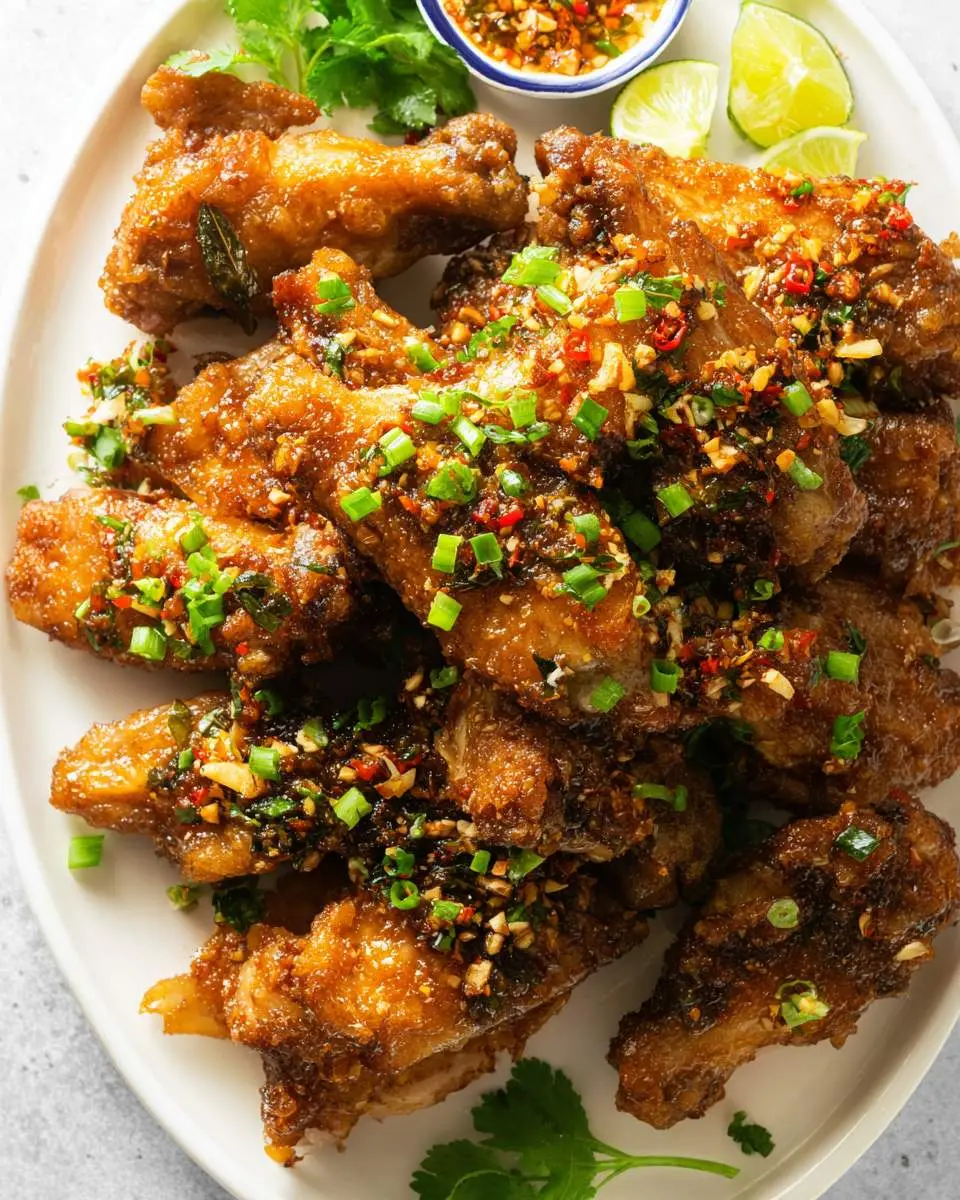
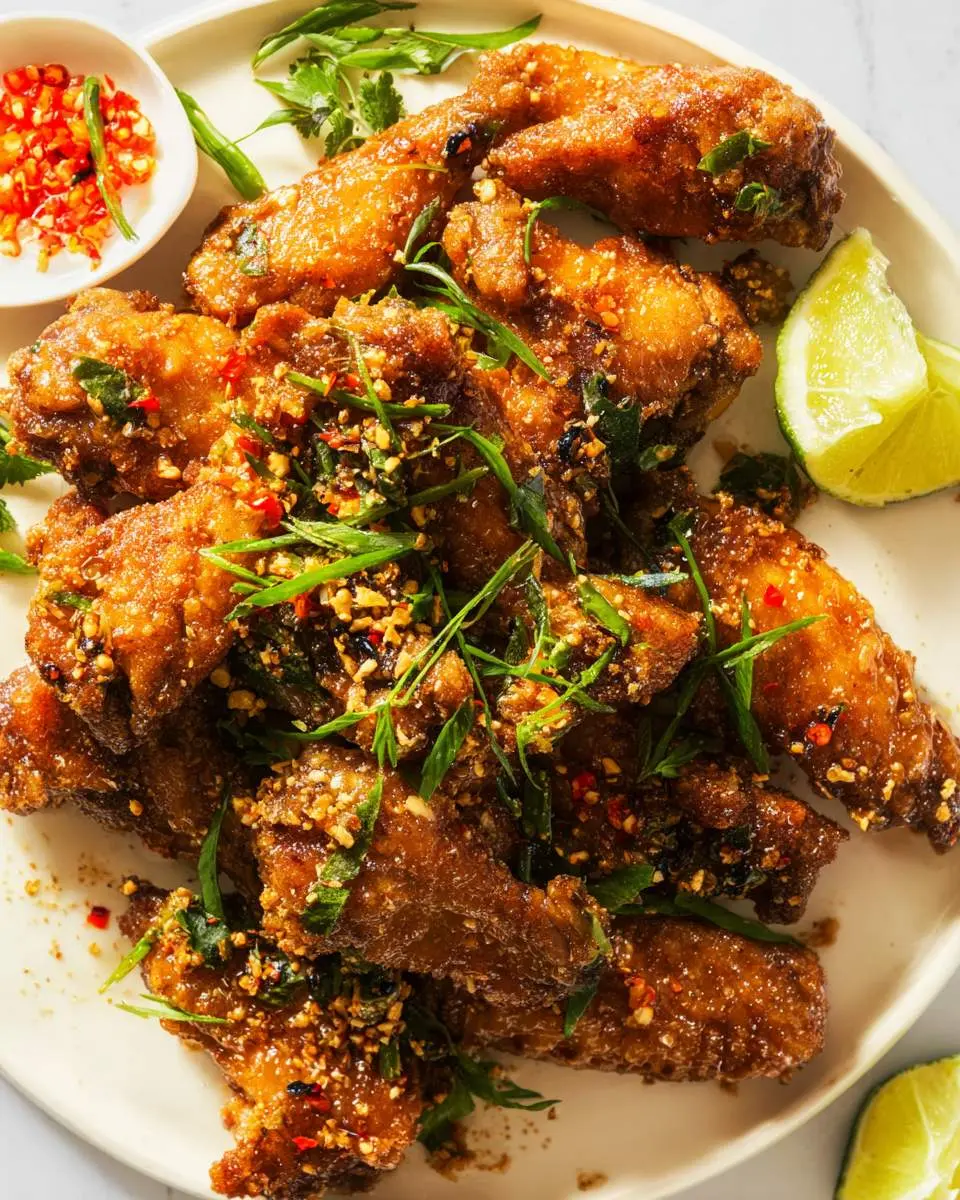
- Transfer hot wings to a large bowl. Pour about two-thirds of the warm glaze over the wings and toss vigorously with tongs until every wing is lacquered and glossy. Arrange on a platter, drizzle with remaining glaze, and scatter cilantro over the top. Serve immediately with lime wedges for squeezing.
Notes
Conclusion
I still catch myself reaching for these fish sauce wings when I need to feed people who think they’ve tasted everything. They’re conversation and comfort in a single sticky bite, the kind of recipe that becomes yours through repetition and small personal adjustments. If heat is your love language, my gochujang chicken walks a similarly addictive path. Make these once, and I suspect they’ll live in your rotation longer than you expect.