Cinnamon Roll Cheesecake
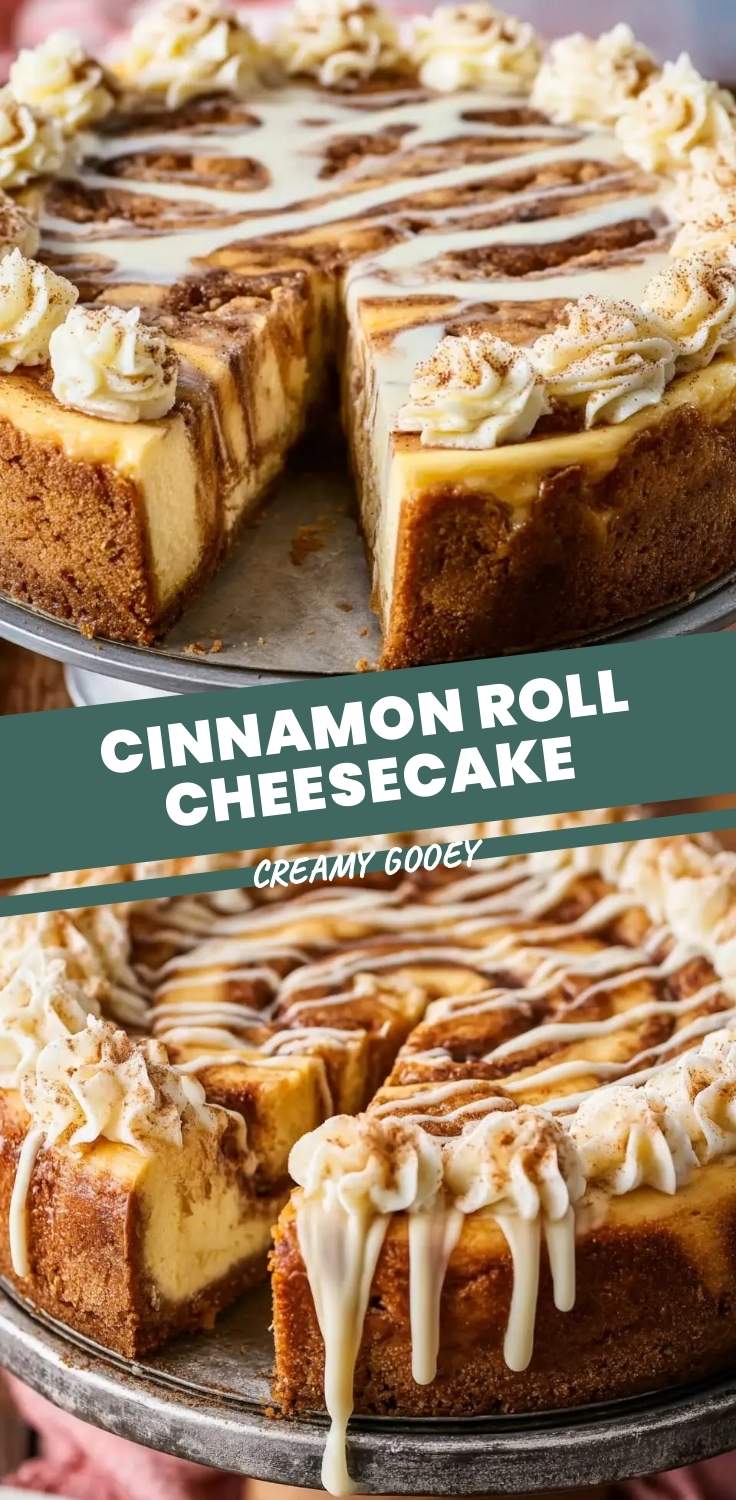
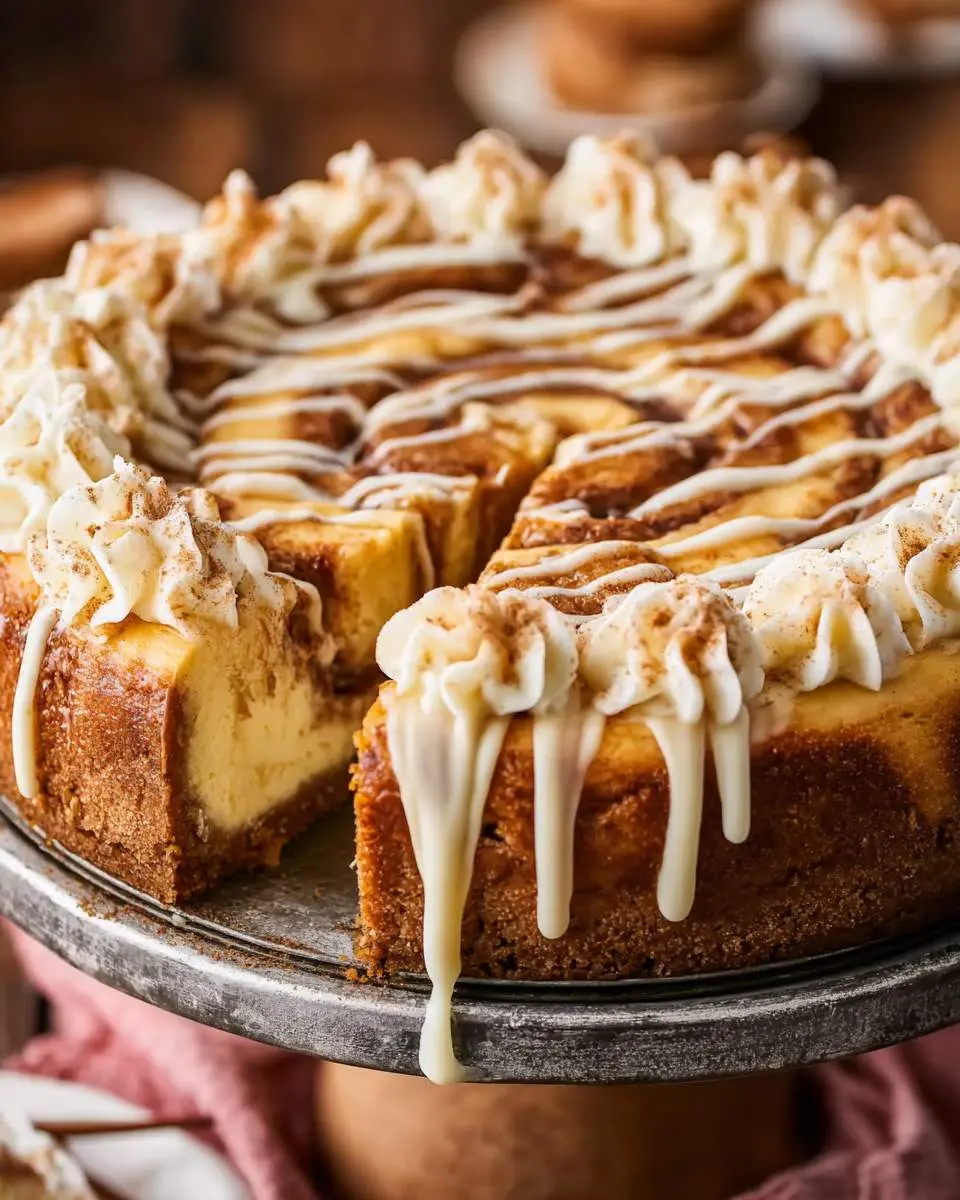
The first time I pulled this beauty from the oven, my kitchen smelled like a Cinnabon had a love child with a New York cheesecake shop. I stood there in my flour-dusted apron, watching the cinnamon swirls marble through the creamy top, and I knew my weekend baking had just peaked. That is the exact moment I fell head over heels for Cinnamon Roll Cheesecake.
My grandmother used to make cinnamon rolls every Christmas morning, but she never trusted herself with cheesecake. Too fussy, she said. Too prone to cracking. I think about her every time I make this , how she’d laugh at the shortcut I figured out, how she’d sneak a second slice when she thought no one was looking. Some recipes carry people with them.
This one has become my signature bring-to-brunch move, the thing friends text me about days later. If you are hunting for another showstopper, my fudge brownie pie has that same over-the-top energy.
What You Need to Make This Recipe
The cream cheese needs to be genuinely room temperature , I leave mine out for a full two hours , because cold blocks fight the mixer and leave you with lumps that never smooth out. Brown sugar in the cinnamon swirl layer is non-negotiable; it carries that deep, molasses warmth that white sugar simply cannot fake. I use full-fat sour cream in the batter, not Greek yogurt, because it gives the finished Cinnamon Roll Cheesecake that subtle tang and keeps the texture lush rather than heavy. For another creamy dessert that plays with unexpected flavors, try my raspberry vanilla cream crepes.
How to Make Cinnamon Roll Cheesecake
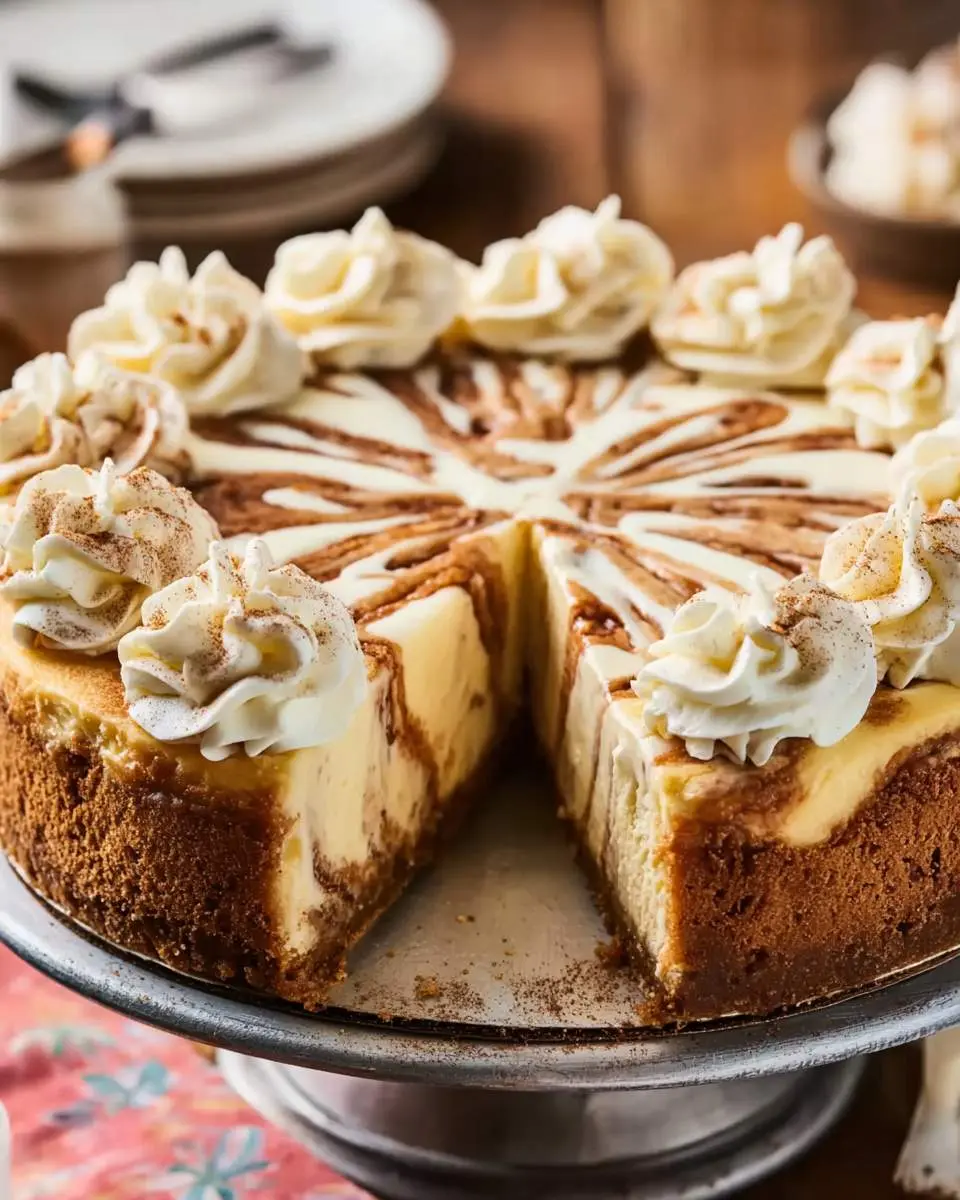
I start by pressing the cinnamon-sugar crust into the springform pan with the bottom of a measuring cup , the flat surface gives you that dense, even layer that holds up to slicing. The mixer hums low and steady while the cream cheese loosens, then I add eggs one at a time, watching the batter turn silky and pale. The real magic happens when you dollop the cinnamon filling across the top and drag a knife through it in loose figure-eights; the swirl pattern is never the same twice, and I find something almost meditative in that.
The oven does its slow, gentle work while the kitchen fills with that warm spiced scent. I crack the door at the end and let it cool gradually , this is where patience pays off, where the surface stays smooth instead of sinking into cracks. The cheesecake needs its full chill time, a solid six hours or overnight, before the flavors settle and the texture firms to that perfect sliceable density. If cinnamon baking is your love language too, my cinnamon roll cookies hit that same nostalgic note in a totally different form.
Pro Tips
My Secret Trick: I wrap the outside of my springform pan in two layers of heavy-duty foil and set it in a shallow water bath while it bakes. The steam keeps the cheesecake impossibly creamy and prevents the dreaded cracked top that ruins so many first attempts.
Let your eggs sit in warm water for ten minutes before cracking them. Cold eggs shock the batter and can cause the fat to seize slightly, leaving you with a grainier texture than you want in something this luxurious.
When you make the cinnamon swirl, resist the urge to over-mix it into the batter. Those distinct ribbons of spiced brown sugar are what give each slice its visual drama and those pockets of intense flavor.
Run a thin knife around the edge of the cooled cheesecake before releasing the springform. This simple step prevents the rim from sticking and tearing that smooth side you worked so hard to achieve. A clean release makes all the difference when you are serving this Cinnamon Roll Cheesecake to guests.
How to Store Cinnamon Roll Cheesecake
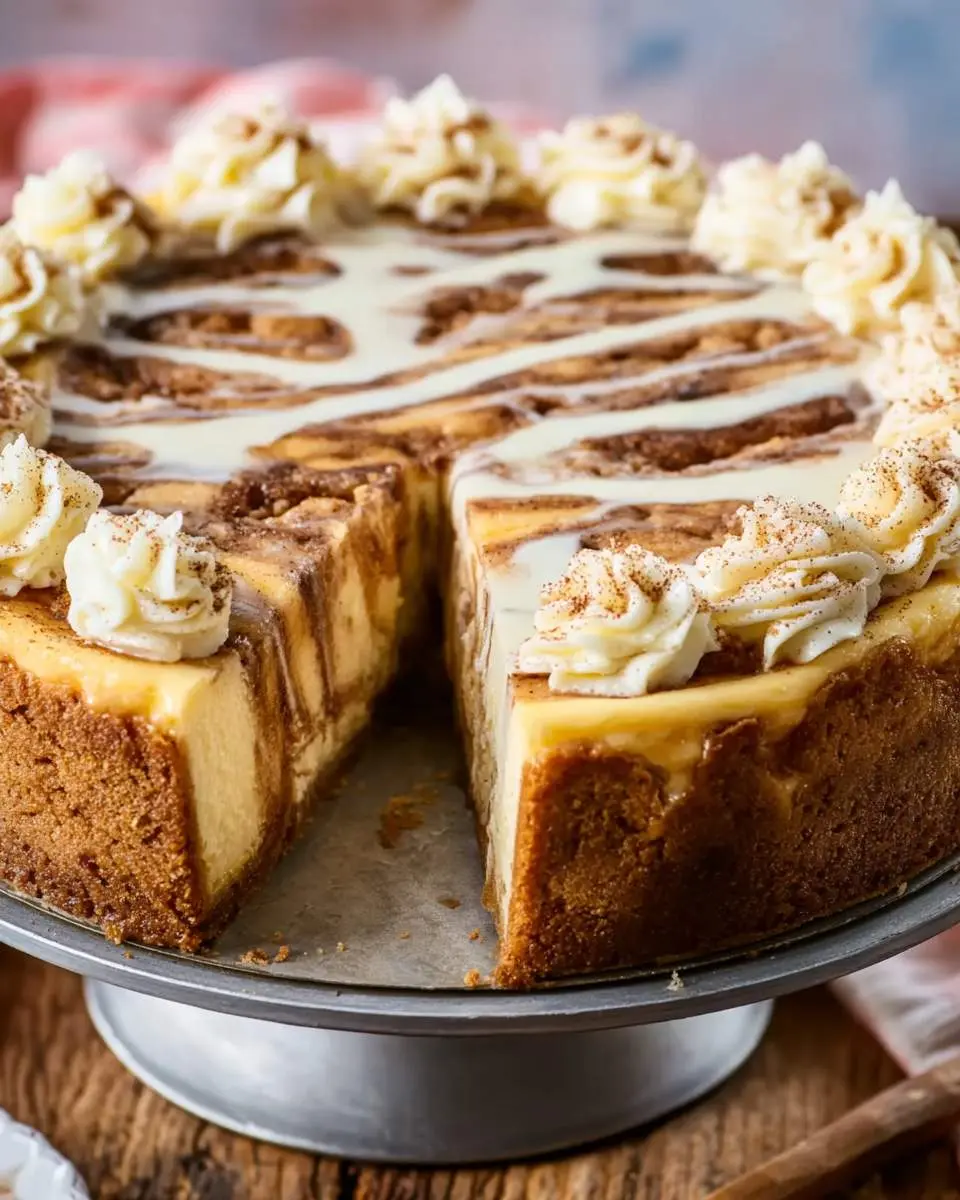
- Cover loosely with plastic wrap and refrigerate for up to 5 days in an airtight container; the flavors actually deepen after the first 24 hours.
- Freeze individual slices wrapped in plastic then foil for up to 2 months; thaw overnight in the refrigerator, never on the counter.
- Refrigerate at 40°F or below; I store mine on a flat plate with a tall cake dome to protect the swirl pattern from getting smudged.
- Serve chilled or at cool room temperature; I never microwave this cheesecake because it ruins the silky texture and can cause the filling to weep.
Nutritional Benefits
Cinnamon itself brings more than comfort to this Cinnamon Roll Cheesecake , it contains cinnamaldehyde, the compound responsible for both that unmistakable aroma and its antioxidant properties. The eggs and cream cheese contribute a solid dose of protein and fat that satisfies in a way sugary desserts alone rarely manage, meaning one rich slice genuinely curbs the craving rather than triggering another.
FAQs
Why did my cheesecake crack on top?
Cracks usually mean the oven was too hot or the cheesecake cooled too quickly. I always bake mine in a water bath and let it rest in the turned-off oven with the door cracked for a full hour before moving it to the counter.
Can I make this without a springform pan?
A springform really is best for clean release, but a deep cake pan lined with parchment overhangs can work in a pinch. You will need to lift the whole cheesecake out using the parchment sling.
How do I know when Cinnamon Roll Cheesecake is done baking?
The center should still jiggle slightly when you gently shake the pan , it will firm up completely during chilling. The edges should look set and may have puffed a tiny bit.
Can I use low-fat cream cheese?
I have tried it, and the texture suffers significantly. Full-fat cream cheese gives the proper richness and structure; low-fat versions can make the filling rubbery and more prone to weeping.

Cinnamon Roll Cheesecake
Ingredients
Equipment
Method
- Preheat oven to 325°F. Wrap the outside of a 9-inch springform pan tightly with two layers of heavy-duty foil. Stir together graham cracker crumbs, melted butter, and sugar until the texture of wet sand. Press firmly into the bottom of the pan and 1 inch up the sides. Bake for 10 minutes until set and fragrant. Set aside to cool. Reduce oven to 300°F.
- In a small bowl, stir together melted butter, brown sugar, and cinnamon until smooth. Transfer to a squeeze bottle or small zip-top bag with the corner snipped. Set aside.
- In a large bowl, beat cream cheese on medium-low speed until completely smooth and no lumps remain, about 3 minutes. Add sugar and beat until incorporated, scraping down the bowl twice. Beat in sour cream and vanilla. Add eggs one at a time, beating just until blended after each addition. Do not overmix.
- Pour half the cheesecake batter over the crust. Drizzle half the cinnamon swirl in a spiral pattern over the surface. Use a knife or skewer to drag through the swirl, creating a figure-8 pattern. Pour remaining batter on top and repeat with the remaining cinnamon swirl, dragging the knife through to marble.
- Place the springform pan in a large roasting pan. Pour hot water into the roasting pan until it reaches halfway up the sides of the springform. Bake at 300°F for 55-65 minutes, until the edges are set and the center jiggles slightly like set Jell-O. Turn off the oven, crack the door, and let the cheesecake cool inside for 1 hour.
- Remove from the water bath, discard foil, and run a thin knife around the edge to loosen. Cool to room temperature, then refrigerate uncovered for at least 6 hours or overnight until completely cold and firm.
- Beat cream cheese until smooth. Add powdered sugar, 2 tablespoons milk, and vanilla, beating until pourable. Add more milk 1 teaspoon at a time if needed. Remove cheesecake from springform, transfer to a serving plate, and drizzle glaze over the top. Let set for 15 minutes before slicing with a thin, sharp knife wiped clean between cuts.
Notes
Conclusion
This Cinnamon Roll Cheesecake has earned its spot in my permanent rotation , the one I make when I want to feel like a kitchen wizard without the stress. If you are craving another mashup dessert that delivers serious wow factor, my carrot cake cheesecake follows that same spirit. Bake it, share it, save yourself the corner slice. You earned it.