Lemon Lime Poke Cake
The first time I tasted something that made me stop mid-bite and just close my eyes, it was a citrus dessert at my aunt’s summer porch party. That sharp, clean brightness of lemon meeting the mellow roundness of lime , I still remember the way the flavors seemed to dance instead of compete. This Lemon Lime Poke Cake brings that exact feeling back, every single time I make it.
My aunt never wrote her recipe down, and I spent three summers trying to recreate that cake. The breakthrough came when I finally understood it wasn’t about the frosting at all , it was about what happens underneath, in those little holes you poke into the warm cake, letting the citrus soak all the way through.
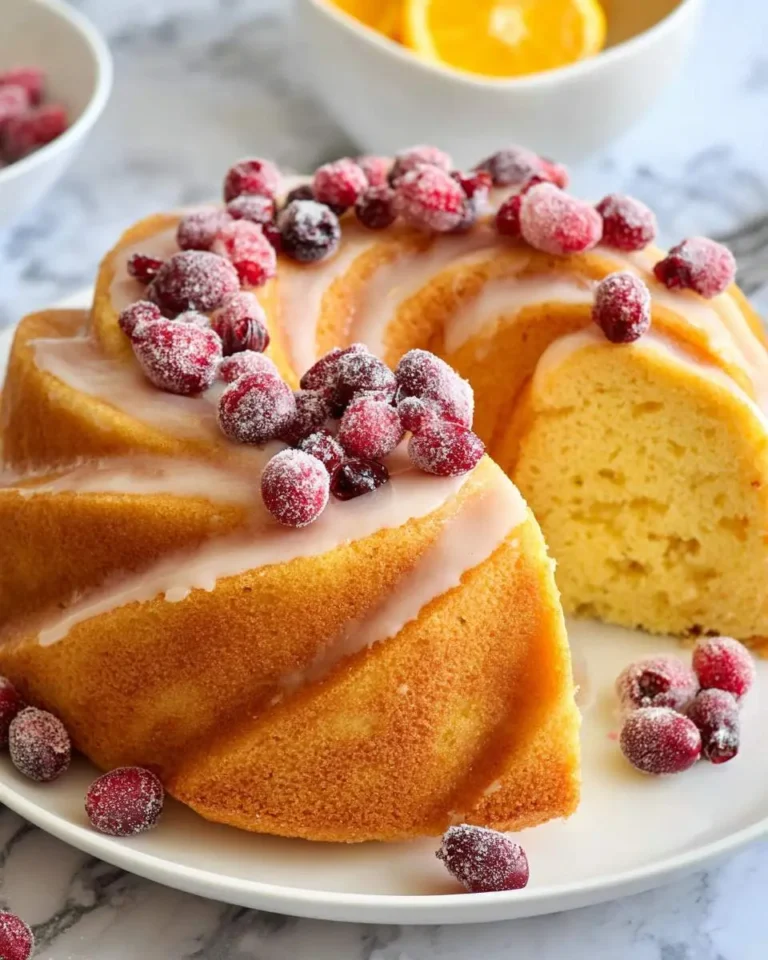
What I landed on feels like a discovery every time I serve it. If you are craving something that tastes like sunshine actually feels, this is where you start. I also love a good pumpkin bundt cake when the weather turns, but this one owns my heart from April through September.
What You Need to Make This Recipe
The magic of this Lemon Lime Poke Cake starts with your citrus , I use fresh lemon juice and zest plus a hit of lime gelatin that creates this incredible two-tone citrus effect you cannot fake. The gelatin mix does something remarkable when it meets the warm cake: it sets just enough to hold pockets of intense flavor without turning rubbery. You will also want a good-quality white cake mix as your base , not because this is a shortcut recipe, but because the tender crumb soaks up the citrus syrup better than anything from scratch I have tested. Sweetened condensed milk is your third non-negotiable; it carries the tartness and keeps the finished cake impossibly moist for days. I learned that last part the hard way after trying evaporated milk once and ending up with something that tasted like a failed science experiment. For chocolate lovers, my chocolate pumpkin cake uses a similar moisture-building trick with spectacular results.

How to Make Lemon Lime Poke Cake
I bake the white cake in a simple 9×13 pan, nothing fancy, and the smell that fills my kitchen is already worth the effort , that vanilla-citrus warmth that makes people wander in asking what is happening. While it is still warm, I take the handle of a wooden spoon and poke holes straight down, about an inch apart, all across the surface. This is the moment that matters most: too shallow and the syrup pools on top, too deep and you compromise the structure.
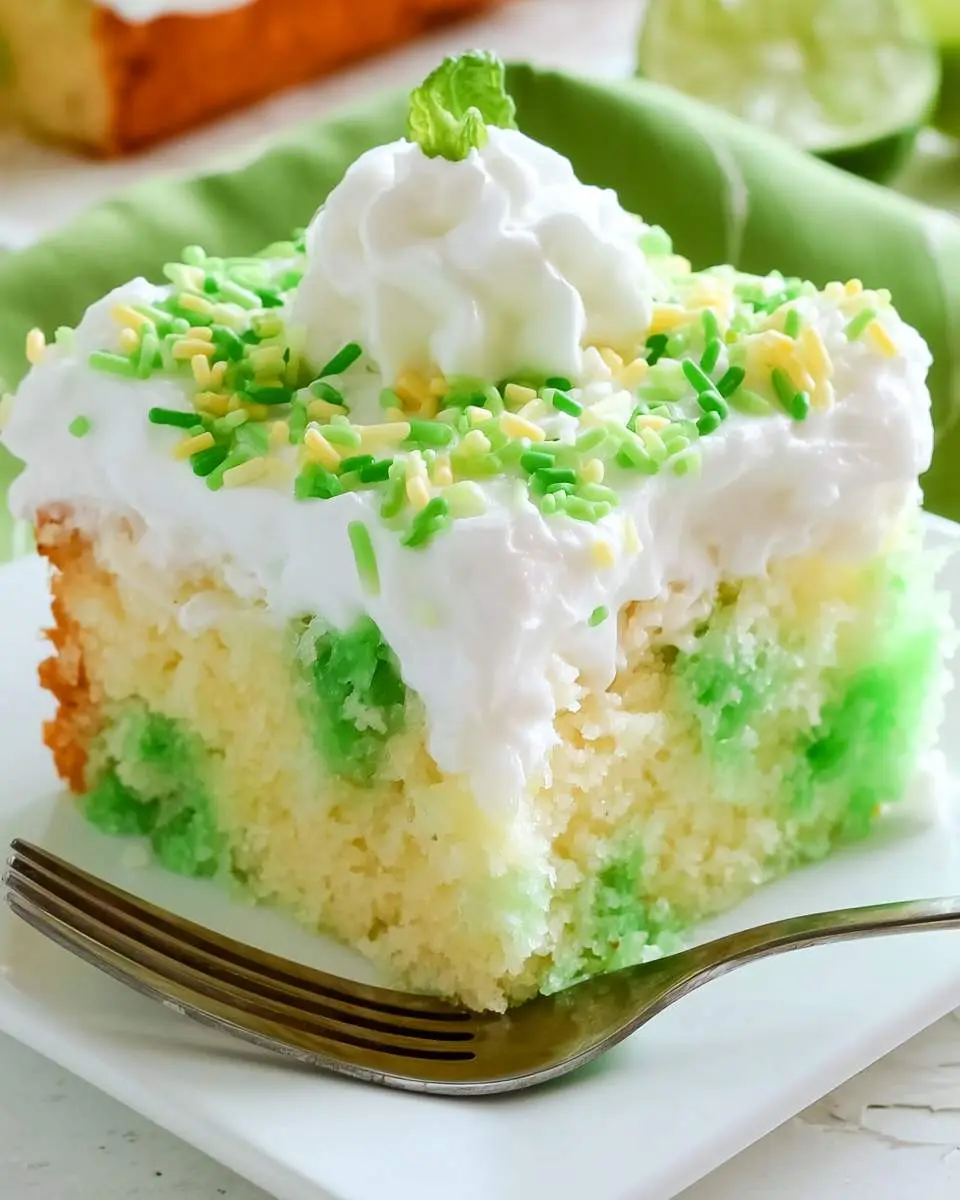
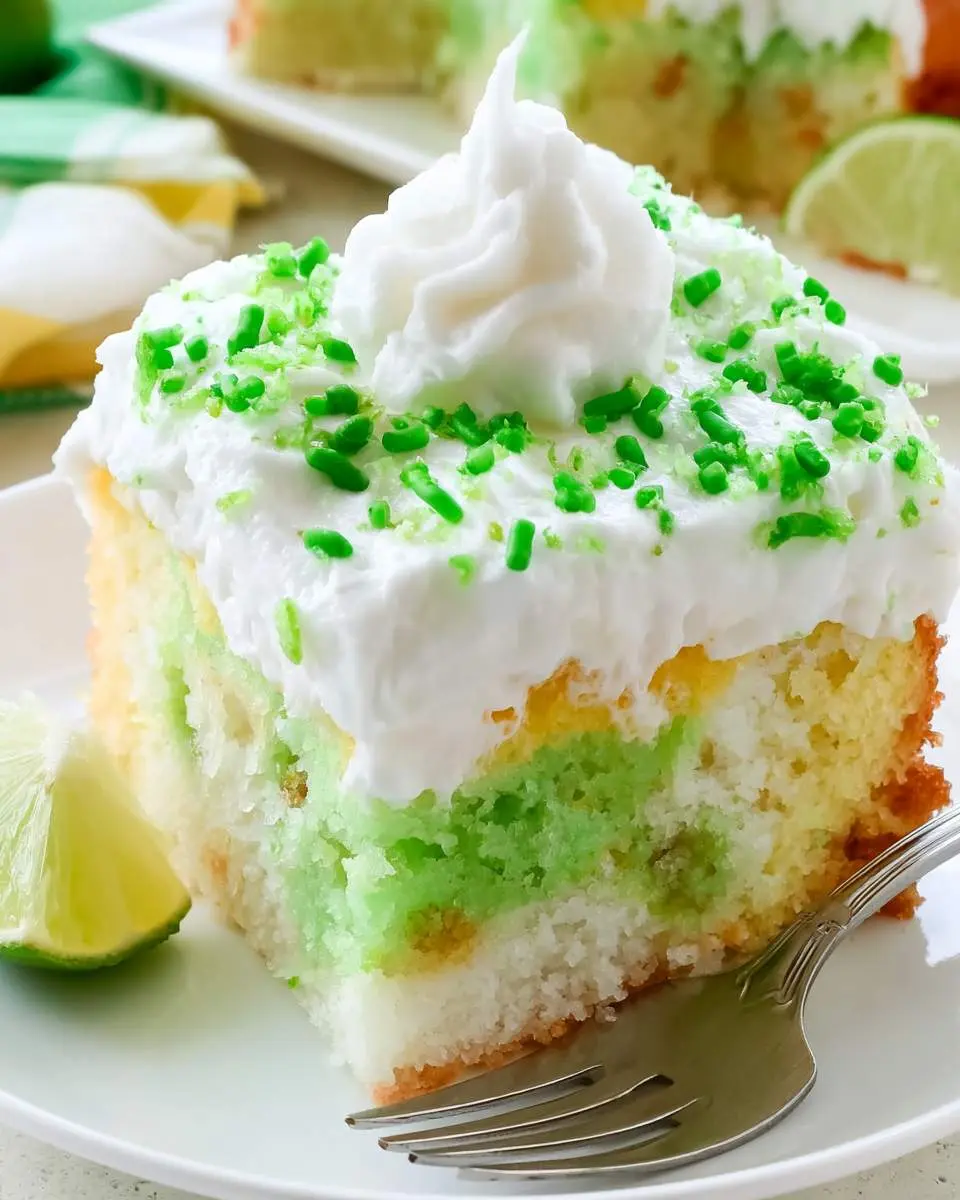
The gelatin dissolves in boiling water with the lemon juice, and I stir until it is completely clear, no graininess left. Pouring it slowly over the poked cake, I watch it sink into those holes like the cake is drinking it in , you can actually see the color seep down in streaks. The sweetened condensed milk goes on next, spread thin and even, and then the whole thing rests in the fridge until it is completely cold and set.
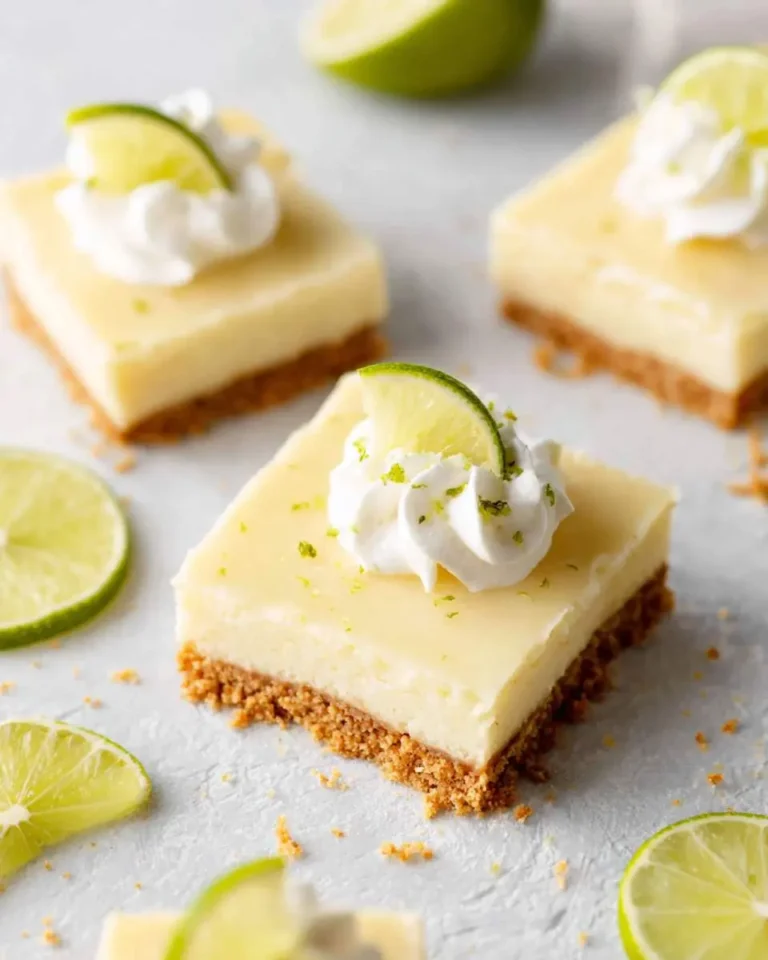
The final layer is whipped topping brightened with more fresh zest, and I always add a few thin lime slices right before serving because I am a sucker for how it looks. The texture when you cut in is what gets people: fork-tender cake giving way to these little bursts of intense citrus, cool and creamy on top. I first developed this method after studying my lemon poke cake, and the lime addition was a happy accident involving what I had in my fruit bowl.
Pro Tips
Poke while warm, not hot. I wait exactly fifteen minutes after the cake comes out of the oven , hot enough that the gelatin syrup absorbs deeply, cool enough that the holes do not collapse into tears. The structure needs to set just slightly to hold its shape.
Use the back of a wooden spoon, not a fork. Fork tines create narrow channels that seal back up. The wider, rounder hole from a spoon handle creates a pocket that stays open and fills completely with syrup. I learned this after too many uneven bites.
Chill the sweetened condensed milk layer before adding whipped topping. If the base is even slightly warm, the topping weeps and slides. I give it a solid hour in the fridge, sometimes two if my kitchen is humid. Patience here is the difference between pretty and messy.
My Secret Trick: I zest my limes directly onto a paper towel first, then press that towel briefly into the warm cake surface before poking. The essential oils transfer in a way that zest alone cannot match, and it makes the lime presence unmistakable without bitterness.
How to Store Lemon Lime Poke Cake
- Refrigerate covered tightly with plastic wrap or in an airtight container for up to 5 days at 40°F or below; the flavors actually improve after the first 24 hours as the citrus fully permeates the crumb.
- Freeze individual portions wrapped in plastic then foil for up to 2 months; thaw overnight in the refrigerator, never at room temperature, to prevent condensation from making the topping watery.
- Do not reheat this cake , serve cold or slightly chilled; the gelatin-based syrup will weep and separate if warmed, ruining the texture you worked to create.
Nutritional Benefits
This Lemon Lime Poke Cake delivers more than indulgence: the fresh lemon and lime juice provide genuine vitamin C, about 15 milligrams per generous slice from the citrus alone, and the zest contributes flavonoids like limonene that research links to digestive support. The sweetened condensed milk adds calcium and protein, making this more substantial than frosting-heavy cakes that offer empty sweetness. I am not calling this health food, but I appreciate when dessert carries something real alongside the pleasure.

FAQs
Can I use lemon gelatin instead of lime?
You can, but you lose the layered citrus effect that makes this cake special. The lime adds a subtle bitterness and aromatic quality that pure lemon cannot replicate. If lime is unavailable, use half lemon gelatin and add extra fresh lime juice.
Why did my cake turn soggy on the bottom?
Too much liquid or pouring while the cake was too cool are the usual culprits. The cake must be warm enough to absorb, and you need to measure the gelatin liquid precisely. Exceeding the liquid volume overwhelms the crumb structure.
Can I make this Lemon Lime Poke Cake a day ahead?
Absolutely, and I actually prefer it after an overnight rest. The flavors marry completely, and the texture sets to that perfect fork-tender consistency. Just add the whipped topping within four hours of serving for the freshest appearance.
Is there a substitute for sweetened condensed milk?
Evaporated milk with added sugar does not work here , the thickness and reduced water content of sweetened condensed milk are essential for the proper set and richness. Full-fat coconut milk reduced with sugar is the only alternative I have tested successfully.

Lemon Lime Poke Cake
Ingredients
Equipment
Method
- Preheat oven to 350F. Grease a 9x13 inch pan. Beat cake mix, water, oil, egg whites, and lemon zest on medium speed for 2 minutes until smooth. Pour into pan and bake 23-28 minutes until the top springs back when lightly touched and a toothpick comes out clean.
- While the cake is still warm, use the handle of a wooden spoon or a straw to poke holes all over the surface, spacing about 1 inch apart and going about two-thirds of the way down. Don't push all the way through.
- In a bowl, whisk together sweetened condensed milk, lemon juice, lime juice, and lime zest until smooth. The mixture will thicken slightly. Pour slowly over the warm cake, using a spatula to spread and coax the filling into the holes. Let cool completely at room temperature, about 1 hour.
- Beat cold heavy cream, powdered sugar, and vanilla on medium-high speed until stiff peaks form, about 3-4 minutes. Spread evenly over the cooled cake. Refrigerate at least 30 minutes before serving to set.
Notes
Conclusion
I still think about my aunt’s porch party when I make this Lemon Lime Poke Cake, and now my own nieces ask for it by name. Some recipes earn their place in your rotation through sheer reliability , this one got there by making people stop mid-bite and close their eyes. If you are citrus-curious at all, I hope you try it. For a simpler lemon fix, my lemon cake is always there too.