Orange Cranberry Sourdough Bread
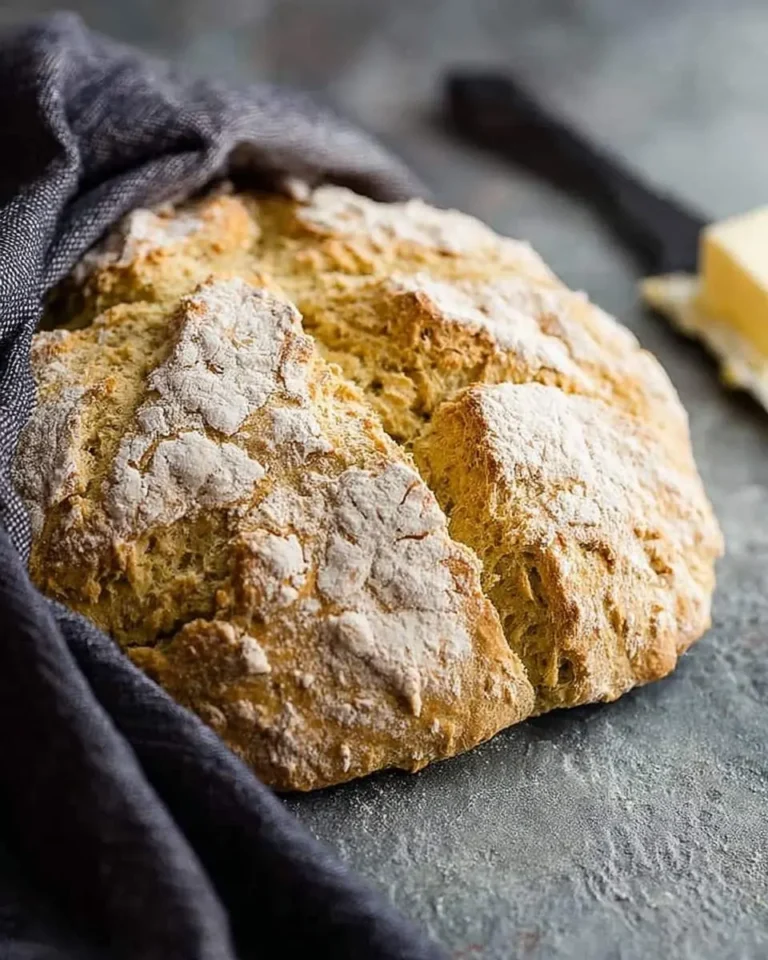
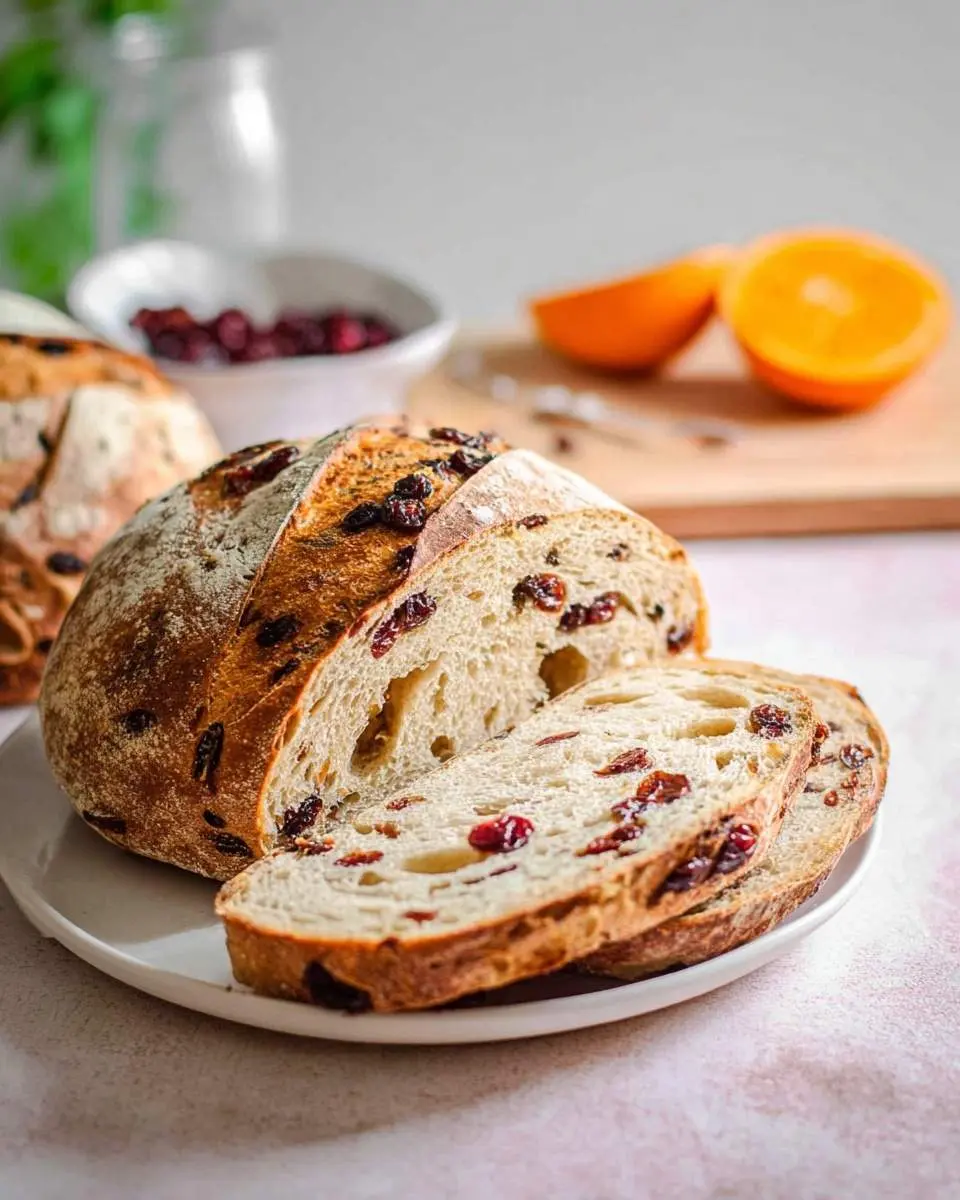
The aroma of freshly baked Orange Cranberry Sourdough Bread is one of my favorite kitchen moments. That satisfying crackle of the crust, giving way to a soft, airy interior studded with bright cranberries and zesty orange – it’s pure magic. It reminds me of the comforting warmth of a blueberry sourdough bread fresh from the oven, a true labor of love.
I remember as a child, my grandmother would always have a fresh loaf cooling on the counter, filling her kitchen with an inviting scent. It was often a simple white bread, but the joy it brought us as a family was immense. I’ve tried to capture that same feeling in my own baking, experimenting with flavors that bring smiles to faces.
This recipe offers a truly hearty and comforting loaf that’s surprisingly low-stress, especially once you get the rhythm of sourdough. My practical tip for this bread: always use fresh zest; it truly makes all the difference!
What You Need to Make This Recipe
My secret to this delightful Orange Cranberry Sourdough Bread lies in quality ingredients: strong bread flour, an active sourdough starter, and the perfect balance of dried cranberries with fresh orange zest. These elements truly sing together, much like the unexpected joy in an apple fritter bread. All measurements are in the recipe card!
How to Make Orange Cranberry Sourdough Bread
Crafting this delightful Orange Cranberry Sourdough Bread unfolds over two days. Day one focuses on mixing and bulk fermentation. Day two involves shaping, a cold proof to enhance flavor, and then baking for that perfect golden crust, reminiscent of a hearty cranberry walnut bread. It’s a truly fulfilling process for any home baker!
Pro Tips for Making This Orange Cranberry Sourdough Bread
I’ve learned a few things over the years that truly elevate my Orange Cranberry Sourdough Bread.
- Don’t Rush the Proof: Patience is your best friend with sourdough. Let your dough proof properly in the cold fridge; it develops incredible depth of flavor.
- Zest Matters: Always use fresh orange zest, not dried. It provides a brighter, more aromatic citrus note that truly lifts the whole loaf.
- Hydration is Key: Pay attention to your dough’s hydration. It should be slightly tacky but not overly sticky. Adjust your water slightly if needed, especially depending on your flour.
- My Secret Trick: I always infuse my water with the orange zest for about 30 minutes before mixing. This gentle infusion deepens the orange flavor throughout the entire Orange Cranberry Sourdough Bread without overpowering it.
How to Store Orange Cranberry Sourdough Bread
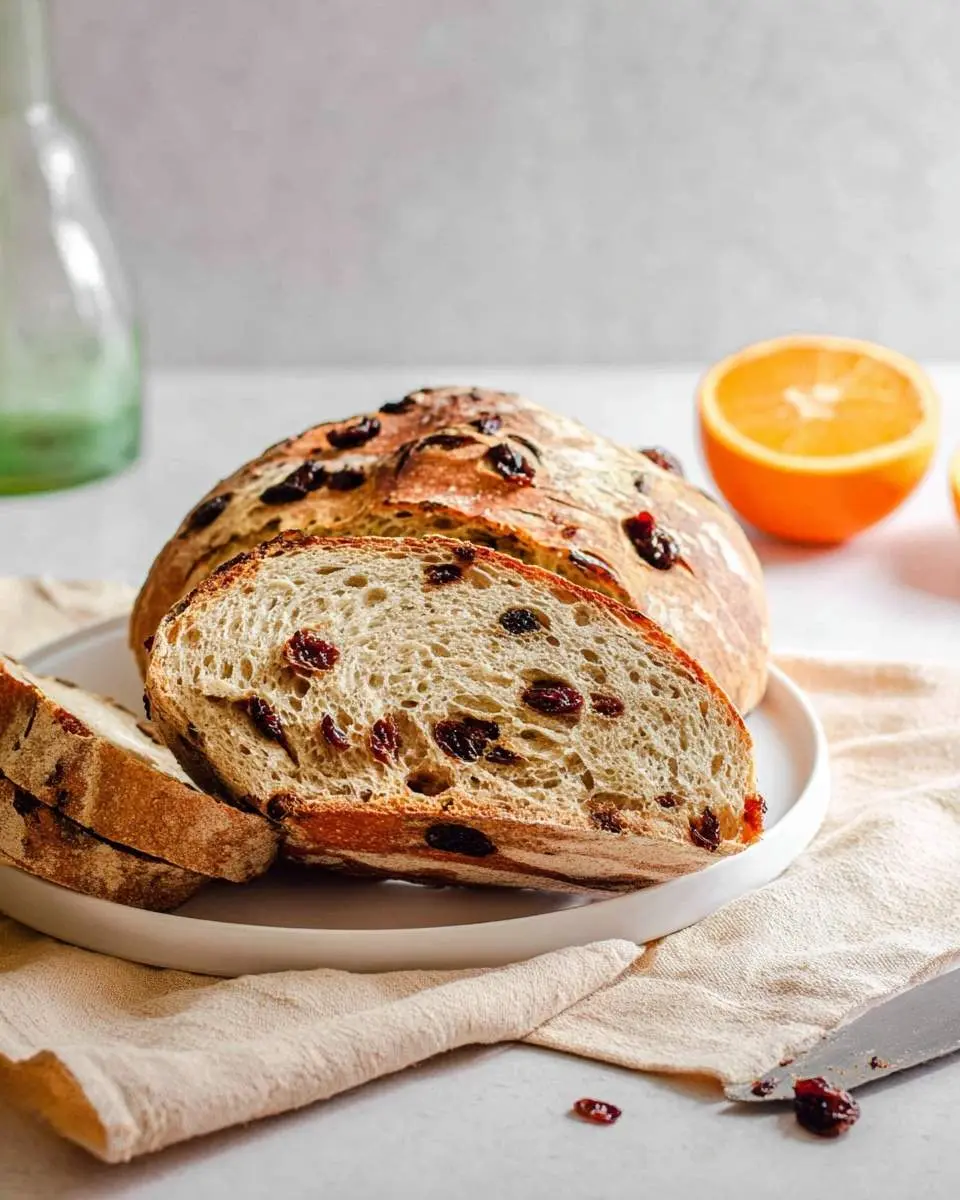
Once baked, storing your beautiful Orange Cranberry Sourdough Bread properly is key. For short-term, I keep it at room temperature, wrapped, for 2-3 days. For longer storage, I slice and freeze it. To reheat, a light spritz of water and a warm oven at 350°F (175°C) for 10-15 minutes works wonders. My personal tip: always cool completely before slicing to prevent gumminess.
Nutritional Benefits
Beyond flavor, this Orange Cranberry Sourdough Bread offers goodness. Sourdough improves nutrient availability, whole wheat adds fiber, and cranberries provide antioxidants. It’s a nourishing choice I feel good about for my family.

FAQs
Can I use fresh cranberries instead of dried in this sourdough?
While dried cranberries are recommended for their concentrated flavor and texture in this Orange Cranberry Sourdough Bread, you can use fresh ones. If you do, consider reducing the water in the recipe slightly, as fresh cranberries release more moisture. They also tend to be less sweet, so you might adjust any additional sweeteners if desired for your perfect loaf.
What kind of orange zest is best for this recipe?
For the most vibrant flavor in your Orange Cranberry Sourdough Bread, I highly recommend using zest from organic oranges. Since we’re using the peel, it’s best to avoid any pesticide residues. Always zest only the bright orange part of the peel, avoiding the bitter white pith underneath, to ensure a clean, bright citrus note.
How do I know if my sourdough starter is active enough?
An active sourdough starter is crucial for a successful Orange Cranberry Sourdough Bread. Your starter should be bubbly, have a pleasant tangy aroma, and double in size within 4-8 hours after feeding. A simple float test can also help: drop a small spoonful into water; if it floats, it’s ready to go.
Can I make this loaf without a Dutch oven?
Yes, you can still achieve a wonderful Orange Cranberry Sourdough Bread without a Dutch oven! While a Dutch oven helps create that perfect crust, you can bake it on a baking stone or heavy baking sheet. To mimic the steamy environment, place a tray of hot water on the bottom rack of your oven during the initial bake.
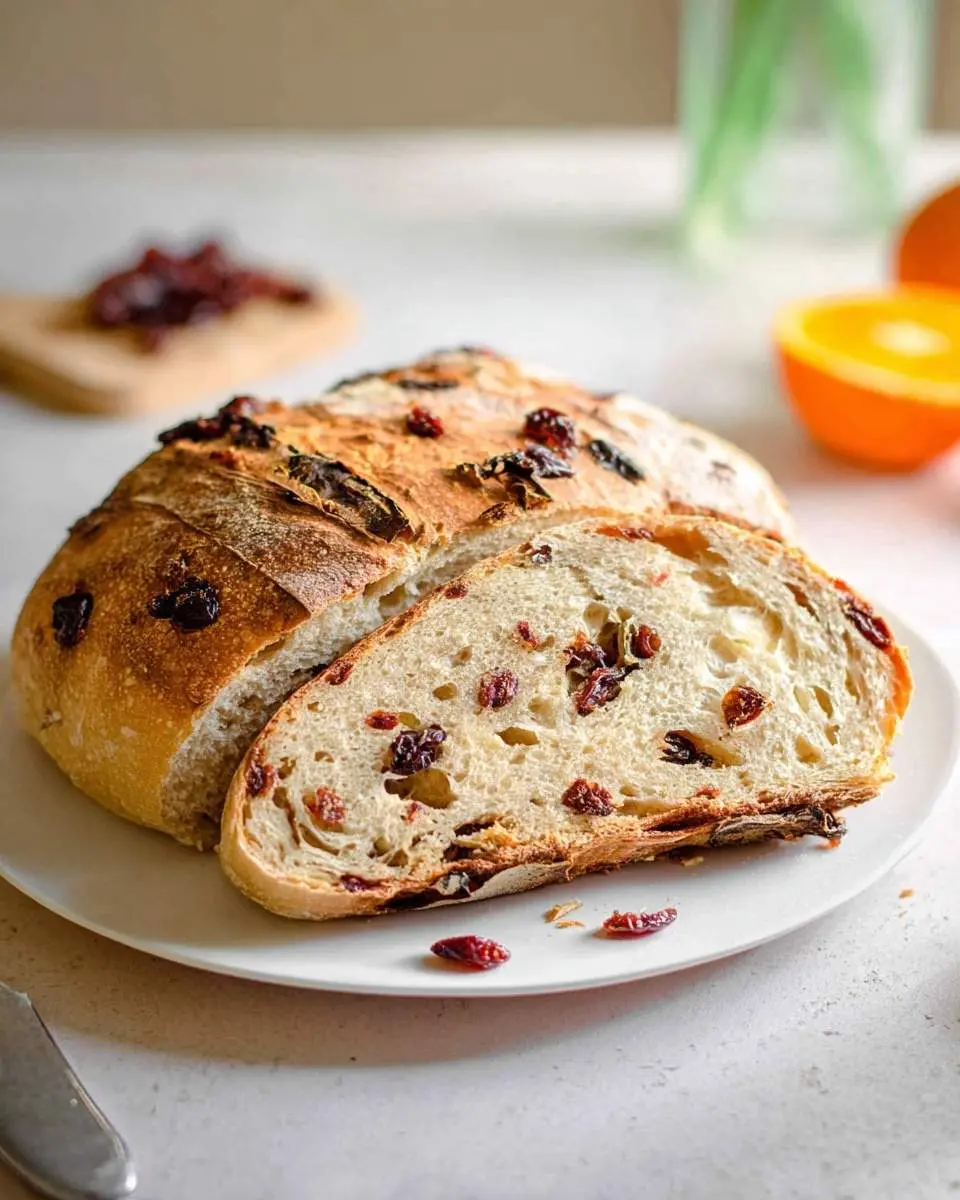

Zesty Orange Cranberry Sourdough Loaf
Ingredients
Equipment
Method
- Autolyse: In a large mixing bowl, combine the bread flour, whole wheat flour, and water. Mix with a dough scraper or your hands until no dry spots remain and a shaggy dough forms. Cover the bowl with a damp cloth or plastic wrap and let it rest for 30-60 minutes at room temperature. This step allows the flour to fully hydrate.
- Add Starter & Salt: After the autolyse, add the active sourdough starter and fine sea salt to the dough. Mix thoroughly, using a 'pinching and folding' motion for 5-10 minutes, until the starter and salt are fully incorporated and the dough starts to feel a bit more cohesive. It might be sticky initially.
- First Set of Stretch & Folds: Lightly wet your hands. Grab a portion of the dough from one side, stretch it upwards, and fold it over to the opposite side of the bowl. Rotate the bowl and repeat this process 3-4 times until you've folded all sides. Cover and let rest for 30 minutes.
- Incorporate Inclusions: During the second or third set of stretch and folds (after another 30-minute rest), gently spread the orange zest and dried cranberries over the dough. Perform your stretch and folds as usual, ensuring the inclusions are evenly distributed throughout the dough.
- Continue Stretch & Folds: Repeat the stretch and fold process every 30-45 minutes for a total of 4-5 sets over the next 2-3 hours. By the final set, the dough should be smoother, more elastic, and hold its shape better.
- Bulk Fermentation: After the final set of folds, cover the bowl and let the dough bulk ferment at room temperature (ideally 72-78°F / 22-25°C) for another 2-4 hours, or until it has increased in volume by about 30-50% and shows signs of activity (small bubbles, domed surface). The total bulk fermentation time will be 4-6 hours, depending on your room temperature and starter strength.
- Pre-shape: Gently scrape the dough out onto a lightly floured surface. Gently shape it into a loose round (boule) or oval (batard) using a dough scraper to create tension on the surface. Let it rest, uncovered, for 20-30 minutes to relax the gluten.
- Final Shape: Lightly flour your banneton. Gently shape the dough into its final form (boule or batard). Transfer the shaped dough, seam-side up, into the floured banneton. Lightly dust the top with flour.
- Cold Proof: Cover the banneton with a plastic bag or plastic wrap and refrigerate for 12-18 hours. This slow cold proof develops flavor and makes the dough easier to handle and score.
- Preheat Oven & Dutch Oven: About 45-60 minutes before you're ready to bake, place your Dutch oven with its lid into your oven and preheat to 500°F (260°C).
- Score & Transfer: Carefully remove the hot Dutch oven from the oven. Gently invert your cold dough from the banneton onto a piece of parchment paper. Using a bread lame or a very sharp knife, score the top of the dough with your desired pattern (e.g., a single long slash, a cross, or an elaborate design).
- Bake Covered: Carefully lower the dough (still on the parchment paper) into the hot Dutch oven. Place the lid back on and bake for 20 minutes at 475°F (245°C).
- Bake Uncovered: Remove the lid from the Dutch oven and reduce the oven temperature to 450°F (230°C). Continue to bake for another 25-30 minutes, or until the crust is a deep golden brown and the internal temperature reaches 200-210°F (93-99°C).
- Cool: Carefully remove the bread from the Dutch oven and transfer it to a wire cooling rack. Allow the bread to cool completely for at least 2-3 hours before slicing. This is crucial for the crumb to set and for the best texture and flavor.
Notes
Conclusion
This Orange Cranberry Sourdough Bread is more than just a recipe; it’s a fragrant invitation to bring warmth and deliciousness into your home. With its delightful balance of tart cranberries and bright orange, it’s a simple pleasure that nourishes both body and soul. I truly hope you’ll give this beautiful loaf a try, perhaps even alongside a slice of my beloved Starbucks copycat lemon loaf for a citrusy feast. Happy baking, friends!