Beef Wellington
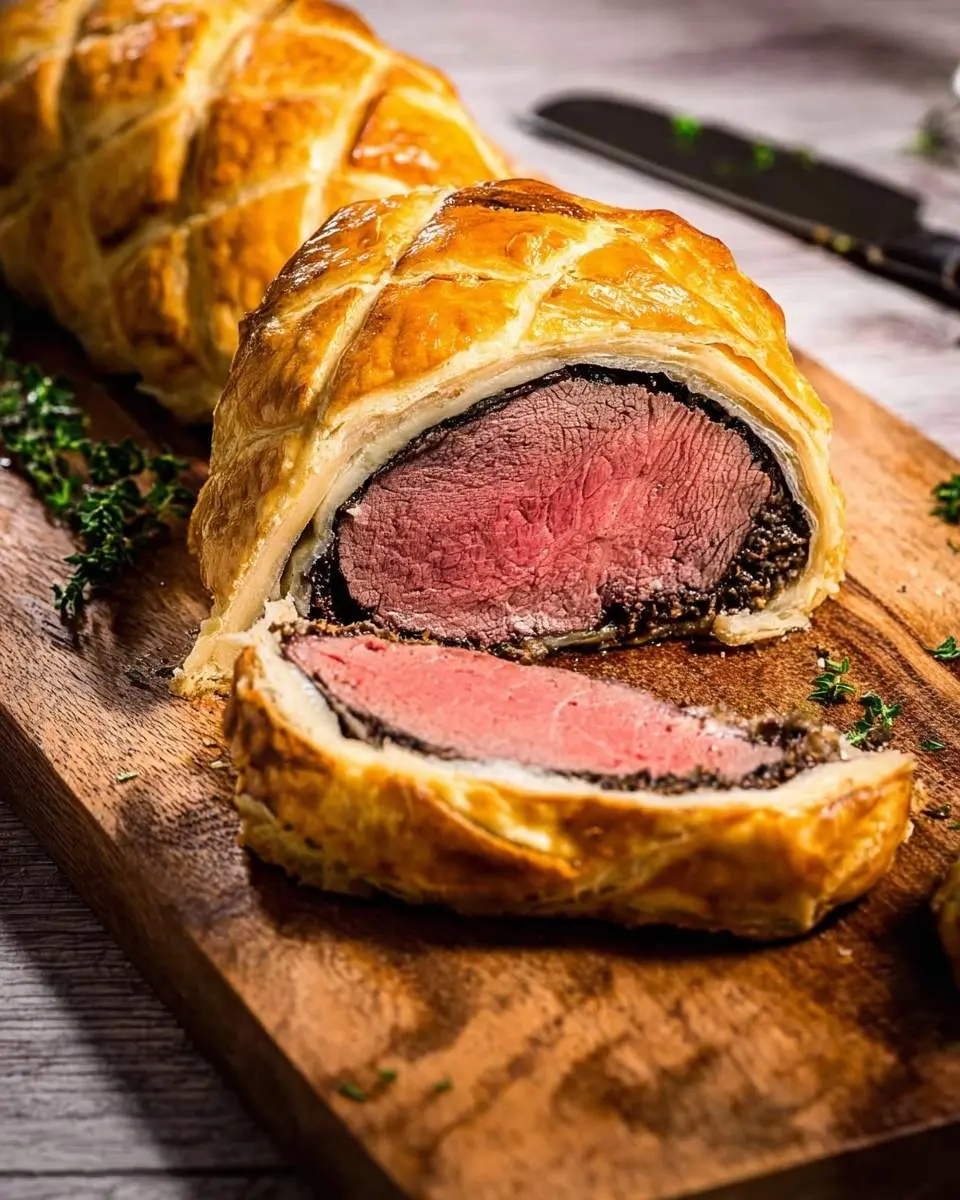
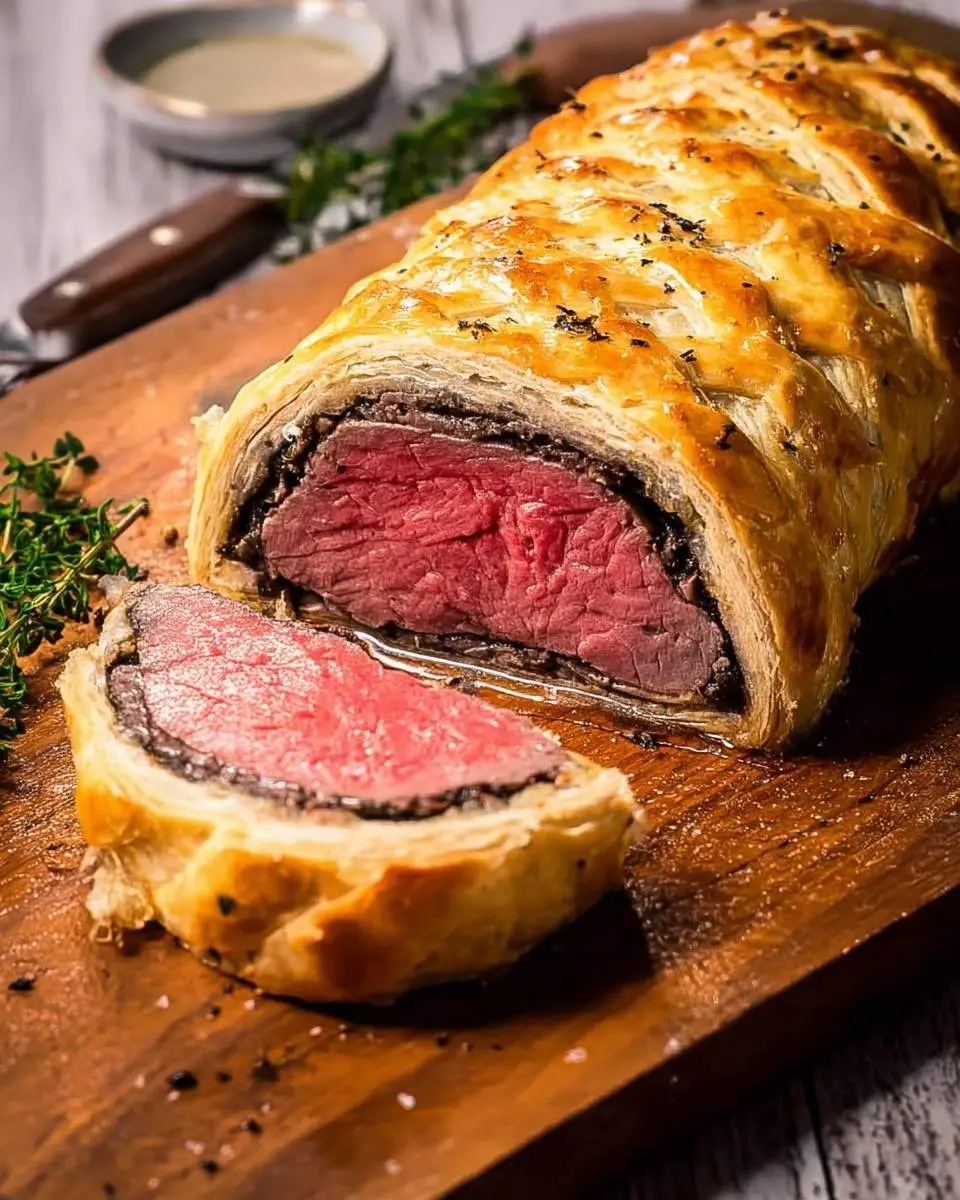
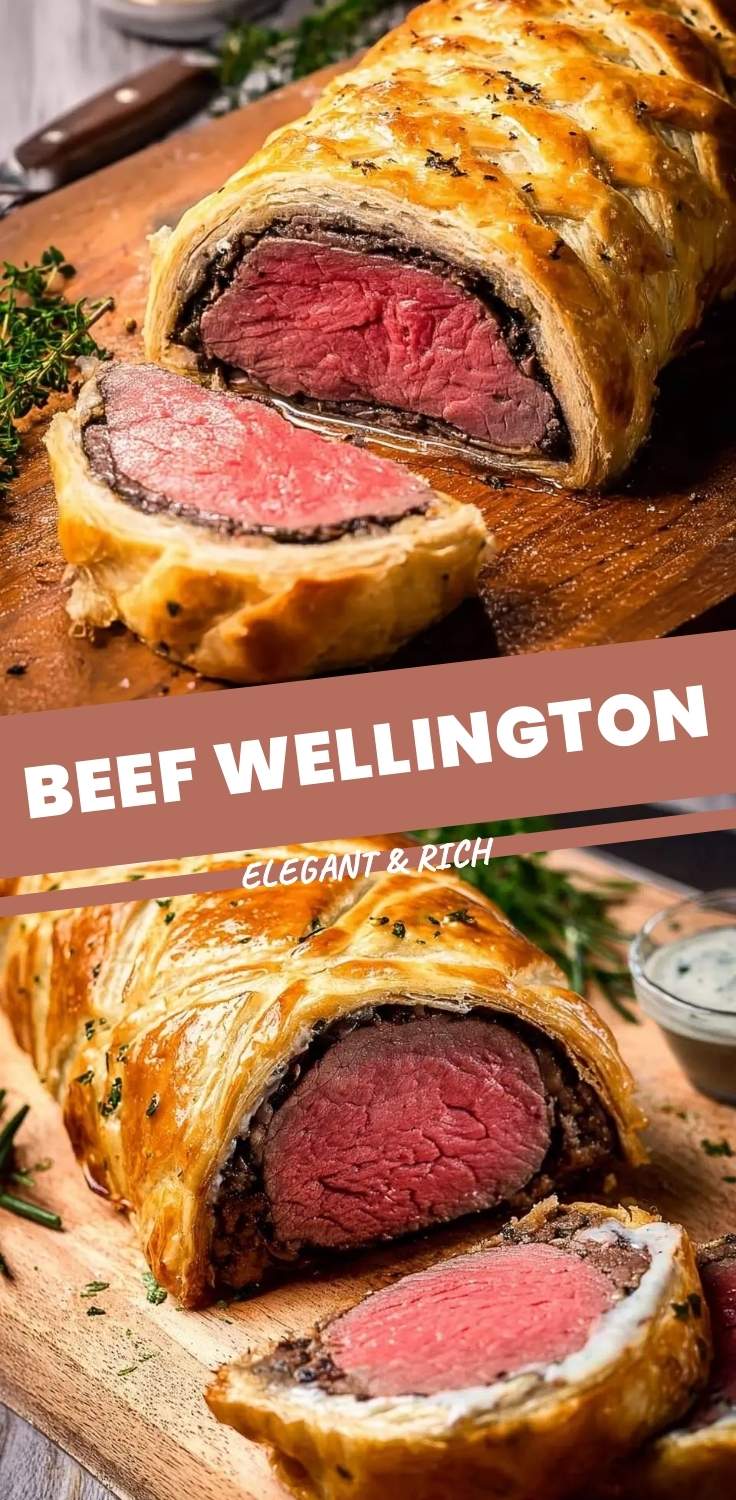
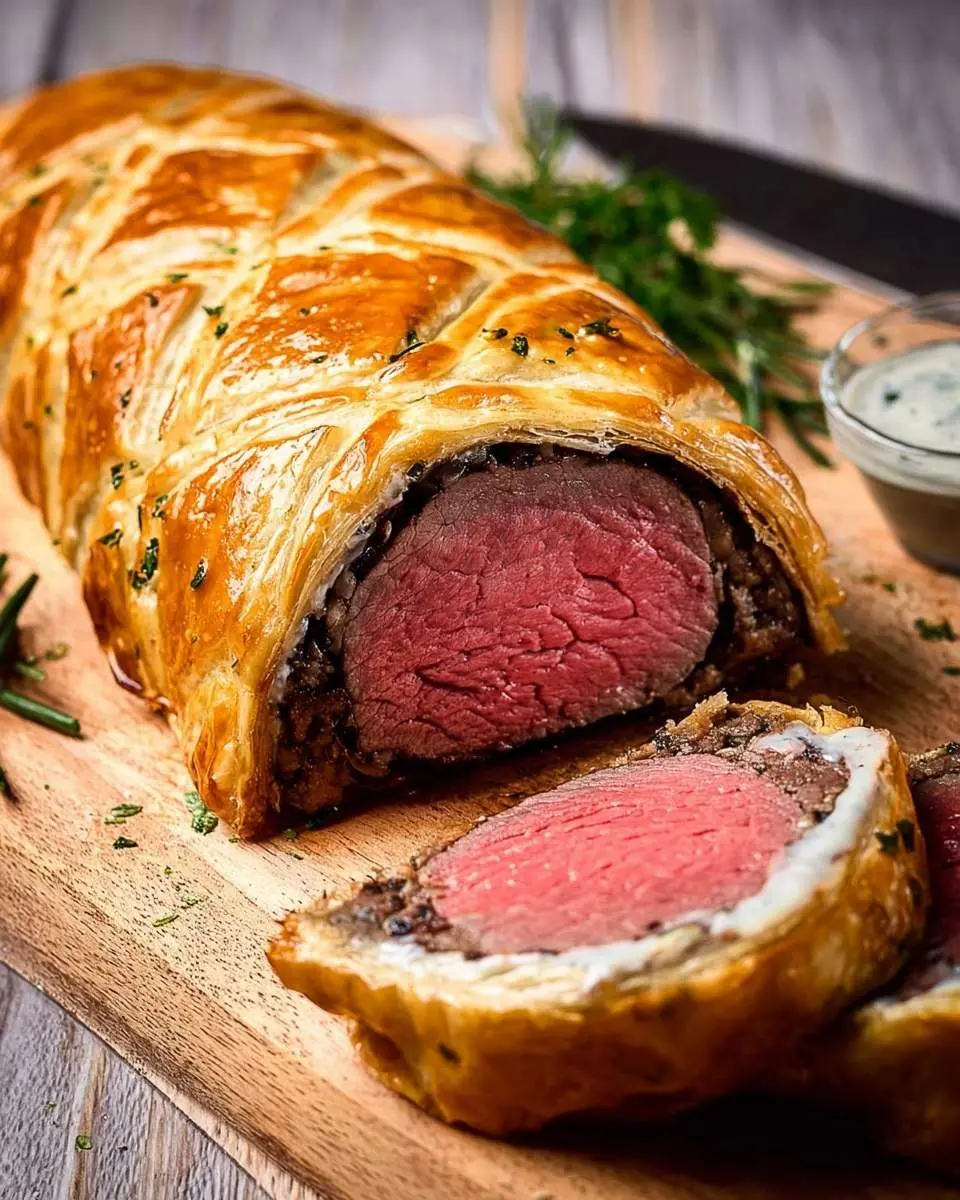
My heart always skips a beat when I think about a beautifully golden Beef Wellington. There’s just something so undeniably elegant and comforting about that flaky puff pastry encasing tender beef, all brought together by a rich mushroom duxelles. It’s a dish that promises a special occasion, a culinary masterpiece that truly makes a statement on any table. For me, it’s more than just a meal; it’s a celebration. And if you’re looking for a delightful starter, you might also enjoy my Homemade Beef Jerky!
I remember the first time I attempted this classic in my grandmother’s kitchen, a little nervous but so excited. It quickly became a treasured holiday tradition, a recipe we’d all gather around to prepare, sharing stories and laughter. Those moments are etched in my memory, a testament to how food truly brings us closer.
This recipe delivers a truly impressive dish without the usual stress, making it perfect for both seasoned cooks and adventurous beginners. It’s hearty, satisfying, and my secret for a show-stopping meal that’s simpler than it looks, bringing restaurant-quality taste right into your home.
What You Need to Make This Recipe
Crafting this dish is a joy, and it all starts with exceptional ingredients. I adore how the rich beef tenderloin marries with earthy cremini mushrooms and aromatic shallots, creating a symphony of flavors that truly defines a classic Beef Wellington. Just like with my Greek Beef Meatballs, using fresh, high-quality components makes all the difference! You’ll find the full list of ingredients and measurements in the recipe card below.
How to Make Beef Wellington
Making Beef Wellington might seem daunting, but I promise it’s an incredibly rewarding process that breaks down into a few simple steps. First, we sear the beef to lock in those juices, then create the savory mushroom duxelles, followed by the careful assembly, wrapping everything in golden puff pastry. It’s a culinary journey, much like perfecting a juicy Marry Me Steak, where each stage contributes to the final, mouth-watering result, making it a truly unforgettable dish for any gathering.
Pro Tips for Making This Beef Wellington
Through years of making this dish, I’ve gathered a few personal tricks that truly elevate the Beef Wellington experience. Don’t rush the searing of the beef tenderloin; a good, dark crust adds immense flavor and helps seal in the juices.
My Secret Trick: I always chill my assembled Beef Wellington in the refrigerator for at least 30 minutes (or up to a few hours) before baking. This firms up the pastry and ensures it puffs up beautifully and cooks evenly, preventing any soggy bottoms. It also makes for cleaner, sharper cuts when slicing after baking!
Another tip I swear by is to really cook down your mushroom duxelles until almost all the moisture is gone. This prevents the pastry from becoming soggy and concentrates the incredible earthy flavors. My final piece of advice? Don’t be afraid to season generously at every step – it’s the secret to a truly flavorful dish.
How to Store Beef Wellington
I’ve found that proper storage is key to enjoying your delicious Beef Wellington leftovers. If you happen to have any! You can refrigerate cooked slices, tightly wrapped, for up to 3 days. When reheating, I always suggest a gentle approach; a low oven (around 300°F/150°C) helps crisp up the pastry again without drying out the beef. This slow method truly brings the dish back to life, preserving that fantastic texture and flavor we all adore.
Nutritional Benefits
This classic Beef Wellington offers a wonderful balance of protein from the tenderloin and essential vitamins from the mushroom duxelles. It’s a rich, satisfying dish that, in moderation, can be a delicious part of a family-friendly meal, providing wholesome goodness for those special occasions.
FAQs
Can I prepare Beef Wellington ahead of time?
Absolutely! I often assemble my Beef Wellington a day in advance. Just wrap it tightly in plastic film and refrigerate. This not only saves time on the day of your event but also helps the pastry firm up, making for a more professional bake.
What should I serve with Beef Wellington?
For me, a simple side is best to complement the richness of Beef Wellington. I love pairing it with roasted asparagus, creamy mashed potatoes, or a light green salad with a vinaigrette to balance the flavors beautifully.
How do I prevent a soggy bottom on my Beef Wellington?
To prevent a soggy bottom, ensure your mushroom duxelles is cooked down completely until it’s very dry. Also, lightly score the bottom of your puff pastry sheet and bake the Beef Wellington on a baking rack over a sheet pan to allow air circulation.
Can I use a different cut of beef for Beef Wellington?
While beef tenderloin is traditional for its tenderness, I’ve seen some adventurous cooks use other cuts. However, I highly recommend sticking to tenderloin for the best results, as its lean texture and quick cooking time are ideal for a perfect Beef Wellington.

Classic Beef Wellington with Mushroom Duxelles
Ingredients
Equipment
Method
- Preheat a large cast-iron skillet over high heat until smoking. Season the beef tenderloin generously with 1/2 tsp salt and 1/4 tsp black pepper.
- Add 2 tbsp olive oil to the hot skillet. Sear the beef tenderloin on all sides until deeply browned, about 2-3 minutes per side. This should take about 8-12 minutes total.
- Remove the beef from the skillet and let it cool slightly on a wire rack. Once cool enough to handle, brush all sides of the beef with the Dijon mustard. Set aside.
- In the same skillet (or a clean one), heat 1 tbsp olive oil and 1 tbsp butter over medium-high heat.
- Add the finely chopped mushrooms, minced shallots, and minced garlic. Cook, stirring frequently, until all the liquid has evaporated and the mushrooms are deeply browned and caramelized, about 15-20 minutes. A food processor can be used to finely chop the mushrooms.
- If using, add the dry sherry or red wine and cook until fully evaporated. Stir in the chopped fresh thyme and parsley. Season with 1/2 tsp salt and 1/4 tsp black pepper.
- Spread the duxelles onto a plate or shallow dish to cool completely. This step is crucial to prevent the pastry from becoming soggy.
- Lay a large sheet of plastic wrap on a clean work surface. Arrange the prosciutto slices slightly overlapping to form a rectangle large enough to cover the beef tenderloin.
- Evenly spread the cooled duxelles over the prosciutto, leaving a small border around the edges.
- Place the seared and mustard-coated beef tenderloin in the center of the duxelles-covered prosciutto.
- Using the plastic wrap, carefully lift the prosciutto and duxelles to wrap it tightly around the beef. Roll it up firmly, twisting the ends of the plastic wrap to create a tight, uniform log. Refrigerate for at least 30 minutes (or up to 24 hours) to allow it to set.
- On a lightly floured surface, roll out the thawed puff pastry sheet into a rectangle large enough to completely encase the beef log, about 12x18 inches. You may need to trim the edges to make them straight.
- Unwrap the chilled beef log and place it in the center of the rolled-out puff pastry.
- Brush the edges of the pastry with some of the beaten egg wash. Carefully fold one side of the pastry over the beef, then fold the other side to overlap, sealing the seam. Trim any excess pastry, leaving about a 1-inch overlap. Press firmly to seal.
- Fold in the ends of the pastry and seal them securely, trimming any excess. Ensure the Wellington is completely sealed.
- Carefully transfer the Beef Wellington, seam-side down, to a baking sheet lined with parchment paper.
- Brush the entire surface of the pastry with the remaining egg wash. If desired, score the top of the pastry lightly with the back of a knife in a decorative pattern (avoid cutting all the way through).
- Refrigerate the assembled Wellington for another 15-30 minutes. This helps the pastry hold its shape and prevents shrinking.
- Preheat oven to 400°F (200°C).
- Bake the Beef Wellington for 35-45 minutes, or until the pastry is golden brown and flaky, and an instant-read meat thermometer inserted into the center of the beef registers 125-130°F (52-54°C) for medium-rare. For medium, aim for 130-135°F (54-57°C).
- Remove from the oven and let rest on a cutting board for 10-15 minutes before slicing into thick pieces. Resting is crucial for the juices to redistribute.
Notes
Conclusion
This Classic Beef Wellington isn’t just a recipe; it’s an invitation to create a memorable experience in your own kitchen. It embodies everything I love about cooking: warmth, comfort, and the joy of sharing something truly special with loved ones. It’s a testament that with a little care and my personal tips, you can bring this impressive dish to life, just as easily as you might whip up my comforting Greek Beef Meatballs. I truly hope you try it and make it a cherished part of your family’s culinary traditions.