Rosemary Focaccia Bread
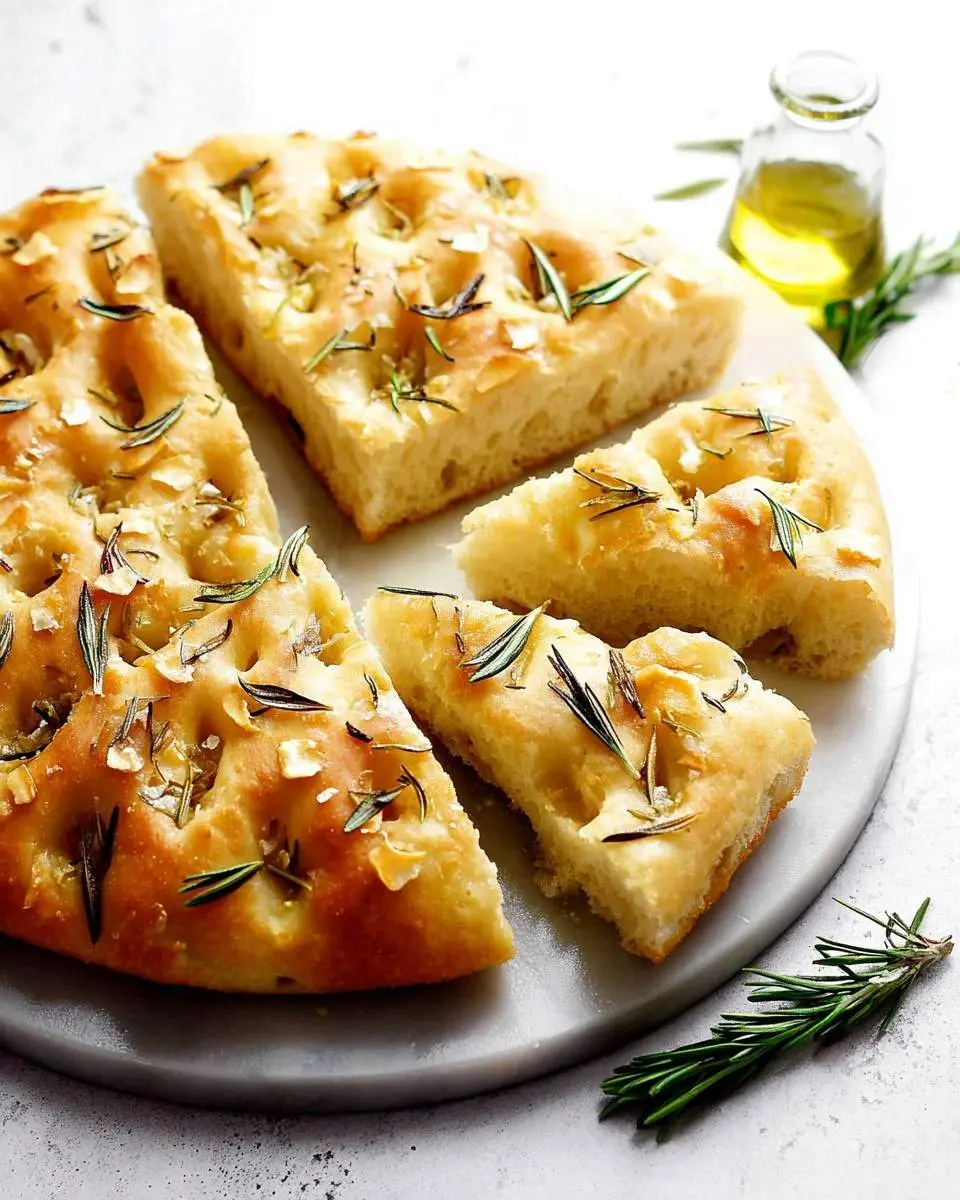
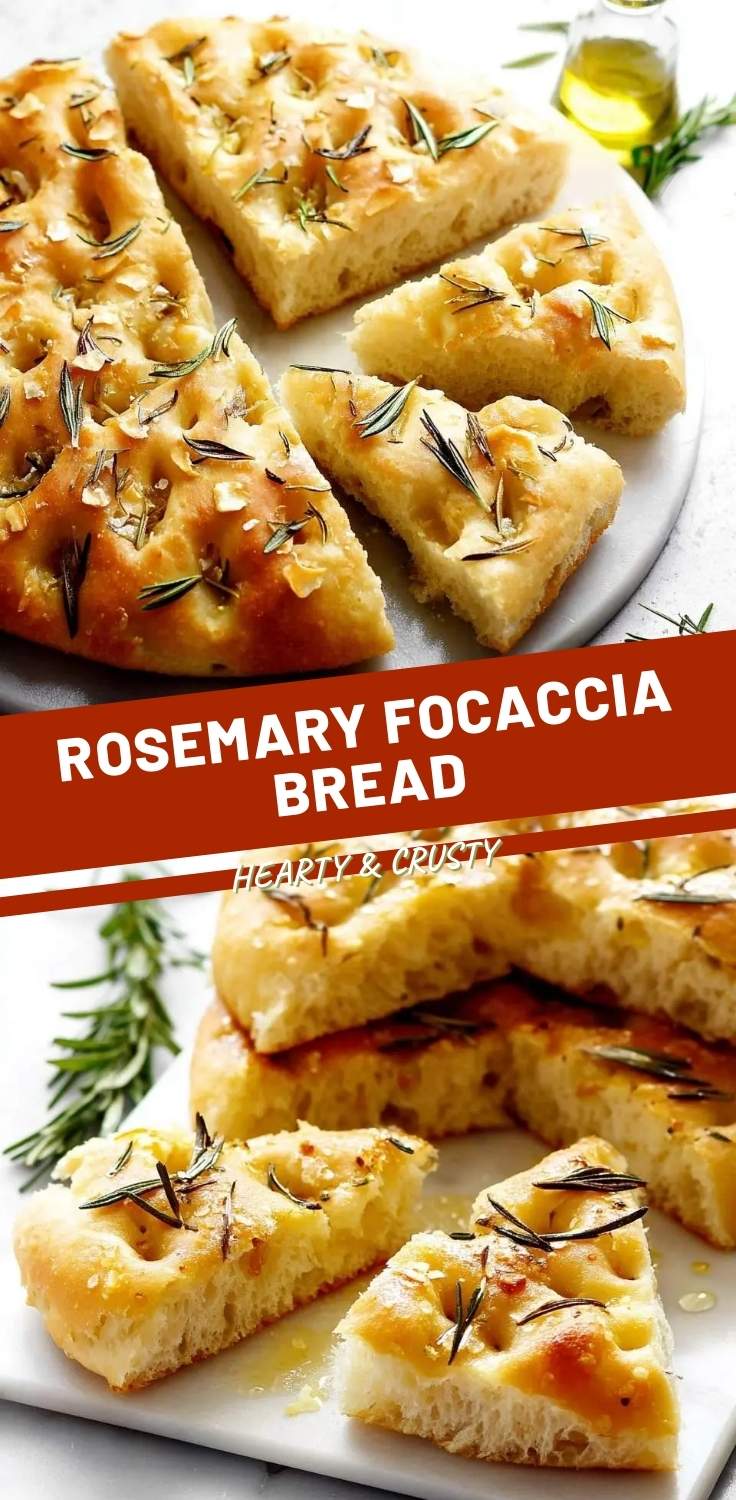
There’s just something truly magical about the aroma of freshly baked bread filling my kitchen. It instantly transports me to my grandmother’s warm kitchen, and few things rival the comforting embrace of a warm slice of Rosemary Focaccia Bread. Its irresistible crispy crust and soft, airy interior, glistening with olive oil and fragrant with herbs, make it an absolute dream. I remember the first time I nailed the perfect Irish soda bread recipe, and the joy was similar, but this focaccia holds a special place in my heart.
Growing up, Sunday afternoons often meant my Nonna kneading dough, humming old Italian tunes. Her passion for baking was infectious, and those moments in her kitchen, covered in flour, are some of my most cherished childhood memories. This focaccia brings back that same feeling of tradition and love.
This recipe is wonderfully forgiving, making it low-stress for even novice bakers, and it yields such a comforting, flavorful side for any meal. My secret for a truly golden crust? A good quality extra virgin olive oil generously drizzled just before baking.
What You Need to Make This Recipe
Crafting this delightful bread requires just a handful of simple ingredients, proving that sometimes the most extraordinary flavors come from the most humble beginnings. I adore how fresh rosemary elevates the entire experience, especially when paired with the rich olive oil, reminiscent of my favorite pumpkin spice monkey bread moments. You’ll find the full list of ingredients and precise measurements in the recipe card below, ready for your kitchen adventure.

How to Make Rosemary Focaccia Bread
Creating this wonderful Rosemary Focaccia Bread involves a simple, step-by-step process that’s incredibly rewarding. We’ll start by bringing the dough together, allowing it to rise twice to develop that beautiful airy texture, then dimple it gently before topping it with aromatic fresh rosemary and flaky sea salt. It’s a rhythmic dance of patience and simple techniques, much like perfecting a classic Italian bread.
Pro Tips for Making This Rosemary Focaccia Bread
Getting that perfect, airy texture and golden crust on your Rosemary Focaccia Bread is easier than you think with a few of my tried-and-true tips. I’ve learned these through years of baking, and they truly make a difference.
- Hydration is Key: Don’t be afraid of sticky dough! Focaccia dough is meant to be quite wet, which contributes to its signature airy crumb. Resist the urge to add too much extra flour during mixing.
- Proofing Patience: Allow your dough ample time to rise in a warm, draft-free spot. Both the first and second rises are crucial for developing flavor and creating those beautiful air pockets.
- My Secret Trick: I always make sure to use a generous amount of high-quality olive oil, not just for the dough but also for liberally coating the pan and drizzling over the top before baking. It creates an unbelievably crispy bottom and a rich, golden finish that elevates every bite of Rosemary Focaccia Bread.
- Dimple, Don’t Destroy: When dimpling the dough before baking, use your fingertips to gently press down, creating indentations without deflating all the precious air. This helps the olive oil and toppings settle beautifully.
How to Store Rosemary Focaccia Bread
If you happen to have any glorious Rosemary Focaccia Bread leftovers, which is a rare occurrence in my house, proper storage is key to keeping it fresh. I always recommend storing it at room temperature in an airtight container or a bread bag for up to 2-3 days. For longer storage, you can freeze individual slices for up to a month. When I want to revive it, I lightly mist it with water and reheat it in a preheated oven at 350°F (175°C) for 5-10 minutes. This brings back that wonderful crisp exterior and soft interior, almost like it’s freshly baked.
Nutritional Benefits
This delicious Rosemary Focaccia Bread offers more than just incredible flavor; it’s also a source of complex carbohydrates, providing sustained energy for your day. Made with olive oil, it contributes healthy monounsaturated fats, fitting perfectly into my family-friendly approach to wholesome, comforting meals.
FAQs
Can I make Rosemary Focaccia Bread ahead of time?
Absolutely! You can prepare the dough the day before and let it do its first rise slowly in the refrigerator overnight. Just remember to bring it to room temperature for about an hour before proceeding with the second rise and baking steps for this delightful Rosemary Focaccia Bread.
What kind of olive oil is best for focaccia?
I always reach for a good quality extra virgin olive oil. Its rich, fruity notes infuse the bread with incredible flavor and contribute to that beautiful golden crust. The better the olive oil, the more flavorful your Rosemary Focaccia Bread will be.
Can I use dried rosemary instead of fresh?
While fresh rosemary provides the most aromatic experience, you can certainly use dried. As a general rule, use about half the amount of dried rosemary compared to fresh, as its flavor is more concentrated in your Rosemary Focaccia Bread.
What are some good serving suggestions for focaccia?
Rosemary Focaccia Bread is incredibly versatile! I love serving it alongside soups or salads, as a base for sandwiches, or simply on its own with a little extra olive oil and balsamic vinegar for dipping. It’s also fantastic with cheese and charcuterie.
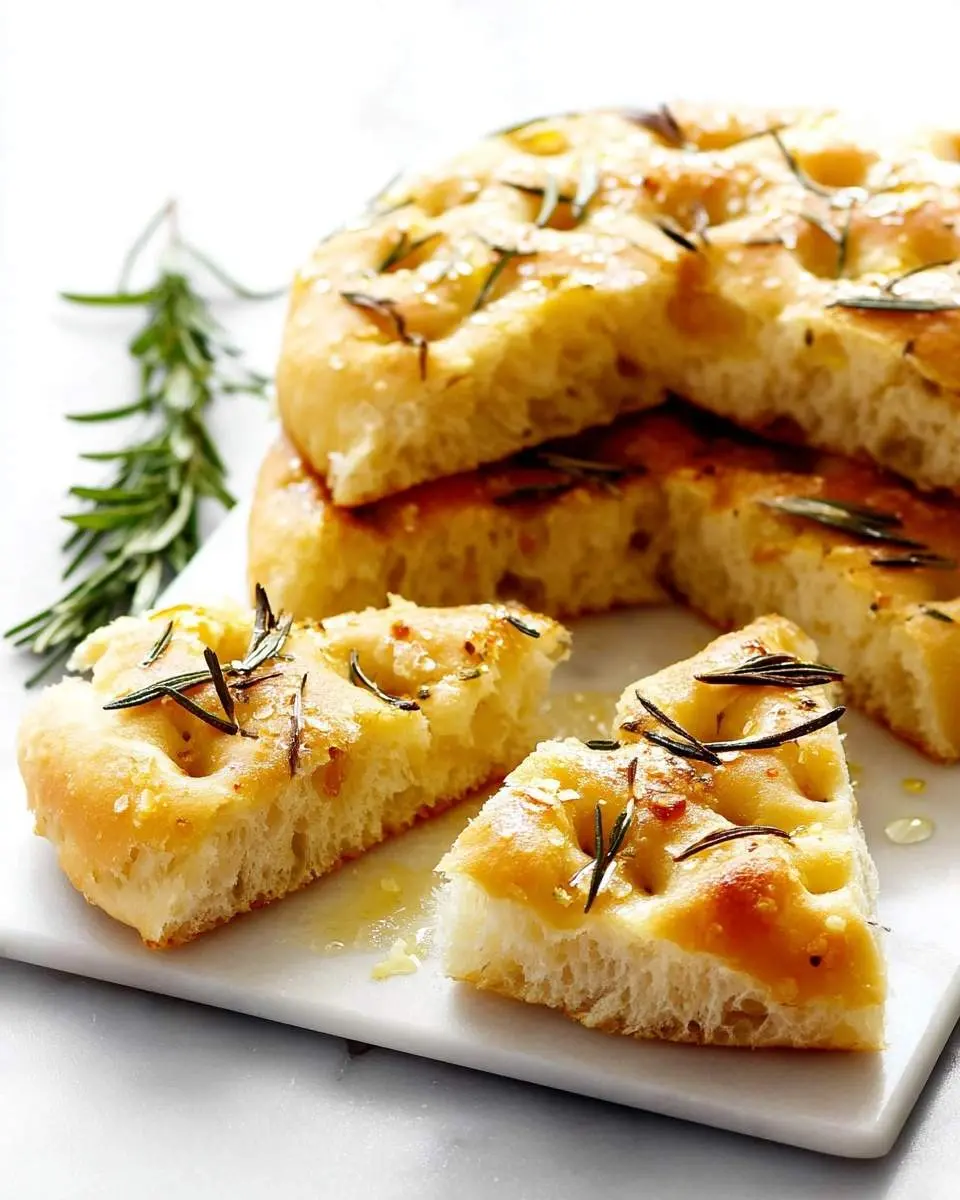

Classic Rosemary Focaccia Bread
Ingredients
Equipment
Method
- In a large mixing bowl, combine the all-purpose flour, instant dry yeast, granulated sugar, and fine sea salt. Whisk these dry ingredients together to ensure they are well combined.
- Add the warm water (105-115°F / 40-46°C) and 3 tablespoons of olive oil to the dry ingredients. Stir with a rubber spatula or a Danish dough whisk until a shaggy, sticky dough forms and no dry streaks of flour remain. Avoid over-kneading at this stage; simply ensure all ingredients are incorporated.
- Cover the bowl tightly with plastic wrap or a damp kitchen towel. Let the dough rise at room temperature for 1.5 to 2 hours, or until it has visibly doubled in size and appears bubbly on the surface.
- Generously drizzle 2-3 tablespoons of olive oil into a 9x13 inch baking pan, ensuring the entire bottom and sides are coated.
- Gently pour or scrape the risen dough into the prepared baking pan. Using well-oiled hands, carefully stretch and pat the dough to fill the pan. If the dough resists stretching, let it rest for 5-10 minutes to relax the gluten, then try again. Do your best not to deflate the dough too much.
- Cover the pan loosely with plastic wrap or a clean kitchen towel and let it undergo its second rise for another 30-45 minutes, or until the dough looks visibly puffy and airy.
- While the dough is on its second rise, preheat your oven to 425°F (220°C).
- Once the dough has completed its second rise, uncover it. Drizzle an additional 2 tablespoons of olive oil generously over the entire surface of the dough.
- Using your fingertips, gently but firmly press dimples all over the dough, pushing down to the bottom of the pan. This creates pockets for the olive oil and gives focaccia its characteristic texture.
- Evenly sprinkle the chopped fresh rosemary and flaky sea salt over the dimpled dough.
- Place the pan in the preheated oven and bake for 20-25 minutes, or until the focaccia is beautifully golden brown on top and the bottom crust is firm and golden when checked.
- Carefully remove the focaccia from the oven. Let it cool in the pan for a few minutes, then transfer it to a wire rack to cool completely before slicing and serving. Cooling on a wire rack helps prevent the bottom from becoming soggy.
Notes
Conclusion
Baking this Rosemary Focaccia Bread is truly a joyful experience, transforming simple ingredients into something truly extraordinary. It’s a wonderful way to bring warmth and comfort into your home, whether you’re gathering with family or simply enjoying a quiet moment with a freshly baked slice. I hope you’ll try this recipe and discover the simple pleasure of creating such a delicious French bread-like artisan bread from your own kitchen.