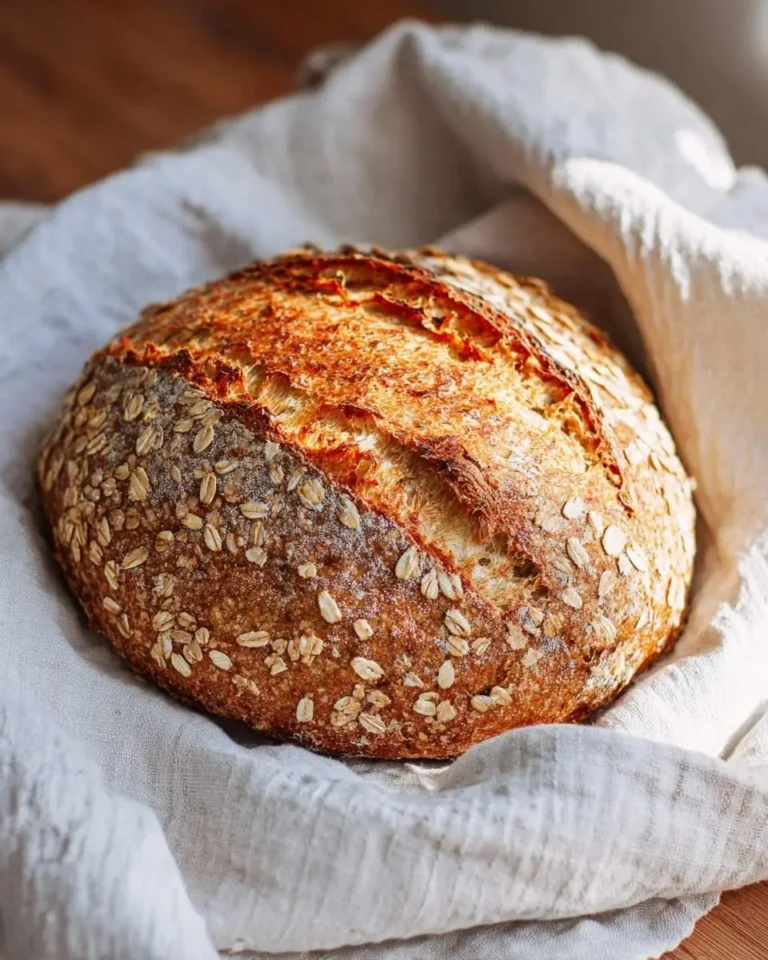
Italian bread
There’s a special kind of magic that happens when a fresh loaf of Italian bread emerges from the oven, filling my kitchen with an aroma that instantly transports me back to my grandmother’s house. That incredible crispy crust giving way to a soft, airy interior—it’s pure comfort, perfect for soaking up olive oil or serving alongside a hearty stew. It’s truly a contender for my favorite alongside a classic French bread.
I remember baking with my nonna as a child, her hands dusted with flour, teaching me the patient art of working dough. Those early lessons instilled in me a deep love for creating simple, wholesome food that brings people together.
This recipe for classic Italian bread is not just about making a delicious loaf; it’s about that joy of creation. It’s surprisingly low-stress and incredibly rewarding. My secret for a great start? Always make sure your warm water is just right for activating the yeast!
What You Need to Make This Recipe
Crafting this Italian bread is a simple pleasure, relying on just a few pantry staples. We’re talking about humble all-purpose flour, active dry yeast to give it that beautiful rise, and a touch of olive oil for flavor and tenderness. Each ingredient plays a crucial role in achieving that perfect texture, a far cry from my blueberry zucchini bread but equally satisfying. You’ll find the full list of ingredients and precise measurements in the recipe card below.

How to Make Italian bread
Making this classic Italian bread is a wonderfully rhythmic process that I find incredibly meditative. It starts with preparing the dough, giving the yeast time to awaken and work its magic. Then comes the crucial first rise, where the dough doubles in size, developing its flavor. After that, we gently shape it and allow for a second rise, leading to a beautifully airy texture. Finally, it’s off to the oven for that golden, crusty finish. It’s a journey from simple ingredients to a perfect loaf, a process I cherish as much as making a rustic pumpernickel bread.
Pro Tips for Making This Italian bread
Over the years, I’ve gathered a few tricks up my sleeve to ensure every loaf of Italian bread I bake turns out just right. These little nuances can make all the difference, transforming a good loaf into a truly exceptional one.
Perfecting the Dough
Always pay attention to the consistency of your dough. It should be soft and slightly tacky, but not overly sticky. If it feels too wet, add a tiny bit more flour, a teaspoon at a time. Too dry? A splash of warm water will help. Don’t be afraid to adjust; every batch of flour can be a little different!
Achieving the Ideal Rise
Patience is truly a virtue when it comes to bread making. Don’t rush the rising times. A warm, draft-free spot is ideal for your Italian bread dough to proof properly. I often use my oven with just the light on to create a cozy environment. A slow, steady rise builds better flavor and texture.
My Secret Trick: For that incredibly crispy crust on your Italian bread, I always start baking at a high temperature (around 450°F or 230°C) for the first 10-15 minutes, often with a tray of water at the bottom of the oven to create steam. This initial blast of heat helps create a beautifully browned and crackly exterior.

How to Store Italian bread
Once you’ve baked your beautiful Italian bread, keeping it fresh is key to enjoying it longer. I always recommend letting it cool completely before storing to prevent it from getting soggy. For short-term storage, up to two days, I keep my Italian bread at room temperature in a paper bag to maintain its crispy crust, or in an airtight container if you prefer a softer texture. For longer storage, this bread freezes beautifully. Slice it first, then wrap the slices tightly in plastic wrap and foil before popping them into the freezer for up to a month. When I want to enjoy a slice, I simply reheat it gently in the oven to revive that amazing crust and soft interior—it truly brings it back to life!
Nutritional Benefits
This classic Italian bread, made with simple ingredients, offers more than just comfort; it’s a good source of energy from carbohydrates, providing fuel for your day. Depending on the flour used, it can also contribute some dietary fiber, making it a wholesome addition to any family meal. It’s a testament to how traditional baking can be both delicious and nourishing.
FAQs
How do I get a really crusty Italian bread?
To achieve a wonderfully crispy crust on your Italian bread, bake it in a very hot oven. Many bakers, myself included, use a pan of hot water in the bottom of the oven during the initial baking phase to create steam. This steam helps the crust develop a beautiful, crackly texture.
Can I use a stand mixer for this Italian bread recipe?
Absolutely! Using a stand mixer with a dough hook can make the kneading process much easier for your Italian bread. Just be sure to mix until the dough is smooth and elastic, adding a little more flour or water as needed to reach the right consistency.
What’s the best way to serve Italian bread?
Italian bread is incredibly versatile. I love serving it simply with a good quality olive oil for dipping, or alongside pasta dishes, soups, and stews. It’s also fantastic for making bruschetta or hearty sandwiches. Its neutral flavor complements so many dishes.
How long does homemade Italian bread last?
Homemade Italian bread is best enjoyed within 1-2 days at room temperature when stored properly. If you want to keep it longer, I recommend slicing and freezing it. Reheating from frozen brings back a lot of its fresh qualities, making it feel like it was just baked.


Classic Crusty Italian Bread
Ingredients
Equipment
Method
- In a large mixing bowl, combine the warm water (105-115°F), granulated sugar, and active dry yeast. Stir gently and let it sit for 5-10 minutes, until foamy. This indicates the yeast is active.
- In a separate medium bowl, whisk together the all-purpose flour and salt.
- Add about half of the flour mixture to the activated yeast mixture. Stir with a wooden spoon until just combined. Gradually add the remaining flour, mixing until a shaggy dough forms.
- Turn the dough out onto a lightly floured surface. Knead for 8-10 minutes until the dough is smooth, elastic, and no longer sticky. (Alternatively, if using a stand mixer, attach the dough hook and knead on low speed for 6-8 minutes until the dough pulls away from the sides of the bowl and is smooth and elastic).
- Lightly grease a clean large bowl with olive oil. Transfer the dough to the greased bowl, turning once to coat. Cover the bowl with a clean kitchen towel or plastic wrap. Let rise in a warm, draft-free place for 1 to 1 1/2 hours, or until doubled in size.
- Gently punch down the risen dough to release the air. Turn the dough out onto a lightly floured surface. Shape the dough into an elongated oval or a traditional Italian loaf shape.
- Line a baking sheet with parchment paper. Carefully transfer the shaped loaf to the prepared baking sheet. Cover loosely with a clean kitchen towel. Let rise in a warm place for another 30-45 minutes, or until noticeably puffy.
- About 20 minutes before baking, preheat your oven to 450°F (230°C). Place an empty, oven-safe pan (like a cast iron skillet or broiler pan) on the bottom rack of the oven.
- Just before baking, use a sharp knife or bread lame to make 3-4 diagonal slashes about 1/2 inch deep across the top of the loaf. Carefully pour about 1 cup of hot water into the empty pan on the bottom rack (this will create steam for a crusty exterior). Immediately place the baking sheet with the bread into the oven.
- Bake for 15 minutes at 450°F (230°C). After 15 minutes, reduce the oven temperature to 400°F (200°C) and carefully remove the steam pan (it will be very hot). Continue to bake for another 20-25 minutes, or until the crust is deeply golden brown and the internal temperature reaches 200-210°F (93-99°C).
- Transfer the baked bread to a wire rack to cool completely before slicing (at least 30-60 minutes). This allows the internal structure to set.
Notes
Conclusion
There’s truly nothing quite like the satisfaction of pulling a warm, golden loaf of homemade Italian bread from your own oven. This recipe, a staple in my kitchen, consistently delivers that perfect harmony of a shatteringly crisp crust and a wonderfully soft, tender interior. It’s a comforting, practical bake that brings so much joy to any meal. I encourage you to try your hand at this recipe; you might even find it as easy and satisfying as my 3-ingredient avocado bread. It’s more than just food; it’s a little piece of home.