Vegan Matcha Bread
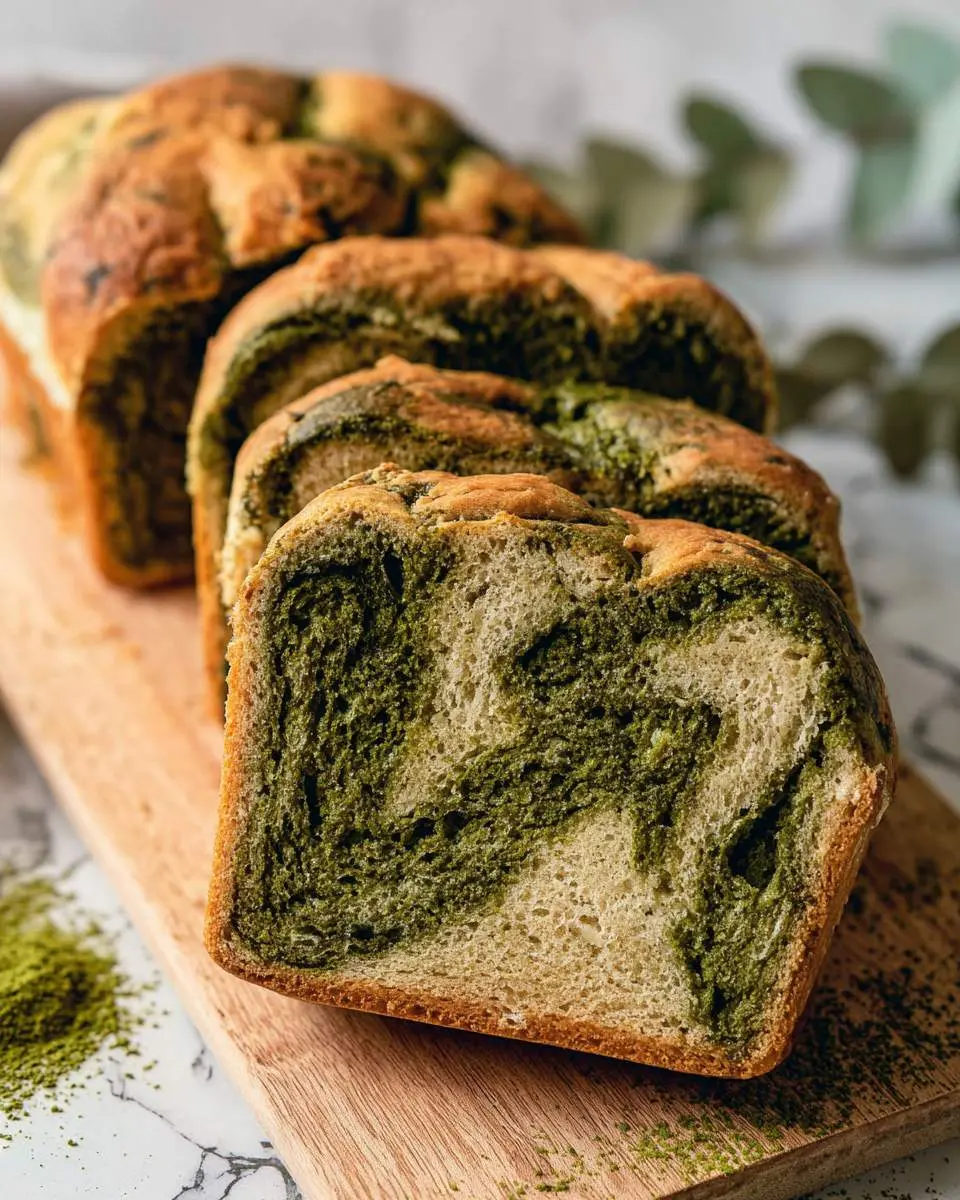
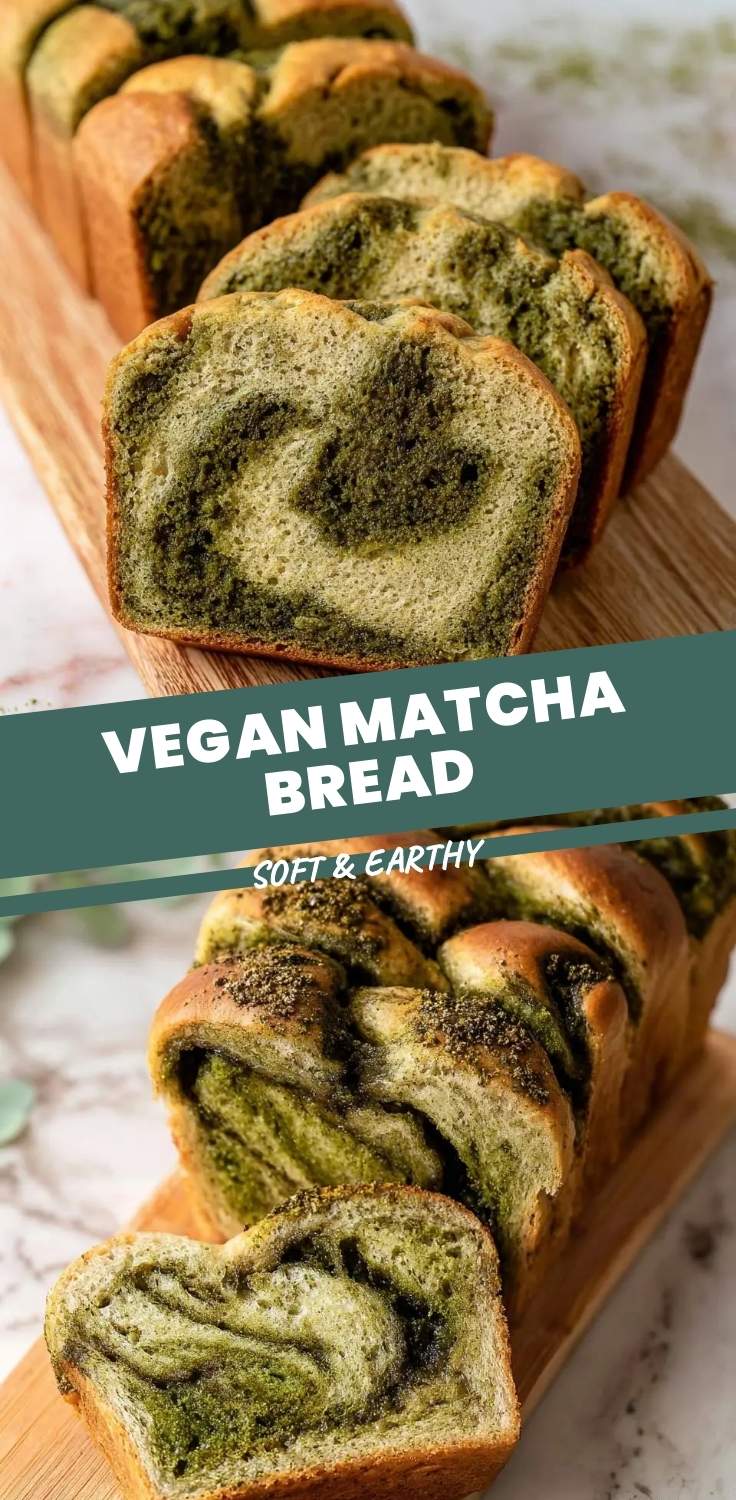
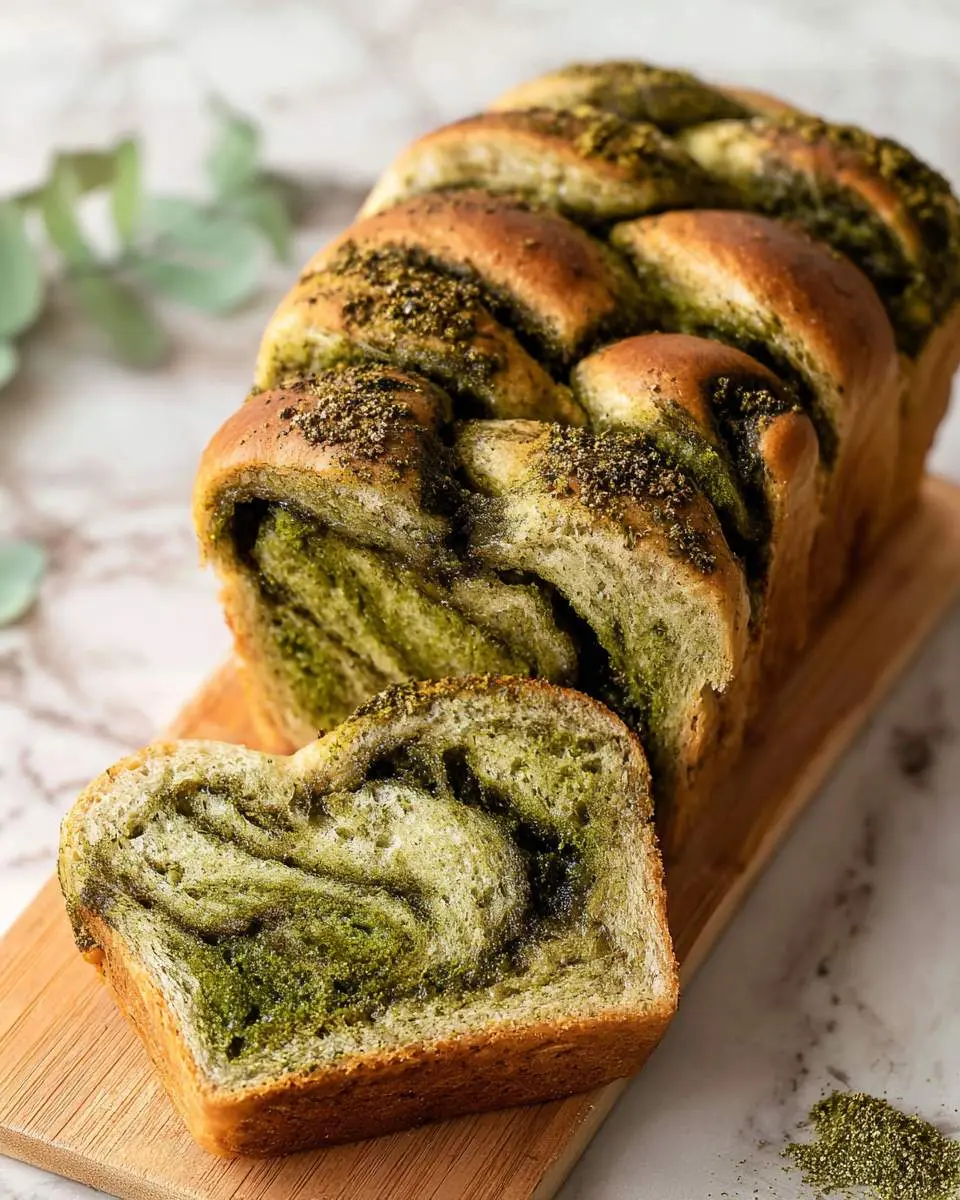
The first time I pulled a loaf of vegan matcha bread from my oven, the kitchen filled with this impossible color — somewhere between spring grass and sea glass — and I just stood there staring. I had expected something muted, maybe a little sad-looking like so many health-forward bakes turn out. Instead I got this vibrant, crackle-topped beauty that made my morning coffee feel like a ceremony.
My grandmother used to bake green tea cookies for New Year’s, and I always thought that earthy-bitter edge was something you had to grow into. But this bread changed my mind entirely. The matcha here doesn’t shout; it hums, weaving through each slice with a quiet confidence that feels both ancient and completely new.
I’ve been on a real plant-based baking kick lately after falling hard for this hearty Mediterranean rice and beans that taught me how satisfying meatless cooking can be. This loaf felt like the natural next step — something to slice thick and eat slowly.
What You Need to Make This Recipe
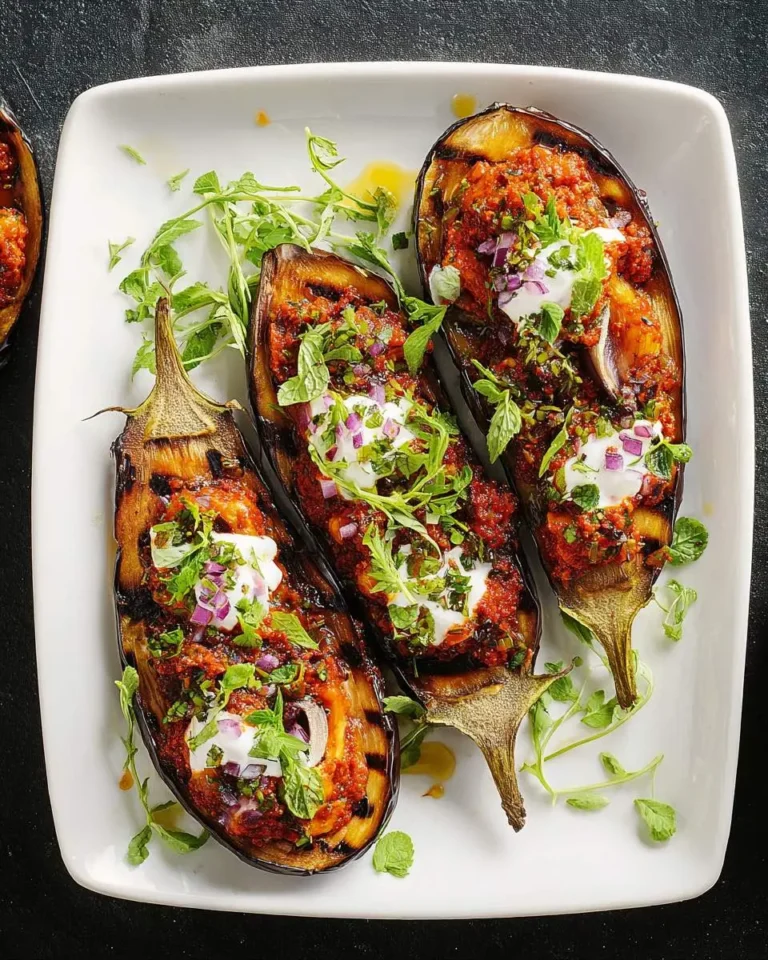
The matcha powder is everything here, and I mean splurge on the good stuff from a Japanese market if you can. That bright, almost spinachy quality in ceremonial grade matcha transforms this from “green bread” into something you actually crave. I use oat milk for its subtle sweetness and body — almond milk makes the crumb too tight, in my experience. A touch of apple cider vinegar activates the baking soda and gives vegan matcha bread that elusive lift without eggs. For the fat, I reach for melted coconut oil rather than butter substitutes; it keeps the crumb tender without that waxy aftertaste some vegan spreads leave behind. If you’re building a plant-based pantry, I learned a lot about balancing flavors from this grilled eggplant with harissa that relies on bold, clean ingredients.
How to Make Vegan Matcha Bread
I start by sifting the matcha with my dry ingredients — this step matters more than you’d think, since matcha loves to clump into bitter little pockets. The wet ingredients get whisked until the oat milk curdles slightly from the vinegar, that familiar separation that tells you the chemistry is working. When I fold everything together, the batter turns this mesmerizing jade color, thick and almost pudding-like. Into the oven it goes, and here’s where patience becomes its own ingredient. The smell shifts around minute thirty-five, from raw flour to something nutty and toasted with that distinctive green tea backbone. I watch for the crack across the top — that’s my signal. A wooden skewer should emerge with just a few moist crumbs clinging, never wet batter. The hardest part is the wait; this loaf needs a full hour to cool before slicing, or you’ll lose that tender structure. I’ve been experimenting with handheld vegan bakes too, like these vegan pizza rolls that taught me how vegan dough behaves differently than its eggy cousins.
Pro Tips
Don’t overmix once the wet hits the dry. Vegan batters are more fragile without egg proteins to provide structure, and overworking develops gluten that turns your tender crumb tough and gummy. I fold just until I stop seeing dry flour streaks.
Cover loosely with foil after twenty-five minutes. That vivid green surface browns fast, and nobody wants a burnt-tasting loaf. The foil traps enough heat to finish baking without sacrificing that gorgeous color you worked for.
Let it cool completely upside down. I learned this the hard way — the crumb sets more evenly, and you avoid that dense, sunken bottom that plagues so many vegan quick breads.
My Secret Trick: I rub the matcha powder through a fine mesh strainer directly into my measuring cup, then again into the bowl. Double-sifting eliminates every lump and distributes that earthy flavor so no bite is too bitter or too bland.
How to Store Vegan Matcha Bread
- Room temperature: Wrap tightly in beeswax wrap or store in an airtight container for up to 3 days; the matcha flavor actually deepens on day two
- Refrigerator: Not recommended — the cold dries out the crumb and dulls that vibrant color
- Freezer: Slice completely cooled loaf, wrap individual pieces in parchment then foil, and freeze up to 2 months; thaw overnight on the counter
- Reheating: Warm slices in a 300°F oven for 5 minutes or toast lightly — the edges get beautifully crisp while the center stays moist
Nutritional Benefits
This vegan matcha bread carries more than just good looks. The matcha itself delivers a concentrated dose of L-theanine, that amino acid famous for calm, focused energy without the coffee jitters. I notice the difference on mornings when I swap my usual toast for this — there’s a steadiness to my focus that feels earned rather than borrowed. The oat milk contributes beta-glucan fiber, which keeps me satisfied longer than refined flour bakes ever manage.
FAQs
Can I use culinary grade matcha instead of ceremonial?
Ceremonial grade gives the brightest color and smoothest flavor, but culinary works in a pinch. Expect a slightly more bitter, astringent loaf with less vivid green — still delicious, just more rustic.
Why did my vegan matcha bread turn out dense and gummy?
Almost always overmixing. Without eggs, you have no protein network to forgive aggressive stirring. Fold gently and stop early — a few flour streaks disappear during baking.
Can I substitute the coconut oil?
Refined avocado oil works beautifully and adds no flavor. Avoid unrefined coconut oil unless you want that tropical note competing with the matcha.
How do I know when it’s fully baked?
The crack across the top should look dry, not shiny, and a skewer inserted at the deepest point emerges with moist crumbs but no wet batter. The internal temperature reaches 200°F if you’re precise.

Vegan Matcha Bread
Ingredients
Equipment
Method
- Preheat oven to 350F. Grease a 9x5-inch loaf pan with coconut oil and line the bottom with parchment paper for easy release.
- In a large bowl, whisk together the flour, matcha powder, baking powder, baking soda, and salt until the matcha is evenly distributed and no streaks remain.
- In a separate bowl, whisk the melted coconut oil and sugar until combined. Add the oat milk, apple cider vinegar, and vanilla, whisking until smooth. The mixture may look slightly curdled from the vinegar - this is normal.
- Pour the wet ingredients into the dry ingredients. Stir with a rubber spatula until just combined and no dry flour remains. Do not overmix - a few small lumps are fine. The batter will be thick and vibrant green.
- Transfer batter to the prepared pan and smooth the top. Bake 50-55 minutes, until a toothpick inserted in the center comes out clean and the top springs back when lightly pressed. The loaf should be domed with a slight crack down the middle.
- Cool in the pan for 15 minutes, then turn out onto a wire rack to cool completely before slicing. The bread slices cleanest when fully cooled.
Notes
Conclusion
This vegan matcha bread has become my quiet weekend ritual — the sifting, the waiting, that first slice still slightly warm. If you’re building confidence with plant-based baking, start here. And when you’re ready for something savory, these zucchini fritters reward that same patience with crispy, golden edges. Bake slowly, eat slowly, repeat.