Grilled Swordfish
The first time I smelled swordfish hitting a hot grill, I was standing on my cousin’s dock in Cape Cod, watching the sunset bleed pink across the water. That charred, briny aroma wrapped around me like a familiar blanket, and I knew I had to learn how to make grilled swordfish at home. There’s something almost primal about cooking a steak of the sea over open flame.
My uncle Frank used to bring home these thick, ivory slabs from the morning catch, still cold from the ocean. He’d brush them with nothing but olive oil and lemon, then stand guard over the grill like it was sacred territory. I thought he was obsessive until I tasted that first bite—meaty, clean, with just enough resistance to remind you this was something wild.
Now I make this whenever I need to feel close to that dock, that family, that particular golden hour. If you’re building a collection of seafood favorites, my low-carb salmon patties have become another weeknight staple around here.
What You Need to Make This Recipe
The swordfish itself matters most—look for steaks cut at least one inch thick, with creamy white flesh and no browning around the edges. I learned the hard way that thin pieces turn rubbery before the center cooks through. Good olive oil carries the smoke and keeps the fish from sticking to the grates, and fresh lemon juice at the end does something magical to the natural oils in grilled swordfish. If you’re feeling indulgent, a side of grilled lobster tail turns this into proper celebration food.
How to Make Grilled Swordfish
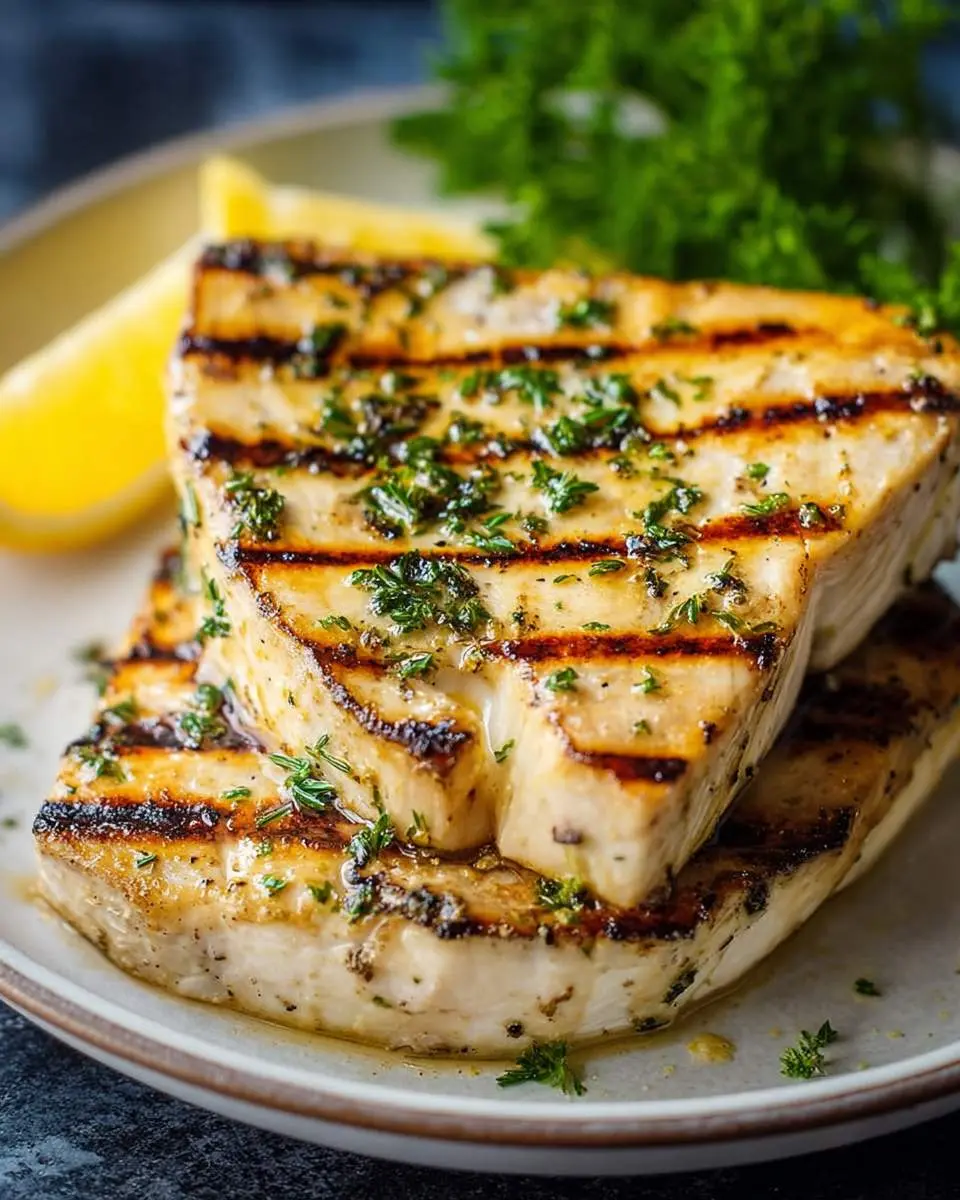
I start by pulling the steaks from the fridge a solid twenty minutes before cooking—cold fish on a hot grill seizes up and cooks unevenly. While they rest, I fire up the grill to screaming hot, then scrape and oil the grates until they shine. The oil sizzles when it hits, singing that everything-is-right song.
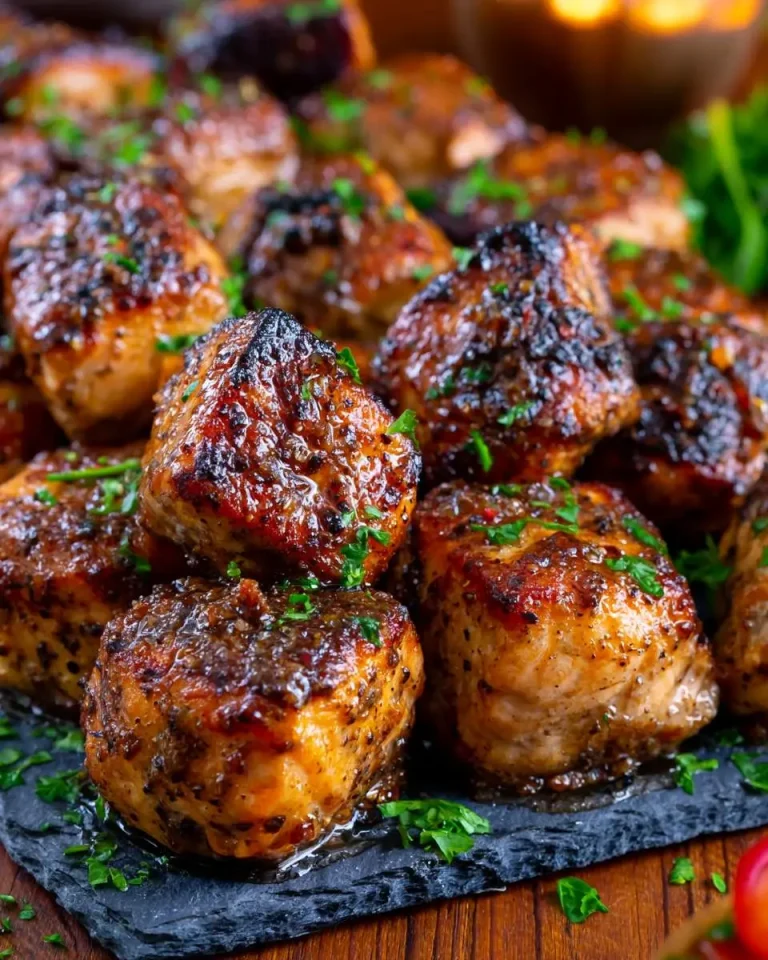
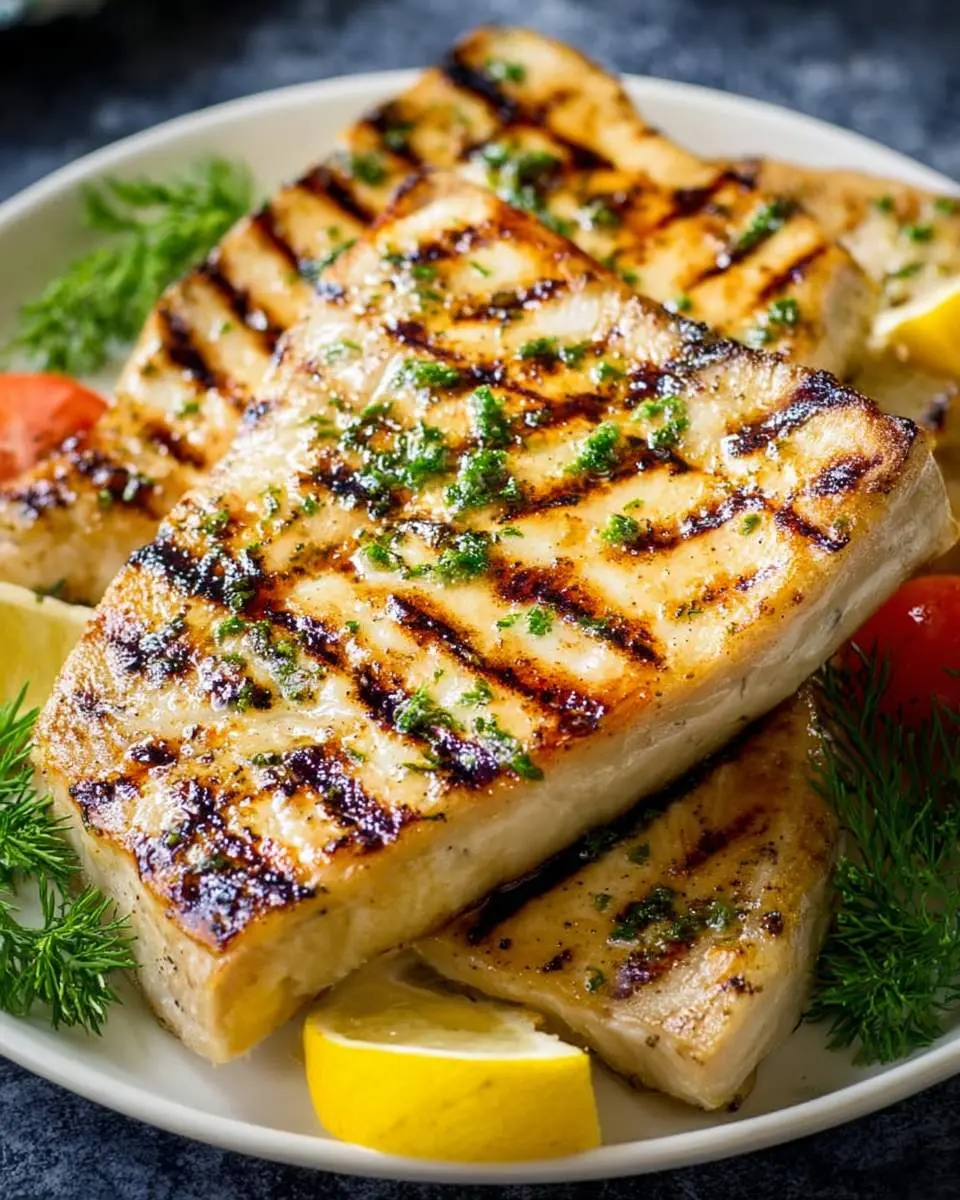
The steaks go down with a satisfying hiss, and I don’t touch them for a full four minutes. That undisturbed contact builds the char that makes this worth doing outside. When I flip, the grill marks have caramelized into something almost sweet-smelling, and the flesh has turned from translucent to opaque about halfway up the side. Another three to four minutes, depending on thickness, and I’m pulling them just before they feel completely firm—carryover heat will finish the job while they rest. The whole house smells like summer. For a tropical twist when I’m feeling nostalgic for vacation, I sometimes serve this with grilled mahi mahi with pineapple salsa vibes on the side.
Pro Tips
Dry the surface obsessively. I pat the steaks with paper towels until they feel almost tacky, then let them air-dry on a rack for ten minutes. Moisture is the enemy of that gorgeous crust—you’re essentially steaming the fish if the surface is wet.
Score the skin side in a crosshatch pattern. Swordfish skin can contract and curl on the grill, lifting the flesh away from the heat. A sharp knife through the skin, not deep into the meat, keeps everything flat and cooking evenly.
Rest it longer than you think. Five full minutes under loose foil lets the juices redistribute and the center finish gently. Cutting too early floods the plate with flavorful moisture that should have stayed in the bite.
My Secret Trick: I save the lemon zest before juicing, mix it with flaky sea salt and a pinch of smoked paprika, then sprinkle this over the steaks right as they come off the grill. The heat blooms the oils in the zest, and you get these bright, smoky, salty bursts in every bite that makes grilled swordfish taste like it came from a restaurant with a view.
How to Store Grilled Swordfish
- Refrigerate in an airtight container within two hours of cooking; keeps for up to 3 days at 40°F or below
- Wrap individual steaks tightly in plastic wrap, then foil, before freezing; freeze up to 2 months at 0°F
- Thaw overnight in the refrigerator, never on the counter
- Reheat gently in a 275°F oven covered with foil until just warmed through, about 10-12 minutes; avoid microwave which toughens the texture
Nutritional Benefits
This is the kind of meal that leaves me satisfied without heaviness, and there’s real science behind that feeling. Grilled swordfish delivers serious protein—about 20 grams per 3-ounce serving—along with selenium and vitamin D that my body actually absorbs better from whole food than supplements. The olive oil I brush on brings heart-healthy monounsaturated fats, and keeping the cooking method simple means none of those nutrients get drowned in heavy sauces or breading.
FAQs
How do I know when swordfish is done without drying it out?
Press the center gently with your finger—it should feel firm but still have slight give, like the pad of your palm. The flesh will flake with gentle pressure from a fork, and the color turns from translucent to opaque white throughout.
Can I use frozen swordfish steaks for this recipe?
Absolutely, just thaw them completely in the refrigerator overnight. Pat them extremely dry before grilling, as frozen fish often retains more moisture and won’t sear properly without aggressive drying.
What happens if I don’t have an outdoor grill?
A ripping hot cast-iron skillet or grill pan on your stovetop works beautifully. Get it smoking, use a high smoke-point oil, and don’t crowd the pan. You sacrifice some of that outdoor flavor but gain incredible crust.
Why does my swordfish sometimes taste fishy?
Fresh swordfish should smell like clean ocean, not low tide. That fishy flavor comes from age—buy from a trusted source, cook within a day or two, and if you detect ammonia or strong odor, don’t risk it. Quality matters enormously here.

Grilled Swordfish
Ingredients
Equipment
Method
- In a small bowl, whisk together 2 tablespoons olive oil, lemon juice, garlic, oregano, salt, and pepper. Pat swordfish completely dry with paper towels, then place in a shallow dish and pour marinade over, turning to coat. Let sit at room temperature for 15 minutes while you heat the grill.
- Heat grill to medium-high (400-450 degrees F). Clean grates thoroughly, then oil generously with remaining 1 tablespoon olive oil using tongs and a folded paper towel.
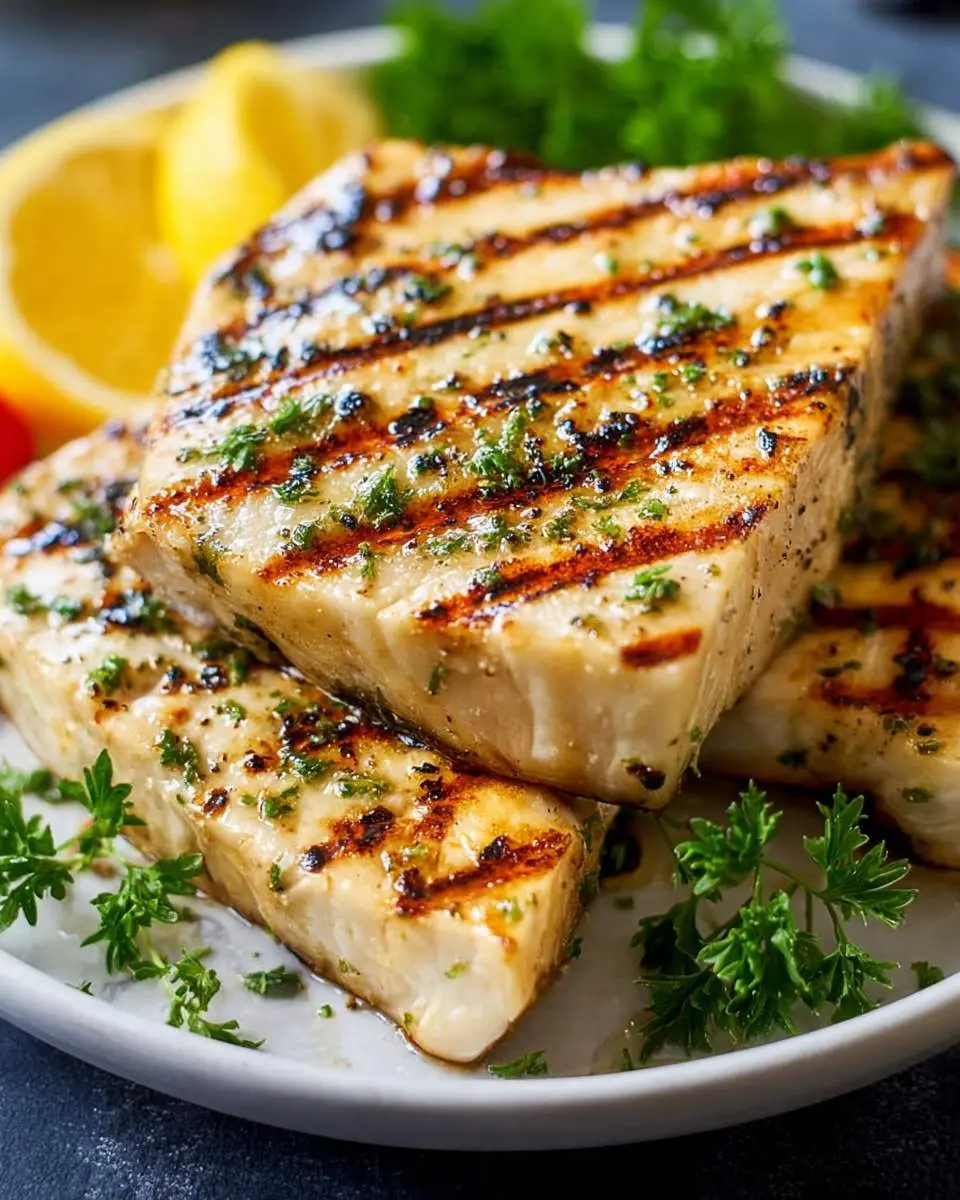
- Remove fish from marinade, letting excess drip off. Place on grill and cook without moving for 4-5 minutes until release is easy and grill marks are dark. Flip and grill 3-4 minutes more until center is just opaque and registers 130 degrees F on an instant-read thermometer. The fish will continue cooking off heat; do not overcook or it will dry out.
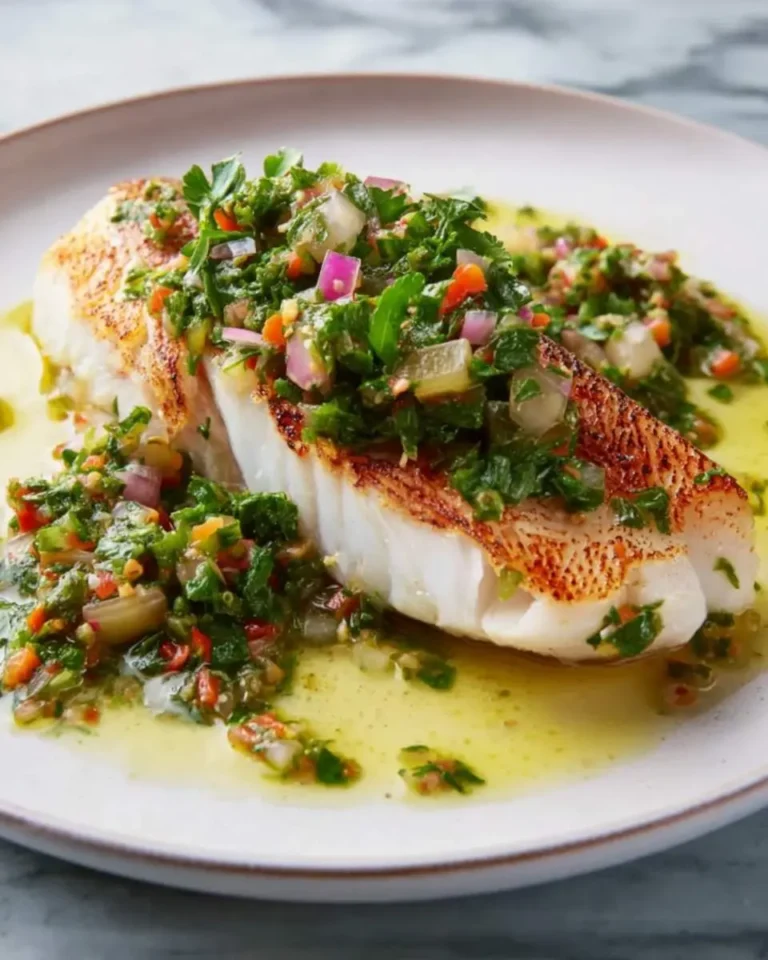
- While fish rests, combine olives, parsley, lemon zest, remaining 1 tablespoon olive oil, and red pepper flakes if using. Spoon over warm swordfish steaks and serve immediately.
Notes
Conclusion
There’s a reason I keep coming back to this method, summer after summer. Grilled swordfish asks so little of you and gives back something that tastes like effort and expertise, even when you’re just learning. Fire up your grill, call someone you love to the table, and make the memory your own. And when shrimp season hits, my lemon herb grilled shrimp carries that same spirit in a different form.