carrot and ginger soup
The first time I made carrot and ginger soup, I was nursing a cold and desperate for something that didn’t taste like medicine. I stood at my stove, grating fresh ginger until my fingers smelled like a spice market, and suddenly my kitchen filled with this bright, almost electric warmth that made me forget I was sick.
My grandmother used to make something similar when I was small, though hers was thinner and more orange from too much turmeric. I remember holding the bowl with both hands, feeling the heat seep into my palms. This version is creamier, more sophisticated, but it still gives me that same comfort.
What I love most is how it transforms humble carrots into something elegant enough for guests. If you’re looking for another cozy soup to add to your rotation, my crockpot butternut squash soup has that same slow-simmered magic.
What You Need to Make This Recipe
The carrots matter more than you’d think. I buy the bunch with greens still attached because they taste sweeter, more alive. Fresh ginger is non-negotiable here — the powdered stuff belongs in cookies, not this soup. It gives that gentle heat that builds in your throat, not your tongue. A good vegetable stock forms the backbone, and I always finish with a splash of coconut milk that turns everything silky and rounds out the spice. For another soup that knows how to handle bold flavors, try my cheesy beef enchilada soup.
How to Make carrot and ginger soup
I start by sweating onions in butter until they’re soft and translucent, not browned. The ginger goes in next, and the moment it hits the warm fat, your kitchen transforms. That smell — sharp, floral, almost citrusy — is how I know something good is coming. The carrots follow, and I let them soften slightly before adding the stock.
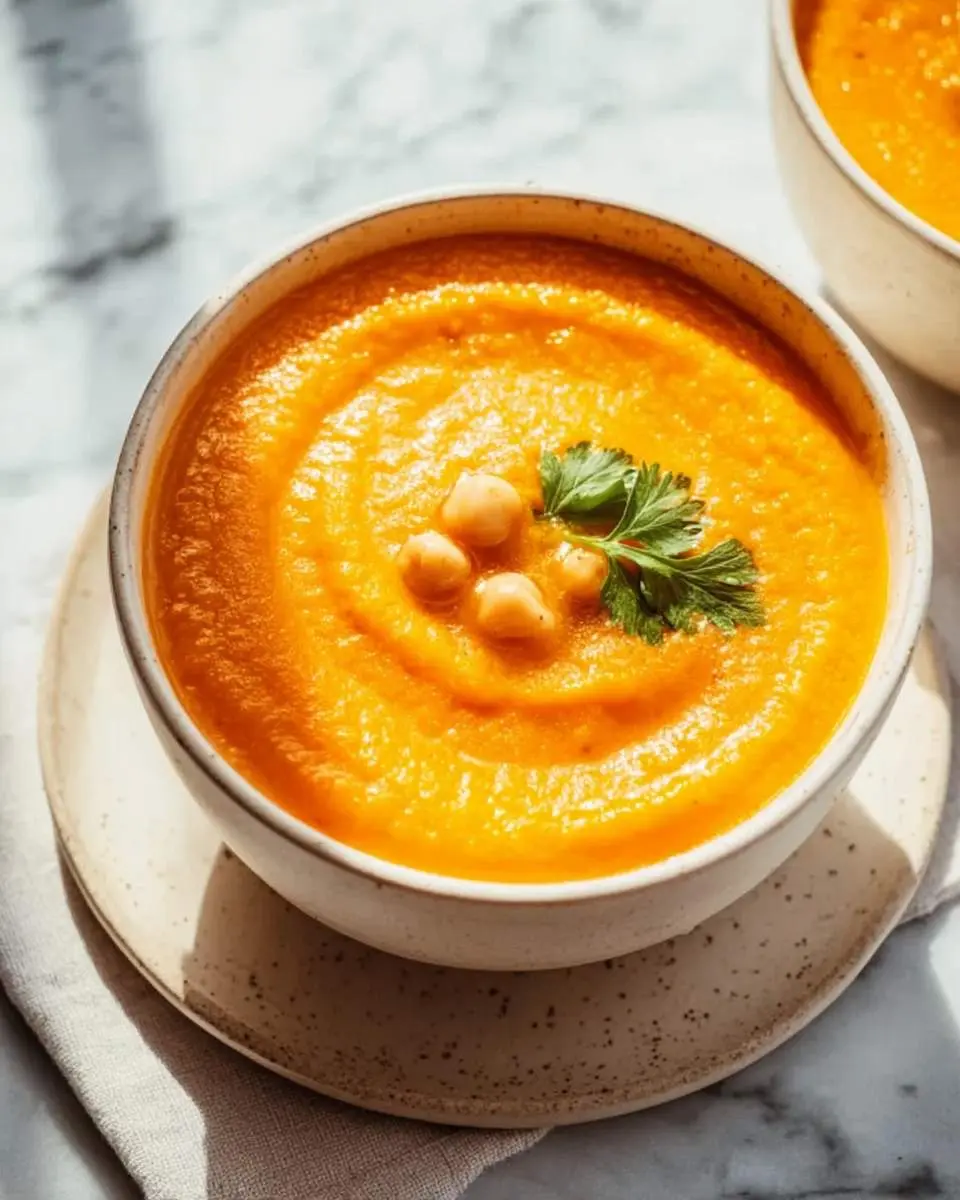
Everything simmers until the carrots yield completely to a fork, about twenty minutes. The blending is where the magic happens. I use an immersion blender right in the pot, watching the color shift from pale orange to this deep, saturated sunset. The coconut milk gets stirred in last, off the heat, so it doesn’t separate. If you enjoy building layers of flavor like this, my coconut curry ramen uses a similar technique.
Pro Tips
Grate your ginger on a microplane. It creates a paste that dissolves completely into the soup, giving you pure flavor without fibrous bits catching in your teeth.
Don’t rush the initial sauté. Those five minutes of gentle cooking wake up the ginger’s essential oils. Rush it, and the soup tastes flat and one-dimensional.
Blend longer than you think. Two full minutes of blending creates that restaurant-smooth texture. Stop too early, and you’ll have a slightly grainy finish that no amount of cream can fix.
My Secret Trick: I save a tablespoon of the raw grated ginger and stir it in after blending. That fresh hit of heat at the end makes the whole bowl taste alive.
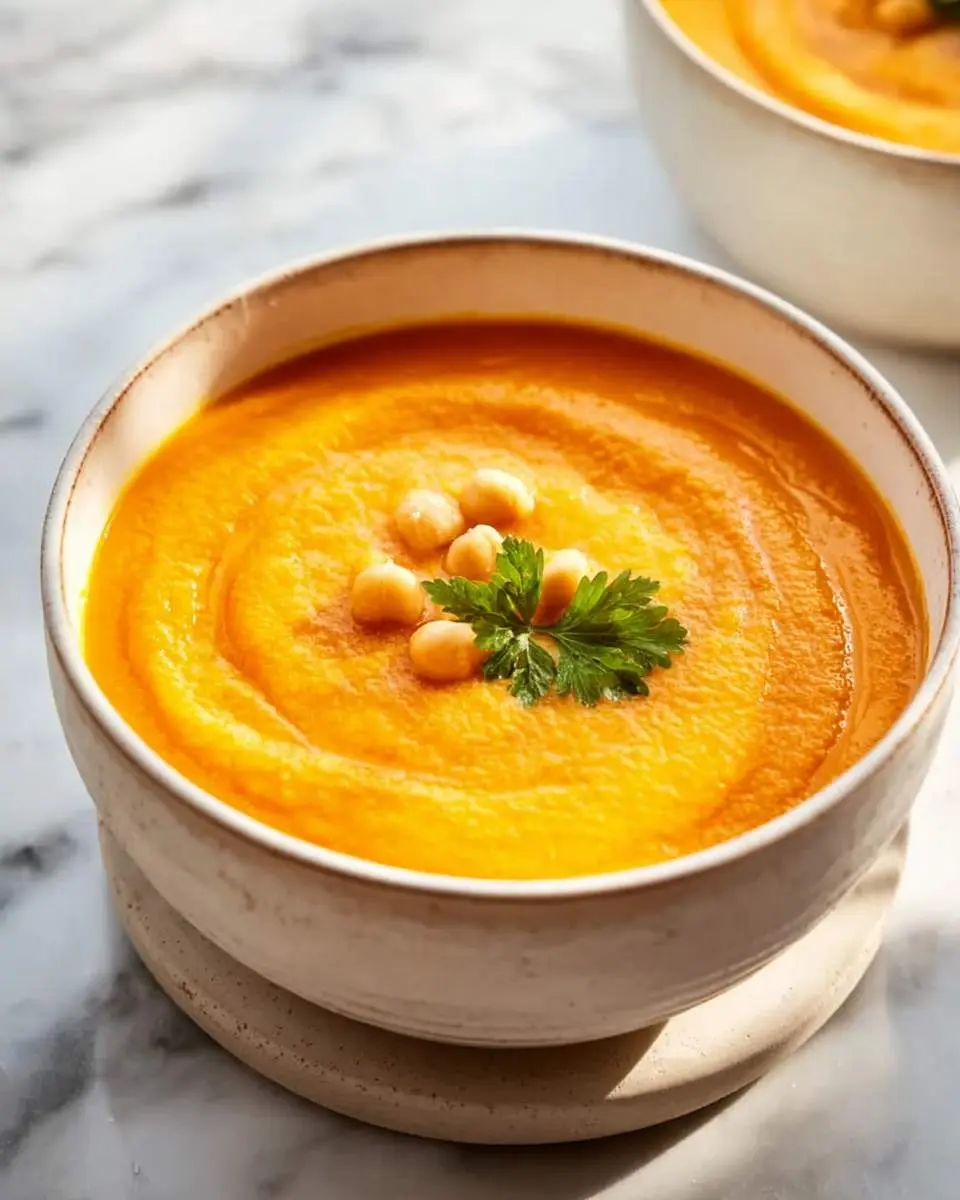
How to Store carrot and ginger soup
- Refrigerate in airtight glass containers for up to 4 days. The flavor actually improves after the first day as the ginger mellows and melds.
- Freeze flat in freezer bags for up to 3 months. Leave one inch of headspace for expansion, and thaw overnight in the refrigerator.
- Reheat gently over medium-low heat, stirring occasionally. Never boil once the coconut milk is added, or it may separate and turn grainy.
Nutritional Benefits
This carrot and ginger soup delivers more than comfort. The beta-carotene in those carrots converts to vitamin A in your body, supporting your immune system through winter months. The gingerol in fresh ginger has genuine anti-inflammatory properties that I’ve felt work on my own sore throats — not folklore, but something I experience every time I make this.

FAQs
Can I use ground ginger instead of fresh?
Fresh ginger is essential here. Ground ginger tastes dusty and lacks the volatile oils that make this soup special. Buy a knob, freeze what you don’t use, and grate from frozen.
Why did my soup separate after adding coconut milk?
The heat was too high. Coconut milk curdles above a gentle simmer. Always add it off the heat, then warm slowly without boiling.
Can I make this carrot and ginger soup in a slow cooker?
Yes, though you’ll miss the aromatic bloom of sautéed ginger. Cook on low for 6 hours, then blend and finish with coconut milk as directed.
How do I make this soup more filling?
Stir in cooked red lentils during the last ten minutes of simmering, or top with crispy chickpeas and a drizzle of tahini for protein and texture.
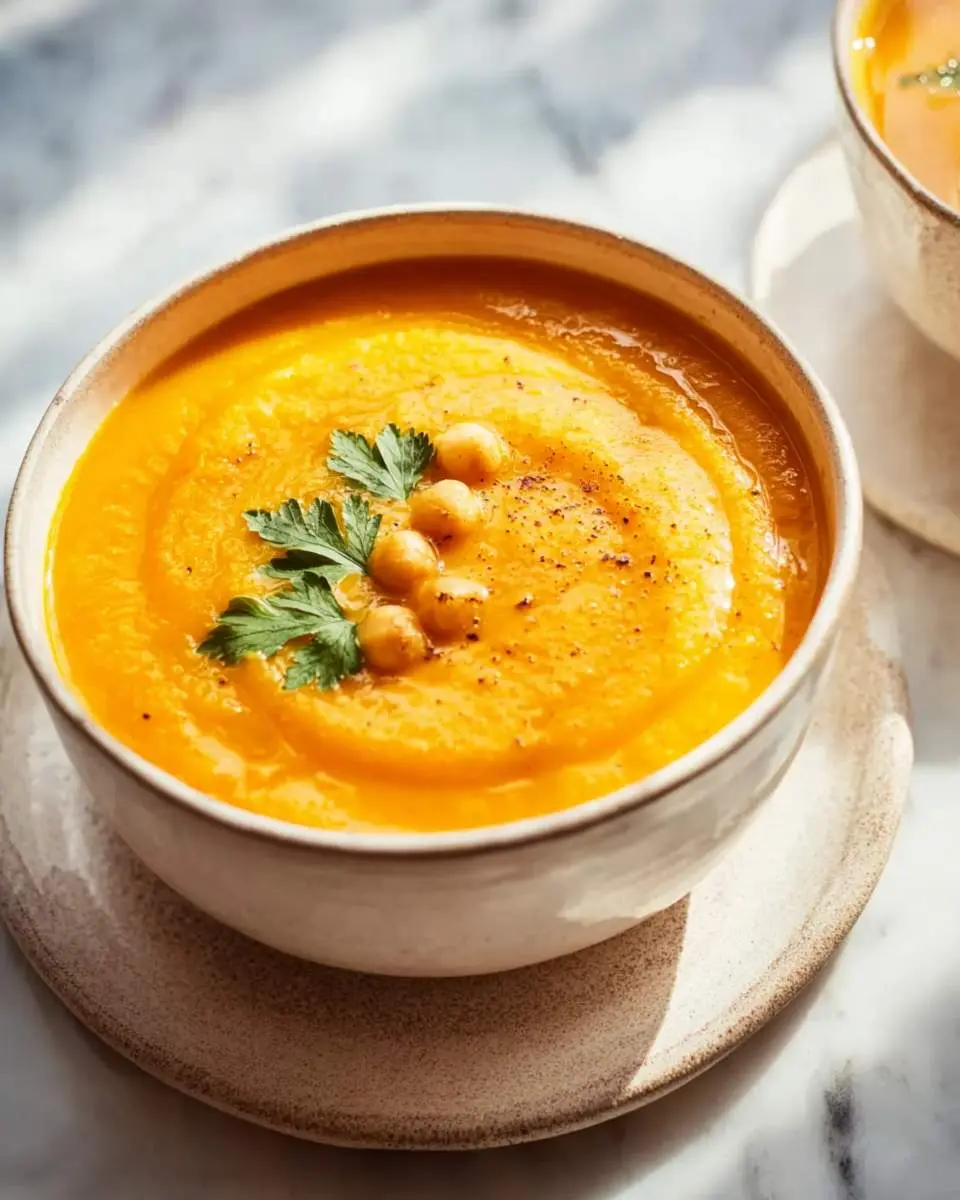

Carrot and Ginger Soup
Ingredients
Equipment
Method
- Heat olive oil in a large Dutch oven over medium heat. Add onion and cook until soft and translucent, about 6-7 minutes, stirring occasionally. Add garlic and ginger and cook 1 minute more until fragrant - do not let the garlic brown.
- Add sliced carrots, salt, and pepper. Stir to coat in the oil and aromatics, then cook for 5 minutes to lightly caramelize the edges. The carrots should look slightly glossy and smell sweet.
- Pour in vegetable broth and bring to a boil. Reduce heat to maintain a gentle simmer, cover partially, and cook until carrots are completely tender when pierced with a knife, about 20-25 minutes.
- Remove from heat. Stir in coconut milk. Using an immersion blender, puree until completely smooth, or working in batches, transfer to a standard blender and blend until silky. Return to pot and taste for seasoning - add more salt if needed.
- Ladle into warm bowls. Drizzle with additional coconut milk, scatter cilantro and pumpkin seeds over top. Serve immediately with crusty bread if desired.
Notes
Conclusion
This carrot and ginger soup has become my reset button — the thing I make when I need to feel cared for. I hope it does the same for you. If you’re craving more vegetable-forward comfort, my cauliflower soup has that same quiet elegance.