Korean Bibimbap Beef Bowl
The first time I assembled a Korean Bibimbap Beef Bowl in my own kitchen, I stood back and actually laughed. There was my humble countertop, covered in little bowls of bright vegetables, glistening beef, and that perfectly runny egg perched on top like it knew exactly what it was doing. I had chased this feeling for years — the satisfaction of building something beautiful that you get to destroy with a spoon.
My obsession started at a tiny restaurant in Koreatown where an elderly woman wordlessly set down a stone bowl so hot it sang. I remember the crackle of rice against the sides, the way she mimed stirring everything together with such urgency, as if the bowl might escape. That meal cost twelve dollars and changed how I thought about dinner.
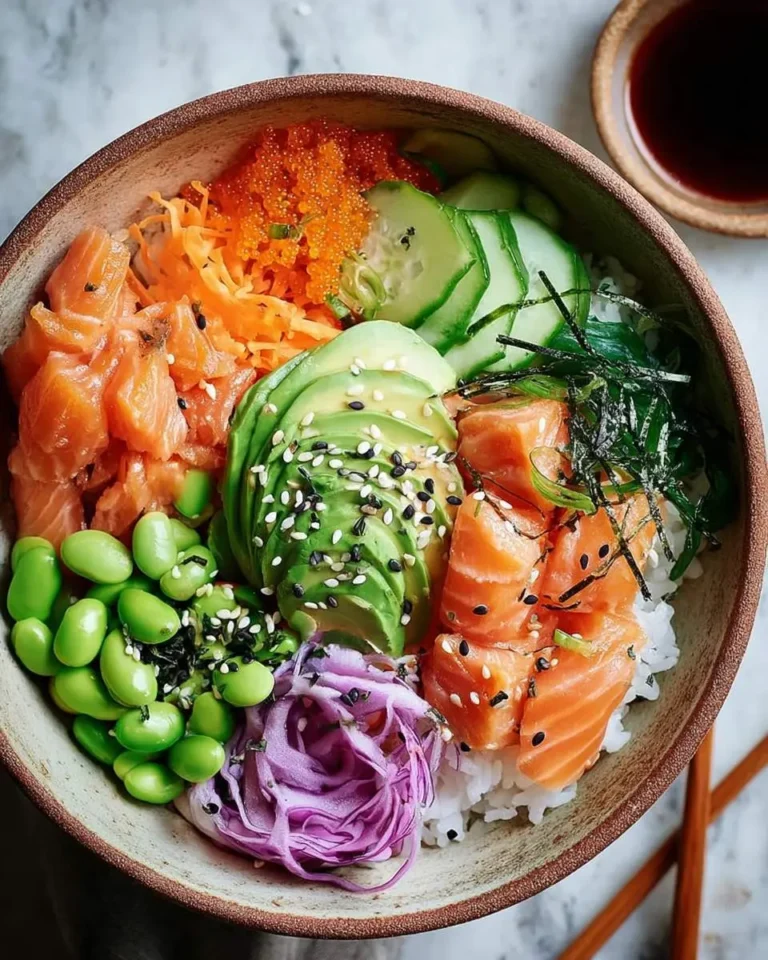
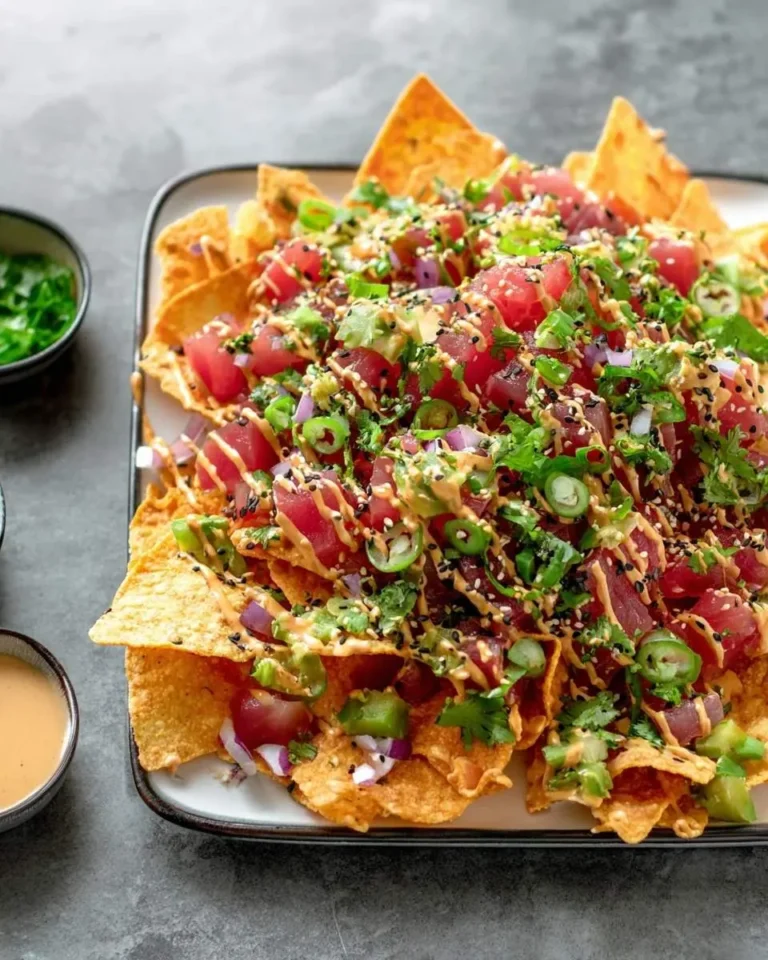
Now I make this when I need something that feels restorative but not precious. If you are craving more bowl inspiration, I also love this low carb spicy tuna rice bowl for lighter nights.
What You Need to Make This Recipe
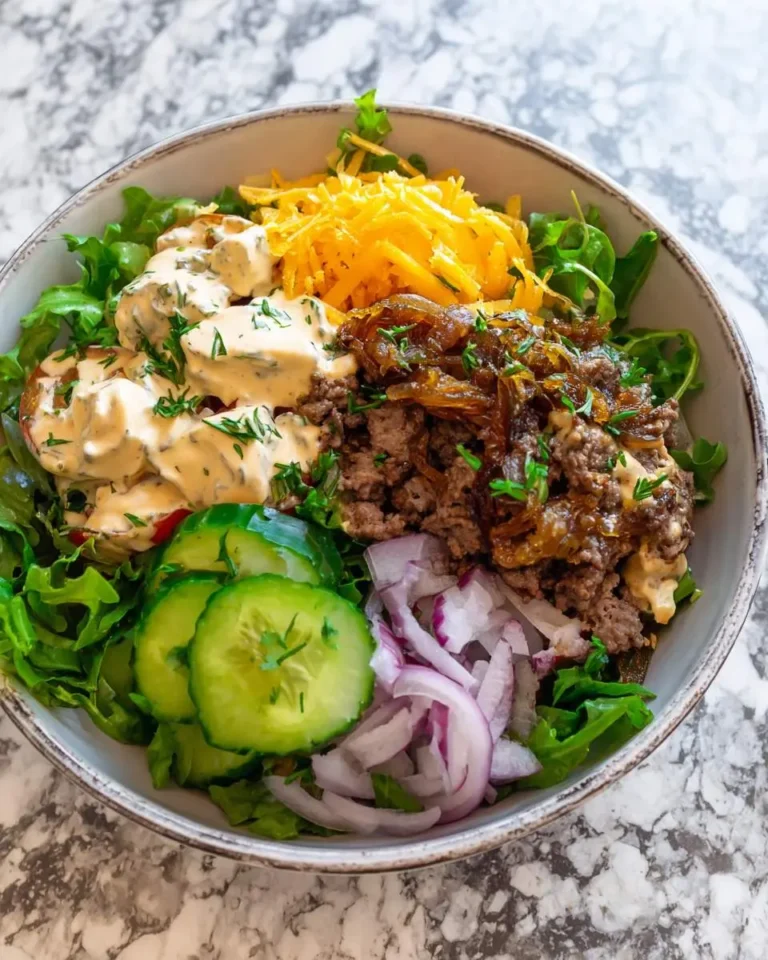
The soul of this Korean Bibimbap Beef Bowl lives in three places: gochujang, that fermented chili paste that brings heat and depth you cannot fake; toasted sesame oil, which transforms everything it touches into something you want to smell forever; and short-grain rice, sticky enough to cradle every component without becoming mush. I have tried this with jasmine rice in a desperate moment, and I will simply say: do not be me. The beef wants thinly sliced ribeye if you can find it, but I have had excellent results with well-marinated sirloin from my regular grocery store. For another beef bowl that takes a completely different direction, try my beef and pepper rice bowl.
How to Make Korean Bibimbap Beef Bowl
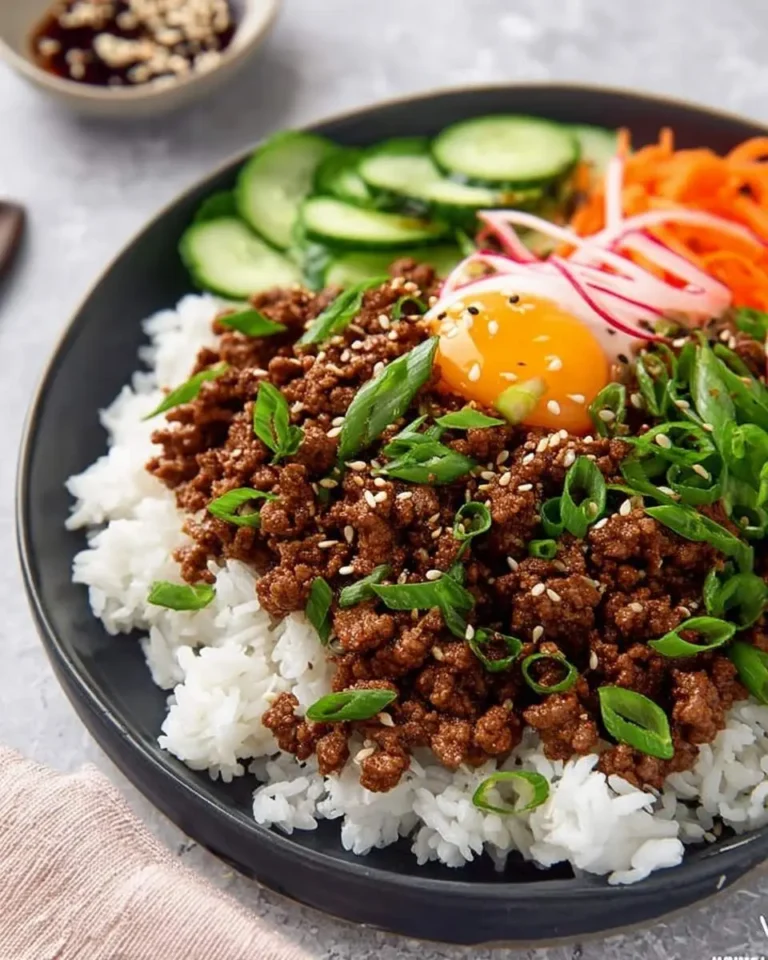
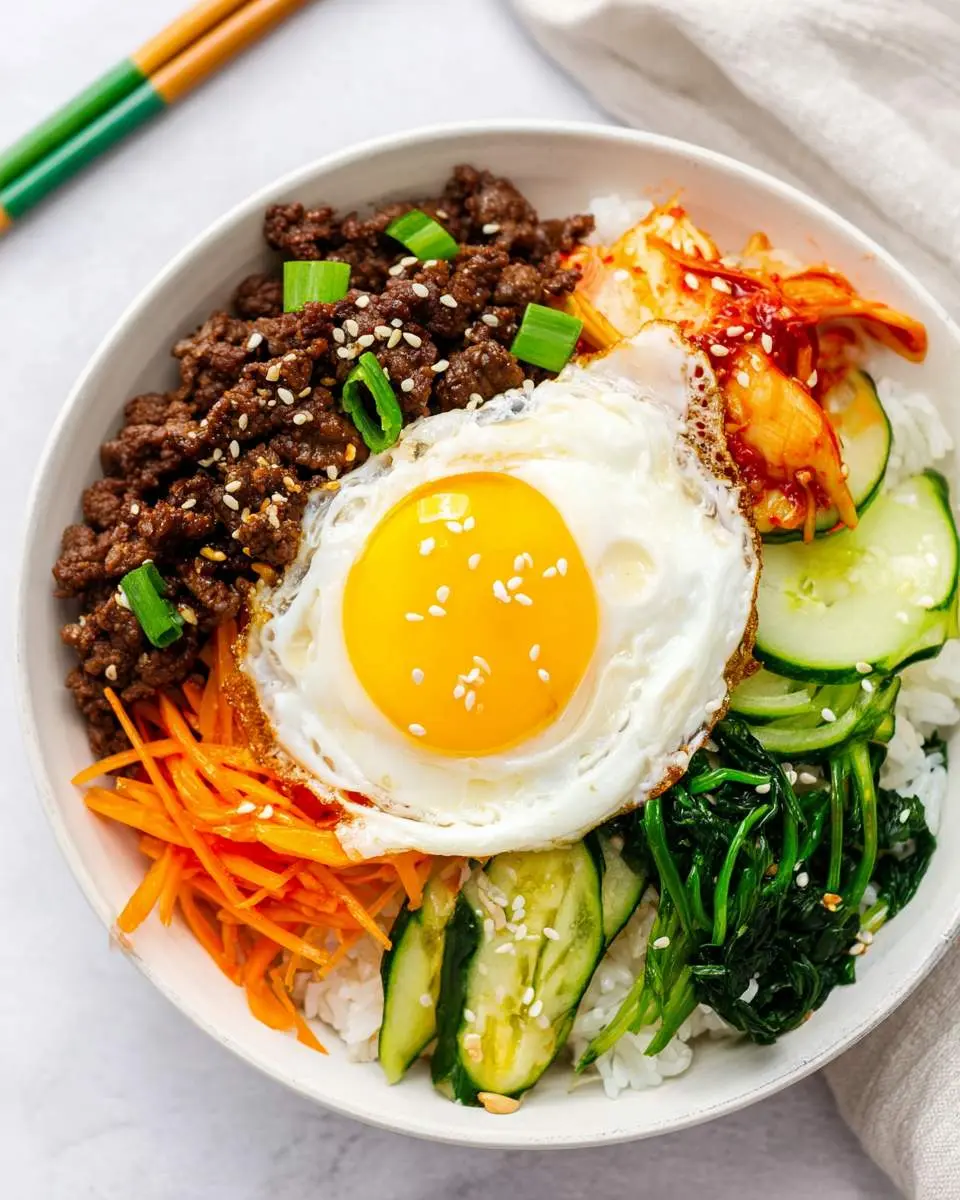
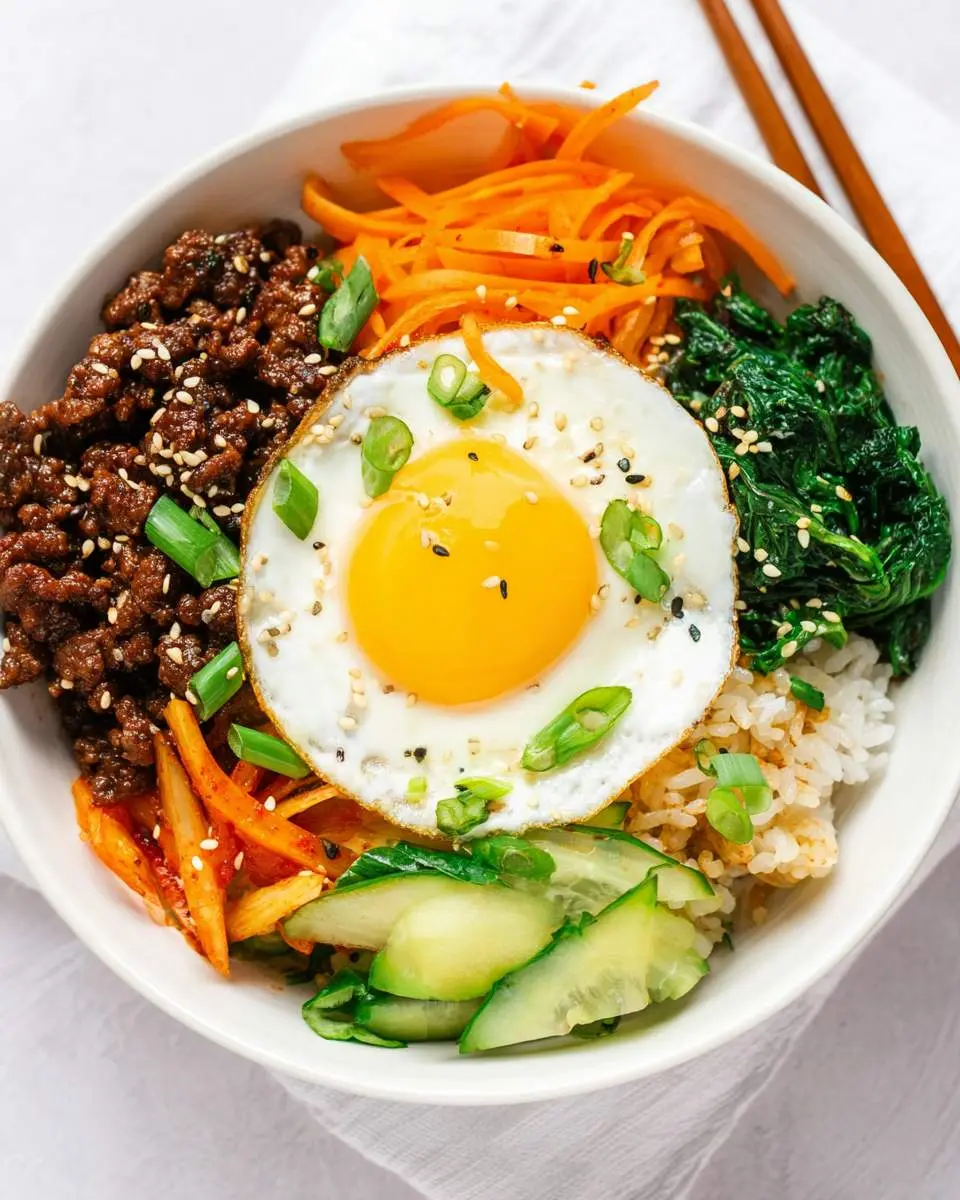
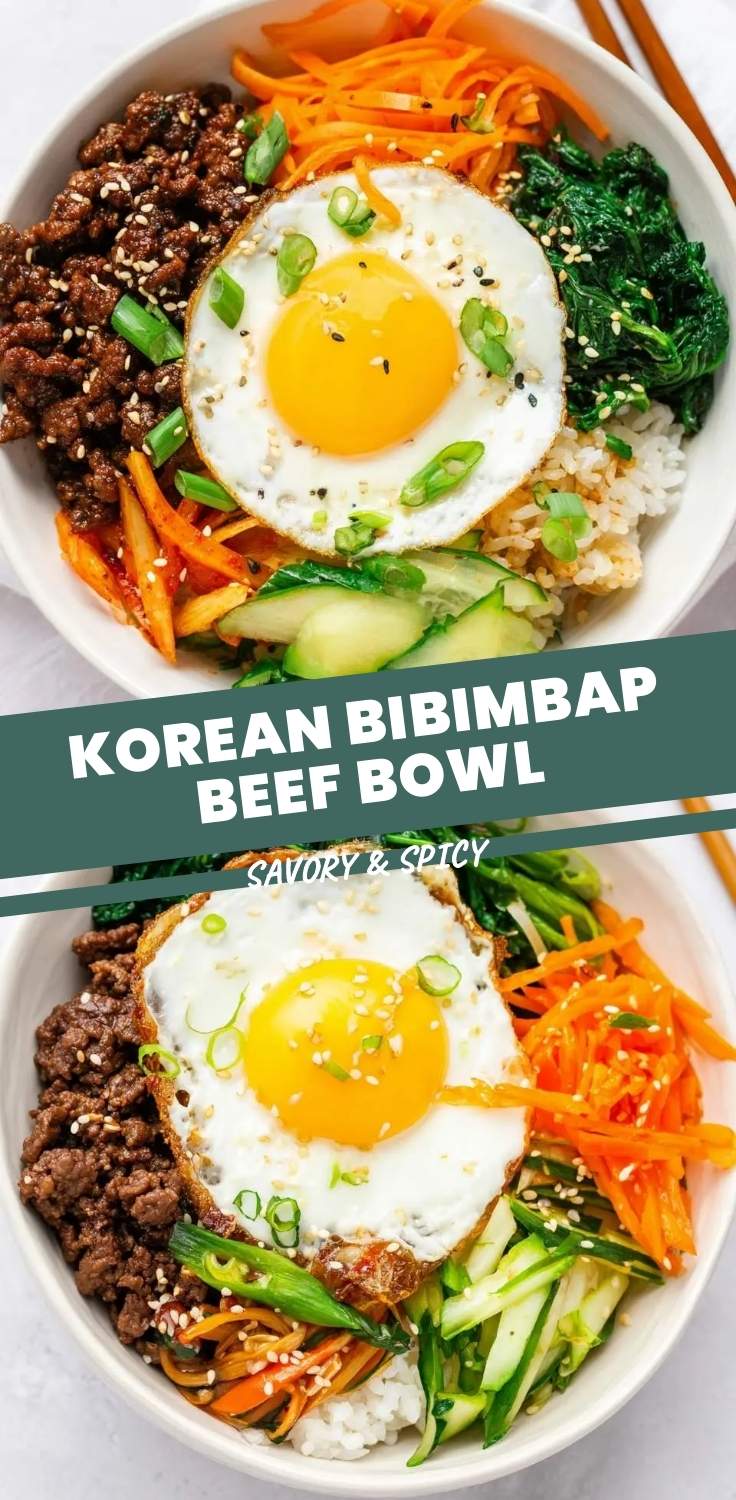
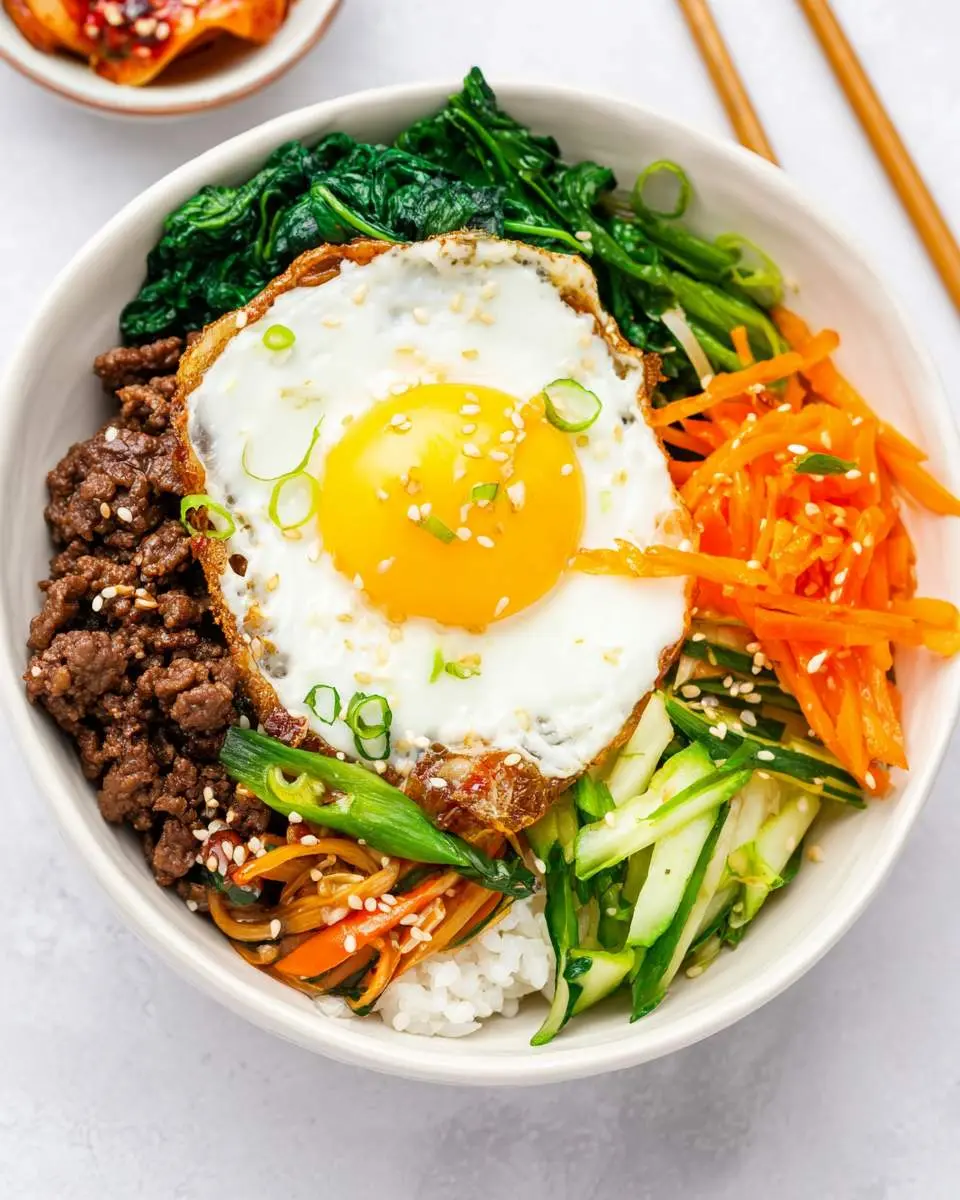
I start the rice first, always, because rushing it ruins everything. While it steams quietly, I prep my vegetables into actual banchan — spinach wilted with garlic and sesame, bean sprouts barely cooked so they keep their snap, carrots cut into matchsticks and quick-pickled in rice vinegar. The kitchen starts smelling like something is happening. The beef marinates in soy, brown sugar, grated pear if I have it, and enough gochujang to stain the spoon. When it hits the hot pan, it caramelizes in about ninety seconds, edges crisping while the center stays tender. I fry the egg last, watching the white set while the yolk stays trembling. Assembly is the reward: rice, then vegetables arranged in color-wheel obsession, beef in the center, egg crowning everything. I have made a simpler weeknight version with this Korean ground beef bowl when slicing meat feels like too much.
Pro Tips
Use a carbon steel or cast iron pan for the beef. The high heat and quick cooking time need something that can handle screaming temperatures without warping, and you want those fond bits that develop on the surface — they become your sauce foundation when you deglaze with a splash of water.
Prep every component before cooking anything. Bibimbap moves fast once you start, and the difference between transcendent and merely good often comes down to whether your spinach was ready when the beef finished. I arrange my prepped vegetables on a sheet pan in the order I will use them.
Let your rice rest, covered, for ten minutes after cooking. This finishing steam creates the proper texture — each grain distinct but clinging to its neighbors — and prevents the sogginess that makes bibimbap feel like a casserole mistake.
My Secret Trick: I keep a jar of rendered beef fat from previous cooking and use a teaspoon to fry the egg. It sounds excessive until you taste how the fat carries the gochujang and sesame flavors into something almost too rich to believe came from your own stove.
How to Store Korean Bibimbap Beef Bowl
- Refrigerate components separately in airtight containers for up to 4 days — never store fully assembled, as the textures collapse into each other
- Keep rice at 40°F or below; reheat with a damp paper towel over the container to restore moisture
- Beef stores well but tastes best within 2 days; reheat in a hot skillet rather than microwave to revive caramelization
- Prepared vegetables like spinach and bean sprouts maintain quality for 3 days; carrots and pickled items last 5 days
- Fried eggs do not store well — make fresh for each serving
- Freezing is not recommended for this dish; the rice becomes crumbly and vegetables lose their character
Nutritional Benefits
This Korean Bibimbap Beef Bowl delivers meaningful nutrition without trying too hard. The gochujang contains capsaicin and fermented compounds that support gut health, while the variety of vegetables — spinach for iron, carrots for beta-carotene, bean sprouts for vitamin C — creates a spectrum of micronutrients that single-vegetable dishes cannot match. The beef provides heme iron in a form your body actually absorbs, especially valuable if you run low on energy.
FAQs
Can I use ground beef instead of sliced beef?
Yes, though the texture changes completely. Ground beef absorbs more marinade and cooks faster, creating something closer to my Korean ground beef bowl. It is delicious but lacks the contrast of crisp-edged slices against tender rice.
What can I substitute for gochujang?
Sriracha mixed with a little miso paste approximates the heat and umami, but the fermented depth is irreplaceable. I keep gochujang in my refrigerator door; it lasts forever and improves everything from eggs to roasted vegetables.
Do I need a dolsot stone bowl?
No, though it creates the coveted crispy rice bottom. A heavy cast iron skillet preheated in a hot oven works surprisingly well. I serve from the skillet directly when I want that textural contrast without another specialty vessel.
How spicy is this Korean Bibimbap Beef Bowl?
Moderately spicy as written, but entirely adjustable. I make mine mild for my daughter by reducing gochujang and adding extra brown sugar, then serve chili crisp on the side for heat-seekers. The beauty is personalization.

Korean Bibimbap Beef Bowl
Ingredients
Equipment
Method
- In a small bowl, stir together gochujang, rice vinegar, honey, and 1 tablespoon water until smooth. Set aside. This keeps for weeks in the fridge if you want to double it.
- Heat a large skillet over medium-high heat. Add the ground beef and cook, breaking it up, until no pink remains and some edges are crispy, about 8 minutes. Drain excess fat if needed, then stir in garlic, soy sauce, brown sugar, and sesame oil. Cook 1 minute more until glossy. Transfer to a bowl and wipe out the skillet.
- Return skillet to medium heat with 1 teaspoon oil. Add spinach by the handful, stirring until just wilted, about 2 minutes. Season lightly with salt, squeeze out excess moisture, and transfer to a plate.
- Add remaining 1 teaspoon oil to the skillet. Add carrots and cook over medium-high heat until just tender with a little char, about 3 minutes. Season with a pinch of salt and transfer to the plate with spinach.
- Add a little more oil to the skillet if needed. Fry eggs sunny-side up or over easy - you want runny yolks to mix into the rice. Season with salt and pepper.
- Divide warm rice among 4 bowls. Arrange beef, spinach, and carrots in separate piles. Top each with a fried egg, drizzle generously with sauce, and sprinkle with sesame seeds. Serve immediately with extra sauce on the side.
Notes
Conclusion
This Korean Bibimbap Beef Bowl has become my answer to too many questions: what feels special on a Tuesday, what impresses without stress, what I actually want to eat when I am hungry and tired. The first time you stir everything together and watch the yolk spill through the colors, you will understand why I keep coming back. For another Korean beef celebration, try my Korean BBQ steak rice bowls.