Chicken Provencal
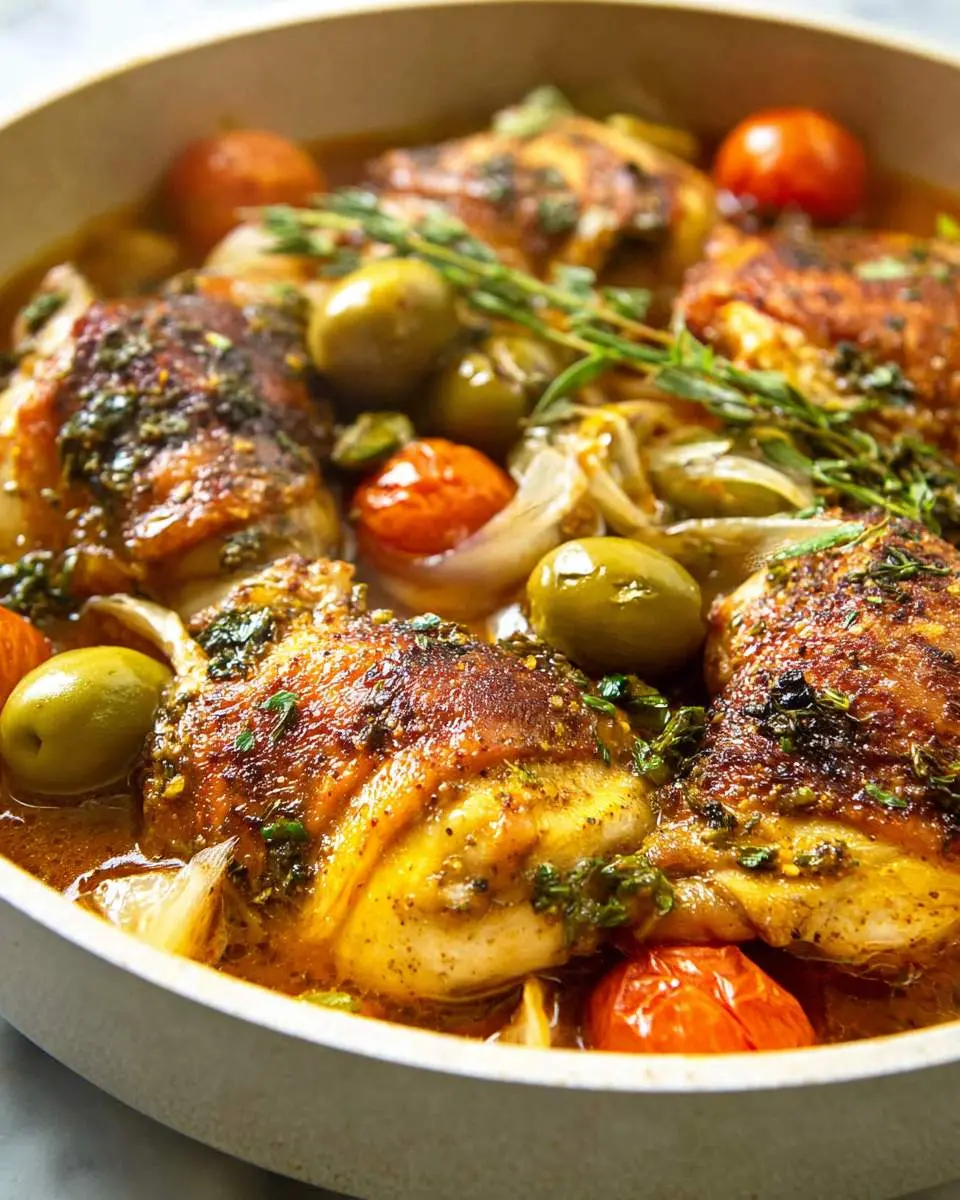
The first time I pulled a pan of golden chicken from the oven and caught that wave of garlic, wine, and herbs, I knew something had shifted in my weeknight cooking. I had stumbled into making Chicken Provencal without fully understanding what I was doing , just following a craving for something that tasted like a sun-drenched afternoon in southern France.
My grandmother never made this dish, but she did keep a tiny jar of herbes de Provence on a windowsill above her stove. I would open it just to smell the lavender and thyme when I thought no one was watching. That memory rushed back the moment this chicken hit the table, and I sat there a little stunned that something so simple could feel so transporting.
This is the kind of recipe that asks very little of you and gives back something that feels like a small celebration. If you are craving more easy chicken dinners that deliver big flavor with minimal fuss, my salsa verde chicken with rice and beans has become another weeknight staple in our house.
What You Need to Make This Recipe
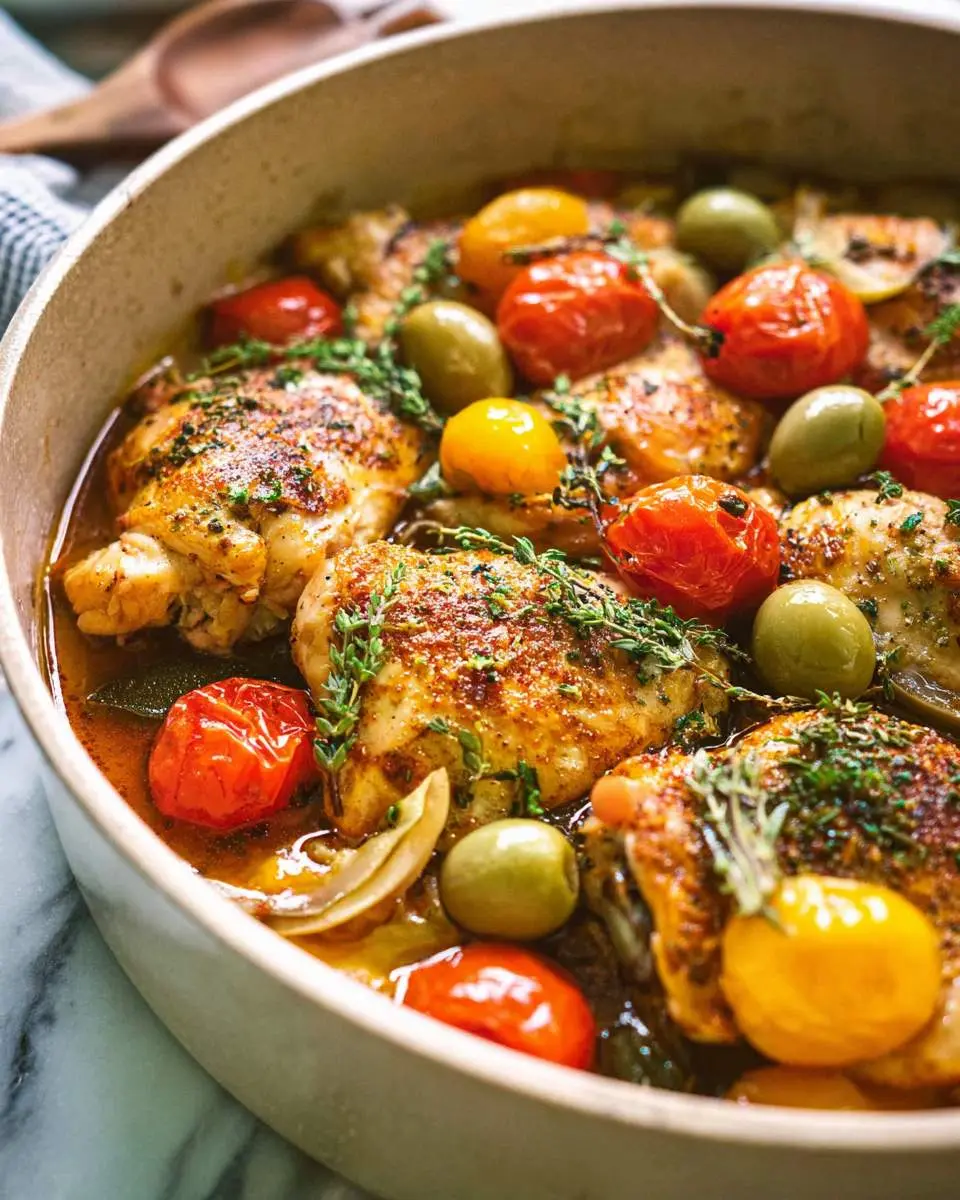
The beauty of Chicken Provencal lives in a handful of purposeful ingredients that do real work together. You want bone-in, skin-on chicken thighs , they stay succulent through the braising and that skin renders into something criminally good. The herbes de Provence blend is non-negotiable; the dried lavender and fennel seed set this apart from generic Italian seasoning in a way that makes the whole dish taste like a place, not just a recipe. A dry white wine builds the sauce, but use something you would actually drink , the flavor concentrates and there is no hiding cheap wine here. For another chicken dinner that leans on pantry staples in smart ways, my chicken and shrimp fried rice comes together in about twenty minutes flat.
How to Make Chicken Provencal
I start by patting the chicken completely dry , this is where patience pays off because wet skin will never crisp properly. Into a hot oven-safe skillet they go, skin side down, and I do not touch them for a solid seven minutes. The sound changes from a frantic sizzle to a deeper, more confident crackle, and that is how I know the fat is rendering and the skin is turning that deep amber I am after.
Once flipped, the thighs get a quick sear on the second side, then I pull them out and let the aromatics hit that rendered fat. Garlic goes in first, just until it turns fragrant and barely golden , past that lies bitterness, and I have crossed that line enough times to know better. The wine follows with a aggressive scrape of the spoon, lifting up every browned bit that holds the real flavor of this dish. Tomatoes, olives, and capers tumble in, the chicken nests back into the sauce, and into the oven it goes for about forty minutes.
The transformation happens quietly behind that oven door. The sauce reduces and thickens, the chicken relaxes into tenderness, and your kitchen fills with something that makes people wander in asking what is for dinner. I always pull it when the meat near the bone reads about 165°F and the sauce looks slightly jammy around the edges. For another Mediterranean-inspired chicken dinner with a completely different personality, my Mediterranean chicken recipe hits different but equally hard.
Pro Tips
Patience with the sear: I used to rush this step and crowd the pan, and I ended up with pale, flabby skin every single time. Give each thigh real space and let the fat render slowly , the crust you build here becomes the textural anchor of the whole dish.
Olives matter more than you think: I reach for oil-cured black olives or good kalamatas, never the bland canned ones. Their briny intensity balances the sweetness of the tomatoes and prevents the sauce from going one-dimensional.
Finish with fresh herbs, not more dried: A scatter of fresh parsley or torn basil right before serving wakes everything up. The dried herbs carry the cooking; the fresh ones deliver the final punctuation.
My Secret Trick: I tuck a few strips of lemon zest into the sauce before it goes into the oven and fish them out before serving. The oils perfume the whole braise with a bright, almost floral note that keeps the rich sauce from feeling heavy.
How to Store Chicken Provencal
- Refrigerate cooled leftovers in an airtight container for up to 4 days at 40°F or below
- Freeze in a freezer-safe container with the sauce covering the chicken completely for up to 3 months at 0°F
- Thaw overnight in the refrigerator, never on the counter
- Reheat gently in a covered skillet over medium-low heat with a splash of water or wine to loosen the sauce, about 12-15 minutes until warmed through
- Alternatively, reheat in a 325°F oven, covered, for 20-25 minutes
Nutritional Benefits
Chicken Provencal brings real nourishment alongside its comfort , the chicken thighs deliver substantial protein and iron, while the olive oil and olives contribute heart-healthy monounsaturated fats that make this satisfying without being heavy. The tomato-based sauce is where I find the quieter wins: cooked tomatoes offer lycopene that becomes more bioavailable through the gentle oven braising, and the capers add trace minerals that most weeknight dinners simply do not think to include.
FAQs
Can I use chicken breasts instead of thighs?
Bone-in, skin-on breasts work but need attention , they dry out faster, so pull them at 160°F and let carryover cooking finish the job. The sauce helps, but thighs remain my choice for forgiveness and flavor.
What can I substitute for herbes de Provence?
Mix equal parts dried thyme, rosemary, and marjoram with a pinch of dried lavender if you have it. The lavender is what makes this distinctive, so do not skip it if possible.
Does Chicken Provencal taste very olive-forward?
The olives and capers bring brine and depth, but they do not dominate. The wine, tomatoes, and herbs create a balanced sauce where everything has a voice , even olive skeptics in my house clean their plates.
Can I make this ahead for a dinner party?
Absolutely, and I often do. The flavors deepen overnight. Make it through the full recipe, cool completely, and refrigerate. Reheat gently the next day and add fresh herbs right before serving.

Chicken Provencal
Ingredients
Equipment
Method
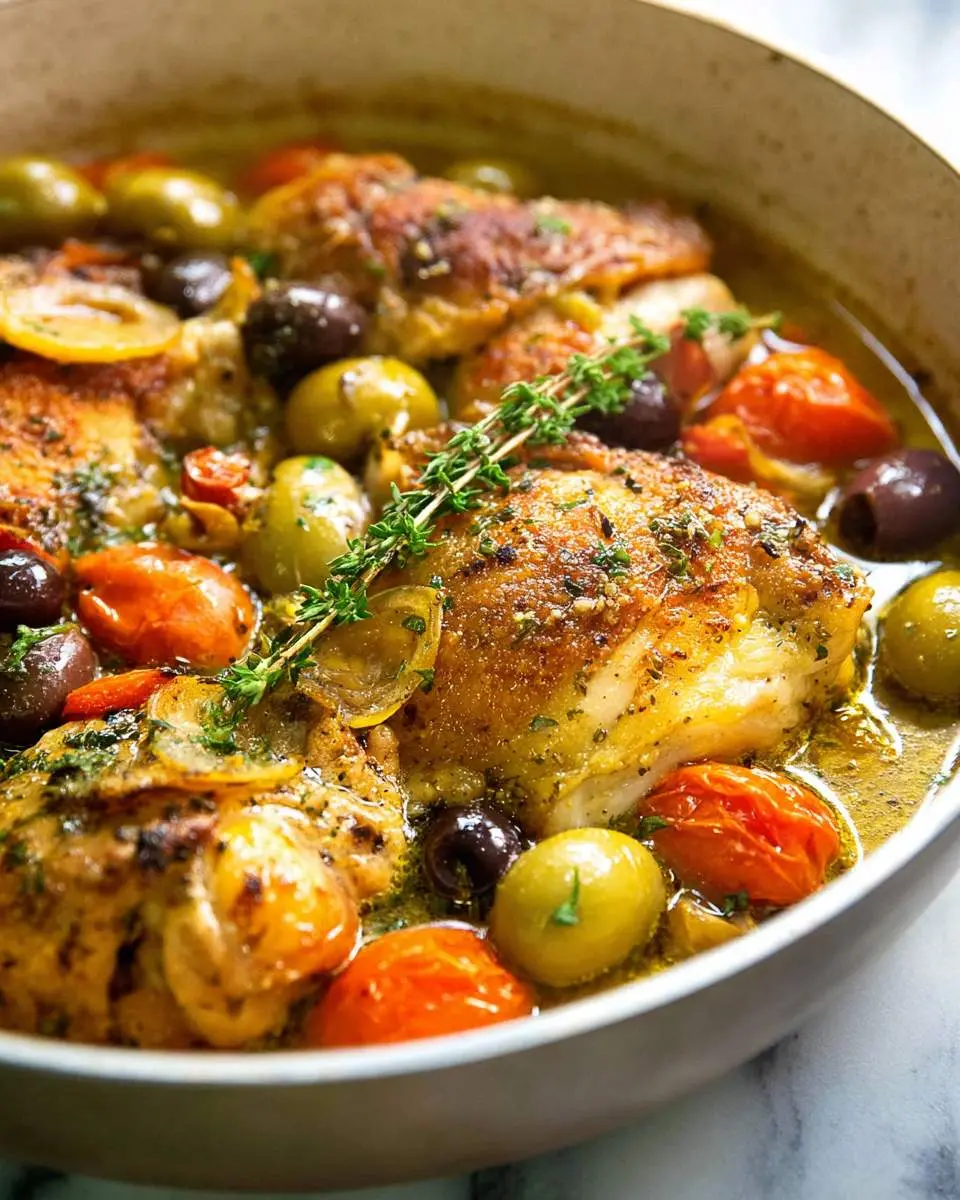
- Pat chicken thighs completely dry with paper towels - this is crucial for crisp skin. Season both sides generously with salt and pepper. Heat olive oil in a large deep skillet over medium-high heat until shimmering. Add chicken skin-side down and cook without moving for 6-7 minutes until the skin is deeply golden and releases easily from the pan. Flip and cook 3 minutes more. Transfer to a plate; the chicken will not be cooked through yet.
- Pour off all but 1 tablespoon of fat from the pan. Reduce heat to medium and add sliced onion. Cook for 5 minutes, stirring occasionally, until softened and starting to caramelize at the edges. Add garlic and cook 1 minute until fragrant.
- Pour in white wine and scrape up all the browned bits from the bottom of the pan with a wooden spoon. Let bubble for 2 minutes to reduce slightly. Stir in tomatoes with their juices, olives, and herbes de Provence. Bring to a simmer.
- Nestle chicken thighs skin-side up into the sauce, making sure the skin stays above the liquid so it stays crisp. Cover and reduce heat to low. Simmer for 25-30 minutes until chicken is cooked through and tender, with an internal temperature of 165F.
- Remove from heat and let rest 5 minutes. Taste sauce and adjust seasoning. Spoon sauce over chicken and sprinkle with fresh parsley. Serve directly from the pan with crusty bread or over buttered egg noodles.
Notes
Conclusion
This Chicken Provencal has earned its place in my permanent rotation because it respects my time and still makes me feel like I cooked something that matters. If you have been searching for a braised chicken dish with real soul, start here. For another French classic that taught me patience in the kitchen, my coq au vin recipe remains one of the most rewarding Sunday projects I know.