Olive Oil Chocolate Chip Cookies
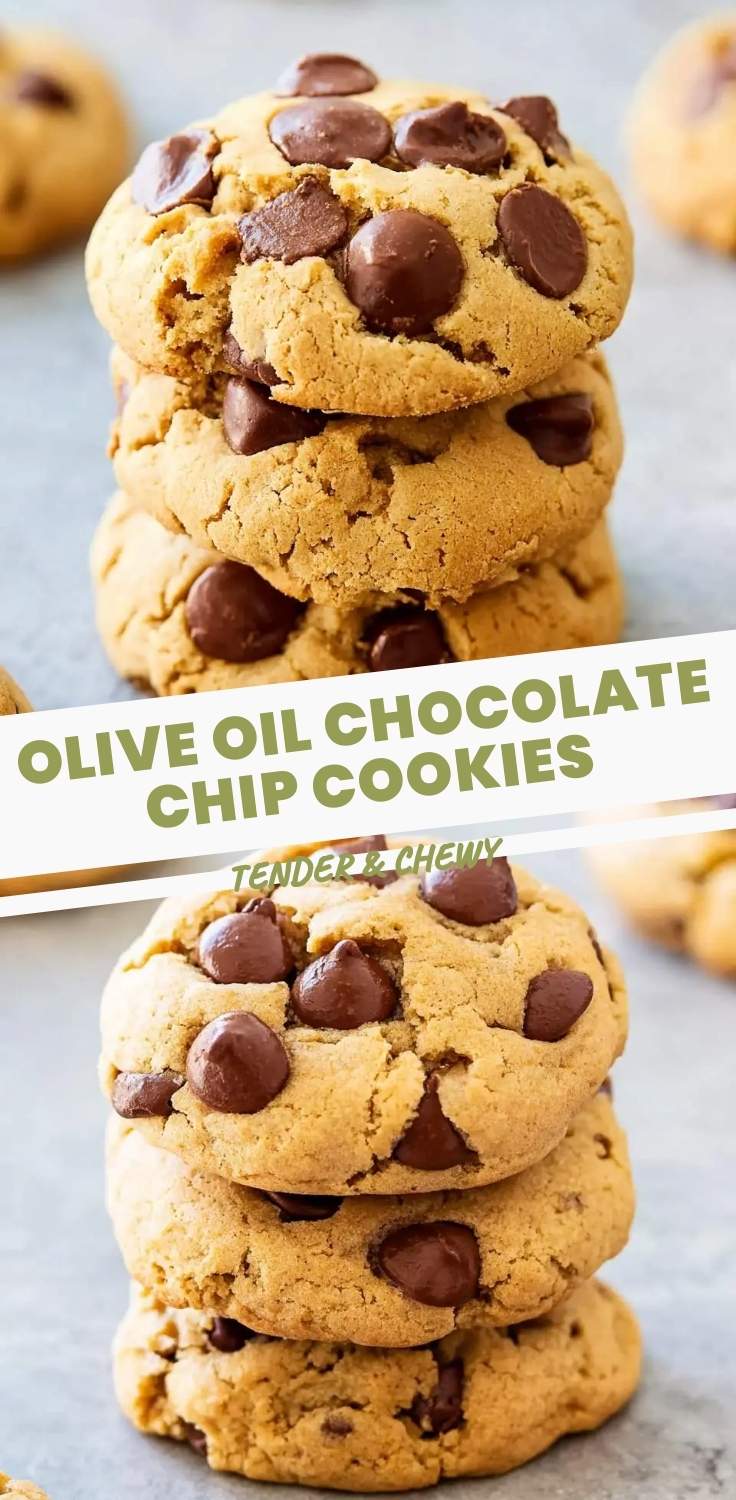
The first time I swapped butter for olive oil in a cookie dough, I stood at my kitchen counter at ten o’clock at night, skeptical and slightly desperate. I was out of butter, craving something warm and chocolate-studded, and I had a bottle of good California olive oil staring back at me. That batch of olive oil chocolate chip cookies changed everything I thought I knew about what a cookie could taste like.
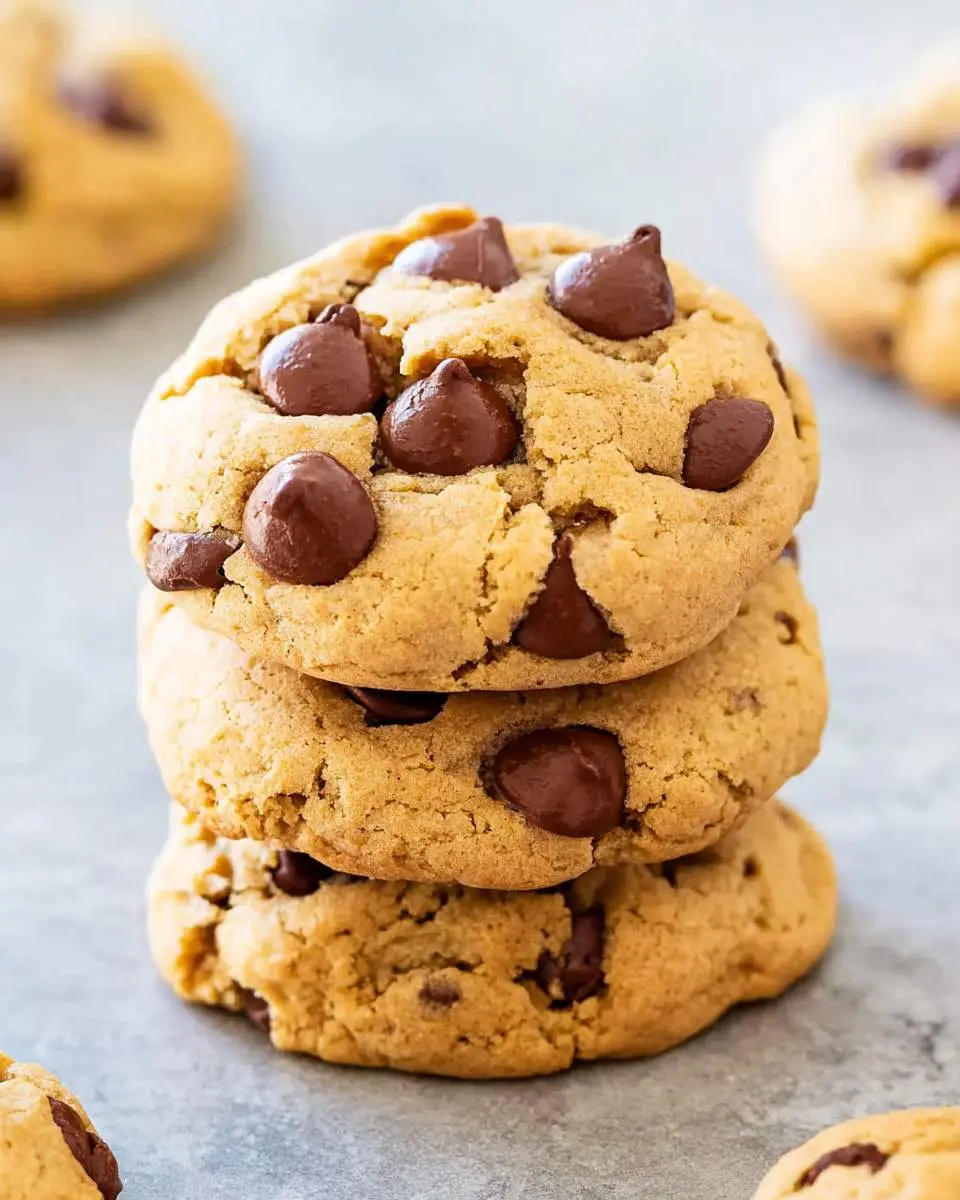
My grandmother never baked with olive oil. She was a Crisco-and-butter woman, all the way, and I inherited her suspicion of anything that sounded too “healthy” in a dessert. But that night, biting into a cookie with edges that shattered like thin glass and a center that stayed almost pudding-soft, I called my sister at midnight just to tell her about it.
Now I keep olive oil in my baking pantry specifically for cookies, and I want to show you why. If you are craving something rich and unexpected, these might become your new obsession. I also love how they pair with other bold flavors, like the deep chocolate intensity in my fudgy German chocolate cookies.
What You Need to Make This Recipe
The olive oil is everything here, and I mean that without exaggeration. I use a mild, fruity extra-virgin oil that tastes like green grass and almonds, not the peppery stuff I drizzle on salads. The sugar mix matters too: brown sugar for that molasses depth and chew, granulated for the crackly top. I also add a full tablespoon of good vanilla, which sounds like a lot until you taste how it bridges the gap between the oil’s fruitiness and the bittersweet chocolate. If you want another plant-based cookie to explore, my vegan pumpkin cookies use similar pantry staples.
How to Make Olive Oil Chocolate Chip Cookies
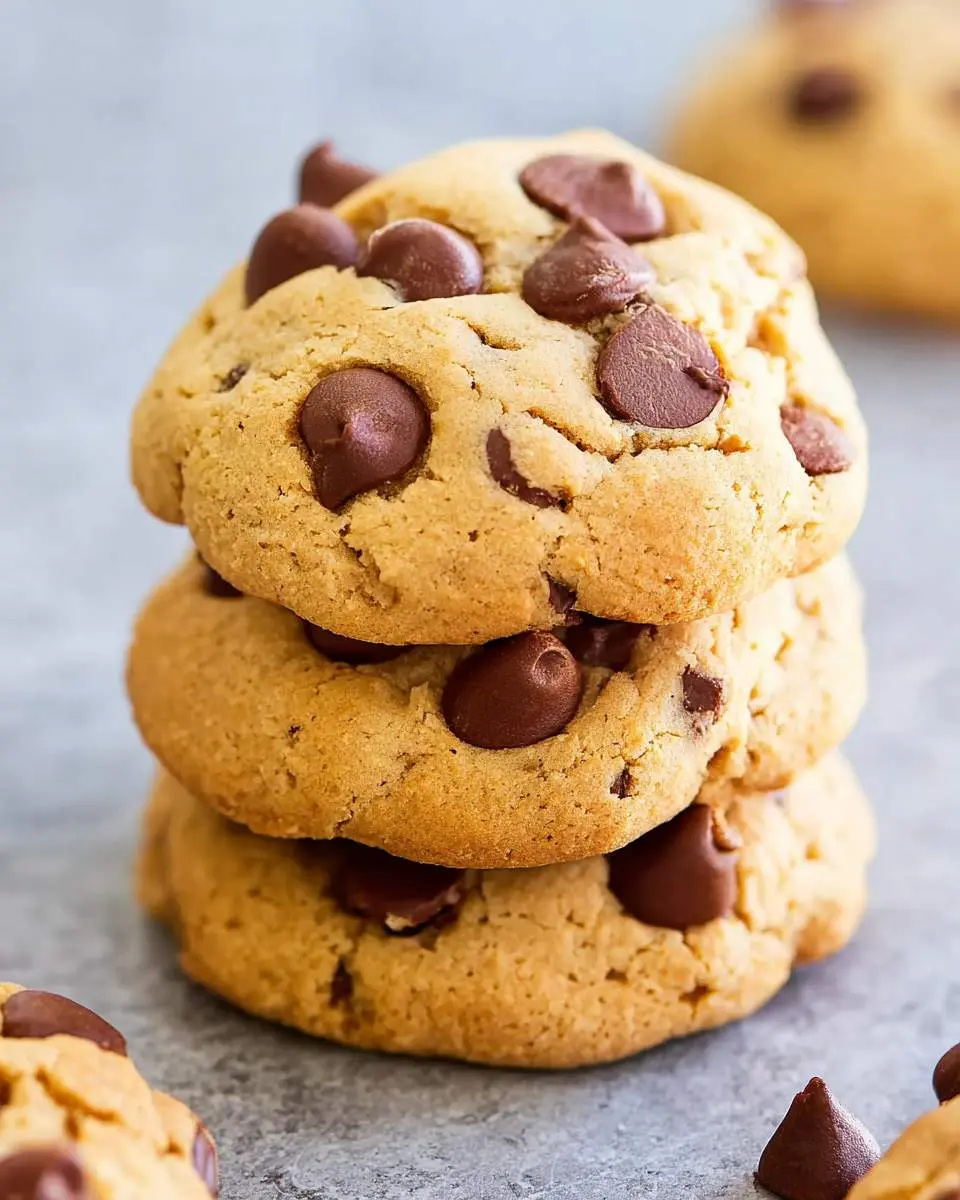
I start by whisking the olive oil with both sugars until the mixture looks like wet sand that has started to clump together, about two minutes of vigorous whisking. The dough smells immediately different from butter-based versions: greener, more alive, with the vanilla hovering underneath like a promise. I add the egg and watch the mixture transform into something glossy and thick, almost like melted caramel.
The flour and leavening go in next, and I switch to a wooden spoon because the dough gets stiff fast. I stop mixing the second I no longer see dry streaks, then fold in chocolate chunks with my hands, feeling the slight resistance of the dough, the way it clings to my fingers. I always chill this dough for at least forty-five minutes, sometimes overnight if I can stand the wait, because something magical happens to the texture when the oil has time to solidify and redistribute.
The oven hits 350 degrees, and I scoop generous mounds onto a lined sheet, leaving plenty of space because these spread more than butter cookies. At twelve minutes, the edges turn deep golden while the centers still look slightly underdone, and I pull them out immediately. They will look too soft. Trust me. I learned this timing from years of overbaking, and now I rely on that visual cue every single time. For another cookie where timing the pull from the oven matters just as much, check out my brown butter chocolate chip cookies.
Pro Tips
Chill the dough longer than you think. Olive oil stays liquid at room temperature, so without that cold rest, your cookies will spread into thin, greasy discs instead of maintaining that ideal thick-and-chewy structure.
Use chocolate chunks, not chips. Chips are designed to hold their shape, but chunks melt into irregular pools and streaks that make every bite visually interesting and texturally varied.
Let them rest on the pan for a full ten minutes after baking. Olive oil cookies are more fragile than butter-based ones when hot, and that resting period lets the structure set without collapsing.
My Secret Trick: I sprinkle a tiny pinch of flaky sea salt on top of each cookie right before baking, but I also add a quarter teaspoon of fine sea salt directly into the dough. The double salt hit amplifies the olive oil’s natural fruitiness in a way that makes people stop mid-bite and ask what your secret is. These olive oil chocolate chip cookies have converted more butter purists than I can count.
How to Store Olive Oil Chocolate Chip Cookies
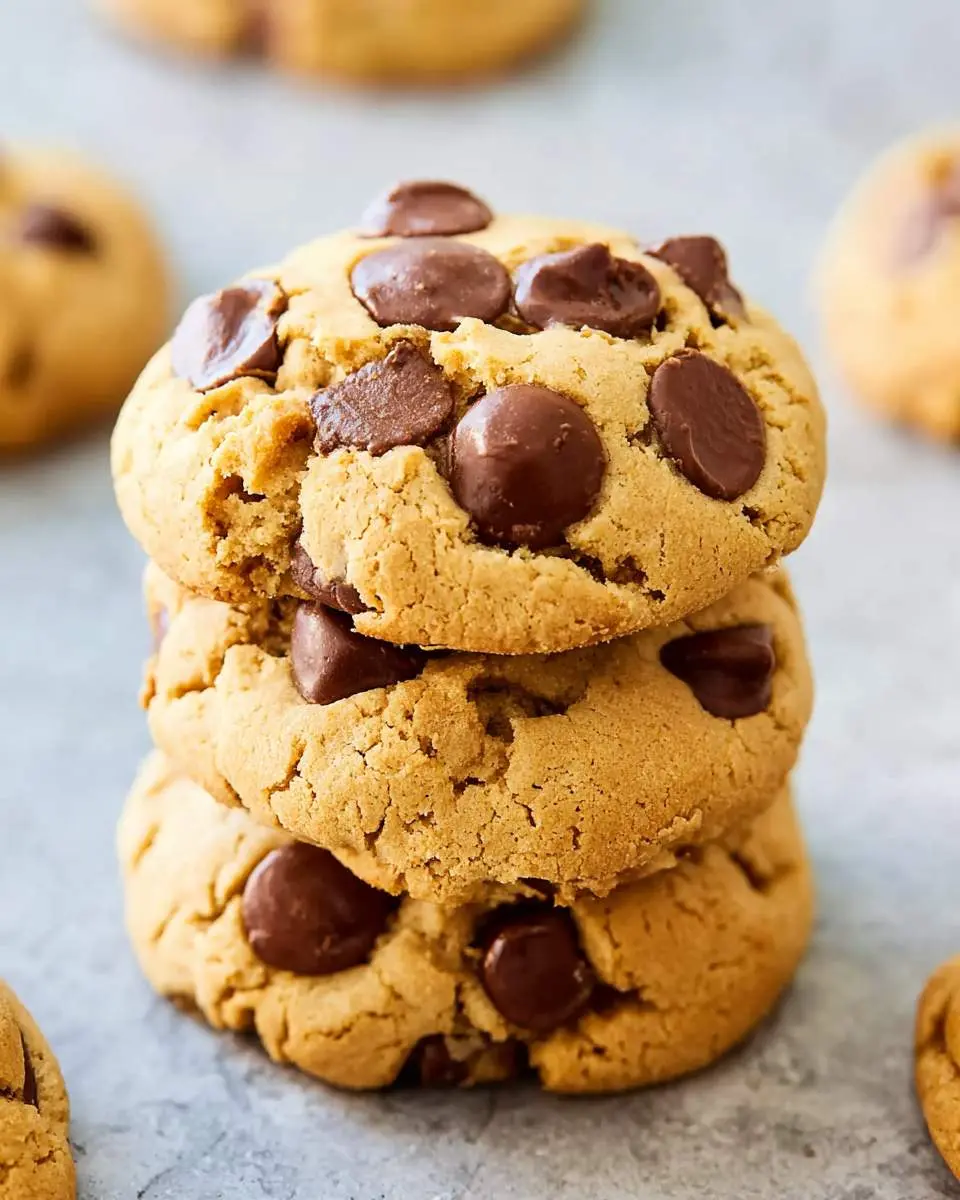
- Room temperature: Store in an airtight container with a slice of bread for up to 5 days. The bread keeps the centers soft without adding moisture directly to the cookies.
- Refrigerator: Not recommended. The cold air hardens the olive oil and creates an unpleasant waxy texture that does not recover well.
- Freezer, baked: Cool completely, then layer between parchment in a freezer-safe container for up to 3 months. Thaw at room temperature for 30 minutes.
- Freezer, dough: Scoop into balls, freeze on a sheet until solid, then transfer to a bag for up to 2 months. Bake from frozen, adding 2-3 minutes to the timer.
- Reheating: A 10-second blast in the microwave restores that just-baked warmth and softness better than the oven, which can over-crisp the edges.
Nutritional Benefits
I am not going to pretend these are health food, but I do appreciate that olive oil brings something butter cannot: monounsaturated fats that support heart health, plus polyphenols that would be destroyed by the high heat of baking but still leave trace benefits in the final cookie. The olive oil chocolate chip cookies also tend to feel more satisfying in smaller quantities, maybe because the fat is more complex, or maybe because the flavor lingers longer on your palate.
FAQs
Can I use any olive oil for these cookies?
Stick with a mild, fruity extra-virgin olive oil. Robust or peppery varieties overwhelm the chocolate and vanilla, creating a bitter aftertaste that fights instead of complements.
Why did my cookies spread too much?
Your dough likely needed more chilling time. Olive oil stays liquid at cooler temperatures than butter, so a full 45-minute rest in the refrigerator is essential for structure.
Can I make these olive oil chocolate chip cookies vegan?
Yes, replace the egg with a flax egg or three tablespoons of aquafaba. The texture shifts slightly toward cake-like, but the olive oil flavor remains beautifully prominent.
Do these taste like olive oil or like regular chocolate chip cookies?
They taste like an elevated version: the olive oil adds a subtle fruitiness and complexity that reads as “why does this taste so good” rather than “this tastes like salad dressing.”

Olive Oil Chocolate Chip Cookies
Ingredients
Equipment
Method
- Position a rack in the center of your oven and preheat to 375 degrees F. Line a baking sheet with parchment paper or a silicone mat.
- In a large bowl, whisk together the olive oil, granulated sugar, and brown sugar until well combined and glossy, about 1 minute. The mixture will look like wet sand. Add the egg and vanilla and whisk vigorously until the mixture is smooth and slightly thickened, about 30 seconds.
- Add the flour, baking soda, and salt directly to the bowl. Switch to a rubber spatula and stir until just combined with no dry streaks remaining. Do not overmix. The dough will be soft and slightly oily - this is correct.
- Add the chocolate chips and fold in until evenly distributed throughout the dough.
- Using a cookie scoop or tablespoon, portion dough into 1.5-inch balls and place 2 inches apart on the prepared baking sheet. Bake until the edges are set and golden brown but the centers still look slightly underdone, 10 to 12 minutes. The cookies will look puffy when they come out.
- Let the cookies cool on the baking sheet for 5 minutes - they will fall and crackle on top as they cool. Transfer to a wire rack to cool completely. Sprinkle with flaky salt while warm if desired.
Notes
Conclusion
I still love butter cookies, I truly do. But these olive oil chocolate chip cookies have earned their own permanent place in my rotation, especially on nights when I want something that feels both comforting and a little unexpected. Bake a batch, break one warm from the pan, and tell me if you do not end up a convert too. For another adventurous twist on the classic, try my miso chocolate chip cookies.