Glazed Donuts
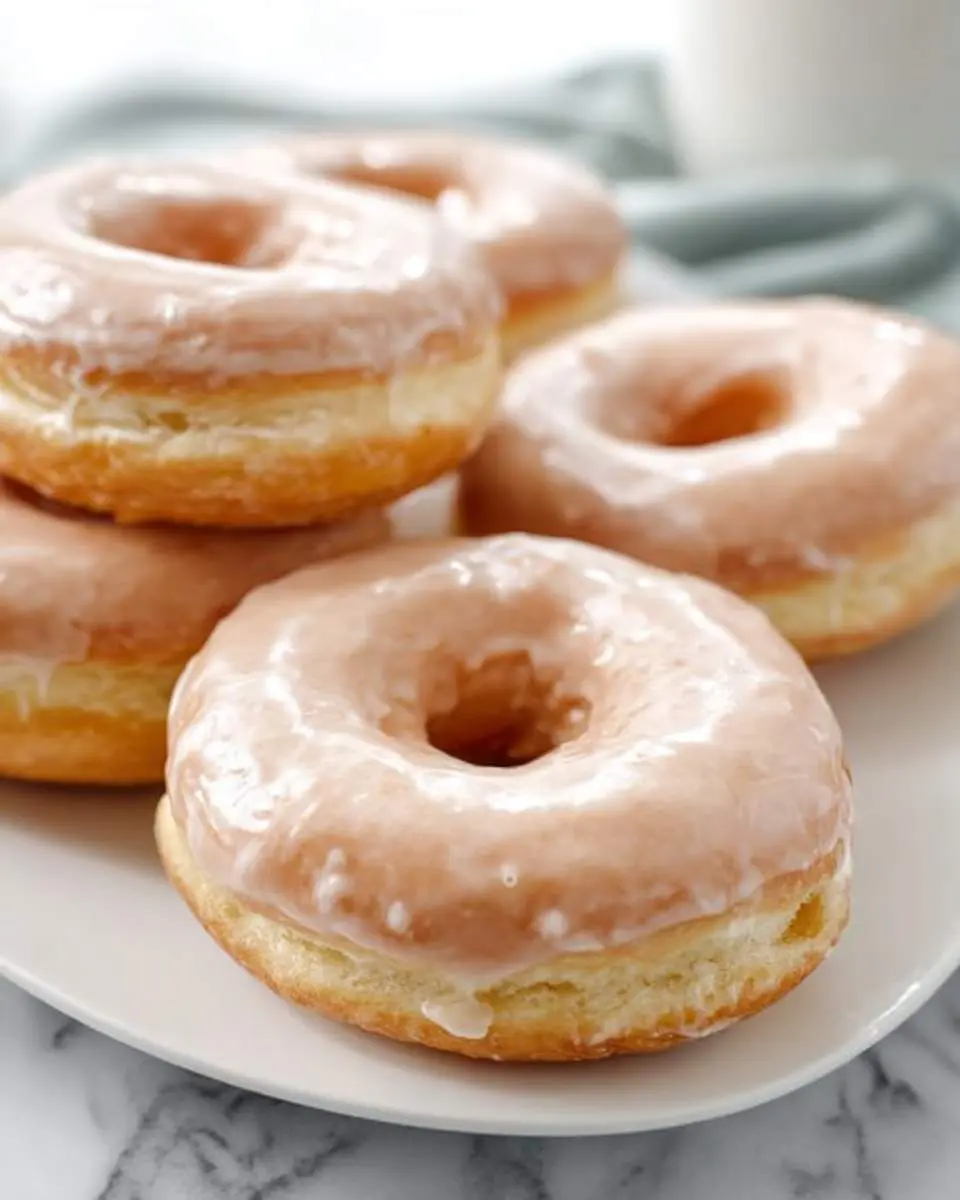
The first time I pulled a batch of warm, pillowy circles from hot oil, my kitchen smelled like a Saturday morning from my childhood. I had finally cracked the code on homemade glazed donuts, and I stood there in my flour-dusted apron grinning like an idiot at 7 AM. That shatter-thin sugar coating cracking between my teeth was everything I had been chasing.
My grandmother never made donuts herself, but she bought them religiously from a shop on Maple Street that closed back in 2008. I used to peel the glaze off in strips, savoring each sticky piece before eating the soft bread underneath. Recreating that ritual in my own kitchen felt like I was keeping something alive that I didn’t want to lose.
These donuts are simpler than you might expect, and the payoff is ridiculous. If you are craving something sweet and nostalgic, you might also love my Oreo Fluff for a no-fuss dessert fix.
What You Need to Make This Recipe
The dough starts with bread flour, which gives these glazed donuts their signature chew and structure that all-purpose simply cannot match. Whole milk, warmed just to the edge of uncomfortable on your wrist, wakes up the yeast and creates that tender, airy crumb you are after. I always reach for unsalted butter so I control the salt level myself, and a touch of nutmeg in the dough adds warmth without screaming for attention. The glaze is nothing fancy , confectioners’ sugar, milk, and a whisper of vanilla , but timing matters more than technique here. For another creamy treat, try my no-bake peanut butter cheesecake that skips the oven entirely.
How to Make Glazed Donuts
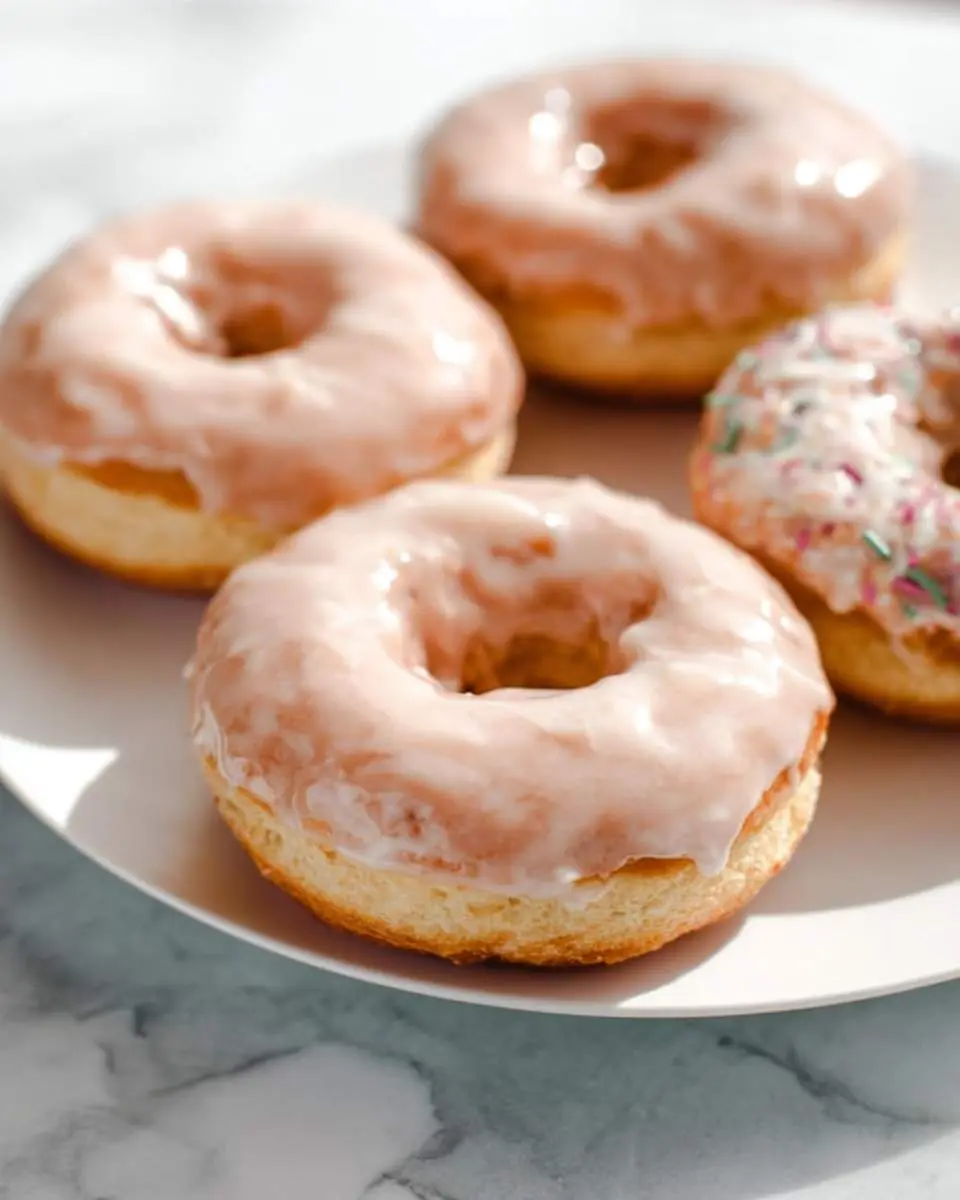
I start the night before, mixing the dough and letting it rise slowly in the refrigerator while I sleep. The cold fermentation builds flavor that a quick rise simply cannot replicate, and in the morning I just roll, cut, and let them proof on the counter while my coffee brews. The oil hits 350°F on my thermometer, and I fry in small batches because crowding drops the temperature and gives you greasy, sad rings instead of golden puffs.
The moment that matters most is the flip , about 60 seconds in, when the underside turns the color of a copper penny and the kitchen fills with this warm, yeasty, almost vanilla perfume. I drain them on a wire rack, not paper towels, which keeps the bottom from steaming itself soggy. The glaze happens while they are still warm enough to melt the sugar slightly but not so hot that it all slides off into the bowl. That sweet spot is roughly two minutes of resting. If you prefer a baked version, my baked chocolate glazed donuts are a lighter alternative worth bookmarking.
Pro Tips
Use a heavy Dutch oven for frying. The thick cast iron holds temperature steady, so you are not chasing the dial between batches and ending up with raw centers or burnt shells.
Cut with a sharp biscuit cutter, then twist. A dull cutter pinches the edges shut and your glazed donuts will not puff properly , they will look like sad, dense bagels instead of airy clouds.
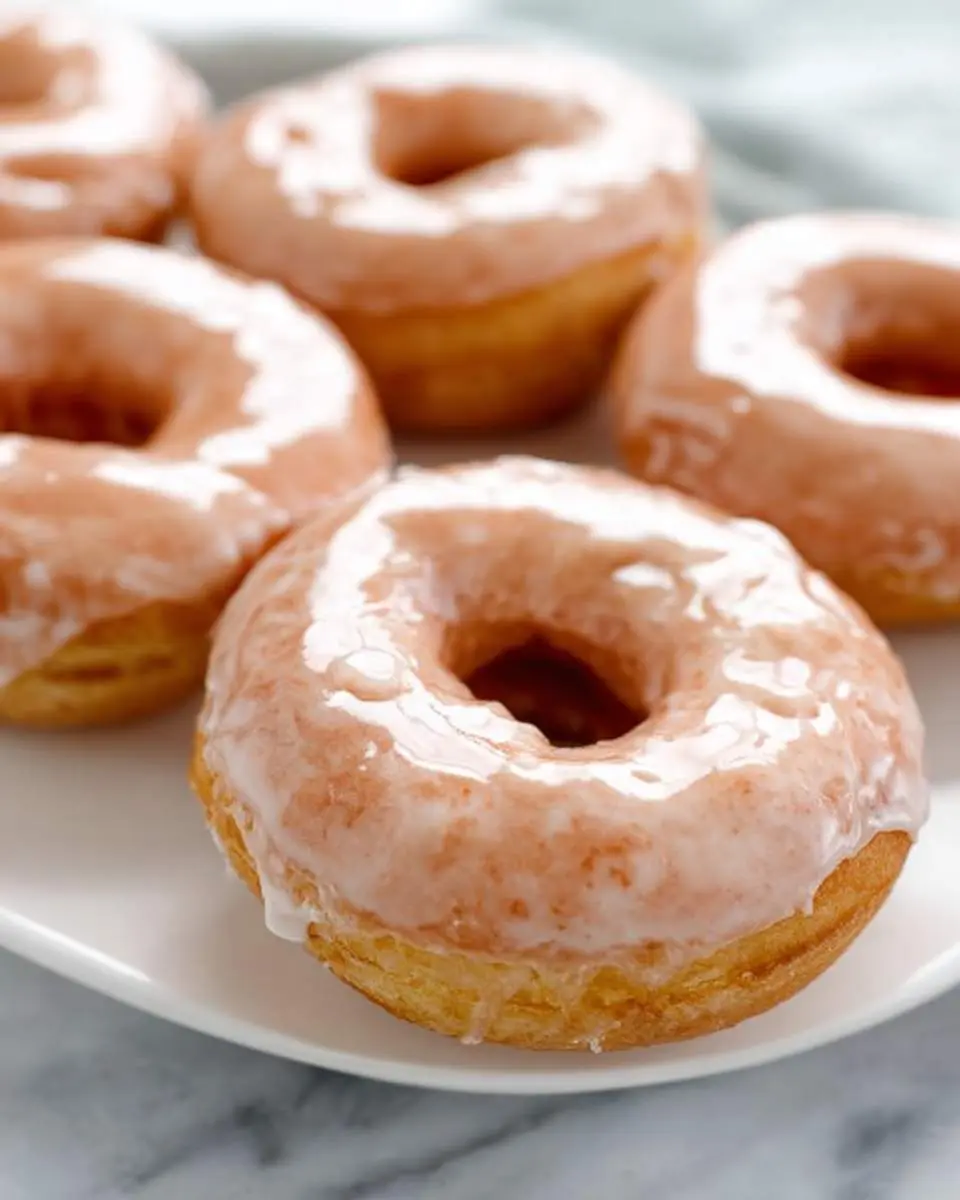
Make the glaze thinner than you think. It should coat the back of a spoon but drip off easily; thick glaze sets too fast and cracks instead of forming that signature smooth, glassy skin we all want.
My Secret Trick: I add a pinch of kosher salt to the glaze, which sounds wrong but absolutely is not , it makes the sweetness taste deeper and more complex, like the best bakery versions you have ever had.
How to Store Glazed Donuts
- Room temperature in an airtight container for up to 24 hours , beyond that, the glaze weeps and the texture suffers
- Refrigerate for 2-3 days maximum, layered between parchment paper in a sealed container; bring to room temperature before eating for best texture
- Freeze unglazed donuts only, wrapped tightly in plastic then foil, for up to 2 months; thaw overnight and glaze fresh
- Reheat day-old donuts in a 300°F oven for 4-5 minutes to restore the exterior crispness without drying the crumb
Nutritional Benefits
These glazed donuts are not health food and I will not pretend otherwise, but there are small wins worth noting. The yeast fermentation process actually increases B-vitamin availability in the dough, and using whole milk instead of water adds a meaningful dose of calcium and protein to each ring. The egg in the dough contributes choline, which supports brain function, though I freely admit nobody is eating donuts for their vitamin content.

FAQs
Why are my donuts greasy instead of light and fluffy?
Your oil temperature was too low, causing the dough to absorb fat instead of quickly sealing the exterior. Always use a thermometer and maintain 350°F throughout frying, adjusting your burner as needed between batches.
Can I make the dough ahead and fry later?
Absolutely , the overnight cold rise in the refrigerator actually improves flavor development. Shape and cut in the morning, let them proof 45 minutes at room temperature, then fry as directed for fresh glazed donuts with minimal morning effort.
How do I know when the donuts are fully cooked inside?
They should float freely and turn golden in about 90 seconds per side. If you are unsure, break one open , the interior should be fully set, soft, and steamy with no raw dough streaks near the center ring.
Can I bake these instead of frying?
This specific dough is formulated for frying and will not bake well , the texture will be dense and dry. For a baked alternative, try my matcha version with almond glaze that is designed for the oven.

Glazed Donuts
Ingredients
Equipment
Method
- In a large bowl, whisk together warm milk, yeast, and 1 tablespoon of the sugar. Let stand until foamy, about 5 minutes. Add remaining sugar, beaten egg, melted butter, flour, and salt. Stir with a wooden spoon until a shaggy dough forms, then turn out onto a lightly floured surface.
- Knead the dough for 8-10 minutes until smooth, elastic, and slightly tacky but not sticky. It should pass the windowpane test - stretch a small piece thin enough to see light through without tearing. Add flour sparingly if needed, but a softer dough makes lighter donuts.
- Place dough in a lightly oiled bowl, turn to coat, and cover with plastic wrap. Let rise in a warm spot until doubled in size, 60-75 minutes. The dough should hold a gentle indent when pressed.
- Punch down dough and roll on a floured surface to about 1/2-inch thick. Cut with a 3-inch round cutter, then use a 1-inch cutter to remove centers. Gather scraps, re-roll once, and cut again. Place donuts and holes on floured baking sheets, cover loosely, and let rise 30-40 minutes until puffy and nearly doubled.
- Heat oil to 350 degrees F in a heavy pot. Fry 2-3 donuts at a time, 60-90 seconds per side, until deep golden brown. Adjust heat to maintain temperature. Drain on a wire rack set over a baking sheet. Fry holes for 45-60 seconds total, rolling them occasionally.
- Whisk confectioners' sugar, milk, and vanilla until smooth - the glaze should be thick but pourable, like honey. Dip warm donuts top-side down into glaze, let excess drip off, then return to rack glaze-side up. Let set 15 minutes before serving.
Notes
Conclusion
There is something almost meditative about making glazed donuts from scratch , the slow rise, the hot oil, that first crack of sugar between your teeth. I hope you carve out a lazy morning and give these a try. If you want to explore more donut adventures, my matcha doughnuts with almond glaze are a beautiful green twist on the classic.