Italian Ricotta Cookies
The first time I tasted a ricotta cookie, I was standing in my grandmother’s cramped Brooklyn kitchen, watching her dust powdered sugar over a plate of pale, pillowy rounds that looked nothing like the crisp cookies I grew up with. She called them Italian Ricotta Cookies, and I remember biting into one still warm from the oven , the texture stopped me mid-chew. It was soft, almost cake-like, with this gentle tang that made me reach for a second before I’d finished the first.
That was fifteen years ago, and I’ve been chasing that exact texture ever since. I’ve had versions that were too dense, too sweet, too dry , the kind that sit in your throat and make you reach for milk. My grandmother never wrote her recipe down, so I spent three winters testing batches, adjusting ratios, until one Sunday afternoon the smell in my kitchen matched that Brooklyn afternoon perfectly.
What I landed on feels like hers, but it’s mine now too. If you’re in the mood for something seasonal, my pumpkin crinkle cookies are another soft, cakey favorite that reminds me of her fall baking.
What You Need to Make This Recipe
The ricotta is everything here , not the watery stuff from the tub, but the thick, creamy whole milk ricotta that holds its shape when you drag a spoon through it. That moisture is what creates the tender crumb, and skimping here gives you dry, disappointing results. I use good unsalted butter, softened just enough to leave a gentle fingerprint, and a full tablespoon of fresh lemon zest that wakes up the whole cookie without making it taste like dessert at a diner. The glaze needs real vanilla extract, the kind that costs more than you’d like but perfumes your whole kitchen. If you’re a cookie baker like me, you might also love these coffee cookies that lean on another unexpected dairy trick for their texture.
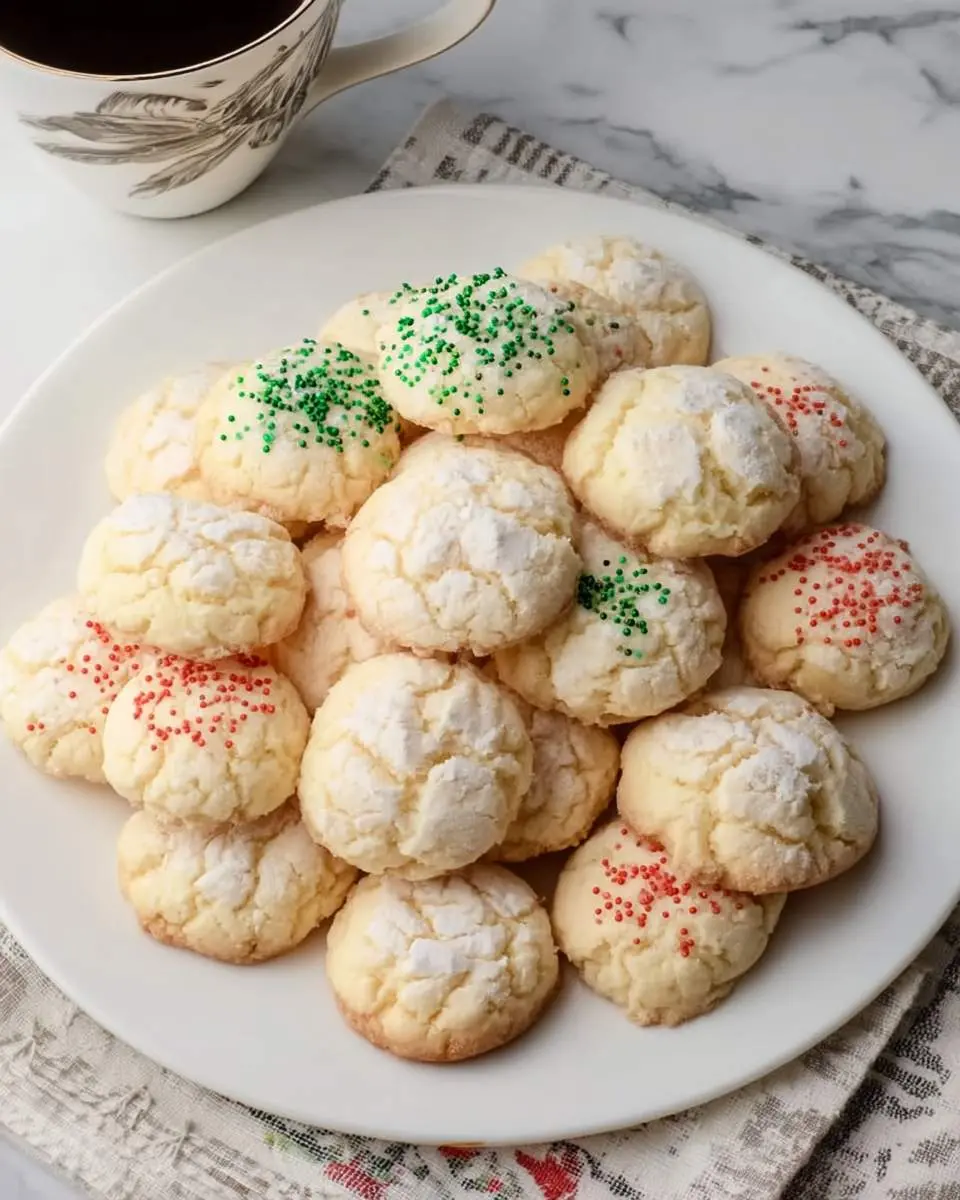
How to Make Italian Ricotta Cookies
I start by beating the butter and sugar until the mixture turns almost white and fluffy , this takes longer than you think, a full four minutes, and the texture changes from gritty to something that looks like thick frosting. The ricotta goes in next, and the batter loosens into this pale, speckled cream that smells faintly of fresh cheese. Eggs and lemon zest follow, and I always stop the mixer to scrape the bowl twice; the zest loves to hide against the sides.
The dry ingredients come together in a separate bowl, and I add them in three additions, mixing just until the flour disappears. The dough is soft, almost too soft to roll, which is exactly right , I use two spoons to drop rough mounds onto parchment, giving them space to spread into domes. The oven fills with a warm, lemony smell, and at twelve minutes exactly, the bottoms turn golden while the tops stay pale with just a kiss of color at the edges. They look underdone; they are not. I let them sit on the hot pan for five full minutes before moving them, where they finish setting into that perfect cake-like texture. While they cool, I whisk powdered sugar with milk and vanilla until it ribbons off the spoon, then dip each cookie top-down into the glaze, letting the excess drip back into the bowl. The glaze cracks slightly as it dries, that signature look my grandmother’s always had. For another citrus-kissed cookie with a completely different personality, try my lemon sugar cookies.
Pro Tips
Drain your ricotta overnight even if it looks thick. I line a fine mesh strainer with cheesecloth, set it over a bowl, and let it sit in the fridge , that extra half-cup of whey that drains out is the difference between tender and soggy cookies that spread into pancakes.
Chill the shaped dough for twenty minutes before baking if your kitchen runs warm. The butter firms up just enough to help the cookies hold their height, giving you that distinctive dome instead of flat discs.
Glaze within two hours of serving for the prettiest crackle. The glaze stays soft underneath but develops a thin, matte shell that shatters slightly when you bite , that textural contrast is half the pleasure.
My Secret Trick: I add a pinch of fine sea salt to the glaze itself, not just the dough. It sounds small, but that tiny salinity against the sweet vanilla makes the lemon in the cookie pop in a way that surprises people , they can’t place why these taste more complex than other Italian Ricotta Cookies they’ve tried.
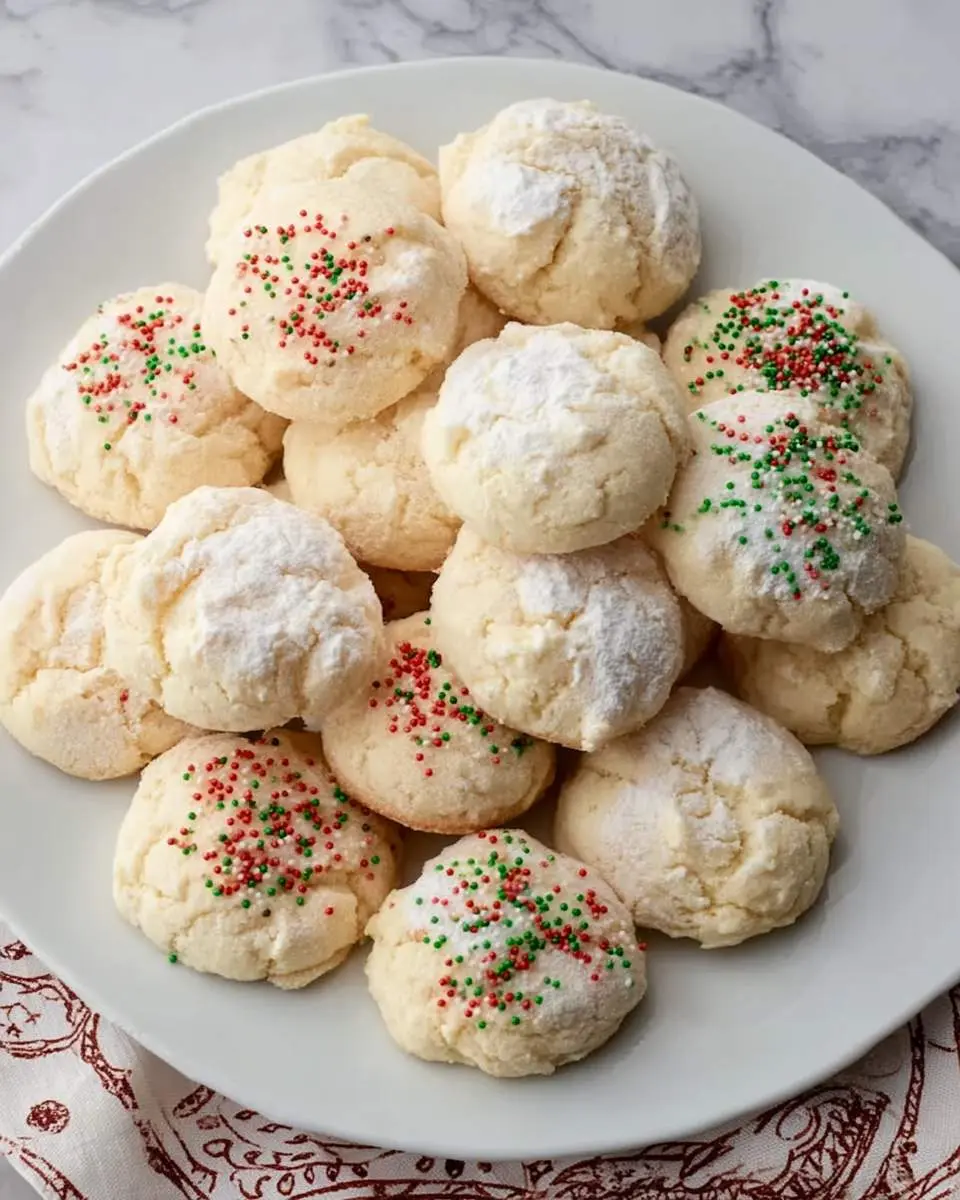
How to Store Italian Ricotta Cookies
- Store unglazed cookies in an airtight container at room temperature for up to 3 days; glaze only what you plan to eat within 24 hours for the best texture.
- Once glazed, refrigerate in a single layer in a sealed container for up to 5 days; let sit at room temperature for 15 minutes before serving to soften the glaze.
- Freeze unglazed cookies in a freezer bag with parchment between layers for up to 2 months; thaw overnight in the refrigerator and glaze fresh.
- Reheat thawed or refrigerated cookies in a 300°F oven for 4-5 minutes to restore the tender, just-baked texture.
Nutritional Benefits
These Italian Ricotta Cookies carry more protein than your average treat thanks to the whole milk ricotta, which also contributes calcium and a dose of phosphorus that supports bone health. The lemon zest adds a small but real hit of vitamin C and flavonoids, and I always feel better knowing I’m getting something beyond empty calories when I reach for my third cookie with afternoon coffee.
FAQs
Can I use low-fat ricotta instead of whole milk?
Low-fat ricotta contains more moisture and less fat, which produces drier, less tender cookies. If it’s all you can find, drain it overnight and add one extra tablespoon of butter to compensate for the missing fat content.
Why did my cookies spread too flat?
Your butter was likely too soft or your ricotta wasn’t drained enough. Both add excess liquid that destroys structure. Next time, chill the dough twenty minutes before baking and check your ricotta’s consistency.
How do I get the glaze to crack like yours?
The glaze needs to be thick enough to hold its shape but thin enough to settle smoothly. Dip cookies while completely cool, then let them sit undisturbed at room temperature for at least one hour to develop that signature matte crackle.
Can I make the dough ahead and bake later?
Yes, these Italian Ricotta Cookies work beautifully as a make-ahead project. Cover the dough directly on its surface with plastic wrap and refrigerate up to 48 hours; let it soften slightly at room temperature before scooping and baking.
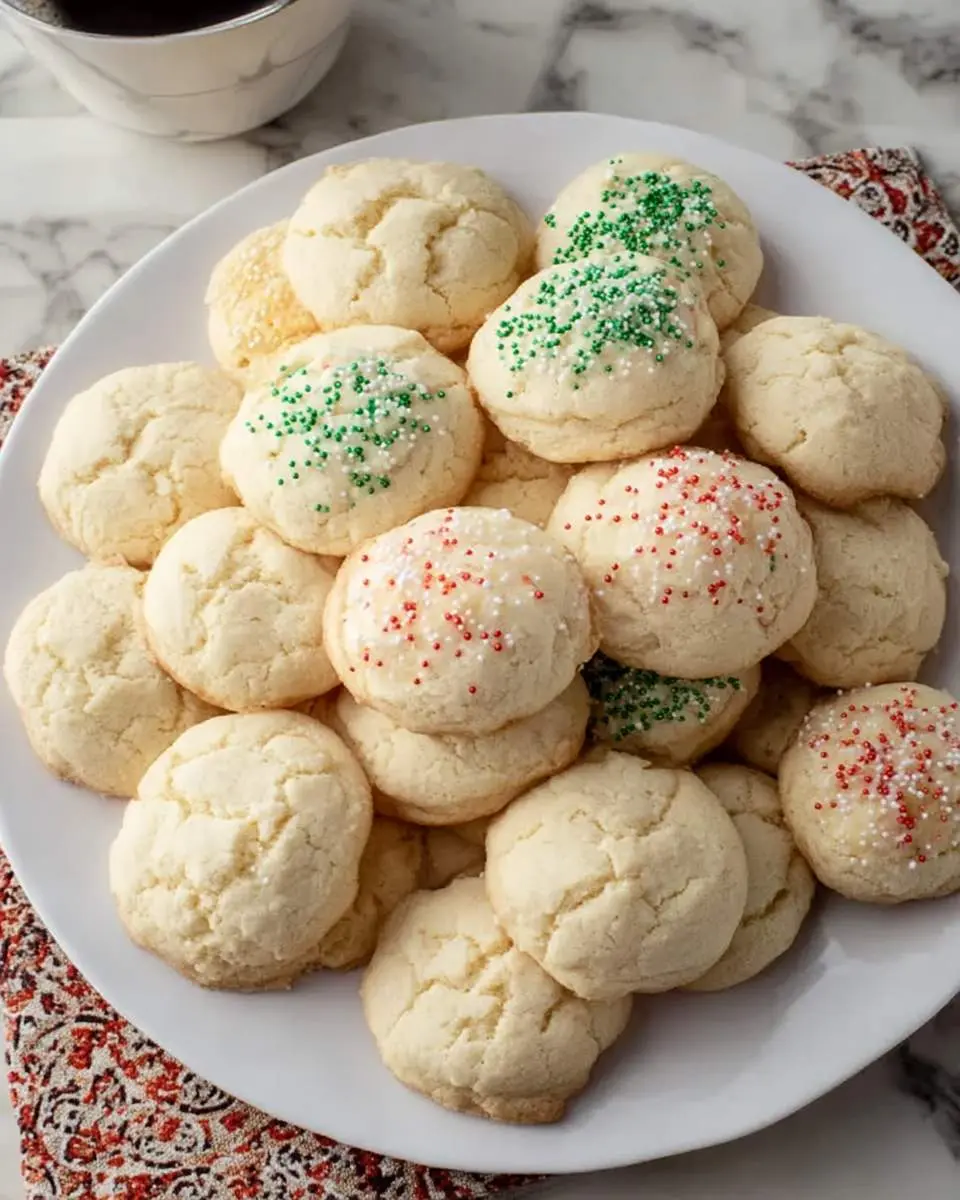

Italian Ricotta Cookies
Ingredients
Equipment
Method
- Preheat oven to 350 degrees F. Line two baking sheets with parchment paper. If your ricotta seems watery, place it in a fine-mesh sieve and let drain for 10 minutes while you gather other ingredients.
- In a large bowl, beat softened butter and granulated sugar with an electric mixer on medium speed until light and fluffy, about 3 minutes. The mixture should look pale and almost creamy.
- Add ricotta, eggs, vanilla, and almond extract. Beat on medium-low until just combined. The batter will look slightly curdled at first but will smooth out.
- Add flour, baking powder, and salt. Mix on low speed until a soft, sticky dough forms. Do not overmix. The dough will be much softer than typical cookie dough, more like thick cake batter.
- Using a 1-tablespoon cookie scoop or two spoons, drop rounded tablespoons of dough onto prepared baking sheets, spacing 2 inches apart. The cookies spread very little.
- Bake 12 to 15 minutes, until cookies are puffed and just set. They should not brown on top, only very lightly on the bottom edges. They will look slightly underdone in the center but firm up as they cool.
- Let cookies rest on baking sheets for 5 minutes, then transfer to wire racks to cool completely before glazing, about 30 minutes. Warm cookies will melt the glaze.
- Whisk powdered sugar, milk, and almond extract until smooth and pourable, like thick cream. Dip the top of each cooled cookie into the glaze, letting excess drip off, then return to racks. Add sprinkles immediately while glaze is wet. Let set for 30 minutes before serving.
Notes
Conclusion
I still think of my grandmother’s kitchen every time I make these Italian Ricotta Cookies , the way she’d hum off-key, the flour dust on her cardigan, the insistence that good baking takes patience. I hope they find a place in your own memories, too. If you love nutty, tender cookies with European roots, my almond cookies carry that same spirit in a completely different direction. Bake them slow, eat them warm, and share them generously.