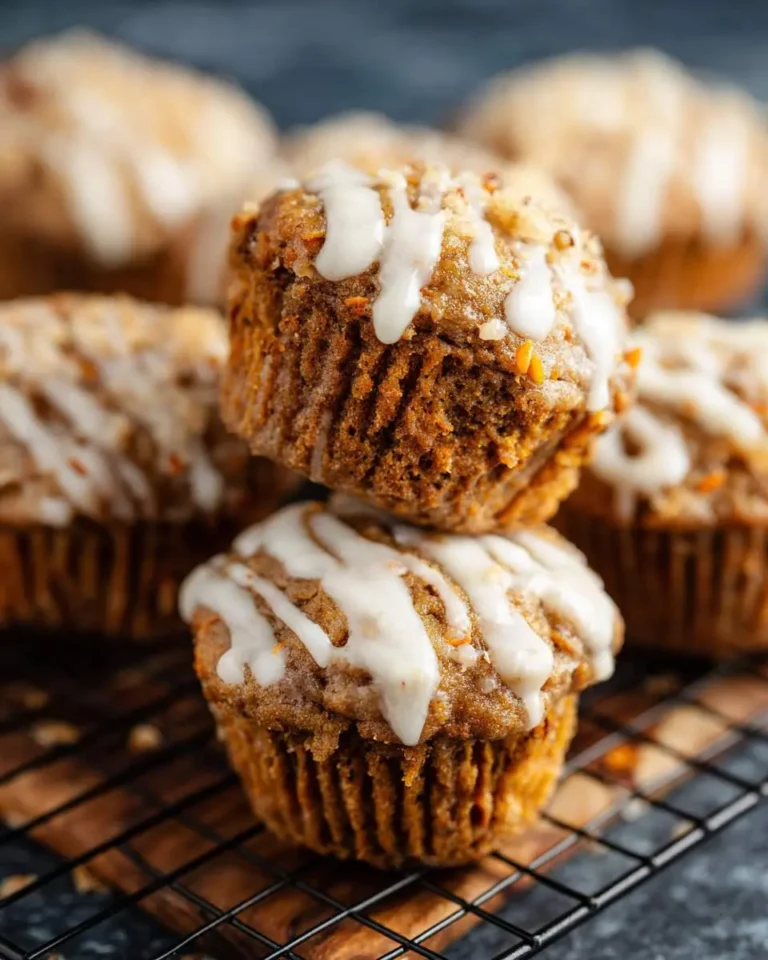
Almond cookies
The first time I pulled a batch of almond cookies from my oven, the smell stopped me in my tracks. That warm, toasty fragrance of almonds turning golden in butter filled my kitchen like a memory I didn’t know I had. I stood there for a full minute, just breathing it in.
My grandmother kept a tin of store-bought almond cookies in her pantry that she’d offer with tea after school. They were fine, but nothing special. When I finally made my own, I understood what she’d been reaching for all those years—that delicate, nutty sweetness that feels both elegant and completely comforting.
These cookies have become my signature bake, the one friends request by name. If you’re building your cookie repertoire, you might also love my brown butter chocolate chip cookies—another recipe where patience transforms simple ingredients into something extraordinary.
What You Need to Make This Recipe
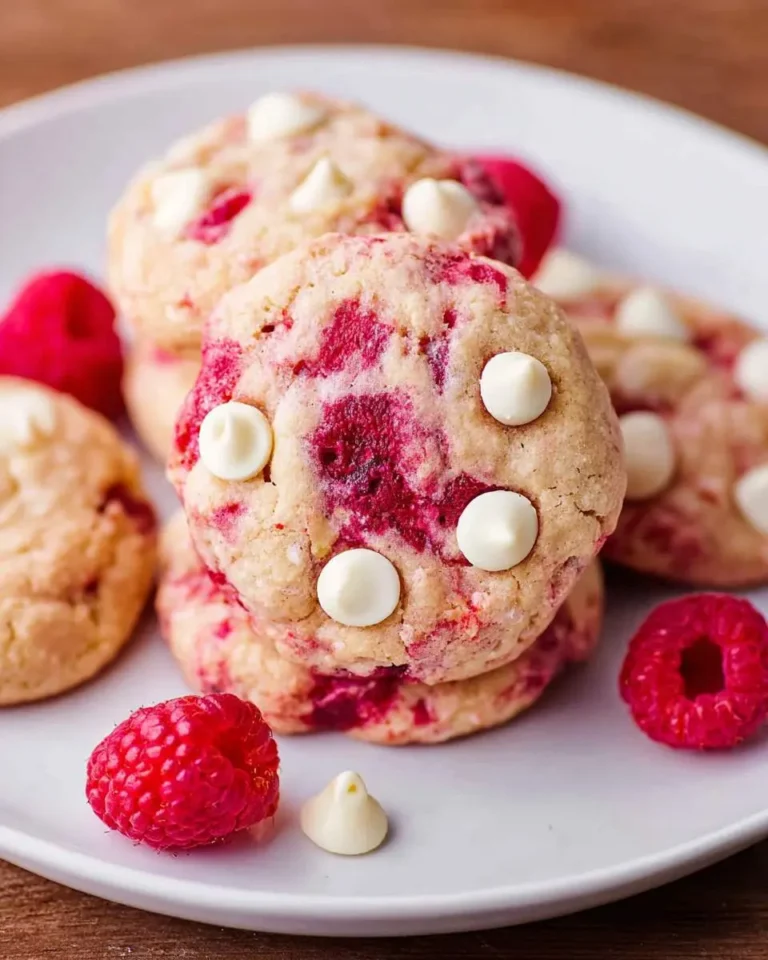
The magic of these almond cookies starts with almond flour, which gives them that tender, almost melt-in-your-mouth crumb you can’t achieve with wheat flour alone. I use pure almond extract—just a teaspoon—to amplify that nutty depth without tasting artificial. And please don’t skip the sliced almonds pressed into the tops; they toast in the oven and create these irresistible crisp edges that contrast beautifully with the soft center. For another cookie that celebrates fruit and white chocolate, try my white chocolate raspberry cookies.

How to Make Almond cookies
I start by creaming butter and sugar until the mixture turns almost white and fluffy—this takes longer than you think, about four minutes, but it’s where the lightness begins. The almond flour and all-purpose flour get folded in gently, just until you don’t see streaks anymore. The dough feels different than standard cookie dough, softer and more yielding.
I chill the dough for thirty minutes, which makes it scoopable but still pliable. The cookies spread just enough in the oven to develop those characteristic crinkled tops. You’ll know they’re done when the edges turn the color of toasted bread and your kitchen smells like an Italian bakery. If you’re feeling ambitious with almond flavors, my strawberry cheesecake macarons with white chocolate drizzle use similar techniques with spectacular results.
Pro Tips
Don’t overmeasure your almond flour. I spoon it into my measuring cup and level it off—packed almond flour makes dense, heavy cookies that never quite soften properly.
Watch your extract. Pure almond extract is potent stuff, and there’s a fine line between fragrant and soapy. I start with three-quarters of a teaspoon, taste the raw dough (it’s egg-safe here), then add the rest if needed.
Space them generously. These almond cookies spread more than you’d expect from their small scoops. I give them two inches minimum, or they merge into one lumpy sheet.
My Secret Trick: I press the sliced almonds into the dough balls rather than sprinkling them on top—they adhere better and toast more evenly, creating that professional bakery look that makes people think you bought them somewhere fancy.

How to Store Almond cookies
- Room temperature: Store in an airtight container for up to 5 days, with parchment between layers to prevent sticking
- Refrigerator: Not recommended—the cold dries out the almond flour and changes the texture
- Freezer: Freeze baked cookies in a single layer, then transfer to freezer bags for up to 3 months; thaw uncovered at room temperature for 2 hours
- Reheating: Warm in a 300°F oven for 3-4 minutes to restore that fresh-baked crispness
Nutritional Benefits
These almond cookies carry more substance than your average treat thanks to that almond flour base, which contributes protein, fiber, and vitamin E that all-purpose flour simply doesn’t offer. The almonds themselves bring heart-healthy monounsaturated fats and a satisfying richness that means one cookie genuinely satisfies rather than leaving you reaching for a second.

FAQs
Can I make these almond cookies gluten-free?
Yes, replace the all-purpose flour with a 1-to-1 gluten-free baking blend. The texture becomes slightly more delicate, so handle the dough gently and add an extra five minutes of chilling time.
Why did my cookies spread too much?
Your butter was likely too soft or your kitchen was warm. The dough needs that thirty-minute chill to firm up. If your house runs hot, extend chilling to forty-five minutes.
Can I substitute vanilla for almond extract?
You can, but you’ll lose the signature flavor. If almond extract feels too strong, use half almond and half vanilla for a milder, more nuanced taste that still reads clearly as almond.
How do I know when they’re done baking?
Look for golden edges with pale, slightly puffy centers. They’ll seem underdone—that’s correct. They firm up as they cool on the baking sheet for five minutes before transferring to a rack.


Almond Cookies
Ingredients
Equipment
Method
- Preheat oven to 350 degrees F. Line two baking sheets with parchment paper.
- In a large bowl, whisk together almond flour, sugar, salt, and baking powder until no lumps remain.
- Pour in melted butter, beaten egg, almond extract, and vanilla extract. Stir with a wooden spoon or spatula until a soft, cohesive dough forms. It will be slightly sticky but should hold together when pressed.
- Scoop rounded tablespoons of dough and roll into balls. Place 2 inches apart on prepared sheets. Press 3 to 4 sliced almonds into the top of each cookie, flattening slightly to about 0.5 inch thick.
- Bake 12 to 14 minutes, rotating pans halfway through, until edges turn golden brown and centers look set but still soft. Let cool on pans 5 minutes, then transfer to wire racks to cool completely.
- Whisk powdered sugar, milk, and almond extract in a small bowl until smooth and pourable. Add milk 1 teaspoon at a time if too thick. Drizzle over cooled cookies and let set 15 minutes before serving.
Notes
Conclusion
These almond cookies have earned their place in my permanent rotation because they feel special without demanding special occasion effort. I hope they find a home in your kitchen too. For another nut-forward cookie with a completely different personality, try my pistachio pudding cookies—they’re delightfully green and impossible to stop eating.