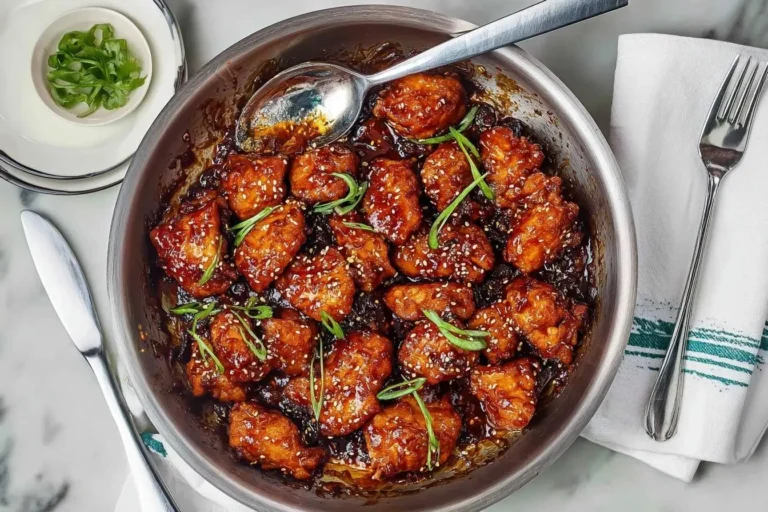
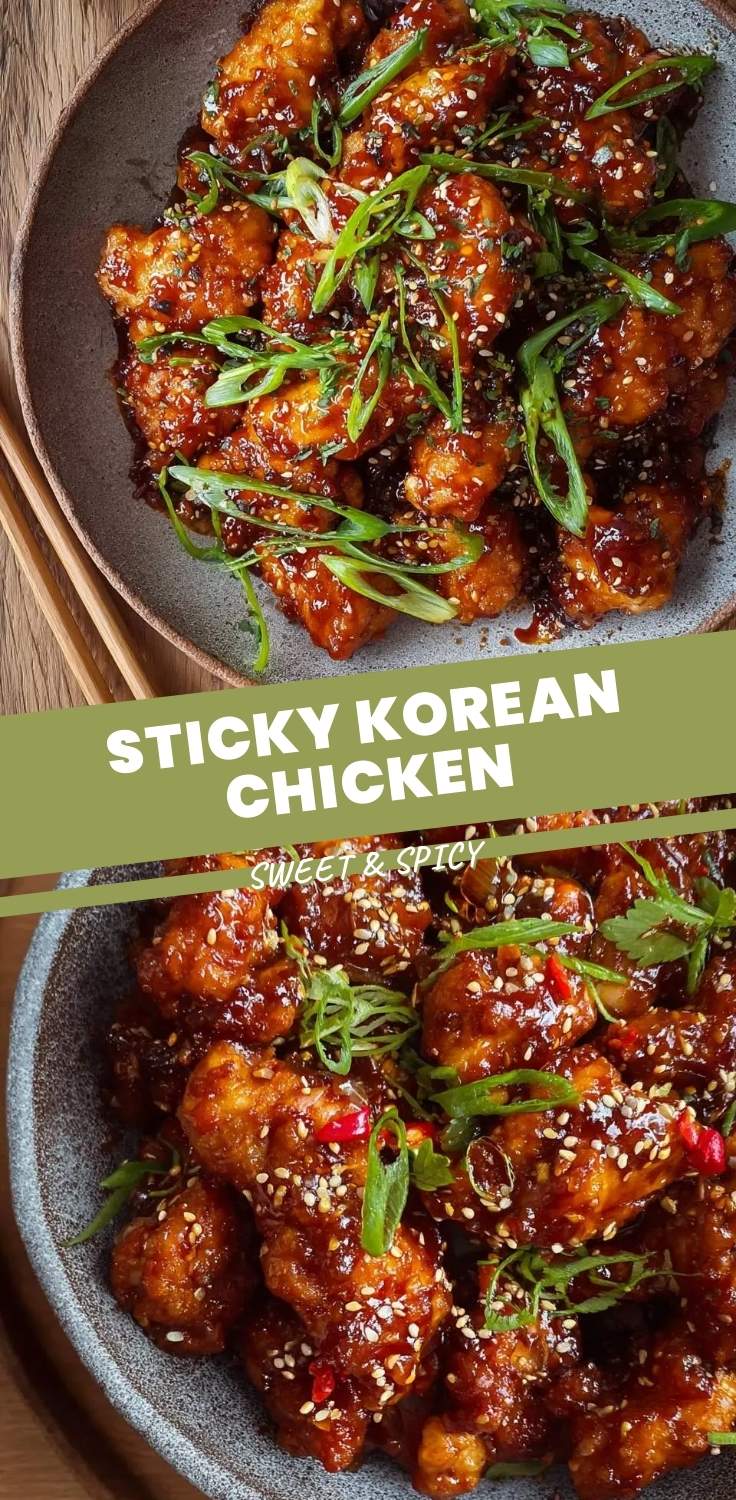
Sticky Korean Chicken
The first time I smelled that caramelized soy-garlic glaze hitting a hot pan, I was standing in my tiny kitchen at 10 p.m., still in my work clothes, chasing a craving I couldn’t name. That sticky, sweet-savory aroma wrapped around me like a blanket, and I knew I had stumbled onto something I would make forever. This is how my obsession with Sticky Korean Chicken began , not with planning, but with pure, hungry instinct.
My grandmother never cooked Korean food, but she believed every great meal started with patience and a good sauce. I think about her when I watch that glaze reduce, bubble by bubble, turning from thin and watery to something that clings to every ridge of the chicken. She would have approved of the waiting.
What I love most is how this dish transforms humble chicken thighs into something that feels like a celebration. If you are as wing-obsessed as I am, you might also love my fish sauce wings , they share that same deep umami obsession.
What You Need to Make This Recipe
The magic here lives in gochujang, that fermented Korean chili paste that brings heat, sweetness, and funk all at once , without it, you just have sweet chicken, not Sticky Korean Chicken. Fresh ginger matters more than you’d think; its bright heat cuts through the richness of the glaze so nothing feels heavy. I always reach for bone-in, skin-on thighs because the fat renders slowly, creating crispy edges that hold onto sauce like nothing else. For another cozy chicken dinner built on pantry staples, my French onion chicken rice bake has saved my weeknights more times than I can count.
How to Make Sticky Korean Chicken
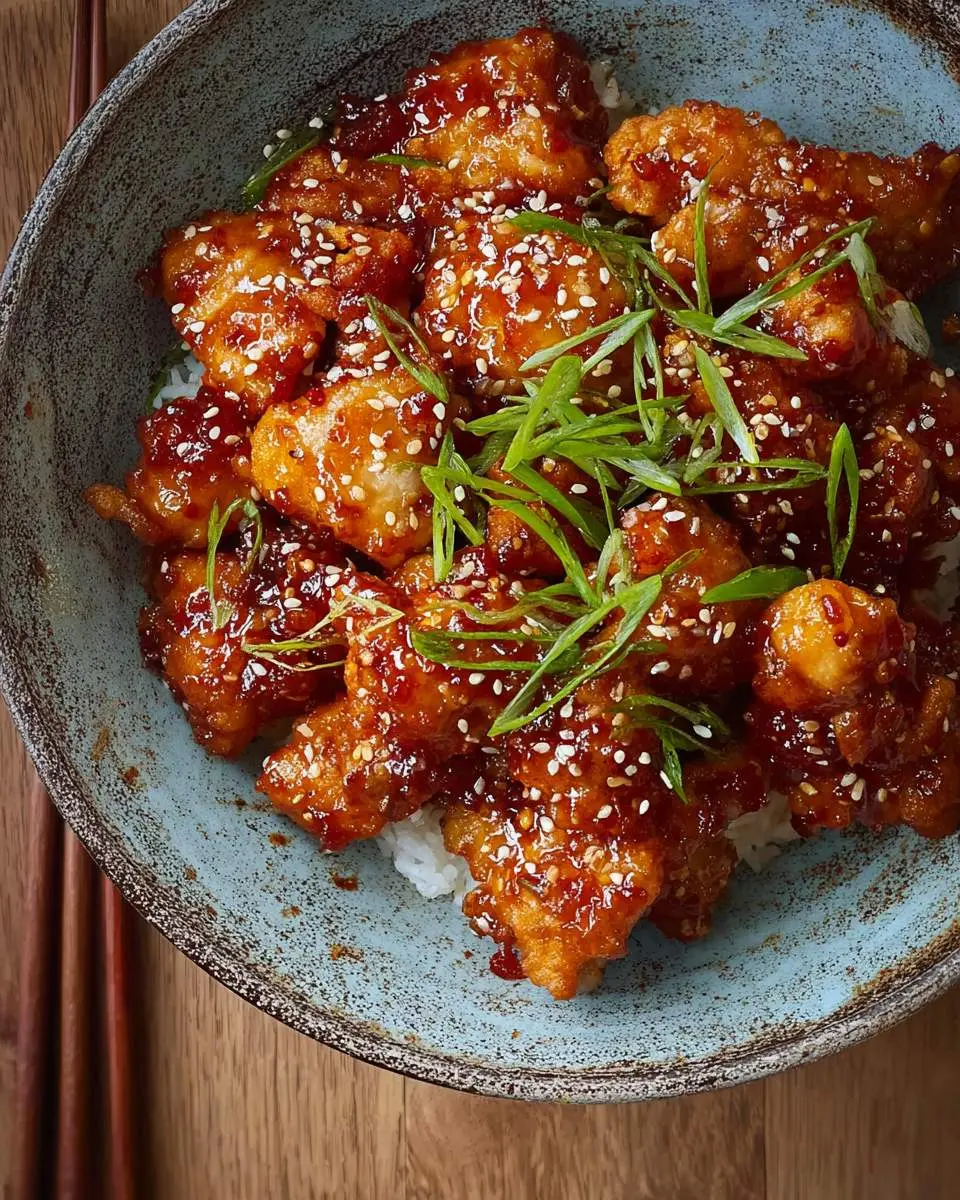
I start by scoring the chicken skin, shallow cuts that let fat escape and sauce seep in. The pan crackles as the thighs hit dry, screaming-hot cast iron , that sound means the skin is shrinking and crisping, not boiling in its own juices. Patience is everything here; I resist the urge to peek for a full seven minutes.
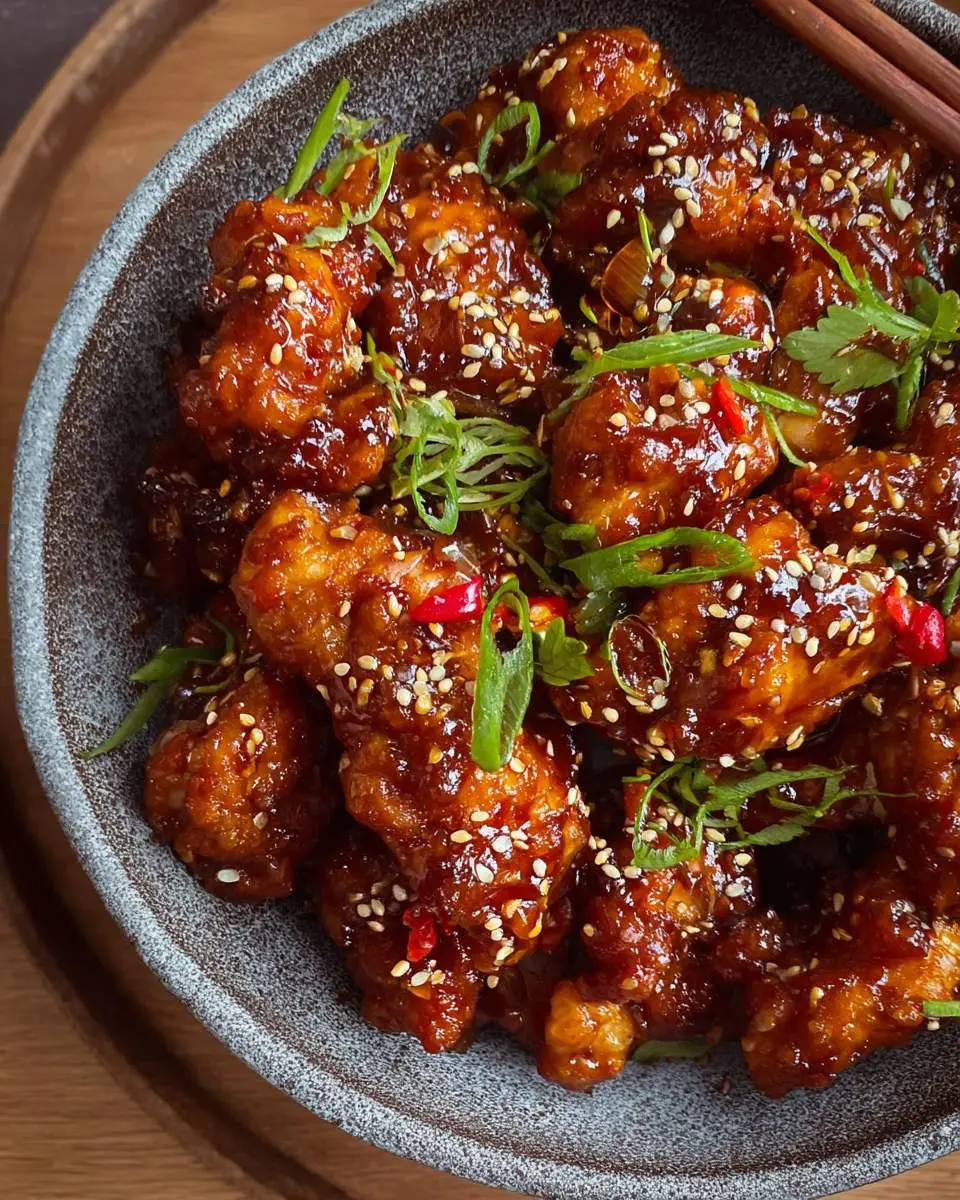
While the chicken rests, I build the glaze in the same pan, scraping up those dark, sticky bits with soy sauce, brown sugar, rice vinegar, and gochujang. The mixture foams and hisses, reducing from watery to thick enough to coat the back of a spoon. When I return the chicken to the pan, the glaze bubbles up around it, lacquering every surface in glossy, deep-red sauce. The smell at this stage is intoxicating , garlic, fermented chili, caramelized sugar , and I always steal a taste, burning my tongue, not caring. If gochujang chicken speaks to you, my gochujang chicken recipe explores that same fermented heat in a completely different way.
Pro Tips
Score the skin deeply but not through to the meat. This creates more surface area for crisping and channels for glaze to pool, giving you those sticky, concentrated bites everyone fights over.
Let the glaze reduce past your comfort zone. It looks too thin right up until the moment it isn’t , pull it too early and you’ll have soupy chicken instead of that true Sticky Korean Chicken lacquer.
Rest the chicken before the final glaze toss. Hot meat sheds moisture; even two minutes of rest means the glaze adheres instead of sliding off onto the plate.
My Secret Trick: I save one tablespoon of the raw glaze before it hits the pan and brush it onto the chicken in the last 30 seconds of cooking , the heat shock creates an extra-glossy, almost candied layer that regular reduction alone can’t achieve.
How to Store Sticky Korean Chicken
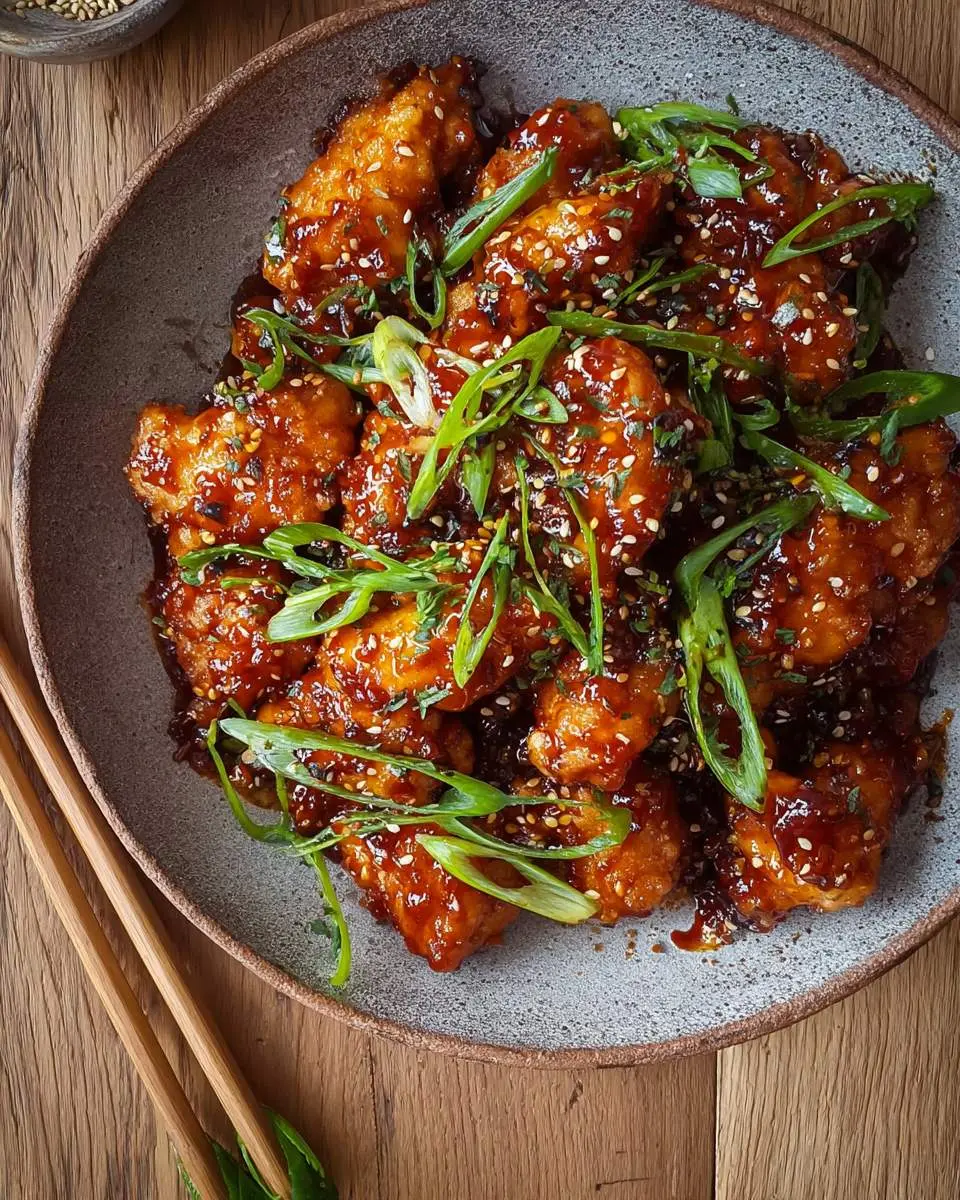
- Refrigerate in an airtight glass container for up to 4 days; the glaze actually improves as it melds with the chicken.
- Freeze only the glazed, cooled chicken in a single layer before transferring to a freezer bag , up to 2 months. The texture suffers less than you’d expect.
- Reheat in a 375°F oven on a wire rack set over a baking sheet for 12-15 minutes; this restores crispness better than any microwave could.
- Reserve any pooled glaze from storage and reheat separately, then drizzle over the top for that just-cooked shine.
Nutritional Benefits
Sticky Korean Chicken delivers real protein from those bone-in thighs, keeping me full for hours without the crash of simpler carb-heavy meals. The gochujang brings capsaicin, which studies suggest may support metabolism, and the fresh ginger adds gingerol , the compound behind ginger’s long history of digestive support. I never cook this thinking about health, but it helps to know the depth of flavor comes with genuine substance.
FAQs
Can I use chicken breasts instead of thighs?
Breasts work but need watching , they dry out faster. I pound them to even thickness and reduce cooking time by about four minutes, then glaze aggressively since they have less fat to carry flavor.
How spicy is this dish really?
My Sticky Korean Chicken sits at medium heat , the gochujang brings warmth that builds, not a slap. For milder, halve the gochujang and add extra brown sugar. For fire, add Korean chili flakes at the end.
What if I don’t have gochujang?
You can approximate with sriracha plus a spoon of miso, but the fermented depth will be thinner. I have made this swap in emergencies; it satisfies the craving but doesn’t fully replace the real thing.
Can I make the glaze ahead of time?
Absolutely , I often mix soy, sugar, vinegar, and gochujang up to three days ahead. The flavors actually marry better, and it saves precious minutes on busy nights when I need dinner fast.

Sticky Korean Chicken
Ingredients
Equipment
Method
- In a small bowl, whisk together gochujang, soy sauce, honey, rice vinegar, sesame oil, garlic, and ginger until smooth. Set aside.
- Pat chicken thighs completely dry with paper towels - this is crucial for crispy skin. Season both sides with salt and pepper.
- Heat oil in a large skillet over medium-high heat until shimmering. Add chicken skin-side down and cook without moving for 6-7 minutes until the skin is deeply golden and releases easily from the pan. Flip and cook 4 minutes more. Transfer to a plate; pour off all but 1 tablespoon of fat.
- Reduce heat to medium. Pour the sauce into the skillet and simmer for 1 minute until bubbling and fragrant. Return chicken to the pan, skin-side up, and spoon sauce over the top.
- Continue cooking, basting chicken occasionally with the bubbling sauce, until the sauce has reduced to a thick, sticky glaze that coats the back of a spoon and chicken registers 165°F at the thickest part, about 8-10 minutes. Watch closely - the honey can burn if the heat is too high.
- Transfer chicken to plates over rice. Spoon any remaining glaze from the pan over the top. Scatter with scallions and sesame seeds.
Notes
Conclusion
I still make this Sticky Korean Chicken on tired weeknights when I need something that feels like care, not effort. The glaze never fails to surprise me , how something so simple becomes so completely itself. If you fire up the grill instead, my Korean BBQ chicken skewers carry that same spirit into summer. Make this once, and I suspect it will find its way into your regular rotation too.