Korean BBQ Chicken Skewers
The first time I smelled gochujang hitting hot oil, I knew my grilling life had changed forever. That deep, funky heat wrapped in sweetness — it was nothing like the bottled sauces I’d been settling for. Korean BBQ Chicken Skewers became my summer obsession that day, and I’ve been chasing that perfect char ever since.
Last July, I made these for my neighbor’s backyard wedding. The grill was tiny, the crowd was hungry, and I was terrified. But watching people go back for fourth skewers, sauce dripping down their wrists, laughing with full mouths — that’s when I understood what food can do. It wasn’t about technique. It was about that sticky, caramelized glaze doing its magic.
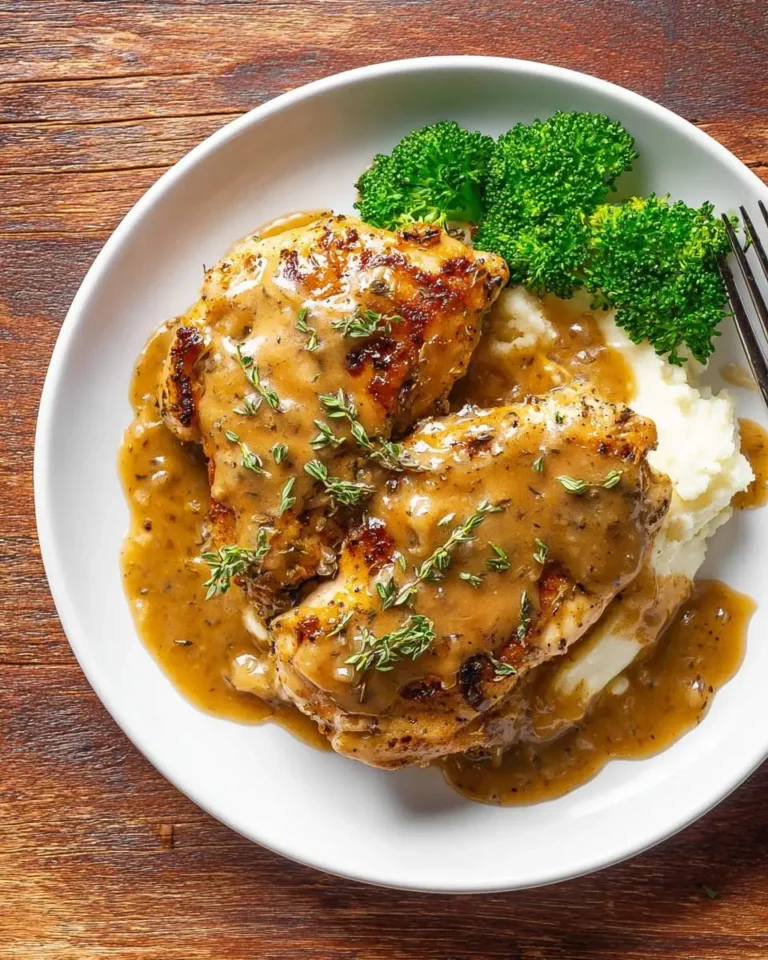
I’ve learned a lot about chicken since then. My smothered chicken thighs taught me patience. These skewers taught me fire. Together, they changed how I cook.
What You Need to Make This Recipe
The soul of Korean BBQ Chicken Skewers lives in three bottles on my counter. Gochujang brings the heat — not sharp, but slow-building and complex, like fermented depth you can’t fake. Pear juice or grated Asian pear isn’t just sweetener; its enzymes actually tenderize the meat, giving you that yielding bite even after high-heat grilling. Toasted sesame oil goes in last, always, because its fragile aromatics disappear under heat. I learned this the hard way after wasting half a bottle. For anyone watching carbs, my low-carb spinach chicken meatballs use similar principles — building flavor without sugar bombs.
How to Make Korean BBQ Chicken Skewers
I start the night before, always. The chicken — thigh pieces, never breast — goes into a bowl with the marinade, and I massage it like I’m sorry for something. The pear breaks down the fibers while you sleep. In the morning, the meat has turned silky, almost translucent at the edges.
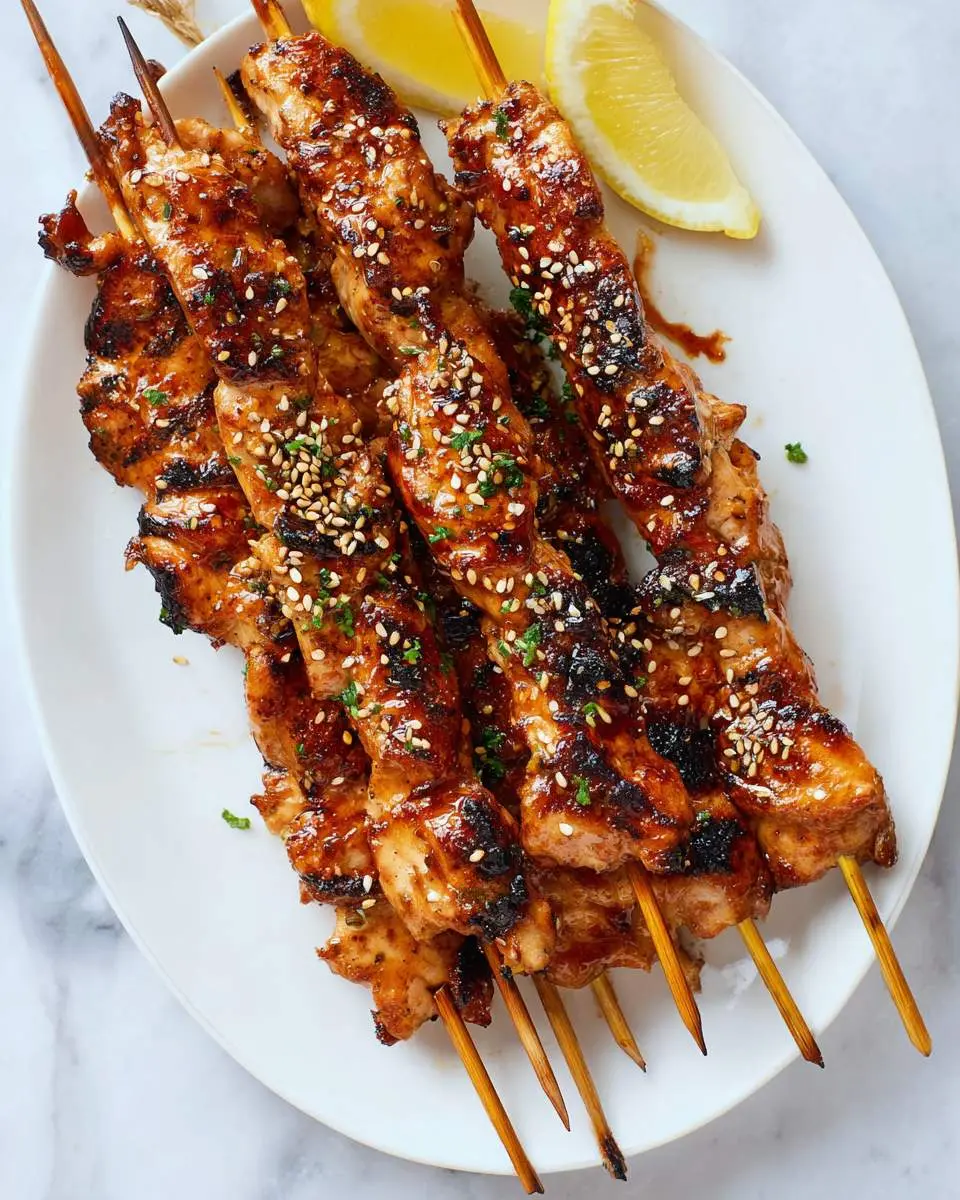
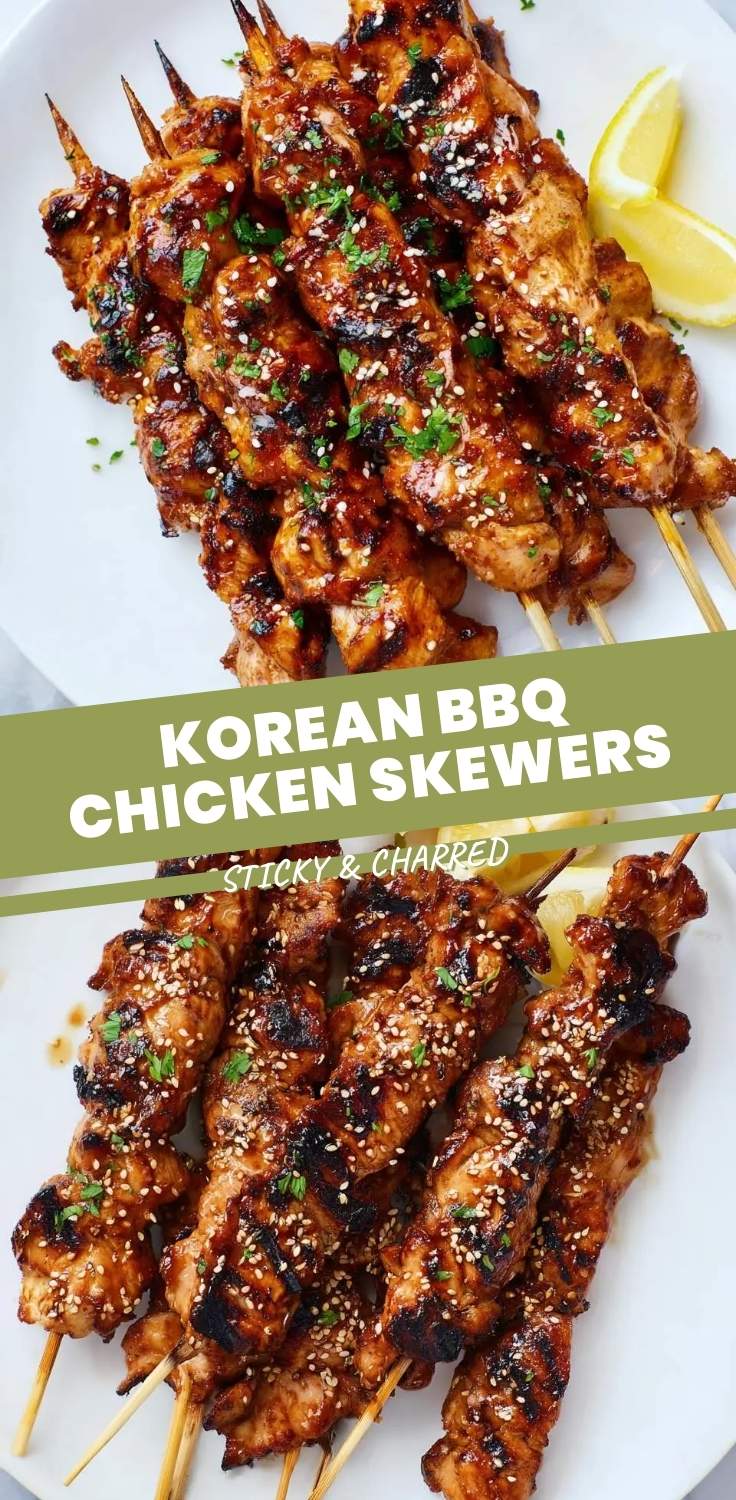
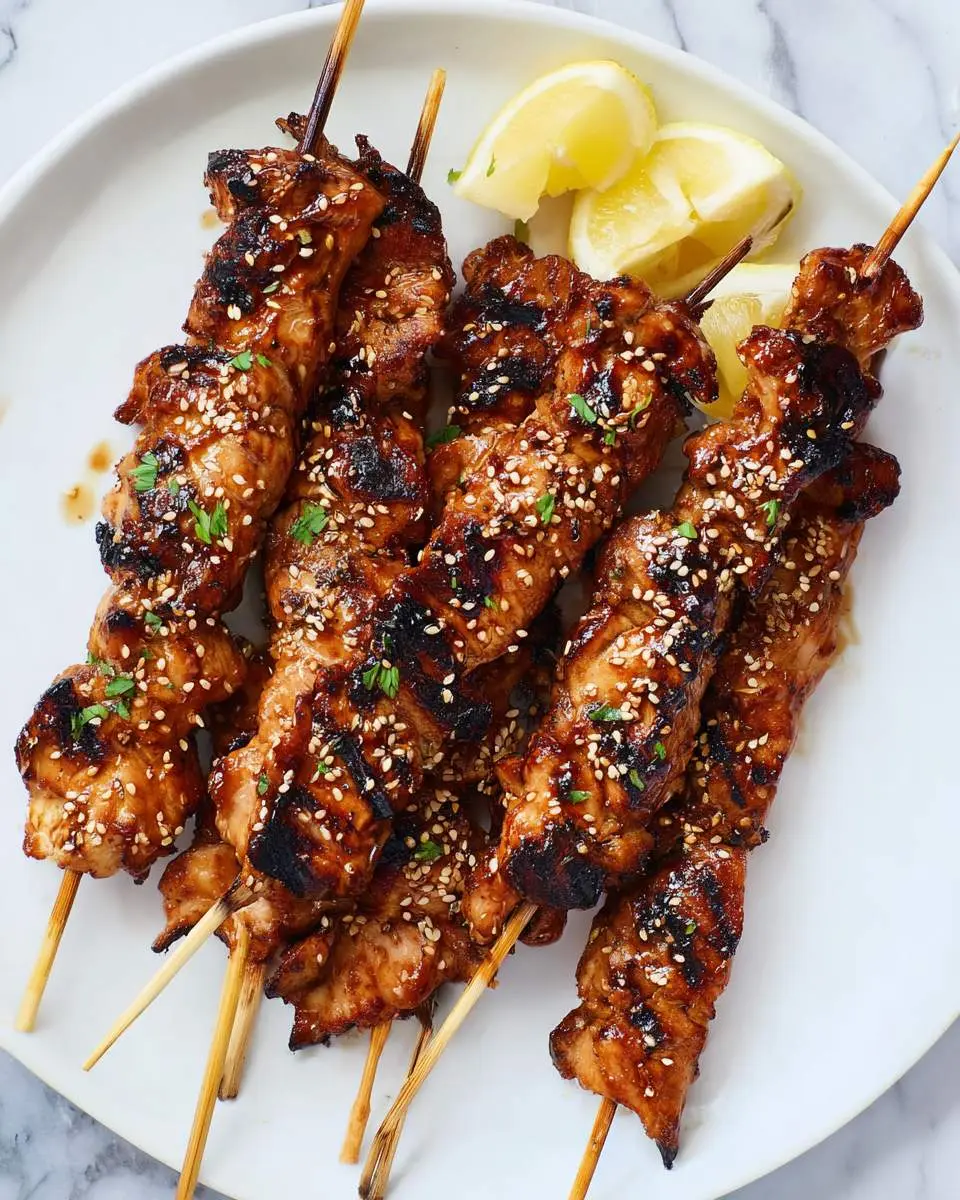
Threading happens after a full day of waiting. I pack the pieces tight but not crowded; they need to hold hands, not suffocate. The grill screams at medium-high, and I lay them across the grates at an angle — those crosshatch marks aren’t vanity, they’re more surface area for caramelization.
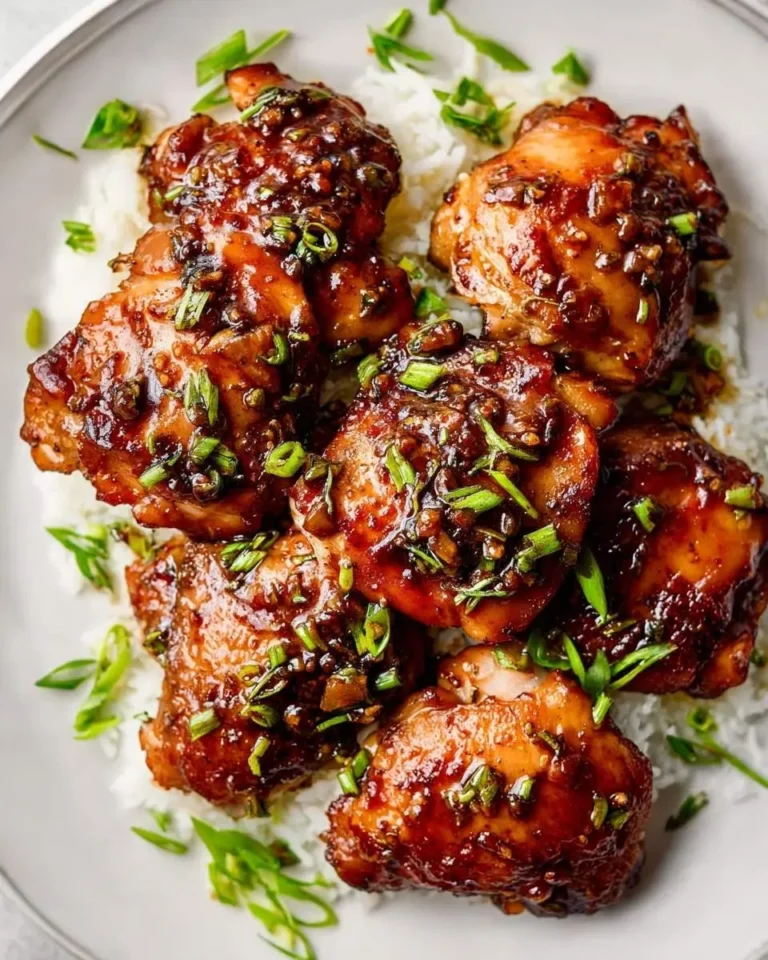
The sauce hits in layers. First dip goes on raw, then another as they turn, then a final brush right before pulling. Each layer chars slightly, building that lacquered shell. The smell is insane — sweet, smoky, fermented, almost meaty in its intensity. My gochujang chicken recipe uses the same base, but something about the skewer format, the ratio of crust to interior, makes these special.
Resting is non-negotiable. Two minutes on a plate, loosely tented. The juices redistribute, the glaze sets to that perfect tackiness. I always eat one standing at the grill, burning my fingers, before anyone else gets near them.
Pro Tips
Cut against the grain, even in thighs. Chicken thighs have grain too, and slicing perpendicular gives you that tender bite that separates great skewers from tough ones. I learned this from a Korean grandmother at a church potluck who watched me hack at meat and gently took the knife from my hand.
Soak wooden skewers in pear juice, not water. The sugars help the exterior caramelize while protecting from burning. Regular water-soaked skewers still char; these develop flavor.
Reserve marinade in two batches. One for raw chicken, one untouched for final glazing. Cross-contamination ruins everything, but so does missing that fresh sauce hit at the end.
My Secret Trick: I freeze my ginger and grate it frozen on a microplane. It dissolves into the marinade instantly, no stringy fibers, no chopping board trauma. The cold also keeps the volatile oils from escaping until they hit the heat.
Korean BBQ Chicken Skewers reward attention to these details. Skip them and you still get dinner. Follow them and you get that restaurant-quality lacquer that makes people ask where you ordered from.
How to Store Korean BBQ Chicken Skewers
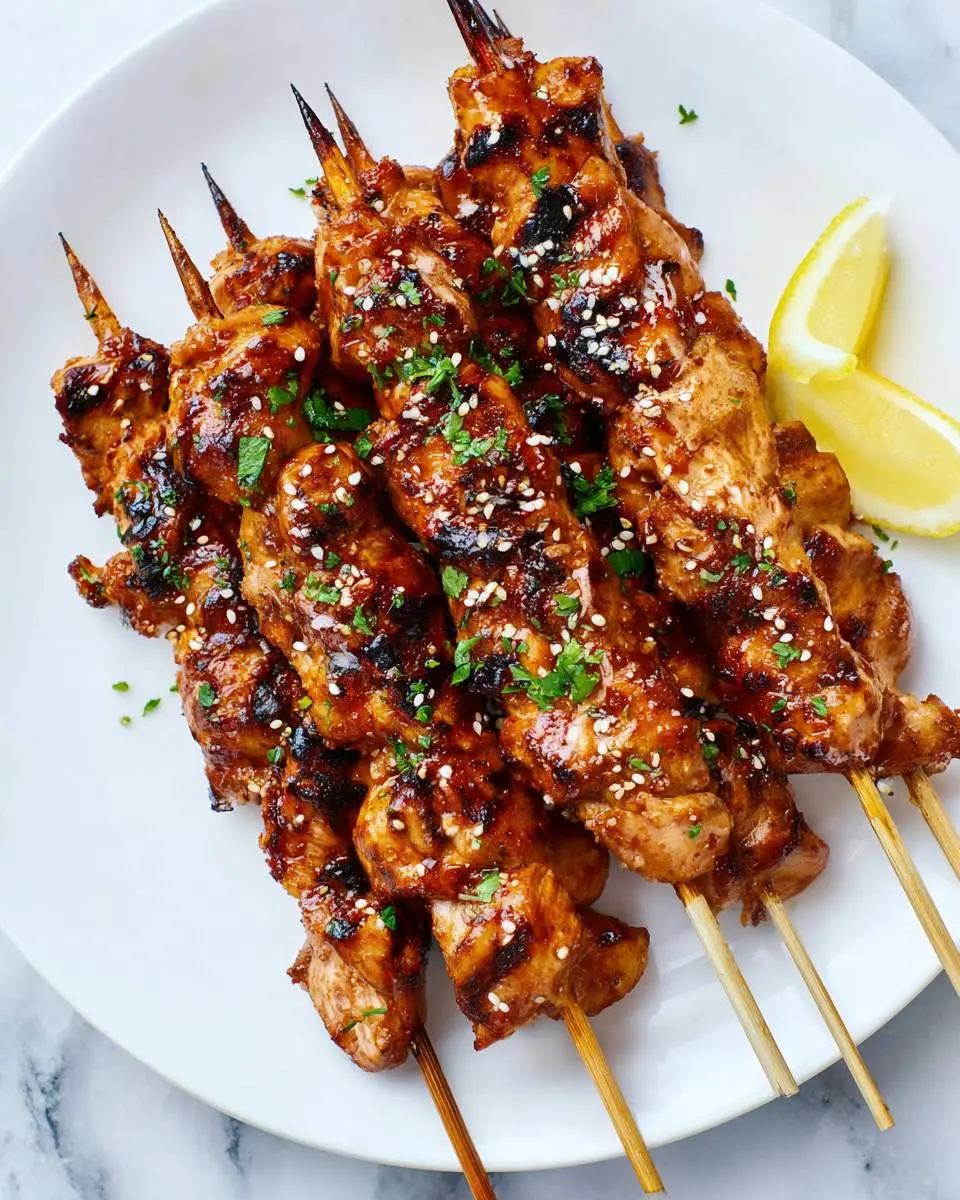
- Refrigerate cooled skewers in an airtight container for up to 3 days; separate layers with parchment to prevent sticking
- Freeze unglazed, cooked chicken pieces (not assembled skewers) for up to 2 months in freezer bags with air pressed out
- Reheat refrigerated skewers in a 375°F oven for 8-10 minutes, brushing with fresh sauce in the final 2 minutes to restore the glaze
- Thaw frozen chicken overnight in the refrigerator before reheating; never microwave, which toughens the meat
Nutritional Benefits
Korean BBQ Chicken Skewers deliver more than crave-worthy flavor. The gochujang contains capsaicin and fermented compounds that support gut health and metabolism, while the pear provides actual enzymes and vitamin C that your body recognizes as food, not supplement. I don’t cook for numbers on a label — I cook for how I feel after, and these leave me satisfied without the heaviness of cream-based sauces.
FAQs
Can I use chicken breast instead of thighs?
Breast works but demands vigilance. The lean meat dries faster, so cut larger pieces and reduce grilling time by two minutes per side. I still prefer thighs for their forgiveness and deeper flavor absorption.
What if I can’t find gochujang?
Look in the Asian section of well-stocked groceries, or substitute sriracha mixed with a teaspoon of miso paste. It won’t replicate the fermented complexity, but you’ll capture heat and umami in a pinch.
How do I prevent the sauce from burning on the grill?
Apply sauce in the final three minutes only, and keep a spray bottle of water handy for flare-ups. The sugars caramelize quickly; move skewers to indirect heat if they darken too fast.
Can I make these Korean BBQ Chicken Skewers in the oven?
Absolutely. Broil on a wire rack set over a foil-lined sheet pan, turning every three minutes and basting aggressively. You miss the smoke but keep the essential sweet-heat glaze.

Korean BBQ Chicken Skewers
Ingredients
Equipment
Method
- Whisk gochujang, soy sauce, brown sugar, rice vinegar, sesame oil, garlic, and ginger in a large bowl until smooth. Reserve 3 tablespoons of marinade in a small bowl for glazing later.
- Add chicken thigh pieces to the remaining marinade and toss to coat evenly. Cover and refrigerate for at least 30 minutes or up to 4 hours. The longer it sits, the deeper the flavor.
- Thread 4-5 chicken pieces onto each skewer, leaving small gaps between pieces for even cooking. Let excess marinade drip off. If using bamboo skewers, soak them in water for 30 minutes first to prevent burning.
- Heat grill or grill pan to medium-high (about 400 degrees F). Brush grates with vegetable oil. Grill skewers for 12-15 minutes total, turning every 3-4 minutes, until chicken is charred in spots and registers 165 degrees F internally.
- In the last 2 minutes of grilling, brush reserved marinade over the chicken. The glaze should bubble and caramelize slightly. Remove from heat and let rest 2 minutes.
- Transfer to a platter, sprinkle with toasted sesame seeds and sliced scallions. Serve with steamed rice and quick pickled cucumbers if desired.
Notes
Conclusion
These skewers taught me that great grilling is really about waiting — for the marinade, for the right heat, for that moment when sauce and fire create something neither could alone. Korean BBQ Chicken Skewers belong in your rotation not because they’re trendy, but because they deliver every single time. My grilled chicken skewers guide covers more techniques, but this recipe is where I send people who want to taste what changed my cooking. Make them. Burn your fingers. Share them anyway.