German Potato Pancakes
The first time I smelled potatoes hitting hot butter in a cast iron skillet, I was standing in my grandmother’s cramped kitchen in Milwaukee, watching her grate onions until her eyes watered. She called them kartoffelpuffer, but I just knew them as the crispy, golden discs that appeared every Sunday morning alongside cold applesauce and thick sour cream. Years later, I finally learned to make German Potato Pancakes myself, and that sizzling sound still transports me straight back to her linoleum floor.
My oma never wrote anything down. She’d squeeze handfuls of grated potato over the sink, judging by feel whether enough moisture had escaped. I ruined three batches before I understood what she meant by “trocken genug” , dry enough. The pancakes fell apart, turned gummy, or burned before I figured out that patience with draining is everything.
Now these show up at my table whenever I need something deeply comforting but unfussy. They’re simpler than my egg and cheese breakfast quesadillas on busy mornings, but somehow feel more intentional.
What You Need to Make This Recipe
The potatoes matter more than you’d think. I use starchy russets because they grate cleanly and form that essential starchy paste that binds everything together , waxy potatoes just won’t give you the same cohesive batter. A yellow onion grated right in adds sharp moisture and that unmistakable savory depth; don’t skip it or substitute dried onion, which brings nothing to the party. One egg and a spoonful of flour act as quiet insurance, holding the shreds together without making the pancakes taste like omelets. Everything else , salt, pepper, maybe a whisper of nutmeg , is just seasoning the canvas. If you’re planning ahead, these freeze beautifully, something I learned after making triple batches for my freezer breakfast burritos routine and realizing the same prep logic applies here.
How to Make German Potato Pancakes
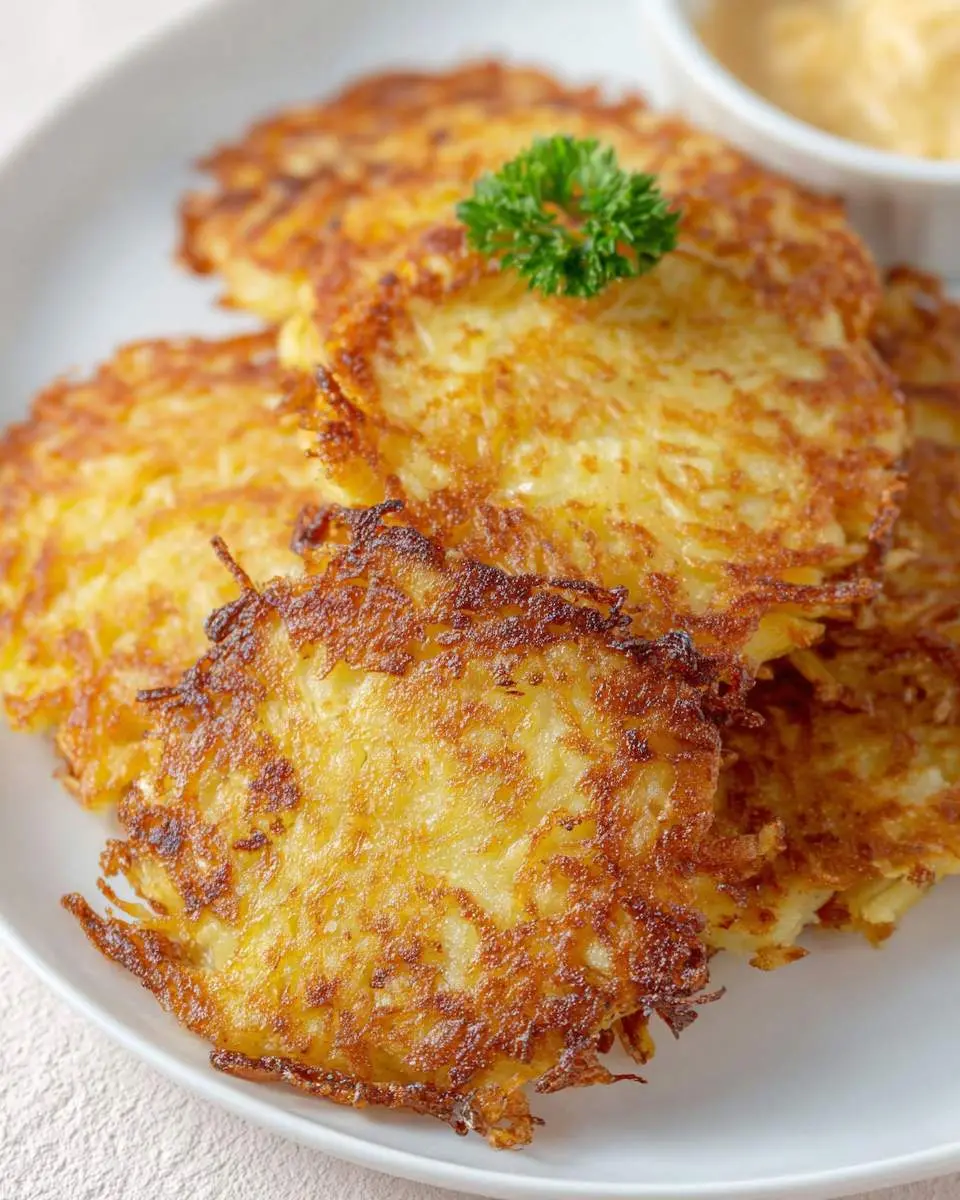
I start by peeling potatoes and immediately submerging them in cold water so they don’t oxidize into that unappetizing gray. The grating is messy , I accept this now, laying a kitchen towel inside a rimmed baking sheet to catch the spray. Onion goes in with the potatoes, and then comes the crucial part: squeezing. I twist the mixture in a clean flour sack towel until my forearms ache, watching cloudy starch water pool in the bowl below. The drier the shreds, the crisper your edges will be.
Heat your fat until it shimmers and almost smokes , I use a mix of butter and vegetable oil, enough to coat the pan’s bottom. The batter hits the skillet with a satisfying hiss, and I flatten gently with the back of my spatula. That first flip is nerve-wracking; wait until the edges look deeply golden and lacy, not pale blonde. The smell is butter and browned onion and something nutty from the potato starches caramelizing. Each batch takes maybe four minutes total, and I keep finished pancakes warm on a wire rack in a low oven so they stay crisp rather than steaming themselves soggy on a plate. For a completely different but equally comforting morning, my apple cinnamon German pancake bakes hands-off while you sip coffee.
Pro Tips
Don’t rinse the grated potatoes. That cloudy liquid you’re squeezing out? It’s pure starch, and you want some of it clinging to the shreds , that’s what creates the crispy, lace-edged crust that defines proper German Potato Pancakes. Rinsing washes away your best texture insurance.
Work in small batches and don’t crowd the pan. Too many pancakes at once drops the oil temperature, and you’ll end up with pale, greasy discs instead of shattering-crisp ones. I do three at a time in my 12-inch skillet, no exceptions.
Rest the batter five minutes before frying. This lets the flour hydrate and the starches begin binding, which means your pancakes hold together when you flip them instead of crumbling into hash.
My Secret Trick: I save the starchy water I squeeze out and let it settle for ten minutes, then pour off the clear liquid and scrape the thick white potato starch sediment back into the batter. Free extra binding power, and it makes the crust even more shatteringly crisp.
How to Store German Potato Pancakes
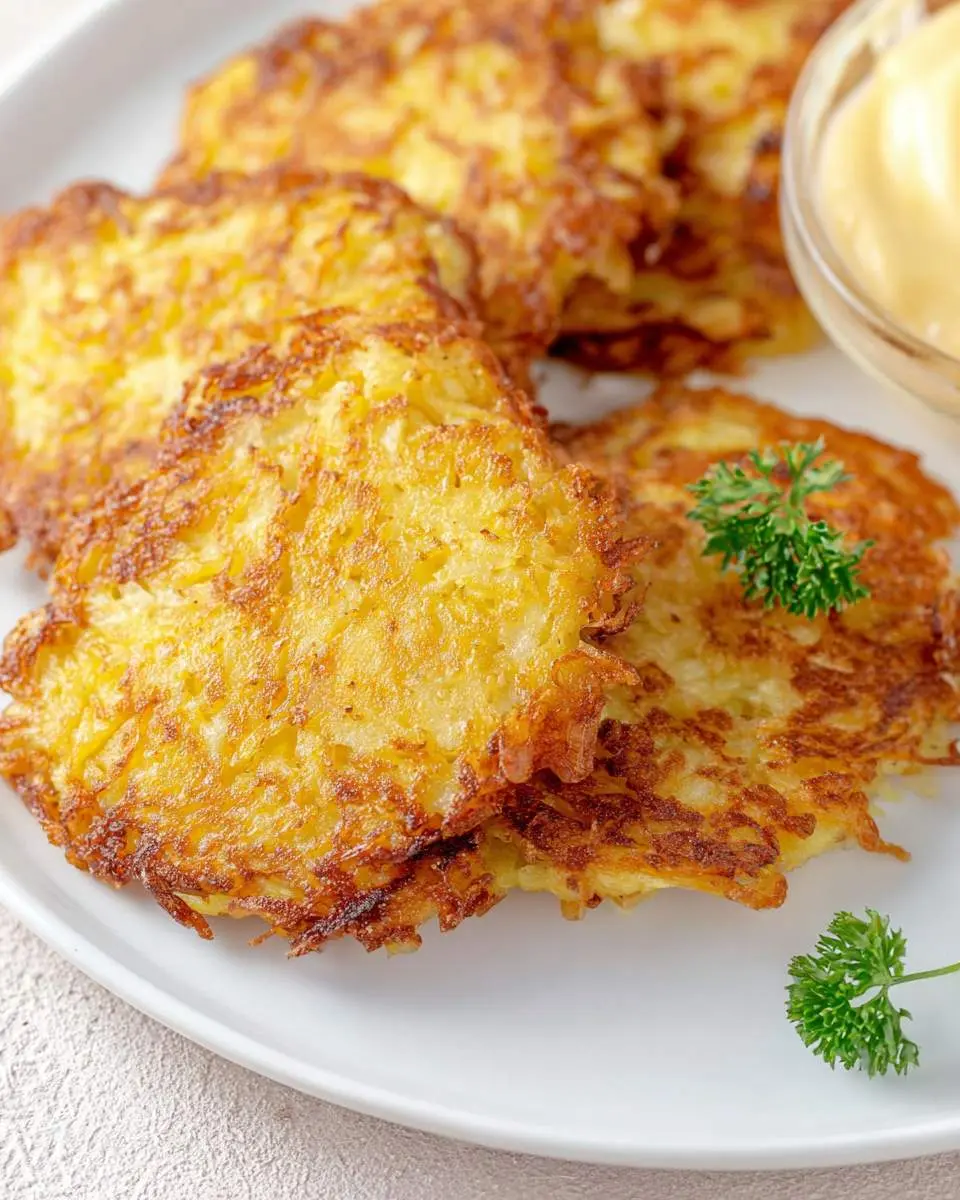
- Refrigerate cooled pancakes in a single layer with parchment between stacks, in an airtight container, for up to 3 days at 40°F or below.
- Freeze in a single layer on a baking sheet until solid, about 2 hours, then transfer to a freezer bag with parchment separators; store up to 2 months at 0°F.
- Reheat from frozen on a wire rack set over a baking sheet at 425°F for 12-15 minutes, flipping once, until crisp and sizzling , never microwave, which ruins the texture entirely.
- Refrigerated leftovers crisp best in a hot skillet with a thin film of oil, about 2 minutes per side over medium-high heat.
Nutritional Benefits
These aren’t health food, but they carry more substance than typical breakfast fare. Potatoes bring potassium and vitamin C that survive grating, plus resistant starch when cooled and reheated that feeds beneficial gut bacteria. The single egg and modest flour keep German Potato Pancakes naturally gluten-light and protein-containing without heaviness, and frying in a reasonable amount of fat means you’re satisfied with fewer pancakes than you’d expect.
FAQs
Why do my potato pancakes fall apart when I flip them?
You likely didn’t squeeze enough moisture from the grated potatoes, or your oil wasn’t hot enough to set the exterior quickly. Excess water creates steam that weakens the structure, while cool oil lets the pancake absorb grease instead of forming a crust.
Can I make the batter ahead of time?
I don’t recommend it , grated potatoes oxidize and turn gray within an hour, and the mixture gets watery as it sits. Prep your potatoes and onion right before frying, or hold peeled whole potatoes in cold water up to 4 hours ahead.
What’s the best potato for German potato pancakes?
Starchy russets win here. Their high starch content helps the shreds cling together and fry up with lacy, crisp edges. Waxy potatoes hold too much moisture and resist breaking down into the binding paste you need.
Can I bake these instead of frying?
Honestly, no , baked versions emerge pale and leathery, missing the shattering crust and rich flavor that defines this dish. The hot fat is non-negotiable for authentic German Potato Pancakes, though a well-seasoned cast iron skillet needs less oil than you’d fear.
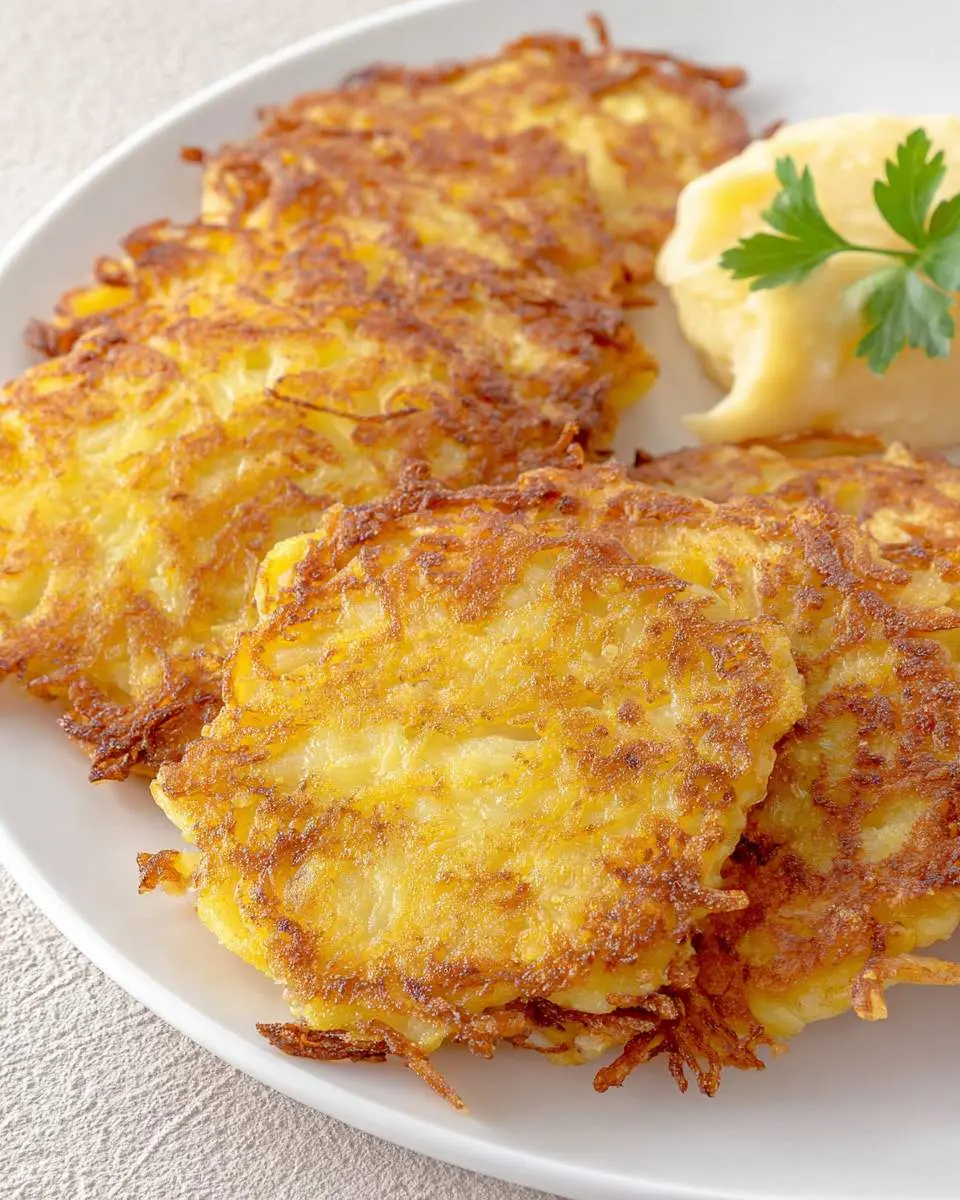

German Potato Pancakes
Ingredients
Equipment
Method
- Using the large holes of a box grater or food processor, grate the potatoes and onion together into a large bowl. Work quickly so the potatoes don't brown.
- Transfer the grated mixture to a clean kitchen towel or cheesecloth. Gather the corners and twist tightly over the sink, squeezing out as much liquid as possible. This step is crucial for crispy pancakes - don't skip it.
- Return the squeezed potato mixture to the bowl. Add the beaten eggs, flour, salt, and pepper. Stir until just combined. The mixture should hold together when pressed but not be wet.
- Heat 1/4 inch of oil in a large skillet over medium-high heat until shimmering, about 350 degrees F. Drop heaping tablespoons of the potato mixture into the pan, flattening slightly with the back of the spoon. Don't crowd the pan - work in batches.
- Fry for 3-4 minutes per side until deep golden brown and crisp at the edges. Adjust heat as needed - if they're browning too fast, reduce to medium. Transfer to a paper towel-lined plate and keep warm in a 200 degree F oven while you finish the batch.
- Serve hot with warm applesauce and cold sour cream on the side. These are best eaten right away while the edges are still crackling.
Notes
Conclusion
Some recipes earn their place through sheer comfort, and these crispy, onion-scented German Potato Pancakes have anchored my breakfast table through gray winters and lazy Sundays alike. They’re forgiving once you learn their quirks, and the payoff is that perfect shatter between your teeth. For another potato-forward morning, try my potato egg scramble , but I suspect you’ll come back to these.