Jellied Cranberry Sauce
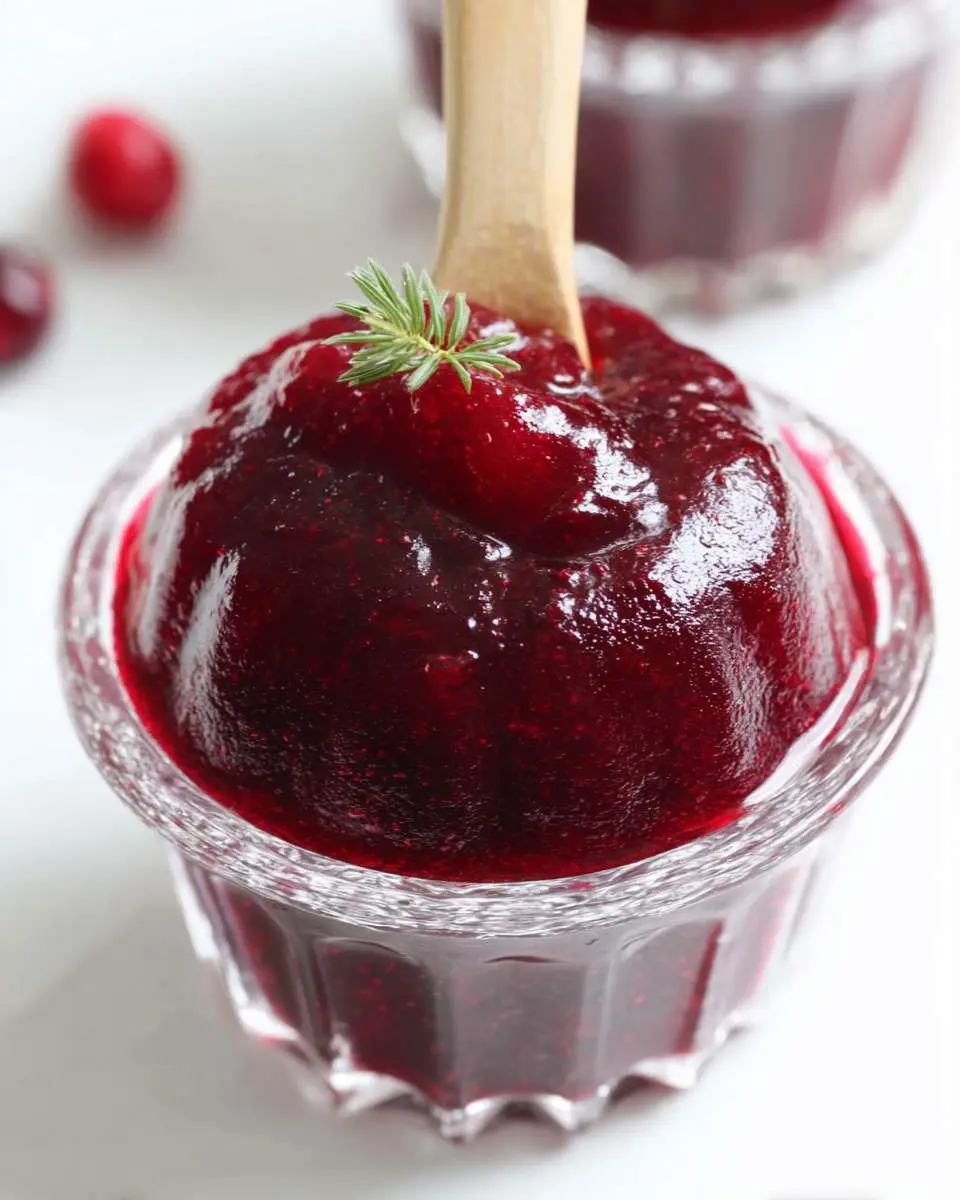
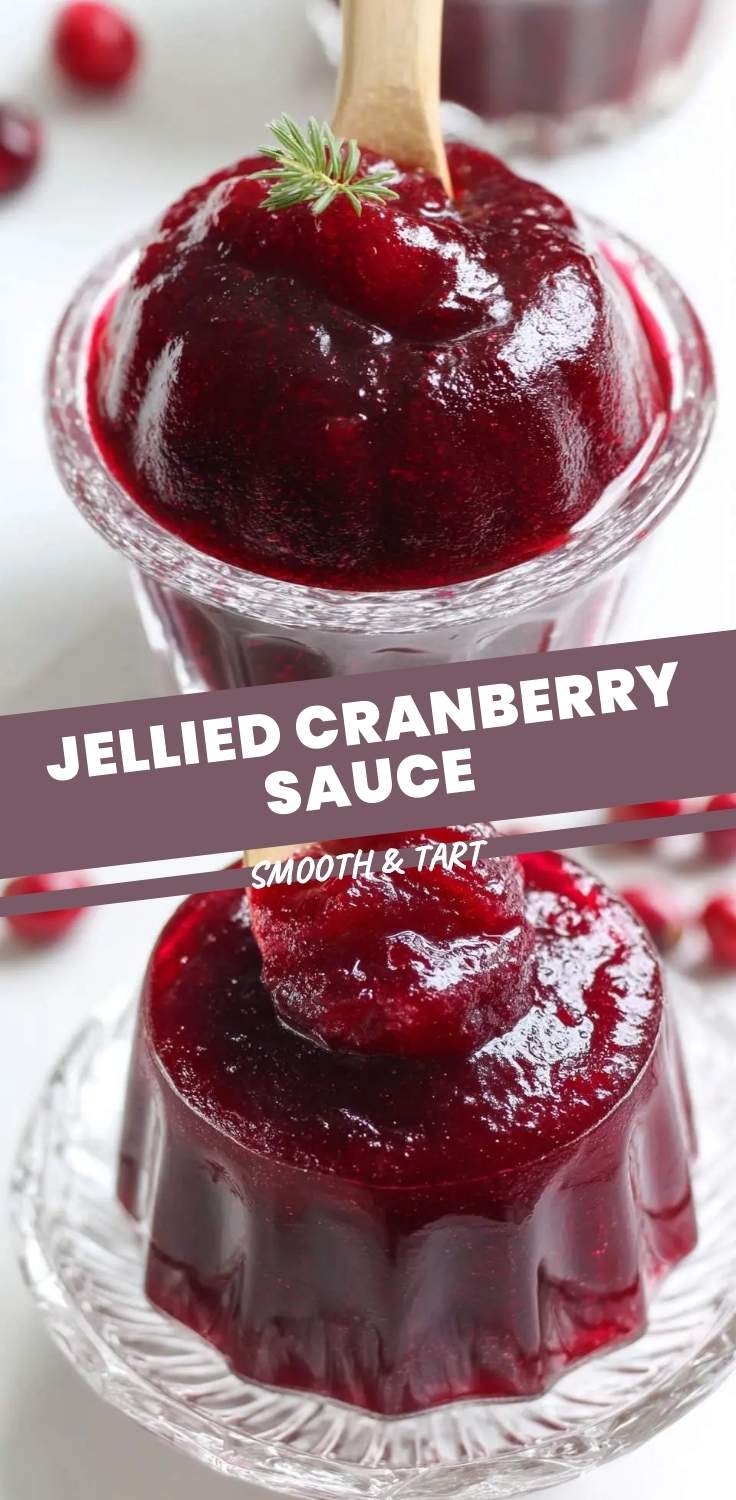
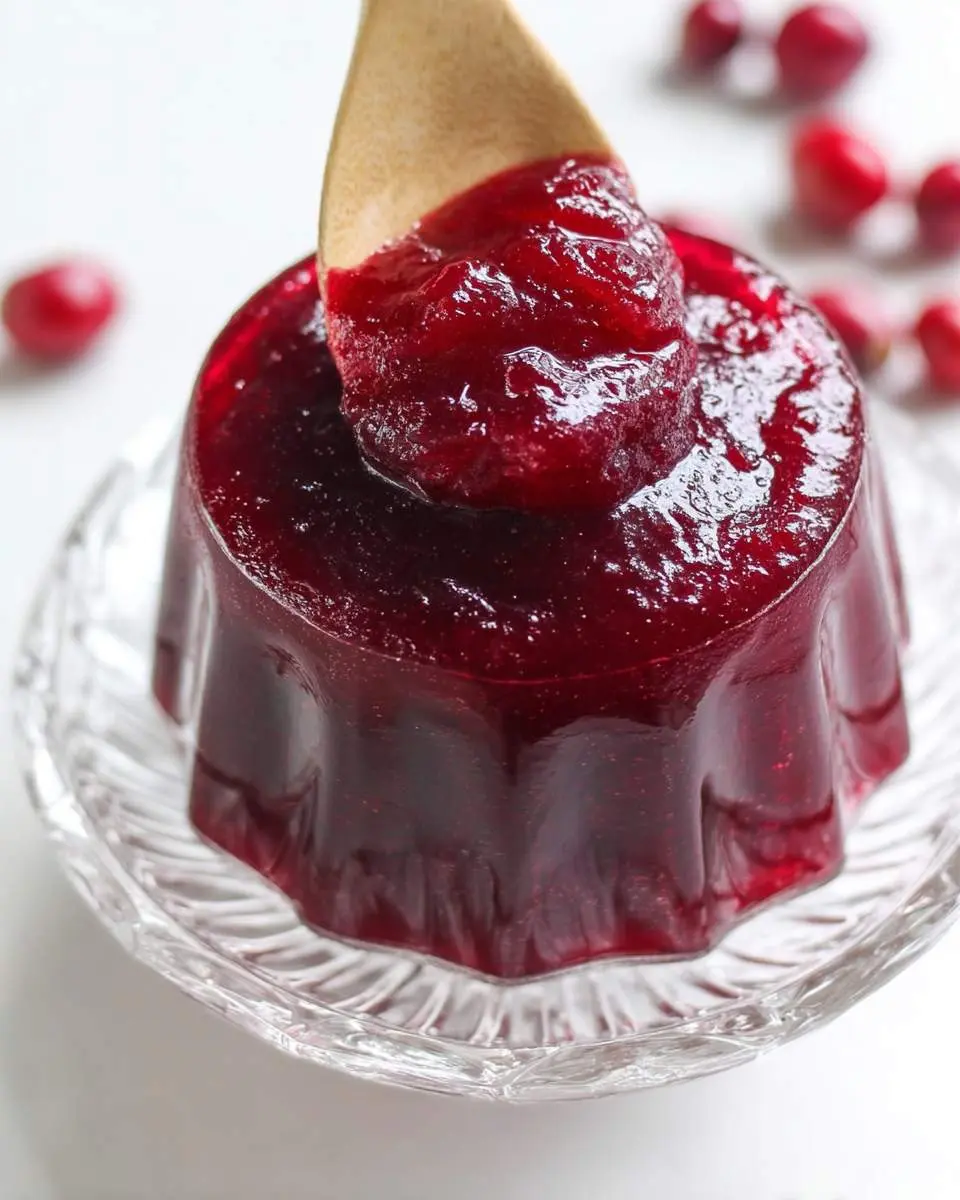
The first time I pulled a homemade jellied cranberry sauce from the fridge and watched it wobble on the plate, I felt like I’d unlocked some kind of kitchen magic. That smooth, jewel-toned cylinder sliding out in one perfect piece , no ridges from a can, no apology needed. I stood there in my socks at 10 p.m., slicing off a wedge with a butter knife, and ate it standing at the counter like it was the finest cheese.
My grandmother always brought the canned stuff to Thanksgiving, and I never questioned it. The sound of that suction release still lives in my head. But three years ago, I got stubborn about making everything from scratch , mostly to prove I could , and stumbled into something better than nostalgia. This version has that same silky, firm texture, but the flavor actually tastes like cranberries instead of corn syrup and vague fruit.
Now it’s the dish my friends ask about first when November rolls around. If you’re building your holiday sauce lineup, I also love this blueberry sauce recipe for a summer twist on the same idea.
What You Need to Make This Recipe
The ingredient list here is almost embarrassingly short, which is exactly why quality matters so much. Fresh cranberries are non-negotiable , their natural pectin is what creates that firm, sliceable set without any gelatin. I use organic cane sugar instead of white because it adds a faint caramel depth that makes people pause mid-bite and ask what your secret is. A splash of good orange juice brightens the whole thing without turning it into a fruit cocktail. If you’ve never made a sauce that sets on its own, this hollandaise sauce recipe taught me how much chemistry lives in simple ingredients.
How to Make Jellied Cranberry Sauce
I start by rinsing the cranberries in a colander, listening for the firm ones that bounce when they hit the sink , any soft ones get tossed, no negotiation. Into the pot they go with sugar and water, and I bring everything to a boil over medium-high heat. The sound changes as the berries burst, shifting from a gentle simmer to this rhythmic, almost musical popping that fills the kitchen. I stir occasionally at first, then more frequently as the mixture thickens and the foam rises.
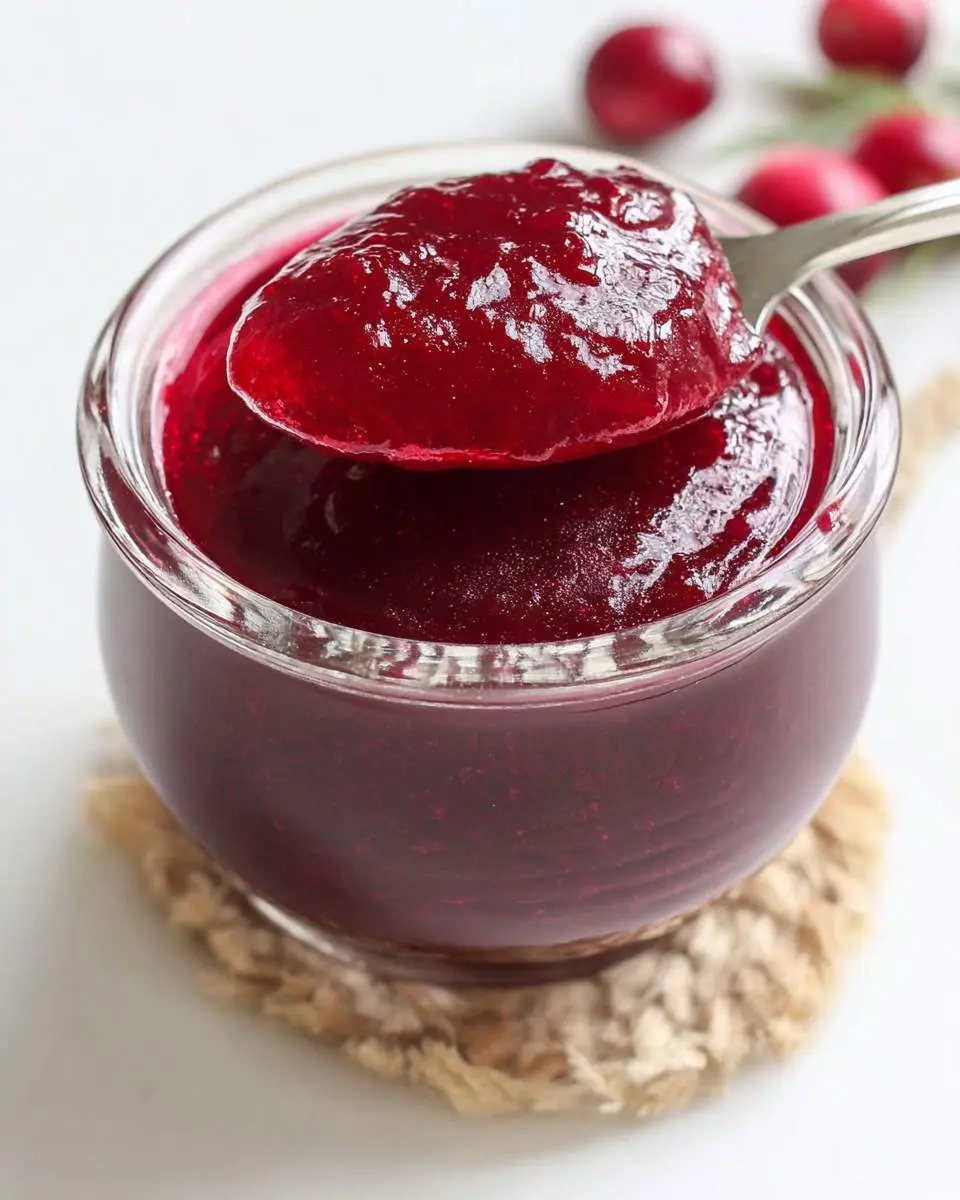
After about ten minutes, the sauce turns deep garnet and glossy, coating the back of my spoon in a way that feels almost syrupy. I force it through a fine-mesh sieve , this is the moment that separates jellied from whole-berry, and yes, it’s a small arm workout. The resulting liquid gets poured into a mold or loaf pan, and I let it cool completely before refrigerating overnight. The waiting is the hardest part. I learned patience with fruit sauces from this rhubarb sauce that also rewards an overnight chill.
Pro Tips
Don’t skip the double-strain. I push the pulp through once, then run the liquid through the sieve a second time to catch any stray seeds or skin fragments. That second pass is what gives jellied cranberry sauce its mirror-smooth finish.
Your mold matters more than you think. I use a straight-sided glass loaf pan because the clean edges make unmolding effortless. Decorative molds look pretty but often have crevices where the sauce sticks and tears.
Let it set for a full eight hours. I’ve tried rushing with four hours in the fridge and ended up with a sauce that weeps and softens at room temperature. The pectin needs that uninterrupted cold to fully bond.
My Secret Trick: I warm the outside of the mold for exactly ten seconds with a hot, damp towel before inverting , any longer and the edges melt; any shorter and it won’t release cleanly.
How to Store Jellied Cranberry Sauce
- Refrigerate in an airtight container for up to 14 days at 40°F or below
- Store in the original mold covered tightly with plastic wrap, or transfer to a glass container with a fitted lid
- Freeze for up to 3 months: wrap the unmolded sauce in plastic wrap, then foil, and thaw overnight in the refrigerator
- Do not reheat , serve cold or at cool room temperature for the cleanest slices
- If the surface weeps slightly after storage, blot gently with a paper towel before serving
Nutritional Benefits
Fresh cranberries bring real value beyond their tart punch , they’re packed with proanthocyanidins, the compounds that give them their vivid color and support urinary tract health. The natural pectin in jellied cranberry sauce also means you’re getting a small dose of soluble fiber with every slice, something the canned versions strip out during processing. I don’t make this for health reasons, but it feels good knowing the wobble on my plate comes from actual fruit doing what fruit does.
FAQs
Why didn’t my cranberry sauce set properly?
Undercooking is almost always the culprit , the pectin needs adequate time and heat to activate. Make sure the mixture reaches a full rolling boil and thickens enough to coat your spoon before straining.
Can I use frozen cranberries instead of fresh?
Yes, but don’t thaw them first. Frozen berries release more liquid, so you may need to simmer a few minutes longer to reach the right concentration for a firm set.
How do I get the sauce out of the mold without breaking it?
Run a thin knife around the edge, then place a warm, damp towel on the outside for ten seconds. Invert onto a plate and give it a gentle shake , gravity does the rest.
Can I reduce the sugar in this jellied cranberry sauce?
You can reduce it slightly, but sugar helps the gel structure and preserves the sauce. Cutting more than a third risks a softer set and shorter fridge life.

Jellied Cranberry Sauce
Ingredients
Equipment
Method
- Combine cranberries, sugar, water, orange zest, orange juice, and salt in a medium saucepan. Bring to a boil over medium-high heat, stirring occasionally. Once boiling, reduce heat to medium and simmer for 10-12 minutes, stirring occasionally, until all the cranberries have burst and the mixture looks soupy and deep red.
- Set a fine-mesh sieve over a large bowl. Working in batches, pour the hot cranberry mixture into the sieve. Use a spatula to press and scrape the solids, extracting as much smooth pulp as possible. This takes 3-4 minutes of active pressing. Discard the seeds and skin left behind. You should have about 2 cups of smooth cranberry liquid.
- Lightly oil a 1-pint mold or clean 15oz can with neutral oil, then line with plastic wrap, leaving overhang on all sides for easy removal. If using a proper mold, you can skip the plastic and just oil it well.
- Pour the warm, strained cranberry liquid into the prepared mold. Let cool to room temperature, about 30 minutes, then cover and refrigerate for at least 6 hours or overnight until completely firm.
- To serve, invert the mold onto a serving plate. If it doesn't release immediately, dip the bottom of the mold in warm water for 10 seconds, then try again. Remove plastic wrap if used. Slice with a sharp knife dipped in hot water for clean cuts.
Notes
Conclusion
There’s something deeply satisfying about making a jellied cranberry sauce that outshines the memory of the can. I still smile every time that smooth cylinder releases onto my serving plate. If you’re looking for another fruit-forward project, this blueberry curd carries the same spirit into spring. Make it once, and I bet it becomes your tradition too.