lemon butter salmon
There are some nights when only a truly special meal will do, but the energy for a complex recipe just isn’t there. I remember one such evening, feeling completely drained, when the simple, bright aroma of lemon and garlic completely turned my mood around. This lemon butter salmon is that meal for me a dish that feels elegant and deeply comforting all at once. The sound of the salmon searing in the pan, followed by the rich scent of the butter sauce, is my signal that a restorative dinner is just moments away. It’s my go-to for a reason, though when I want to switch up my seafood routine, I often turn to my equally quick Bang Bang Shrimp Bowl.
This beautiful dish has become my answer for everything from rushed weeknight dinners to quiet, celebratory meals for two. It’s a recipe I can always count on to deliver a truly impressive result with minimal effort, which is a combination I absolutely cherish in the kitchen.
Why This Dish is a Go-To in My Kitchen
What I adore most about this recipe is its stunning simplicity and speed. With just 5 minutes of prep and a 15-minute cook time, I can have a restaurant-quality meal on the table in under half an hour. It relies on a handful of high-impact ingredients—unsalted butter, fresh garlic, and bright lemon juice—that I almost always have on hand. It proves that you don’t need a complicated process to create something truly delicious and satisfying. It’s the kind of dish that makes me feel like a culinary hero without any of the stress.
Ingredient Notes for Perfect Lemon Butter Salmon
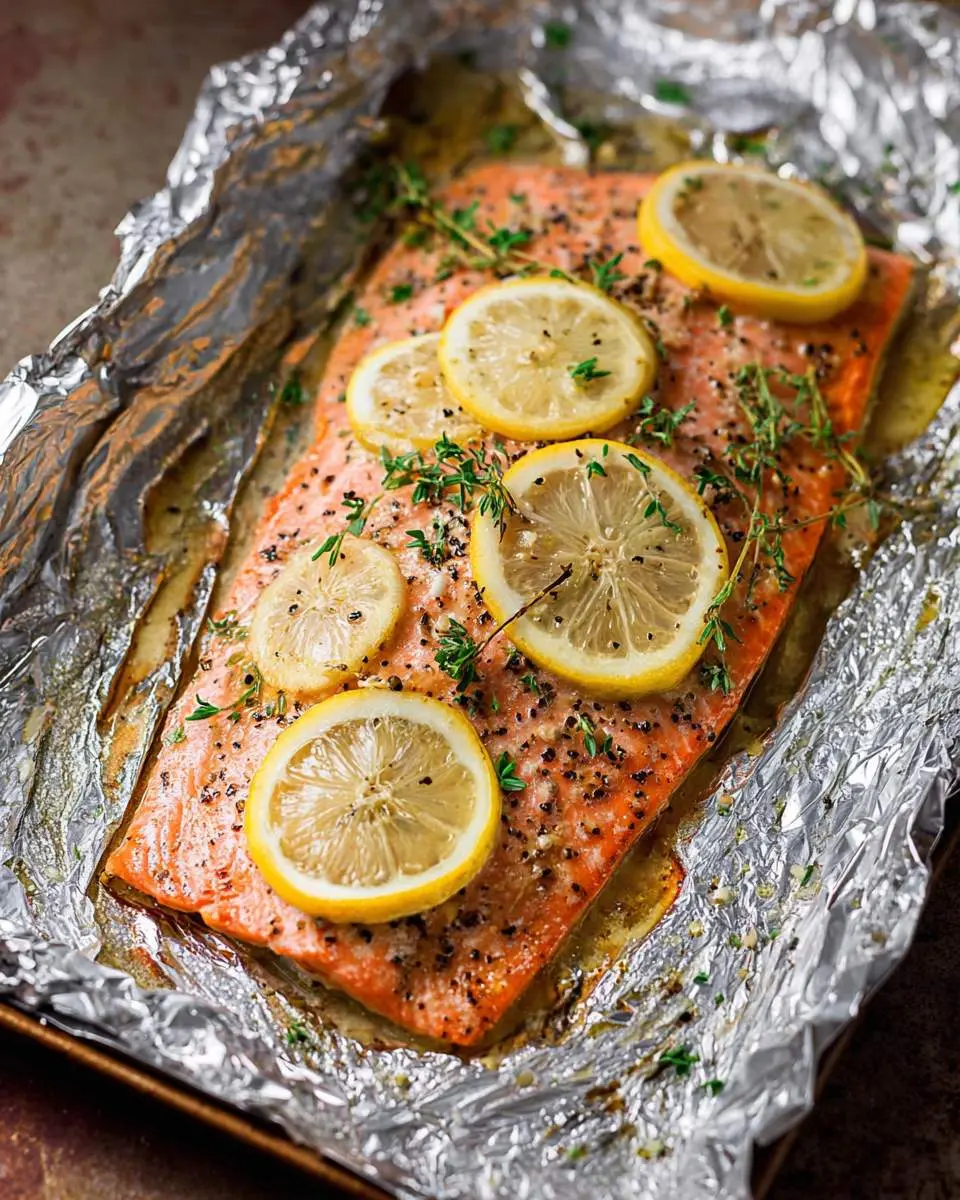
The magic of this dish comes from using quality ingredients. I always opt for salmon fillets with the skin on, as it gets wonderfully crispy and adds incredible texture. For the sauce, using fresh lemon juice is non-negotiable; its bright, zesty flavor is far superior to the bottled kind. These simple choices elevate the entire meal, much like in my super simple Ground Beef and Broccoli recipe.

Perfect Lemon Butter Salmon
Ingredients
Equipment
Method
- Pat the salmon fillets completely dry with paper towels. This is crucial for getting a good sear. Season both sides generously with salt and black pepper.
- Place a large non-stick skillet over medium-high heat. Add the olive oil. Once the oil is hot and shimmering, carefully place the salmon fillets in the skillet, skin-side up (if using skinless, either side is fine to start).
- Sear for 4-6 minutes without moving the fillets, until a golden-brown crust forms on the bottom. You can see the color change up the side of the fillet.
- Flip the salmon fillets using a fish spatula. Cook for another 2-4 minutes on the second side, or until the salmon is cooked to your desired doneness. Remove the salmon from the skillet and set aside on a plate.
- Reduce the skillet heat to medium-low. Add the minced garlic to the same skillet and sauté for about 30-60 seconds until fragrant. Be careful not to let it burn.
- Pour in the white wine (or chicken broth) to deglaze the pan, using a wooden spoon to scrape up any delicious browned bits from the bottom. Let it simmer for 1-2 minutes until it has reduced by about half.
- Stir in the fresh lemon juice. Add the cubed butter, one piece at a time, swirling the pan continuously until the butter is completely melted and the sauce is smooth and slightly thickened.
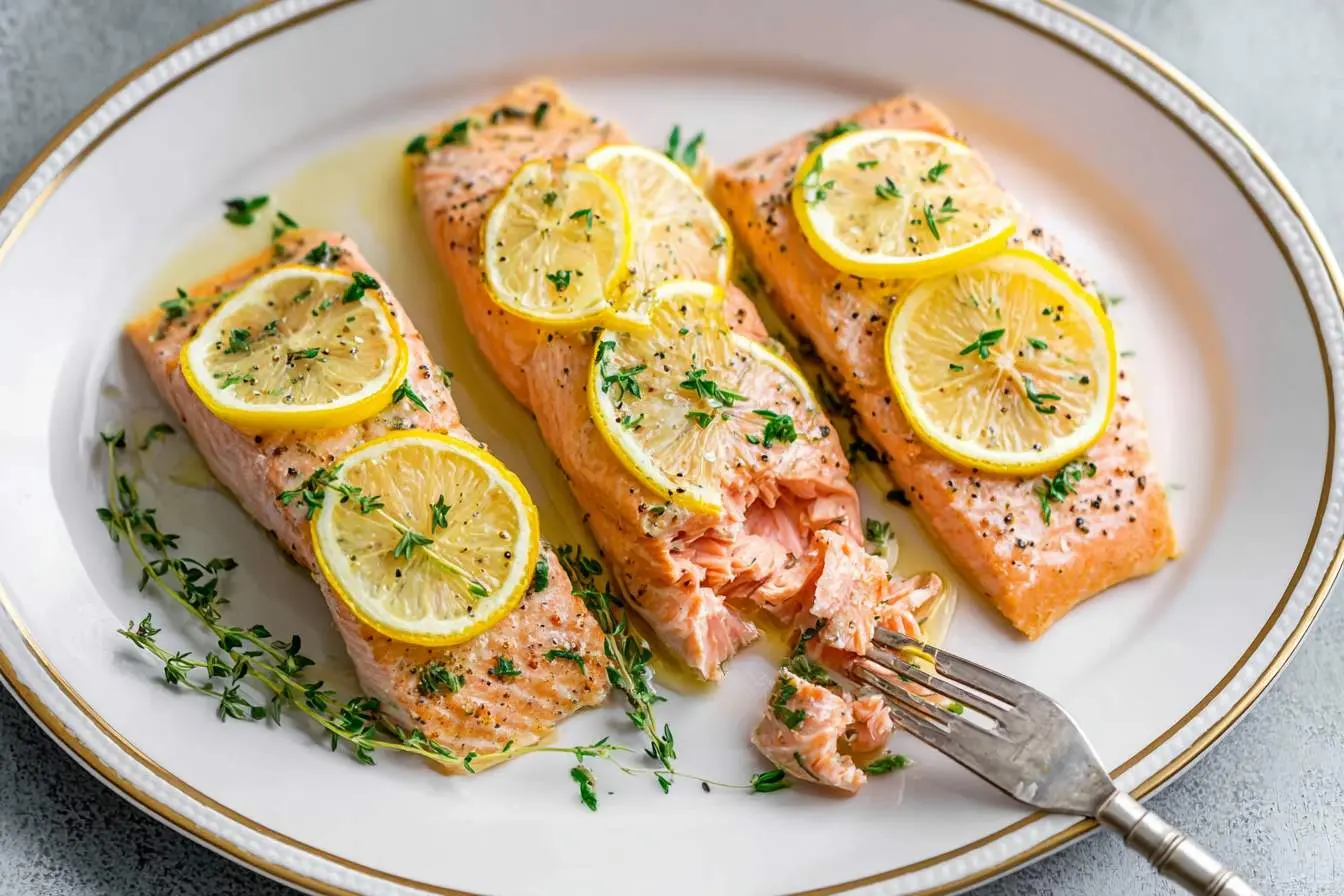
- Remove the skillet from the heat and stir in the chopped fresh parsley. Return the salmon fillets to the skillet, spooning the lemon butter sauce over them. Garnish with fresh lemon slices and extra parsley if desired. Serve immediately.
Notes
How I Make Perfect Lemon Butter Salmon Step-by-Step
My process for this dish is all about building layers of flavor in a single pan, which makes cleanup a breeze. I start by patting the salmon completely dry—this is my key to getting that perfect, golden-brown sear. I season it generously with kosher salt and black pepper and cook it skin-side down first until it’s nice and crispy.
Once the salmon is cooked, I set it aside and use that same pan to create the incredible lemon butter sauce. I melt the butter, sauté the garlic until it’s fragrant, and then deglaze the pan with a splash of dry white wine, scraping up all those delicious browned bits. A squeeze of fresh lemon juice at the end makes it all come alive. It’s a method I use for other fast skillet meals, like my Steak and Broccoli Stir Fry, because it’s just so efficient and flavorful.
My Secrets for Success with This Recipe
- Pat the Salmon Dry: Use a paper towel to remove all surface moisture before seasoning. This is crucial for achieving a crispy skin.
- Don’t Crowd the Pan: Give the salmon fillets enough space to sear properly. Overcrowding will steam them instead.
- Use Fresh Lemon Juice: The flavor is so much brighter and more vibrant than bottled juice. It truly makes the sauce shine.
How I Serve and Store This Dish
My favorite way to serve this salmon is alongside some tender roasted asparagus and a spoonful of fluffy quinoa to soak up every last drop of the delicious sauce. It’s also wonderful with a simple green salad. This dish is definitely best enjoyed fresh, but if I do have leftovers, I store them in an airtight container in the refrigerator for up to two days. When it comes to quick and impressive seafood dishes, this one is right up there with my Honey Garlic Shrimp.
Frequently Asked Questions
Can I use chicken broth instead of white wine?
Absolutely! If you prefer to cook without alcohol, chicken or vegetable broth is an excellent substitute. It will still help deglaze the pan and add a lovely, savory depth to the sauce, ensuring you don’t miss out on any flavor.
What’s the best type of salmon to use for this recipe?
I personally love using Coho or Sockeye salmon for their rich flavor and firm texture. I always recommend getting fillets that are about the same thickness to ensure they cook evenly. Whether you choose skin-on or skinless is up to you!
How do I know when the salmon is cooked perfectly?
The best way to check for doneness is when the salmon flakes easily with a fork at its thickest part. The flesh should be opaque and moist. For perfect results, I suggest an internal temperature of 125°F for medium-rare.
Can I add other herbs to the sauce?
Of course! While fresh parsley is classic, this sauce is also delicious with a sprinkle of fresh dill or chives added at the end. Feel free to experiment with your favorite fresh herbs to make the dish your own.
This recipe holds a special place in my heart, and I truly hope it brings as much joy to your table as it does to mine. It’s a testament to the fact that wonderful meals don’t need to be complicated. If you try it, I’d absolutely love to hear what you think and see your creations in the comments below!