balsamic chicken
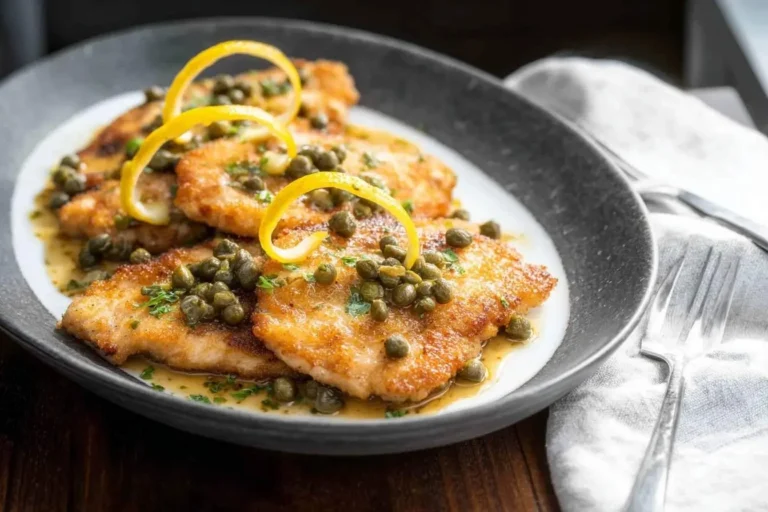
There are some weeknight dinners that just feel like a warm hug, and for me, this Pan-Seared Balsamic Glazed Chicken is one of them. I still remember the first time I made it; the whole kitchen filled with the sweet, tangy aroma of the glaze simmering on the stove. It’s a scent that instantly makes a house feel like a home. This easy balsamic chicken has become a staple in my recipe rotation, right alongside other favorites like my simple Chicken Piccata. It’s the kind of meal that’s elegant enough for a special occasion but simple enough for a Tuesday.
Why This Dish is a Go-To in My Kitchen
What I adore most about this recipe is how it delivers incredible, complex flavor with such little effort. With just 10 minutes of prep and 25 minutes of cook time, I can create a dish that tastes like it came from a restaurant. The magic is in the simplicity of the ingredients: pantry staples like balsamic vinegar, low-sodium chicken broth, honey, and Dijon mustard come together to create a glaze that’s out of this world. It’s my secret weapon for turning simple boneless, skinless chicken breasts into something truly special.
The Key Ingredients You’ll Need
The star here is undoubtedly a good balsamic vinegar—it makes all the difference in creating a rich, syrupy glaze. For the chicken, I always use boneless, skinless breasts and pound them slightly for even cooking, a technique I also use in my Chicken Florentine recipe.
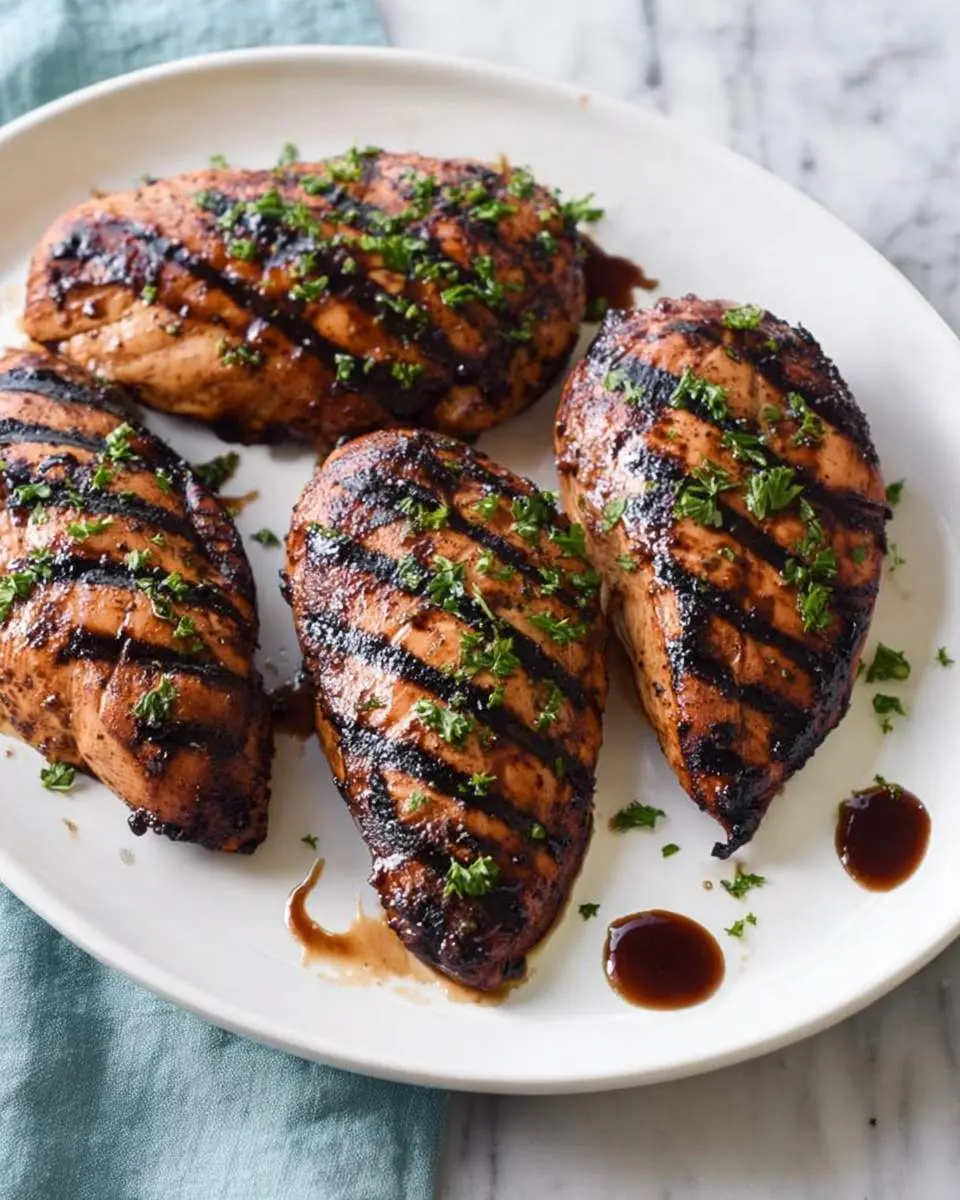
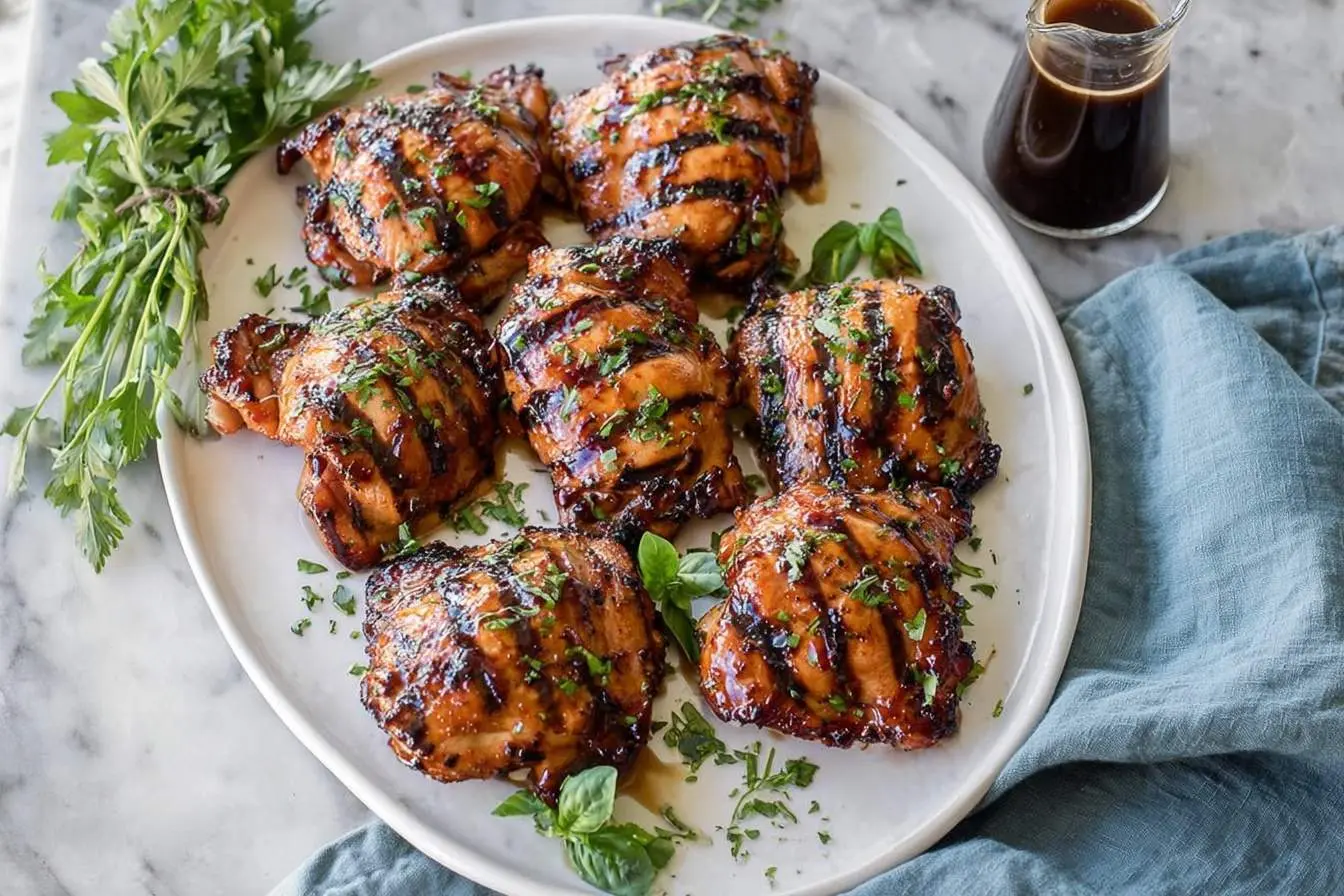

Pan-Seared Balsamic Glazed Chicken
Ingredients
Equipment
Method
- Pat the chicken breasts dry with paper towels. Season both sides generously with salt, pepper, and garlic powder.
- Heat olive oil in a large skillet over medium-high heat. Once the oil is shimmering, carefully place the seasoned chicken breasts in the skillet in a single layer, being careful not to overcrowd the pan. Cook for 5-6 minutes per side, or until golden brown and cooked through. The internal temperature should reach 165°F (74°C) on a meat thermometer.
- Once cooked, remove the chicken from the skillet and transfer it to a plate. Tent with foil to keep warm.
- Reduce the heat to medium. Add the minced garlic to the same skillet and sauté for about 30-60 seconds until fragrant, being careful not to burn it.
- In a small bowl, whisk together the balsamic vinegar, chicken broth, honey, and Dijon mustard. Pour the mixture into the skillet, scraping up any browned bits from the bottom of the pan with a wooden spoon.
- Bring the sauce to a simmer and let it cook for 6-8 minutes, stirring occasionally, until the sauce has reduced by about half and thickened enough to coat the back of a spoon.
- Return the chicken breasts and any accumulated juices from the plate back to the skillet. Spoon the glaze over the chicken, turning to coat all sides. Let it simmer in the sauce for 1-2 minutes to heat through.
- Turn off the heat and stir in the small pieces of butter until melted and the sauce becomes glossy. Garnish with fresh parsley and serve immediately.
Notes
How I Make Pan-Seared Balsamic Glazed Chicken Step-by-Step
My process is straightforward, which is why I love it. I start by seasoning and searing the chicken breasts until they’re golden brown, then I set them aside. Next, I make the beautiful balsamic glaze right in the same pan. I simmer the vinegar, chicken broth, honey, mustard, and garlic until it reduces and thickens into a luscious sauce. Finally, I return the chicken to the pan, spooning that incredible glaze all over. It’s a method that guarantees juicy, flavorful chicken every single time, much simpler than making a Stuffed Chicken Breast.
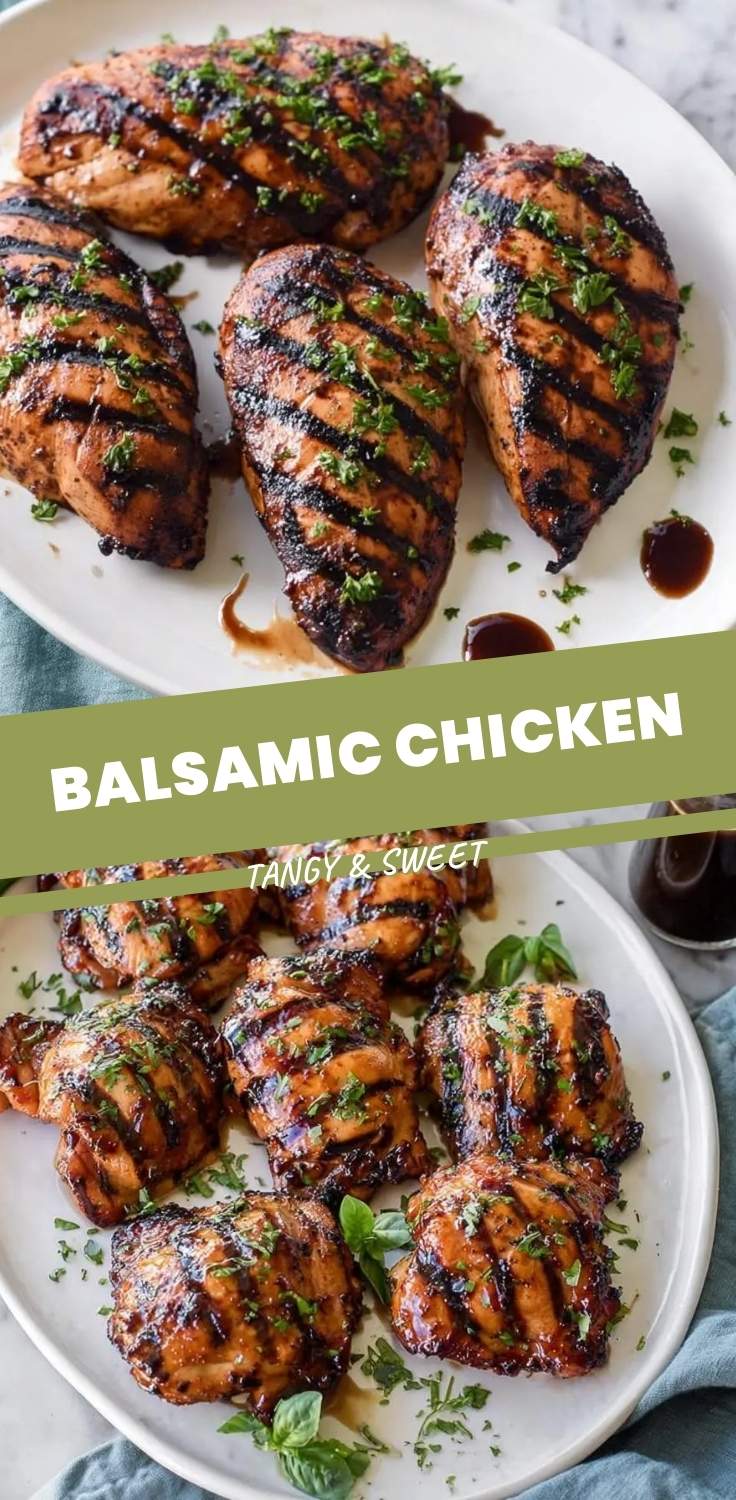
My Tips for the Perfect Outcome
- Get a good sear: Don’t move the chicken around in the pan. Let it develop a deep, golden-brown crust.
- Watch the glaze: Let the sauce simmer until it’s thick enough to coat the back of a spoon.
- Rest is best: Always let the chicken rest for a few minutes before slicing into it.
How I Serve and Store This Dish
My favorite way to serve this dish is over a bed of creamy mashed potatoes or alongside roasted asparagus to soak up every last drop of the glaze. It also pairs beautifully with a simple side salad. For leftovers, I store the chicken and any extra sauce in an airtight container in the refrigerator for up to three days. It makes for a fantastic lunch the next day, reminiscent of the flavors in my Mediterranean Chicken.
Frequently Asked Questions
Can I use chicken thighs instead of breasts?
Absolutely! Boneless, skinless chicken thighs work beautifully in this recipe. They may take a few extra minutes to cook through, so I always recommend using a meat thermometer to ensure they reach an internal temperature of 165°F for perfectly juicy results.
What should I do if my glaze isn’t thickening?
Patience is key here. If your glaze seems too thin, just allow it to simmer on low heat for a few more minutes. As the liquid reduces, it will naturally thicken into a beautiful, syrupy consistency. Don’t be tempted to crank up the heat.
Is this recipe gluten-free?
Yes, this recipe is naturally gluten-free. However, I always advise double-checking the label on your chicken broth, as some brands can contain hidden gluten. To be safe, look for one that is specifically certified gluten-free to ensure the dish is suitable.
What’s the best balsamic vinegar for this recipe?
You don’t need to use an expensive, aged balsamic vinegar for this glaze. I find that a good-quality, mid-range balsamic vinegar from Modena works perfectly. Just try to avoid the very thin, watery varieties, as they won’t reduce into a rich, flavorful sauce.
Conclusion
This recipe holds such a special place in my heart, and I truly hope it brings as much joy to your dinner table as it does to mine. It’s a testament to how simple ingredients can create something truly memorable. If you give it a try, I’d love to hear what you think!