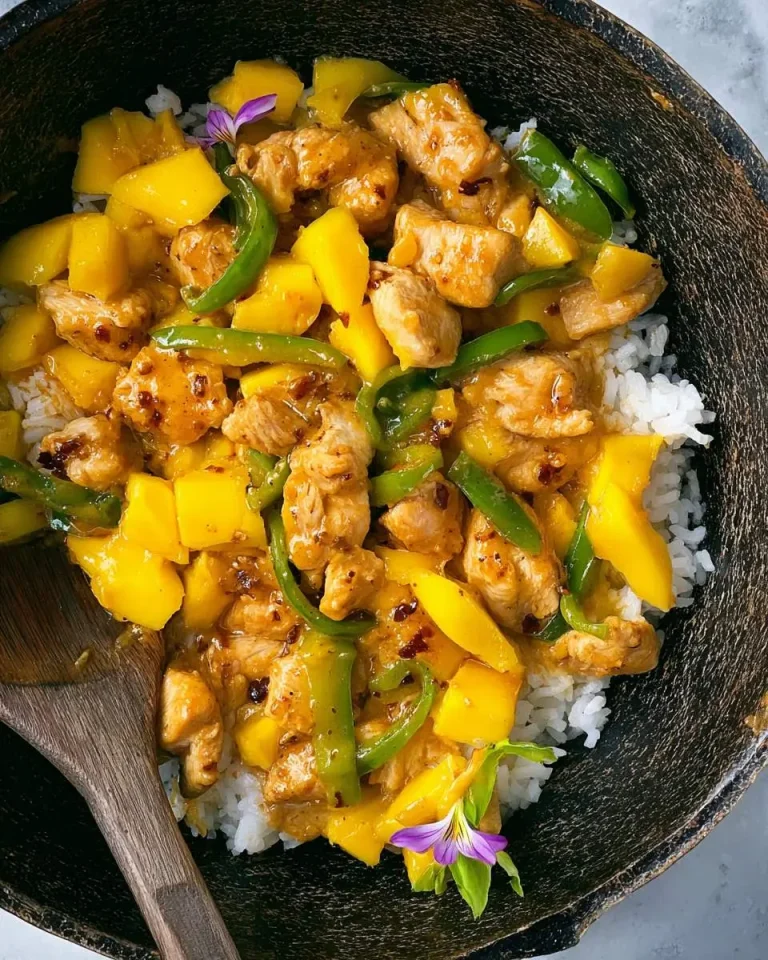
chicken piccata
There’s a certain magic that happens when lemon, butter, and capers meet in a hot pan. For me, that aroma instantly transports me back to my tiny newlywed apartment, where I first tried to impress my husband with something other than pasta. I remember the sizzle of the chicken, the bright, zesty cloud that filled our kitchen, and the proud moment I served up what looked like a restaurant-quality meal. This classic chicken piccata has been a beloved staple in my kitchen ever since, a dish that feels both elegant and incredibly comforting. It reminds me of other simple, yet impressive, meals I’ve mastered over the years, like my cozy garlic parmesan chicken meatloaf.
Why This Dish is a Go-To in My Kitchen
What I adore most about this recipe is its incredible return on investment. With just 15 minutes of prep and 20 minutes of cook time, I can create a dish that tastes like it took hours to prepare. It’s my secret weapon for busy weeknights when I want something special without the stress. The ingredients are simple pantry staples—chicken, flour, lemon, butter—but they come together to create a pan sauce that is absolutely sublime. It’s a testament to the idea that you don’t need a complicated recipe to make something truly memorable and delicious.
The Key Ingredients You’ll Need
For this dish to truly sing, focus on quality chicken breasts; I always pound them to an even thickness for tender results. Don’t skip the capers—they provide that essential briny pop! When I’m in the mood for another classic Italian-inspired meal, I often turn to my Chicken Florentine recipe.


Classic Chicken Piccata with Lemon-Caper Sauce
Ingredients
Equipment
Method
- Slice the 2 chicken breasts in half horizontally to create 4 thinner cutlets. Place each cutlet between two sheets of plastic wrap and use a meat mallet or rolling pin to pound them to an even 1/4-inch thickness. This ensures they cook quickly and evenly.
- In a shallow dish, whisk together the all-purpose flour, grated Parmesan cheese, kosher salt, and black pepper.
- Dredge each chicken cutlet in the flour mixture, shaking off any excess. Set the coated chicken on a clean plate.
- In a large 12-inch skillet, heat 2 tablespoons of olive oil and 2 tablespoons of butter over medium-high heat. Once the butter is melted and foamy, carefully place two chicken cutlets in the pan. Be sure not to overcrowd the pan.
- Sauté for 3-4 minutes per side, until golden brown and cooked through. Transfer the cooked chicken to a plate and keep warm. Repeat with the remaining two cutlets.
- Reduce the heat to medium. Add the minced garlic to the same skillet and cook for about 30 seconds until fragrant, stirring constantly.
- Pour in the white wine to deglaze the pan, scraping up any browned bits from the bottom with a wooden spoon. Let the wine simmer and reduce by about half, which should take 1-2 minutes.
- Stir in the chicken broth, fresh lemon juice, and capers. Bring the sauce to a simmer and let it cook for 3-4 minutes to allow the flavors to meld and the sauce to reduce slightly.
- Remove the skillet from the heat. Whisk in the remaining 4 tablespoons of cold, cubed butter, one piece at a time, until the sauce is creamy and emulsified. Stir in the chopped fresh parsley.
- Return the chicken cutlets to the skillet, turning them to coat in the sauce. Serve immediately, spooning extra sauce and capers over the chicken.
Notes
Do Not Overcrowd: Cooking the chicken in batches is crucial for getting a beautiful golden-brown crust. Overcrowding the pan will steam the chicken instead of searing it.
Storage: Store leftovers in an airtight container in the refrigerator for up to 3 days.
How I Make Chicken Piccata with Lemon Caper Sauce Step-by-Step
I always start by preparing the chicken, dredging it lightly in a simple mix of flour and parmesan cheese—this creates the perfect golden-brown crust. Next, I cook the chicken in a hot skillet with butter and olive oil until it’s beautifully seared and cooked through. I set it aside and turn my attention to the pan, which holds all the flavor. This is where the magic happens! I deglaze with white wine, scraping up all those delicious browned bits, then build the sauce with garlic, chicken broth, lemon juice, and capers. It’s a simple process that reminds me how versatile chicken can be, whether I’m making this or a comforting stuffed chicken breast.

My Tips for the Perfect Outcome
- Pound It Out: For juicy, evenly cooked chicken, always pound the breasts to about ½-inch thickness.
- Don’t Crowd the Pan: Cook the chicken in batches to ensure a beautiful golden-brown sear, not steamed chicken.
- Fresh is Best: Use freshly squeezed lemon juice! It makes a world of difference in the brightness of the sauce.
How I Serve and Store This Dish
My favorite way to serve chicken piccata is over a bed of angel hair pasta or creamy mashed potatoes to soak up every last drop of that incredible lemon-caper sauce. A simple side of steamed asparagus or sautéed spinach completes the meal perfectly. If I have leftovers, I store the chicken and sauce in an airtight container in the refrigerator for up to three days. I find it reheats best gently in a skillet over low heat.
Frequently Asked Questions
Can I make this dish without white wine?
Absolutely! If you prefer to cook without wine, you can simply substitute it with an equal amount of additional low-sodium chicken broth. I like to add an extra squeeze of fresh lemon juice at the end to ensure the sauce stays bright and tangy.
What’s the best way to get a golden-brown crust on the chicken?
The key is to make sure your pan and the butter/oil mixture are sufficiently hot before adding the chicken. Also, resist the urge to move the chicken around too much once it’s in the pan. Let it sit for a few minutes to develop that beautiful sear.
My sauce seems too thin. How can I thicken it?
If your sauce is thinner than you’d like, you can let it simmer for a few extra minutes to reduce and thicken naturally. Alternatively, you can create a small slurry by mixing a teaspoon of cornstarch with a tablespoon of cold water and whisking it in.
Can I use chicken thighs instead of breasts?
Yes, this recipe is also delicious with boneless, skinless chicken thighs. They are incredibly forgiving and stay very juicy. You’ll just need to adjust the cooking time, ensuring they reach an internal temperature of 165°F before serving them.
Conclusion
This recipe holds a special place in my heart, and I truly hope it brings as much joy to your table as it does to mine. It’s a perfect example of how simple, fresh ingredients can create something extraordinary. If you’re looking for another amazing meal, my Mediterranean Chicken is another favorite. I’d love to hear what you think in the comments!