Pasta Primavera
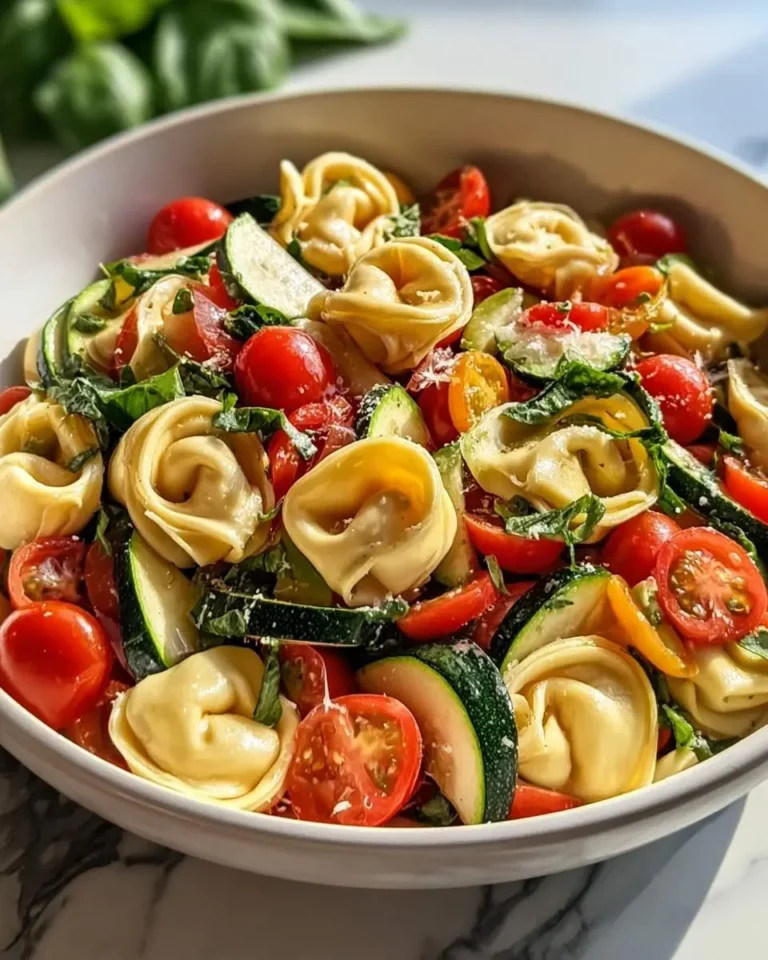
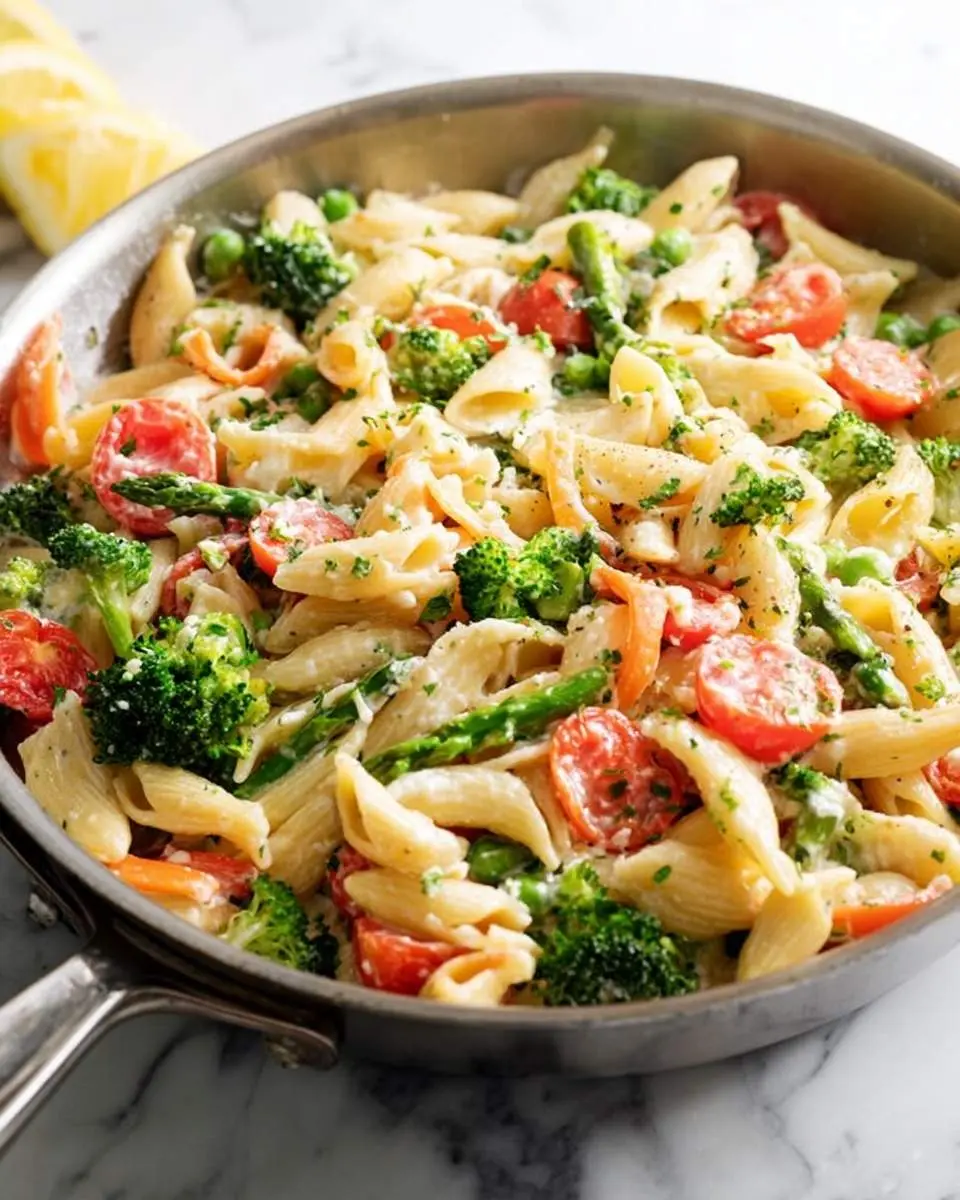
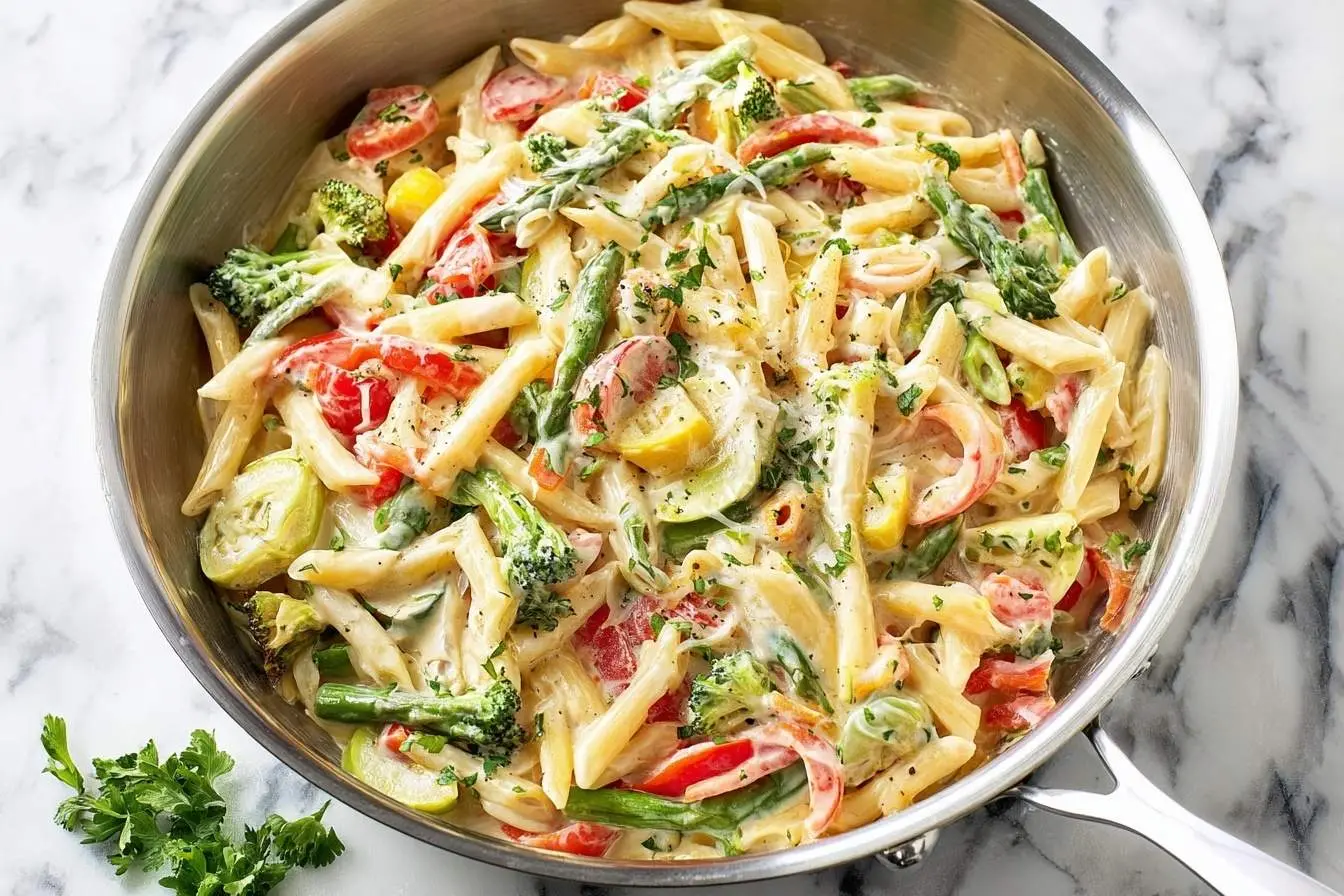
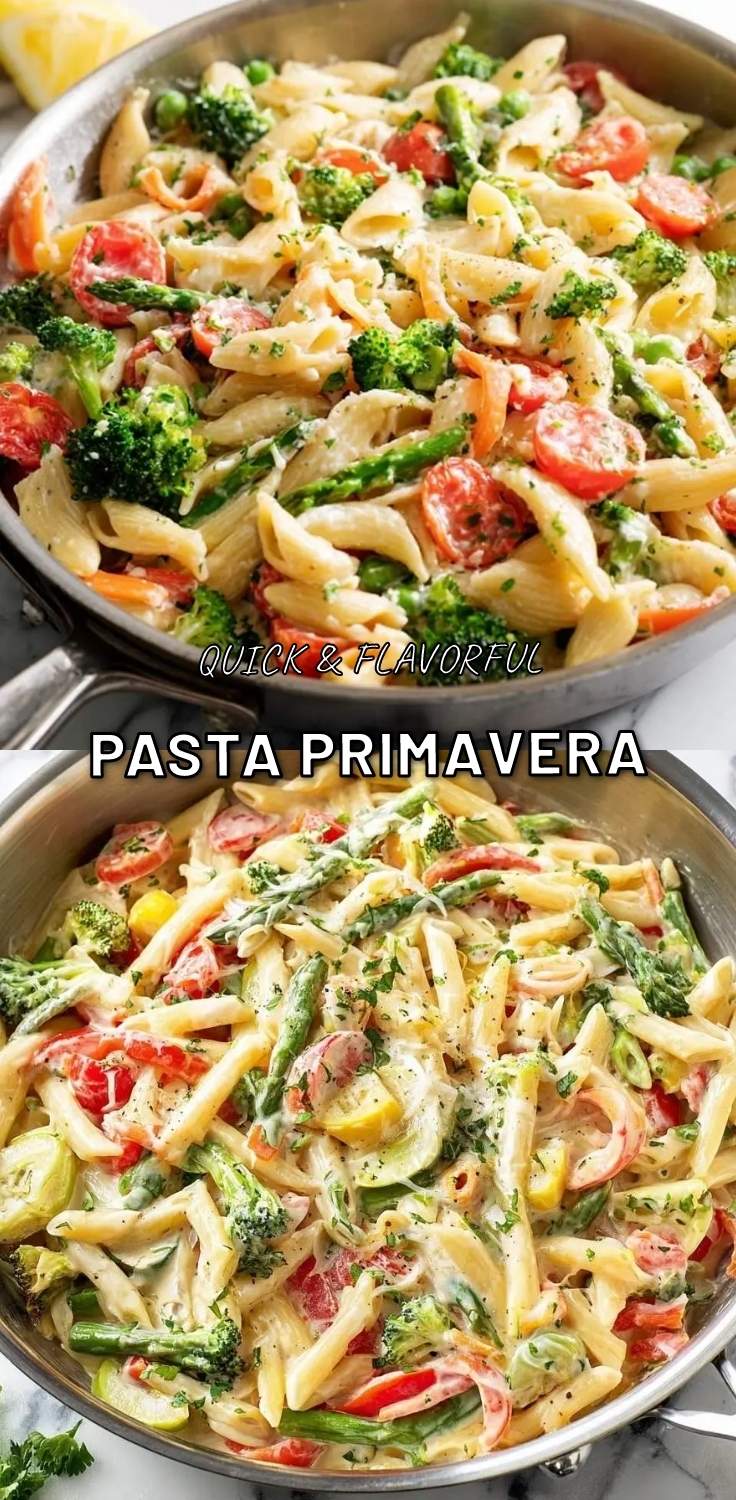
There’s a certain magic that happens in my kitchen when spring arrives. The windows are open, a warm breeze drifts through, and I find myself craving dishes that are vibrant, fresh, and full of life. This Bright & Fresh Lemon Herb Pasta Primavera is the embodiment of that feeling for me. I remember the first time I made it, the kitchen filled with the zesty aroma of lemon and the fresh scent of basil and parsley. The sizzle of crisp asparagus and sweet bell peppers in the pan was a promise of the deliciousness to come. This dish isn’t just a meal; it’s a celebration of the season on a plate. It’s a beautiful, satisfying Pasta Primavera that reminds me of simpler, joyful moments. It has that same comforting quality I find in another of my weeknight favorites, a simple and hearty spinach and mushroom pasta.
Why This Dish is a Go-To in My Kitchen
I absolutely adore this recipe for its sheer versatility and speed. In just 15 minutes of prep and 20 minutes of cooking, I can have a stunningly beautiful and flavorful meal on the table. It’s my secret weapon for busy weeknights when I want something wholesome without spending hours in the kitchen. The combination of tender-crisp vegetables like asparagus, zucchini, and peas coated in a luscious, creamy lemon sauce is simply divine. It feels indulgent, yet it’s packed with fresh ingredients. It’s the kind of dish that’s elegant enough for guests but easy enough for a Tuesday evening.
The Key Ingredients You’ll Need
For this recipe, I insist on using fresh lemon juice and good-quality Parmesan cheese. The fresh juice provides a bright, zesty kick that bottled juice just can’t replicate, cutting through the richness of the cream sauce. If you love bright, lemony flavors as much as I do, you’ll appreciate this touch.

Bright & Fresh Lemon Herb Pasta Primavera
Ingredients
Equipment
Method
- Bring a large pot of heavily salted water to a rolling boil. Add the pasta and cook according to package directions until al dente. Just before draining, reserve about 1 cup of the starchy pasta water. Drain the pasta and set aside.
- While the pasta is cooking, heat the olive oil in a large skillet or sauté pan over medium-high heat. Add the asparagus and red bell pepper. Sauté for 3-4 minutes until they begin to become tender-crisp. Season with a pinch of salt and pepper.
- Add the sliced zucchini to the skillet and cook for another 2-3 minutes, until it is just tender but still has a slight bite. Remove all vegetables from the skillet and set them aside on a plate.
- Reduce the heat to medium. Add the cubed butter to the same skillet. Once melted, add the minced garlic and red pepper flakes (if using) and cook for about 30-60 seconds until fragrant, being careful not to burn the garlic.
- Slowly whisk in the heavy cream and vegetable broth (or 1/2 cup of the reserved pasta water). Bring the mixture to a gentle simmer and let it cook for 2 minutes to slightly thicken. Turn the heat down to low.
- Stir in the Parmesan cheese, lemon zest, and lemon juice. Whisk until the cheese is fully melted and the sauce is smooth. Season with salt and pepper to taste.
- Add the drained pasta, cooked vegetables, and frozen peas to the skillet with the sauce. Toss everything together gently over low heat until the pasta and vegetables are well-coated and everything is heated through, about 1-2 minutes. The peas will cook through quickly.
- Stir in the fresh parsley and basil. If the sauce is too thick, add a splash more of the reserved pasta water until it reaches your desired consistency.
- Serve immediately, garnished with extra grated Parmesan cheese and a crack of black pepper.
Notes
How I Make Bright & Fresh Lemon Herb Pasta Primavera Step-by-Step
I always start by bringing a large pot of salted water to a boil for the pasta; it’s the first step to any great pasta night in my house. While the linguine is cooking, I get my vegetables ready. I love seeing the vibrant colors of the asparagus, zucchini, and red bell pepper as I sauté them in a bit of olive oil. My trick is to cook them just until they’re tender-crisp—nobody wants mushy vegetables in their primavera! I set them aside and then create that beautiful, creamy sauce right in the same pan. I melt the butter, soften the garlic, and then whisk in the heavy cream and vegetable broth. A big squeeze of fresh lemon juice and a generous helping of Parmesan cheese brings it all together. Finally, I toss everything—the cooked pasta, the sautéed vegetables, and the frozen peas—into the sauce, letting it all get beautifully coated. A final sprinkle of fresh parsley, basil, and a pinch of red pepper flakes, and it’s ready to serve. This method of building flavors in one pan is a technique I use in many of my vegetable pasta dishes, like my simple broccoli pasta.
My Tips for the Perfect Outcome
- Don’t overcook the veggies: Sauté them until they are tender-crisp for the best texture.
- Save your pasta water: A splash can help thin the sauce if it becomes too thick.
- Use fresh herbs and lemon: They make all the difference in the flavor.
How I Serve and Store This Dish
I love to serve this pasta primavera immediately, garnished with an extra sprinkle of grated Parmesan cheese, fresh basil, and a few red pepper flakes for a little heat. It’s a complete meal on its own. If I have leftovers, I store them in an airtight container in the refrigerator for up to three days. The sauce will thicken as it cools, but you can add a splash of broth or water when reheating to bring it back to its creamy consistency.
Frequently Asked Questions
Can I use different vegetables in this pasta primavera?
Absolutely! This recipe is incredibly versatile. I often use whatever is fresh and in season. Broccoli florets, snap peas, or yellow squash would all be wonderful additions. Just be sure to cut them into similar-sized pieces for even cooking.
How can I make this recipe vegan?
You can easily adapt this for a vegan diet. I’d recommend using your favorite plant-based butter and a full-fat oat milk or cashew cream instead of heavy cream. For the cheese, a high-quality vegan Parmesan substitute works beautifully to finish the dish.
What is the best type of pasta for this recipe?
I personally love using a long pasta like linguine or fettuccine because it holds the creamy sauce so well. However, you can certainly use other shapes. Penne, fusilli, or farfalle would also be delicious choices for catching the sauce and vegetables.
My sauce seems too thick. How can I fix it?
This is a common issue and very easy to fix! Before you drain your pasta, I always recommend reserving about a cup of the starchy pasta water. As you toss everything together, you can add a tablespoon or two at a time until the sauce reaches your desired consistency.
Conclusion
This recipe holds a special place in my heart, and I truly hope it brings as much joy to your table as it does to mine. It has all the fresh, vibrant flavors I look for in a spring meal, much like my favorite Mediterranean Pasta Salad. If you try it, I’d absolutely love to hear what you think!