Amish White Bread
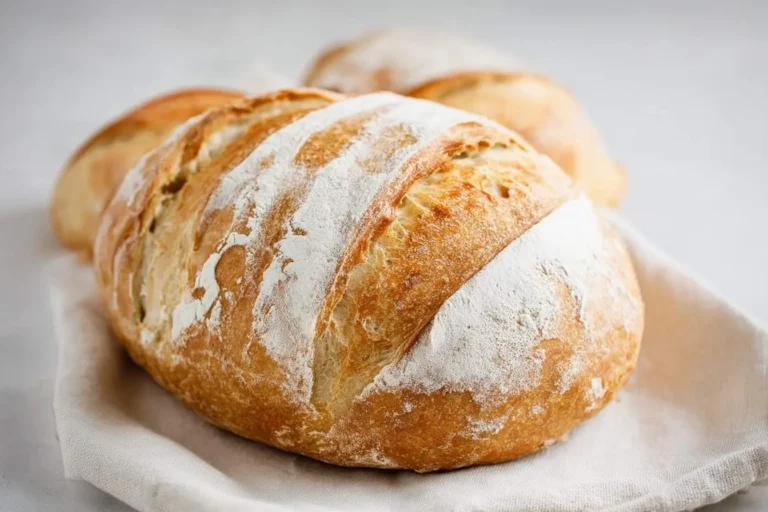
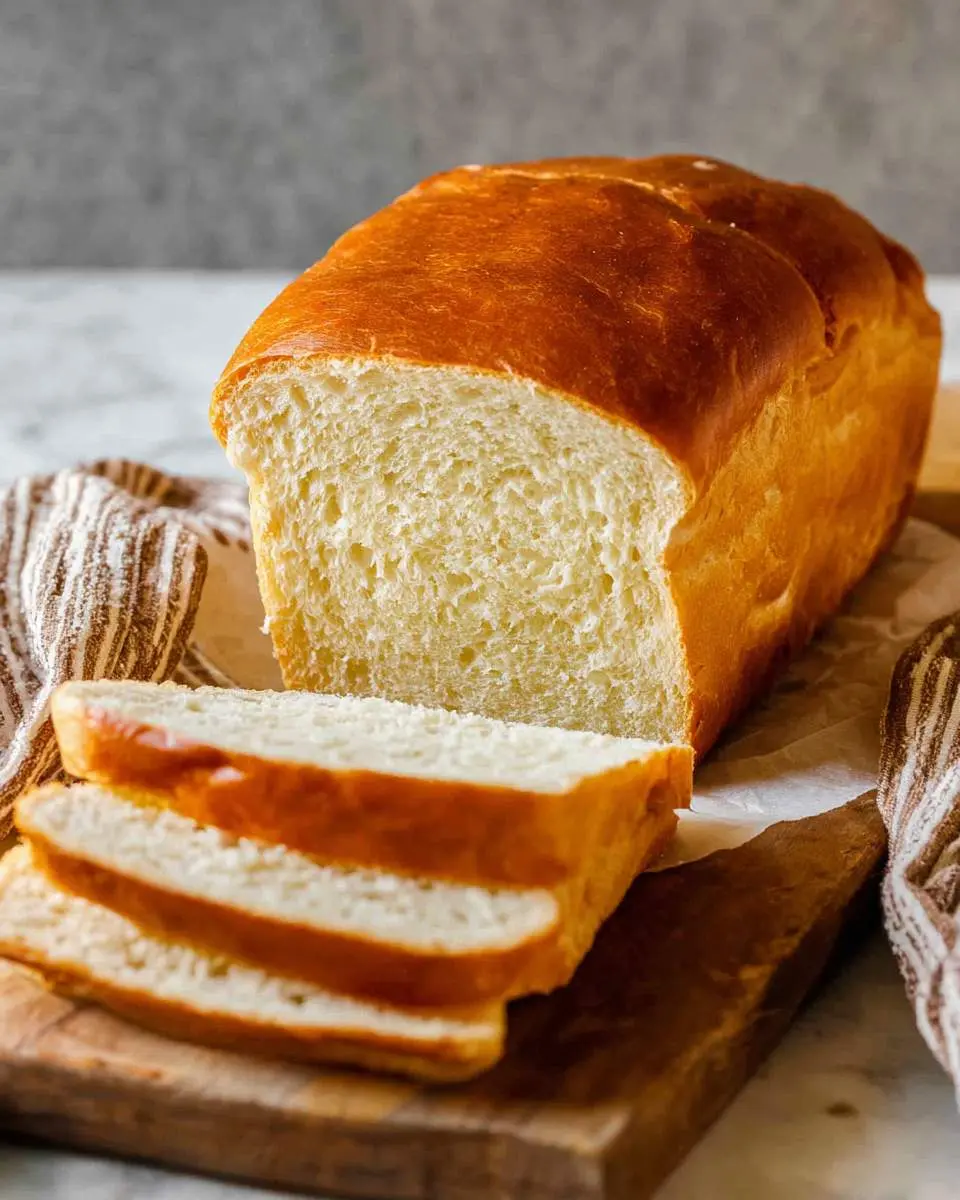
The smell of yeast blooming in warm water still takes me straight back to my grandmother’s kitchen, where flour dusted every surface like the first snow of winter. That soft, pillowy loaf she pulled from the oven every Sunday morning was Amish White Bread, and I’ve spent years trying to capture that same gentle sweetness and tender crumb.
I remember standing on a stepstool, watching her knead dough with the kind of patience I didn’t understand as a child. She never rushed it. The bread always rose higher than mine ever did, and I finally figured out why.
Now my own kitchen fills with that same honeyed aroma on Saturday afternoons, and my family crowds the counter waiting for the first slice. If you’re building your bread-baking confidence, start with something forgiving and beautiful, like this Italian herb and cheese bread I fell in love with last spring.
What You Need to Make This Recipe
This dough asks for simple things, but they each pull serious weight. Bread flour gives Amish White Bread its sturdy yet cloud-like structure, while a touch of sugar feeds the yeast and leaves behind that subtle sweetness I still crave. Whole milk, warmed just to the point where it feels like a comforting bath on your wrist, makes the crumb impossibly soft. Don’t skip the butter either, it laminates the dough with richness that water-based recipes simply can’t touch. I keep my yeast in the freezer and always proof it first, no matter what the package promises. If you want to practice your shaping skills before tackling this loaf, these cloverleaf dinner rolls taught me more about patience than any video ever could.
How to Make Amish White Bread
I start by dissolving my sugar into warm milk, then sprinkling the yeast across the surface like I’m feeding fish. The kitchen goes quiet for ten minutes while I wait for that foamy, alive-looking bloom, it smells like beer and possibility. Once the yeast proves itself, I add melted butter, salt, and flour in stages, mixing until a shaggy mass forms that clings to the dough hook.
The kneading happens on my counter, not in the machine. I push and fold for eight solid minutes, feeling the dough transform from sticky and rebellious to smooth and elastic, like silk under my palms. It should pass the windowpane test, stretch a small piece thin enough to see light through without tearing. That first rise takes about an hour in my draft-free oven with the light on, the dough doubles and sighs when I press a finger into it.
I punch it down gently, divide in half, and shape each piece into a tight log that fights back just a little. Into greased loaf pans they go, rising again until the crowns peek over the rims like sleepy heads. The oven hits 350°F, and somewhere around the twenty-minute mark, my whole house smells like a bakery. The loaves sing when I tap their bottoms, hollow and golden. For anyone exploring heritage grains, this einkorn sandwich bread opened my eyes to how ancient wheats behave differently in the same process.
Pro Tips
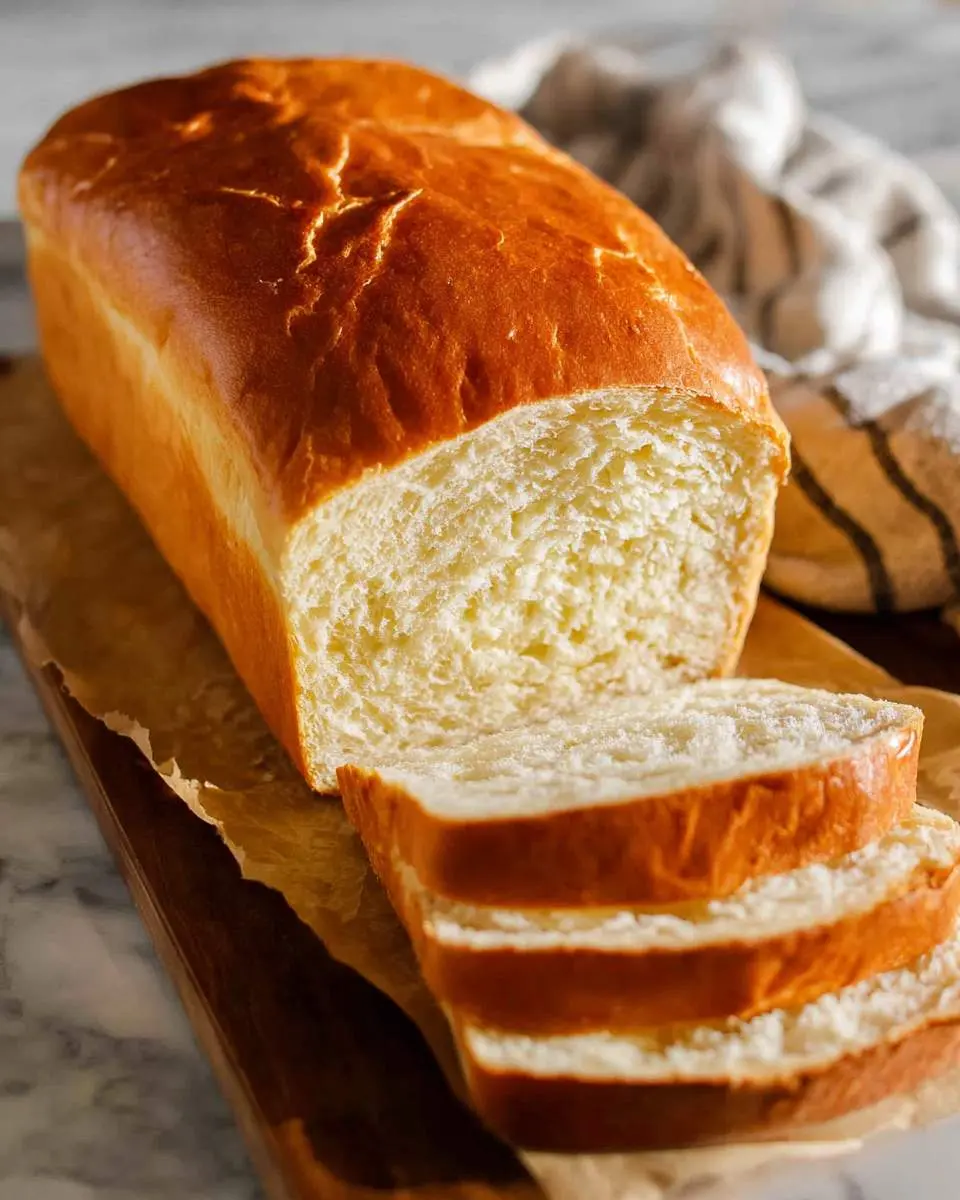
My Secret Trick: I brush the warm loaves with melted butter the moment they leave the oven, then again five minutes later. That second coating soaks into the crust while it’s still permeable, creating a soft, flavorful exterior that stays tender for days instead of turning leathery.
Don’t rush the second rise. Amish White Bread needs that final puff to achieve its characteristic domed top and even crumb structure. Under-proofed dough will burst or split in the oven, and you’ll lose that bakery-shelf appearance.
Room temperature eggs matter more than you’d think. Cold eggs shock the warm yeast mixture and can stall your rise by twenty minutes or more. I set mine out with my butter the night before.
Slice only after complete cooling, I mean at least two hours. The steam inside finishes setting the crumb, and premature cutting turns your beautiful loaf into a gummy, compressed disappointment.
How to Store Amish White Bread
- Room temperature: Wrap completely cooled loaves in plastic wrap or beeswax wrap, then slide into a bread box or paper bag. Keeps soft and fresh for 3 to 4 days at 68-72°F.
- Refrigerator: I never refrigerate this bread. The cold accelerates staling through starch retrogradation, turning the tender crumb unpleasantly firm within 24 hours.
- Freezer: Slice completely cooled loaves, separate layers with parchment paper, and freeze in airtight freezer bags with air pressed out. Stays excellent for up to 3 months at 0°F.
- Reheating: Thaw frozen slices at room temperature for 30 minutes, then warm in a 300°F oven for 5 minutes wrapped in foil. For immediate gratification, 15 seconds in the microwave wrapped in a damp paper towel restores softness.
Nutritional Benefits
Amish White Bread offers more than comfort on a plate. The milk contributes calcium and protein that support bone health, while the small amount of sugar provides quick energy without overwhelming your daily intake. Bread flour’s protein content, typically 12-14%, means each slice delivers more sustained fuel than all-purpose alternatives, making this loaf genuinely satisfying rather than empty.

FAQs
Can I use all-purpose flour instead of bread flour?
Yes, though the texture changes noticeably. All-purpose flour has less protein, so your loaf will be slightly denser with a tighter crumb. If that’s what you have, reduce the liquid by one tablespoon to compensate for the lower absorption.
Why did my bread collapse in the oven?
Over-proofing is the usual culprit. When dough rises too long, the gluten structure weakens and can’t support the expansion during baking. The second rise should take 30-45 minutes, stop when the dough crowns one inch above the pan rim.
Can I make this dough in a bread machine?
Absolutely, use the dough cycle only. The machine handles mixing and first rise beautifully, then remove, shape, and complete the second rise in pans before baking in your regular oven for proper crust development.
My crust is too hard, what went wrong?
Baking too long or at excessive temperature dries the exterior. Amish White Bread bakes best at 350°F for 25-30 minutes. An instant-read thermometer should register 190°F in the center when properly done, not higher.
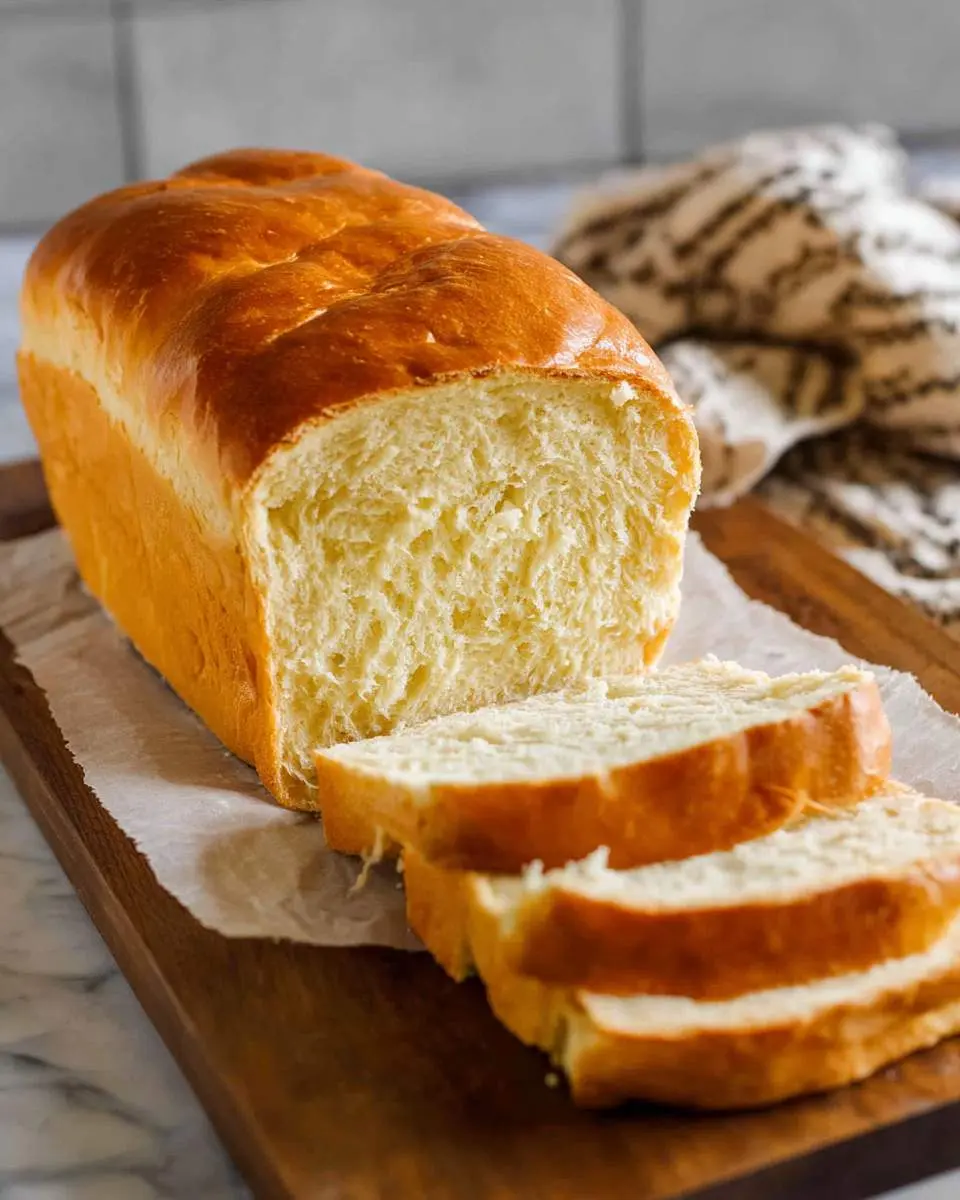

Amish White Bread
Ingredients
Equipment
Method
- In a large bowl or stand mixer bowl, combine warm water and 2 tablespoons of the sugar. Sprinkle yeast over the surface and let sit until foamy and fragrant, about 5-10 minutes. If it doesn't foam, your yeast is dead - start over with fresh yeast.
- Add remaining sugar, vegetable oil, and salt to the yeast mixture. Stir to combine. Add 5 cups of flour and mix on low speed (or stir with a wooden spoon) until a shaggy dough forms.
- Continue kneading on medium-low speed for 8-10 minutes, or turn out onto a floured surface and knead by hand for 10-12 minutes, adding remaining flour 1/4 cup at a time as needed. The dough should be smooth, elastic, and slightly tacky but not sticky - it should spring back when poked.
- Lightly oil a large bowl, place dough inside, and turn to coat. Cover with a clean kitchen towel and let rise in a warm, draft-free spot until doubled in size, about 1 hour. Press two fingers into the dough - if the indent remains, it's ready.
- Gently punch down the dough to release air. Turn onto a lightly floured surface and divide in half. Pat each portion into a rectangle about 9 inches wide, then roll tightly from the short end, pinching the seam to seal. Tuck ends under and place seam-side down in greased 9x5-inch loaf pans.
- Cover loosely with the towel and let rise until dough crowns 1 inch above the rim of the pans, about 30-45 minutes. Preheat oven to 350 degrees F during the last 15 minutes of rising.
- Bake for 30-35 minutes until deep golden brown and the internal temperature reaches 190 degrees F. Immediately remove from pans and brush tops with melted butter. Cool completely on a wire rack before slicing, at least 2 hours - cutting too early ruins the texture.
Notes
Conclusion
There’s a reason I return to Amish White Bread when the world feels complicated. It asks for patience, rewards attention, and fills my home with something unmistakably good. Bake it once, and you’ll understand why this humble loaf has survived generations unchanged. For a heartier direction with the same simple methods, this no-knead whole wheat bread carries that same quiet magic.