Baked Potato Rounds
The smell of russet potatoes hitting hot olive oil takes me straight back to my grandmother’s cramped kitchen in Ohio, where she’d stand at the stove flipping coins of potato until they turned the color of late autumn leaves. I started making baked potato rounds on my own about ten years ago, after realizing I could get that same crispy-edged magic without the constant babysitting. The oven does the work now, and I get to pour myself a glass of wine while the house fills with that garlicky, rosemary-scented promise of something good coming.
Last winter, I made these for my neighbor who’d just had knee surgery, and she called me three days later begging for the recipe. She said her husband, who claims to hate potatoes, ate fourteen of them standing at the counter in his socks. That’s the thing about this dish , it sneaks up on people. It looks simple, almost too simple, and then you watch someone reach for their fifth round without making eye contact with anyone else in the room.
I’ve been on a real oven-baked vegetable kick lately after getting slightly obsessed with crispy air fryer chickpeas last month. These potato rounds fit right into that same lazy-but-impressive weeknight energy I keep chasing. Let me show you how they come together.
What You Need to Make This Recipe
The potatoes themselves matter more than you’d think , I stick with medium russets because their starch content gives you that fluffy interior beneath the crackly surface, and I never bother peeling them; the skin crisps into the best part. Good olive oil is non-negotiable here, not the fancy finishing stuff but something with actual flavor, because it’s doing the heavy lifting on browning and taste. Fresh rosemary, finely chopped, beats dried by miles , it practically perfumes the kitchen as these bake , and I finish with flaky salt that catches the light and crunches between your teeth. If you’re building out a whole vegetarian spread, I love serving these alongside homemade air fryer falafel for a dinner that feels intentional without much effort.
How to Make Baked Potato Rounds
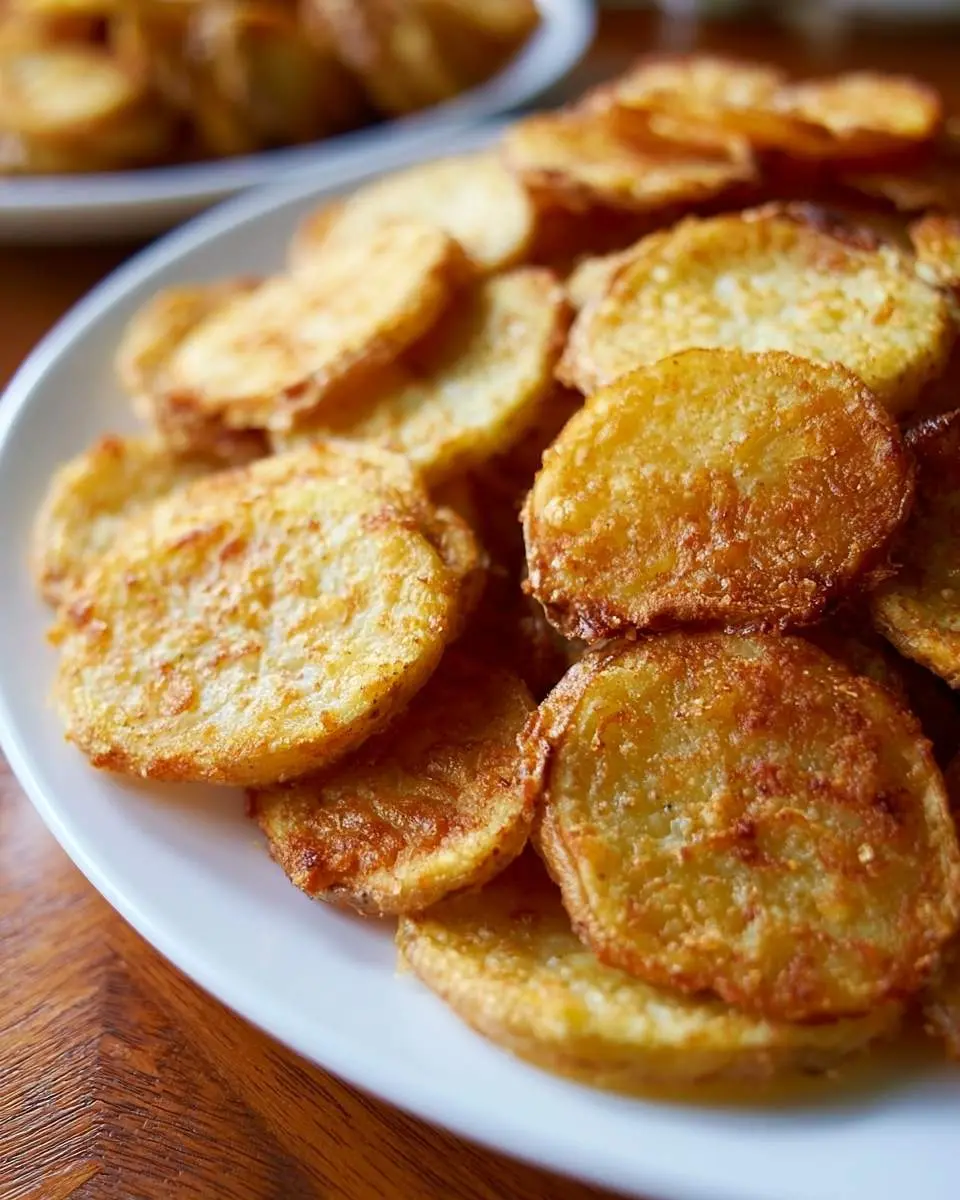
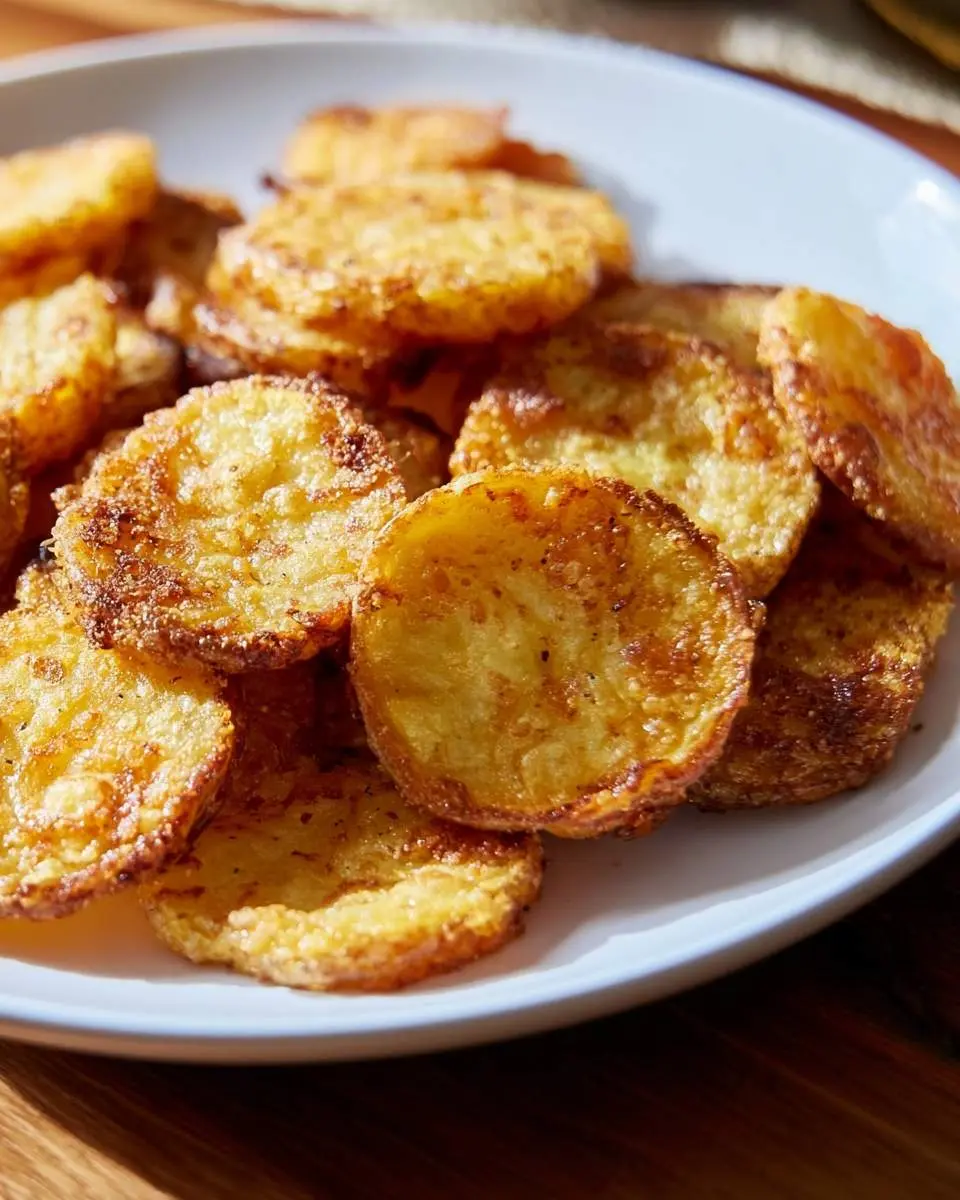
I slice my potatoes about a third of an inch thick , too thin and they cracker into nothingness, too thick and you get that sad steamed middle that no amount of oven time can fix. The rounds go into a bowl where I toss them with olive oil, minced garlic, and those rosemary needles until every surface glistens. They hit a parchment-lined sheet pan in a single layer with space between them, which matters more than I used to believe; crowding steams instead of roasts, and you’ll know you messed up when they emerge pale and limp instead of golden and defiant.
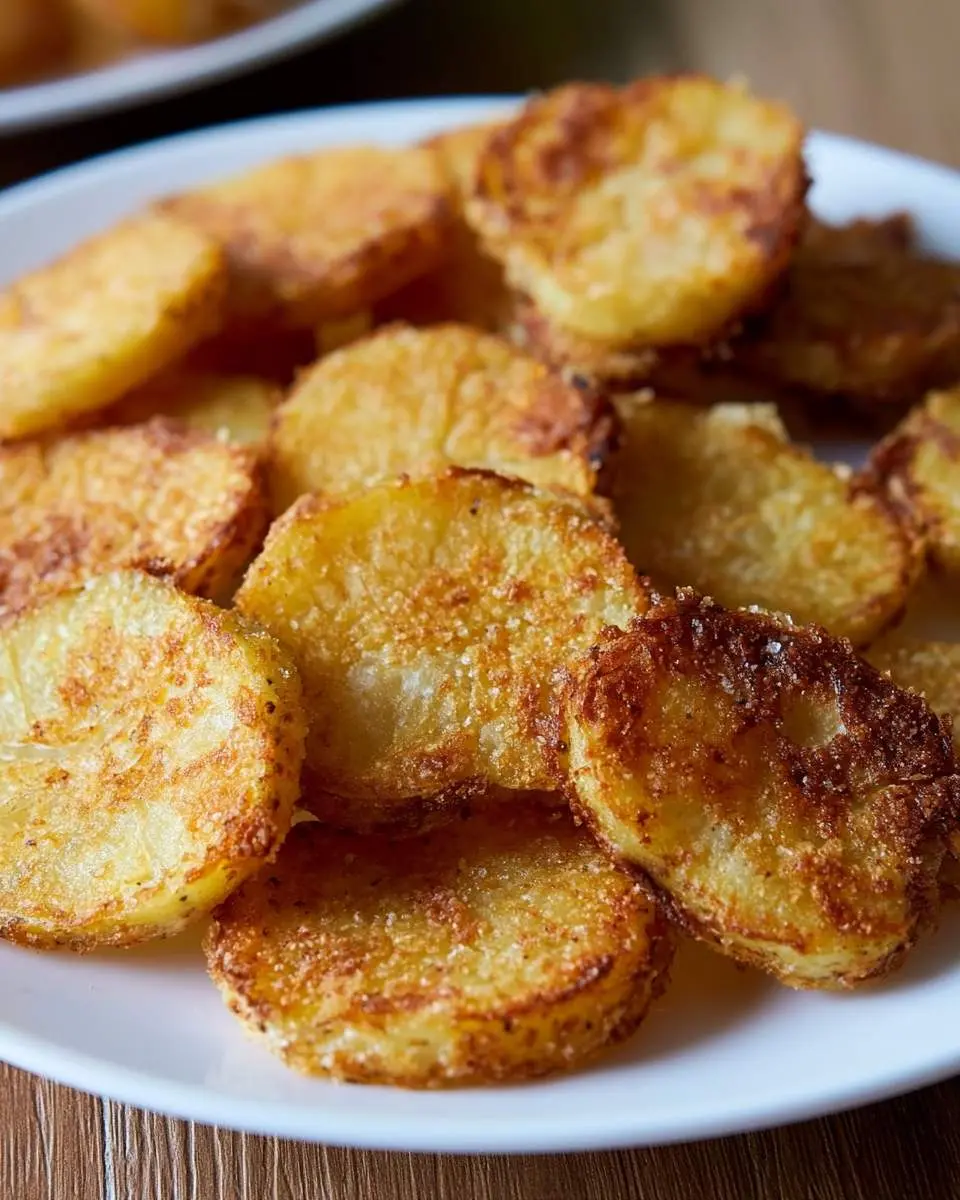
The oven starts at 425 degrees, and somewhere around the twelve-minute mark I flip them, hearing that satisfying scrape of caramelized potato releasing from the pan. The kitchen smells like a farmhouse in Provence by now, all warm herbs and browning starch. I watch for the edges to turn almost burnt-looking , that’s where the flavor concentrates, in those dark rims , and pull them when the centers yield to gentle pressure but still hold their shape. I’ve been making roasted baby potatoes for years, but these rounds give you more surface area per bite, which means more of that precious crispy edge.
Pro Tips
Soak your sliced potatoes in cold water for twenty minutes before baking , I learned this after too many batches that refused to crisp. The soaking pulls surface starch away, and when you pat them bone-dry before oiling, they brown like they’re showing off for you.
Don’t salt until after baking if you want maximum crunch. Salt draws moisture during cooking, and moisture is the enemy of that shattering exterior we all fight over at the table.
Rotate your pan halfway through, even if your oven seems even. Every oven has hot spots, and potato rounds are how I mapped mine , the back left corner of mine runs aggressive, and now I know.
My Secret Trick: I save the rendered oil and crispy bits left on the parchment, scrape them into a jar, and use that potato-rosemary oil to fry eggs the next morning. It sounds ridiculous until you taste it, and then you start planning your baked potato rounds specifically to generate that byproduct.
How to Store Baked Potato Rounds
- Fridge: Cool completely, then layer between paper towels in an airtight container for up to 4 days , the towels absorb residual moisture that would otherwise soften your crispy edges into sadness.
- Freezer: Not recommended for this recipe; the texture turns mealy and the skins separate from the flesh in a way that no reheating method can rescue.
- Reheating: 400 degree oven on a wire rack set over a sheet pan for 8-10 minutes restores about 85 percent of the original crunch , the air circulation underneath matters enormously here, so don’t skip the rack.
- Microwave reheating: Only if you’re desperate and alone; they emerge chewy and limp, though still edible if you close your eyes and remember what they once were.
Nutritional Benefits
Russet potatoes carry more potassium than a banana, which still surprises me every time I remember it, and that mineral supports the muscle recovery I pretend I need after my mostly imaginary workouts. The olive oil here isn’t just for flavor , it’s bringing monounsaturated fats that help your body actually absorb the fat-soluble nutrients locked inside those potato skins, which is why I never peel them off. These baked potato rounds manage to feel indulgent while still delivering actual nourishment, a balance I find myself chasing in almost everything I cook these days.

FAQs
Why are my potato rounds soggy instead of crispy?
You likely crowded the pan or didn’t dry the slices thoroughly after washing. Moisture is the enemy , give each round breathing room and pat them aggressively with clean towels before oiling.
Can I use Yukon Gold potatoes instead of russets?
You can, but the texture shifts entirely. Yukons are waxier and hold together more firmly, so you’ll get creamy centers rather than fluffy ones, with less dramatic contrast between interior and exterior.
How thick should I slice the potatoes for this recipe?
Aim for one-third inch , roughly the width of two stacked quarters. Thinner risks burning before the center cooks; thicker leaves you with that disappointing steamed texture no one wants on their plate.
What dipping sauces work best with baked potato rounds?
I’m partial to garlicky aioli or a sharp sour cream with chives, though my husband insists on ketchup like he’s still twelve. The rosemary flavor plays well with anything tangy or creamy.

Baked Potato Rounds
Ingredients
Equipment
Method
- Preheat oven to 425F. Slice potatoes into uniform 1/4-inch rounds. Pat very dry with clean kitchen towels - moisture is the enemy of crispness.
- Toss potato rounds in a large bowl with olive oil, salt, pepper, garlic powder, and smoked paprika if using. Make sure every slice gets coated.
- Spread potatoes in a single layer on a large rimmed baking sheet. Do not overcrowd - use two sheets if needed. Bake 20 minutes.
- Flip each round with a thin spatula. Bake another 12-15 minutes until edges are deep golden and centers are tender when pierced.
- Transfer to a platter immediately. Serve hot with sour cream and chives, or your favorite dipping sauce.
Notes
Conclusion
I made these baked potato rounds three times last month alone, and I’m not tired of them yet , that never happens. They’re the kind of recipe that becomes a reflex, something your hands know how to do while your mind wanders elsewhere. If you’re looking for more potato inspiration, my air fryer smashed potatoes hit a similar comfort note with a completely different texture. Make them soon, and save me the crispy ones , we both know they’re the best part.