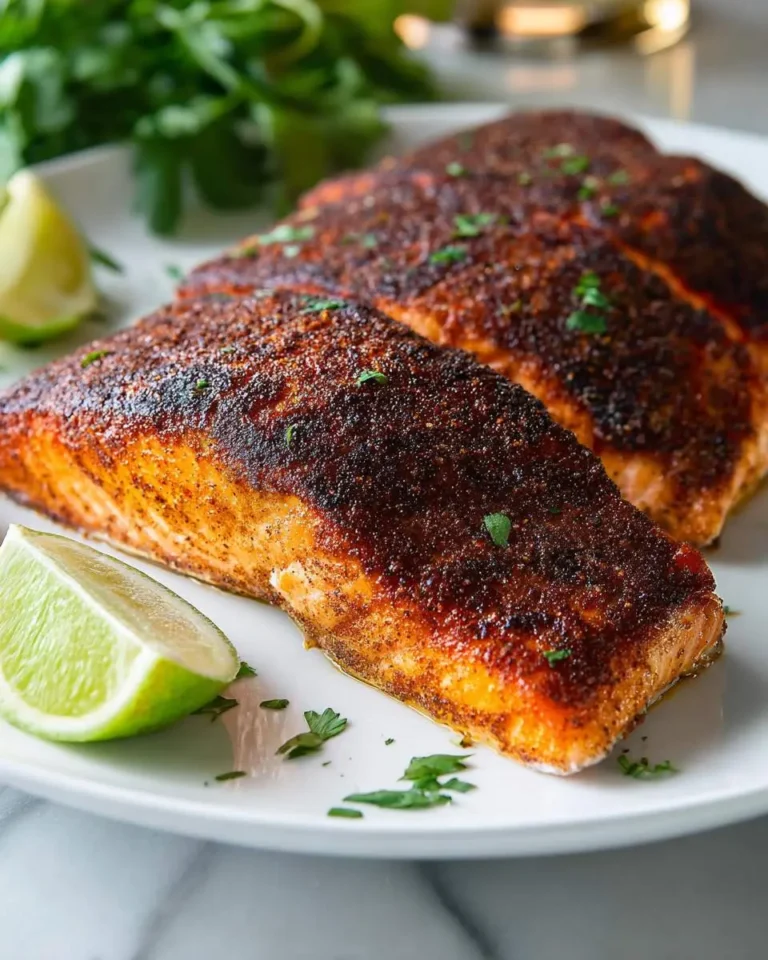
citrus dill salmon
The first time I made citrus dill salmon, I stood at my kitchen window watching the late afternoon light turn everything golden while the most incredible smell drifted up from my oven. Bright lemon, fragrant dill, and that rich, buttery salmon aroma wrapped around each other like they had always belonged together. I remember thinking, this is what dinner should feel like.
My grandmother never cooked salmon. She was a Midwestern meat-and-potatoes woman who found fish suspicious. But she loved dill from her garden, and she taught me that herbs taste like memories. When I pull fresh dill through my fingers now, I think of her weathered hands doing the same. This dish bridges who she was and who I’ve become in my own kitchen.
I have been chasing that perfect weeknight salmon ever since — something elegant enough for guests but simple enough that I don’t resent making it on a Tuesday. After plenty of trial and plenty more error, this is the version that stuck. If you want something similarly bright and herby, my lemon herb grilled shrimp hits that same craving with a different protein.
What You Need to Make This Recipe
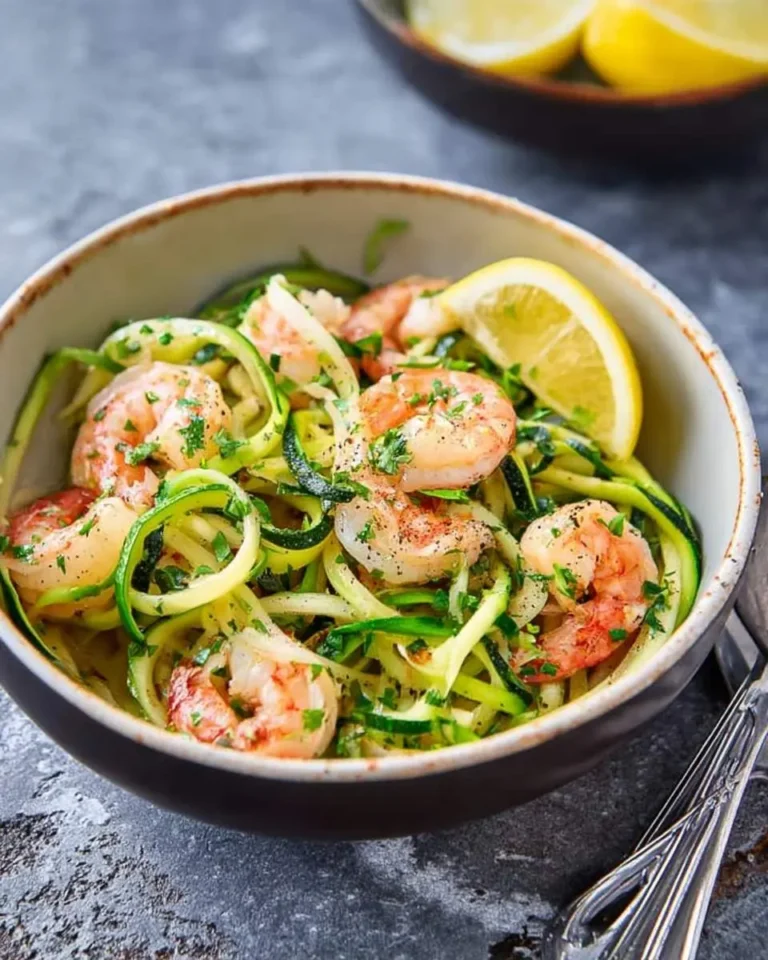
The salmon itself matters more than I’d like to admit — I learned that the hard way after trying to rescue a past-its-prime fillet with extra lemon. Look for bright, firm flesh that springs back when pressed. The citrus blend is where the magic lives: I use both lemon and orange zest, which gives the citrus dill salmon a complexity that single-citrus versions lack. The orange rounds out the lemon’s sharp edges. Fresh dill is non-negotiable; dried tastes like lawn clippings in comparison, and I say this as someone who hates wasting food. A good flaky salt at the end makes everything taste more like itself. For another light, citrus-forward seafood dinner, my lemon garlic shrimp with zucchini noodles uses similar bright flavors in a completely different format.

How to Make citrus dill salmon
I start by zesting my citrus directly over a small bowl, watching the colored oils mist up and catch the light. The smell hits immediately — that volatile, alive quality that bottled juice never captures. I mix the zest with chopped dill, minced garlic, and enough olive oil to make a loose paste that clings to the salmon without sliding off.
The salmon goes skin-side down on a lined sheet pan. I score the flesh lightly with a sharp knife — not deep, just enough to create little pockets for the citrus-dill mixture to settle into. Then I press the herb blend on top with my fingertips, working it into those shallow cuts. The oven needs to be hot, 425 degrees, because I want the exterior to caramelize slightly while the center stays tender.
About twelve minutes in, I start checking. The kitchen smells like a coastal restaurant at this point, all brine and butter and bright notes. The salmon is done when it flakes but still has a little translucency in the very center — carryover cooking will finish it. I pull it out and let it rest, which feels like the longest three minutes of my life. If you prefer a stovetop method, my one-pan lemon herb salmon develops a gorgeous crust you can’t get from the oven alone.
Pro Tips
Score the flesh shallowly. Those little cuts do more than hold flavor — they help the salmon cook evenly by allowing heat to penetrate faster, preventing that dreaded thick-center-raw situation. I learned this after too many fillets with overcooked edges and cold middles.
Let the salmon temper before cooking. Twenty minutes on the counter takes the chill off, which means the center and exterior finish at the same time. Cold salmon straight from the fridge almost always cooks unevenly, no matter how carefully you watch it.
Save your citrus zesting for last. Zest loses its volatile oils quickly. I zest directly over the salmon or into the herb mixture right before applying, not ahead of time. The difference in fragrance is immediate and significant.
My Secret Trick: I finish the citrus dill salmon with a squeeze of fresh orange juice mixed with a tiny pinch of sugar — just enough to balance the acidity without making it sweet. This brightens everything and creates a subtle glaze that makes the fillets look restaurant-polished.

How to Store citrus dill salmon
- Refrigerate cooled salmon in an airtight container within two hours of cooking; keeps for up to 3 days at 40 degrees Fahrenheit or below.
- Store herb topping separately if possible — the dill wilts and darkens faster than the salmon itself degrades.
- Freeze individual portions wrapped tightly in plastic wrap then foil for up to 2 months; thaw overnight in the refrigerator.
- Reheat gently in a 275 degree oven covered with foil until just warmed through, about 10-12 minutes; avoid microwave which toughens the fish.
- Flake cold leftovers over salad or into pasta — the texture is actually better cold than reheated in my experience.
Nutritional Benefits
This citrus dill salmon delivers serious omega-3 fatty acids from the wild-caught fillets, the kind of fats my doctor keeps encouraging me to eat more of for heart health. The fresh dill contributes more than flavor — it brings volatile compounds with antioxidant properties that complement the salmon’s natural benefits. The citrus zest adds vitamin C without the sugar hit of juice, plus those aromatic oils that make the whole dish feel invigorating rather than heavy.

FAQs
Can I use dried dill instead of fresh?
Fresh dill is essential here — dried lacks the bright, almost anise-like top notes that make this dish distinctive. If you absolutely must substitute, use one-third the amount of dried and add extra citrus zest to compensate for the missing freshness.
How do I know when the salmon is cooked through?
Look for flesh that flakes easily with a fork but still has slight translucency in the center. The USDA recommends 145 degrees internal temperature, though many chefs prefer 125-130 for medium, which I find more tender and moist.
What sides pair best with this salmon?
I love it with roasted asparagus that can share the oven, or a simple cucumber salad that echoes the dill. Crusty bread for soaking up any citrusy juices is non-negotiable in my house — my husband would revolt without it.
Can I make this citrus dill salmon ahead for a dinner party?
Prepare the herb-citrus mixture up to 4 hours ahead and refrigerate covered. Apply to salmon just before baking for the brightest flavor. The dish is best served within 15 minutes of coming out of the oven, so time accordingly.


Citrus Dill Salmon
Ingredients
Equipment
Method
- Preheat oven to 425F. Line a rimmed baking sheet with parchment paper or foil for easy cleanup.
- In a small bowl, combine lemon zest, orange zest, chopped dill, minced garlic, melted butter, and lemon juice. Stir until it looks like loose pesto.
- Pat salmon fillets completely dry with paper towels. This is crucial for browning. Arrange skin-side down on the baking sheet, leaving space between each fillet.
- Brush fillets with olive oil, then sprinkle evenly with salt and pepper. Spoon the citrus dill mixture over the top of each fillet, pressing gently so it adheres.
- Roast 12-15 minutes, until the fish flakes easily with a fork and the internal temperature reads 125F at the thickest part. The center should still look slightly translucent - it will carryover cook as it rests.
- Let rest 3 minutes on the pan. The fish will finish cooking and the juices will settle. Transfer to plates, spoon any pan juices over top, and garnish with more fresh dill.
Notes
Conclusion
I still make this citrus dill salmon on ordinary Tuesdays when I need reminding that dinner can be something to look forward to. It has never failed me, not once. If you are salmon-hesitant or salmon-bored, this might be the recipe that changes your mind. For a completely different approach with a crispy, cheesy crust, try my parmesan crusted baked salmon — equally reliable, utterly different.