Mango curd
The sun was bright, and I found myself dreaming of something intensely tropical, something that could capture the essence of pure sunshine in a jar. That’s how I ended up in my kitchen, utterly enchanted by the idea of making homemade mango curd.
I remember the first time I tasted a really good mango, fresh from a roadside stand during a vacation, and that burst of sweet, tangy juiciness has stayed with me ever since. This recipe brings back those vivid, joyful memories.
Now, transforming that vibrant flavor into a silky, luscious spread felt like a culinary adventure I absolutely had to share with you, especially after experimenting with fruit in my nectarine blueberry galette.
What You Need to Make This Recipe
For a truly exceptional mango curd, ripe, fragrant mangoes are non-negotiable – their sweetness and vibrant color are the heart of the dish, and you’ll really taste the difference. We’ll also lean on good quality butter for that rich, velvety texture, and a touch of lemon juice to perfectly balance the mango’s tropical sweetness, giving it a bright lift that’s just divine, much like the unexpected zing in my honey pistachio baklava cheesecake.
How to Make Mango curd
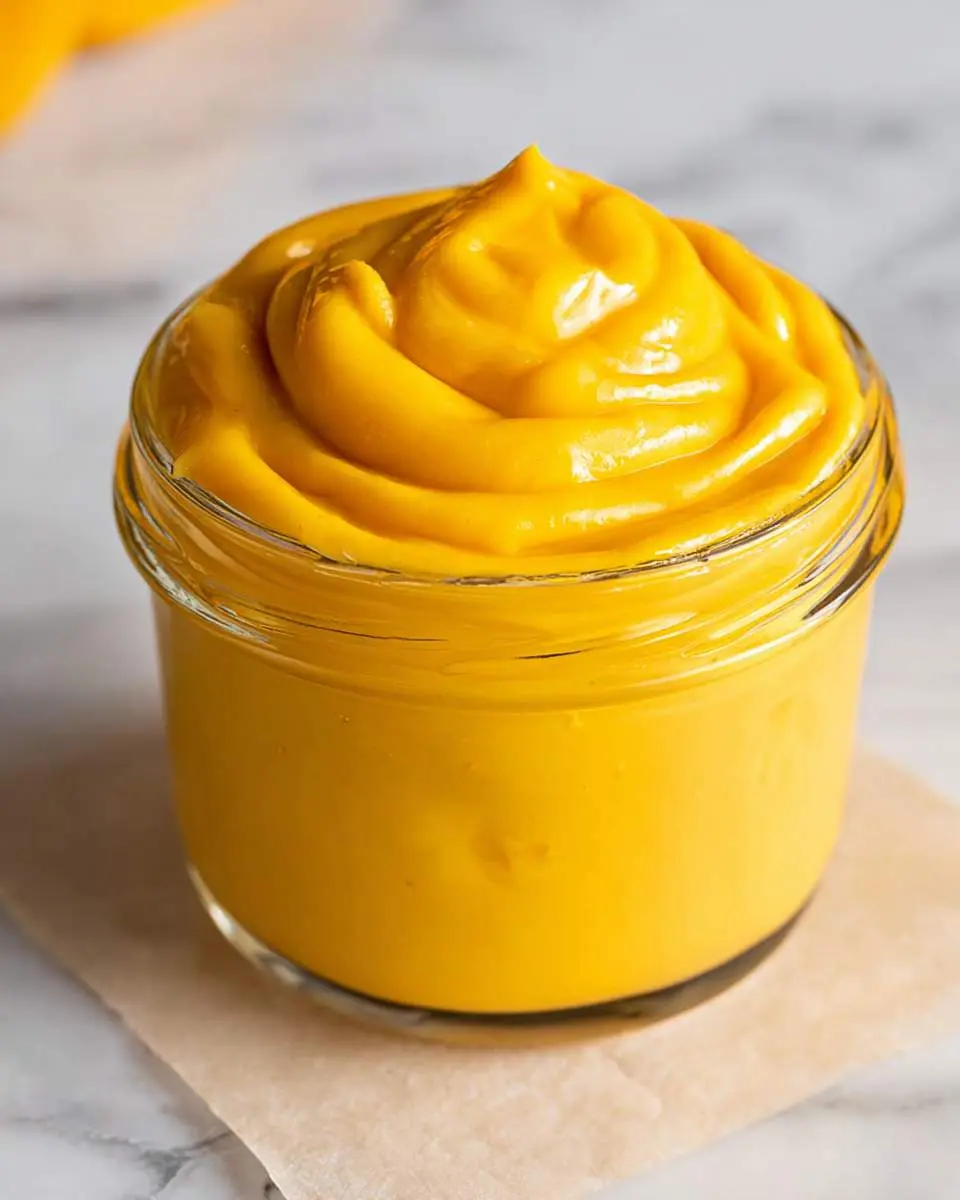
Making this beautiful spread starts with pureeing the freshest mangoes until they’re utterly smooth, a vibrant golden river of fruit. Then, we gently combine this with eggs, sugar, and that crucial squeeze of lemon, whisking it all together over a double boiler.
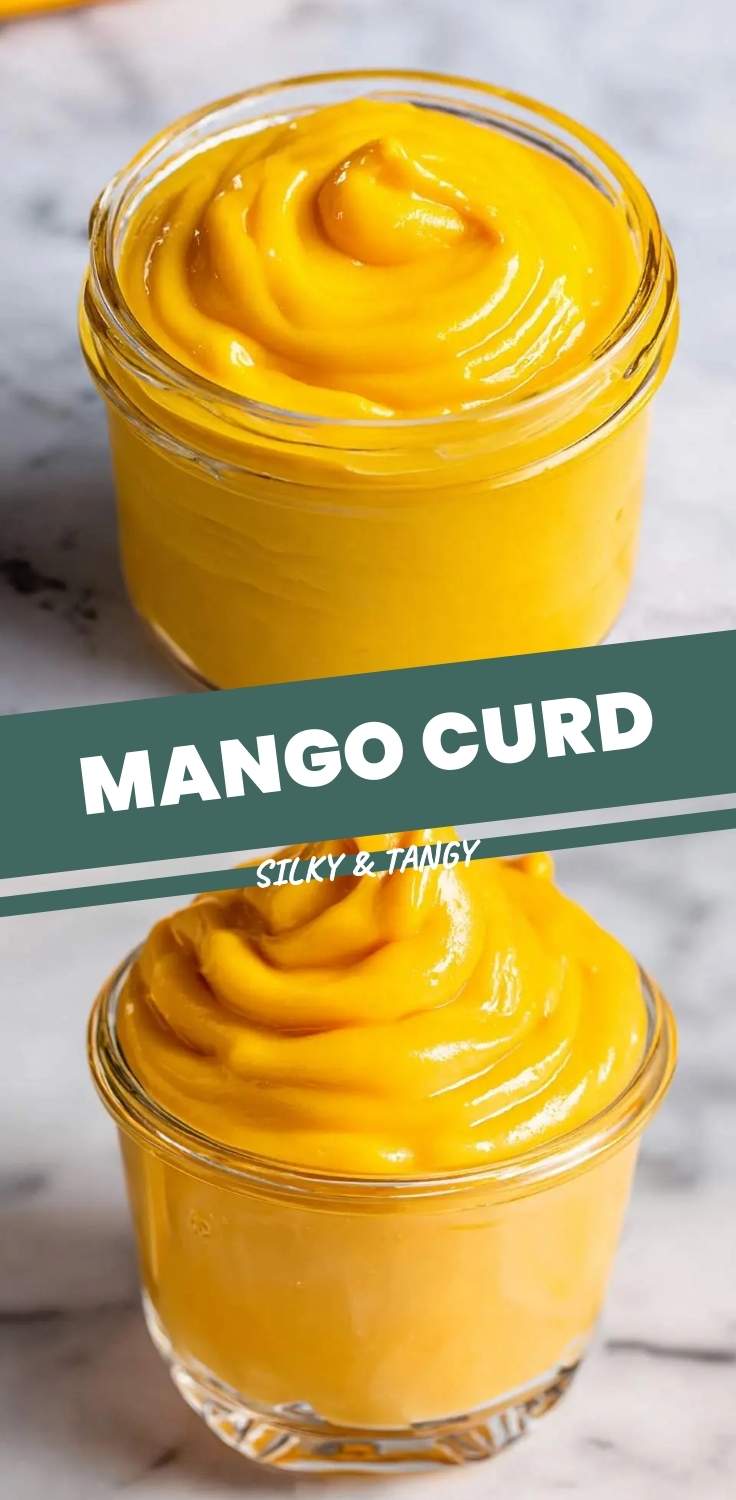
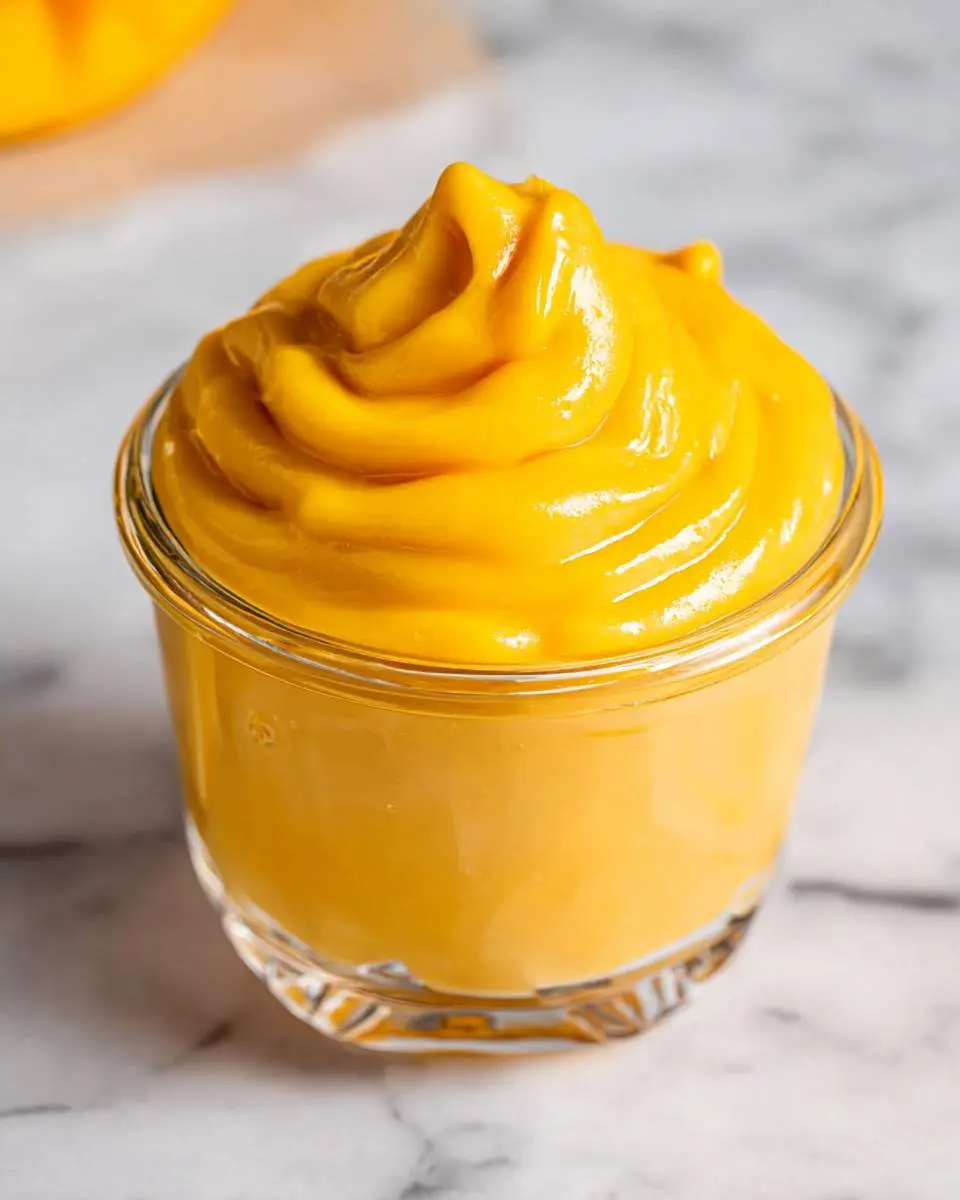
I just love watching it thicken, slowly transforming from a liquid into this luxurious, silken cream right before my eyes, the air filling with the most incredible tropical aroma, a delightful process akin to preparing the layers for a Filipino mango float. You’ll know it’s ready when it coats the back of a spoon beautifully, leaving a clear trail when you run your finger through it.
Pro Tips
Getting your mango curd just right makes all the difference, trust me.
- Choose truly ripe mangoes – they should give slightly to a gentle squeeze and smell intensely fragrant at the stem end, as unripe ones will lack flavor and sweetness.
- Always cook your curd over a double boiler, or at least very low heat, to prevent the eggs from scrambling and ensure a silky smooth texture.
- Don’t skip straining your finished mango curd through a fine-mesh sieve; this step catches any tiny bits of cooked egg or fibrous mango pulp, resulting in that incredibly luxurious mouthfeel we’re aiming for.
My Secret Trick: Adding a tiny pinch of salt to the mixture truly amplifies the mango’s natural sweetness and brightness, making the flavors pop even more vividly without making it taste salty.
How to Store Mango curd
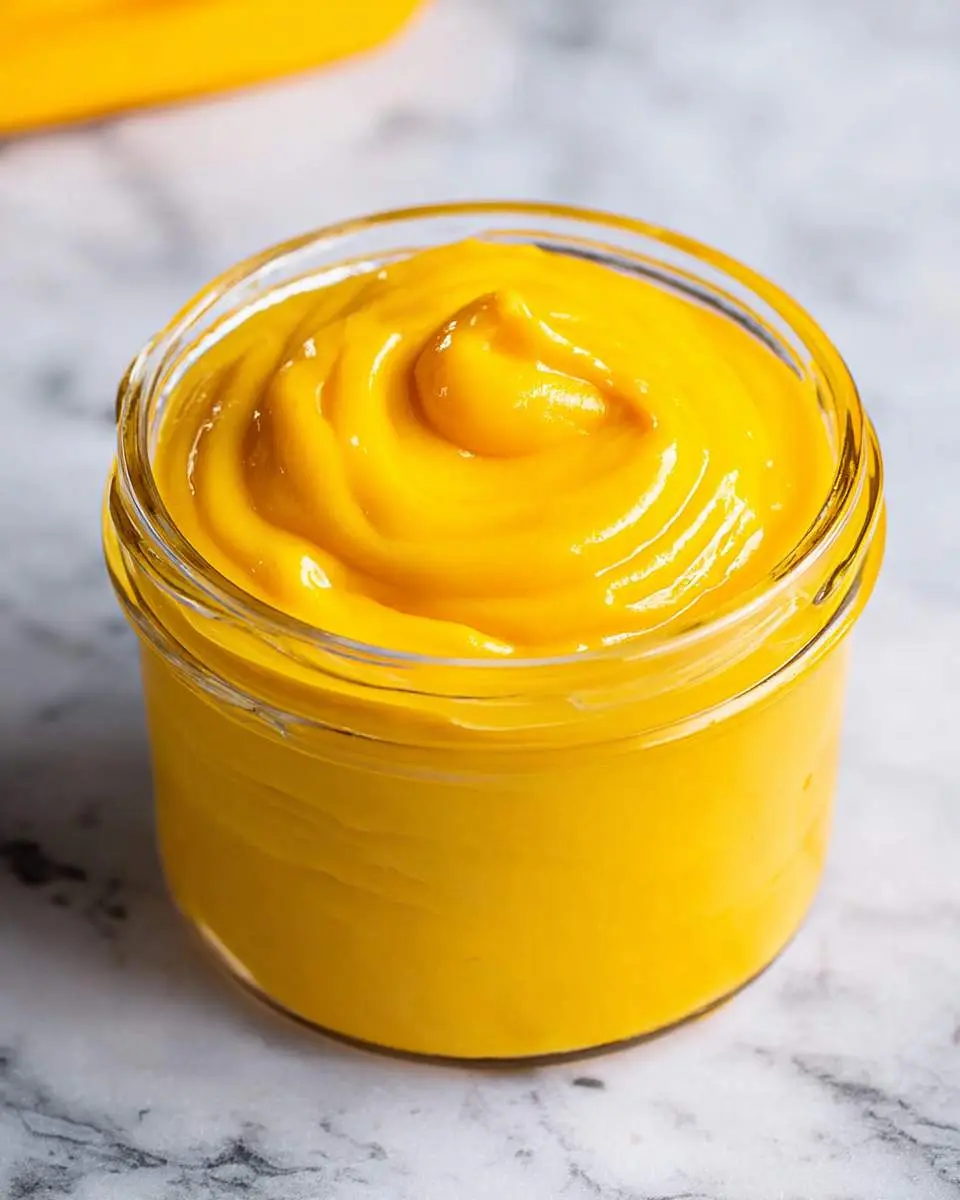
- Store your homemade mango curd in an airtight jar or container in the refrigerator for up to 1 week.
- Ensure the surface of the curd is covered with plastic wrap, pressed directly against it, to prevent a skin from forming and keep it fresh.
- While technically freezable, the texture can sometimes become slightly grainy upon thawing; if you must, freeze in airtight containers for up to 2-3 months, then thaw slowly in the fridge.
Nutritional Benefits
Beyond its incredible flavor, this homemade mango curd offers a delightful way to enjoy some nutritional goodness. Mangoes themselves are packed with vitamins A and C, which are fantastic for immune support and skin health, making this a treat that feels a little bit good for you too.
FAQs
Can I use frozen mangoes for this recipe?
Absolutely! Frozen mango chunks work beautifully for this curd. Just make sure to thaw them completely and drain any excess liquid before pureeing. This ensures your mango puree isn’t too watery, which could affect the final consistency of the luscious spread.
How can I use this homemade curd?
Oh, the possibilities are endless! I love it spooned over yogurt, swirled into oatmeal, or as a filling for tarts and cakes. It’s also divine spread on toast, scones, or even simply enjoyed straight from the spoon. It adds a vibrant, tropical touch to so many dishes.
Why is my mango curd not thickening?
The most common reasons are not cooking it long enough or not having enough heat. Ensure you are gently whisking it over consistent, low-medium heat and cook until it reaches about 175°F (80°C) and coats the back of a spoon. Patience is key for that perfect consistency.
Can I make this dairy-free?
You can certainly try! Substitute the butter with a good quality vegan butter alternative. However, be aware that the texture might be slightly different. The richness from dairy butter is hard to perfectly replicate, but a good vegan butter will still yield a delicious result.

Mango Curd
Ingredients
Equipment
Method
- First, get your mangoes peeled, pitted, and pureed. You'll want about 1.5 cups of smooth mango puree. In a separate medium heatproof bowl, whisk together the granulated sugar, whole eggs, egg yolks, and salt until light in color and well combined. Set aside.
- Pour the mango puree into a medium saucepan and heat it over medium-low heat until it just begins to simmer around the edges, about 3-5 minutes. Don't let it boil vigorously.
- Carefully ladle about half of the warm mango puree into the egg and sugar mixture, whisking constantly to prevent the eggs from scrambling. This step is called tempering, and it slowly brings the eggs up to temperature.
- Pour the tempered egg mixture back into the saucepan with the remaining mango puree. Return the saucepan to medium-low heat and cook, whisking constantly, until the mixture thickens enough to coat the back of a spoon, about 8-12 minutes. The curd should reach about 170°F (77°C) on an instant-read thermometer. Don't let it boil.
- Remove the saucepan from the heat. Stir in the softened butter pieces, one at a time, until fully melted and incorporated. Then, whisk in the fresh lemon juice and lemon zest.
- For the smoothest curd, press the mixture through a fine-mesh sieve into a clean heatproof bowl. Cover the surface directly with plastic wrap to prevent a skin from forming, then refrigerate for at least 4 hours, or preferably overnight, until thoroughly chilled and set.
Notes
Conclusion
Making this mango curd was such a rewarding experience, and I truly hope you give it a try. There’s something incredibly satisfying about creating such a vibrant, flavorful spread from scratch. It’s truly a little jar of sunshine, and I promise it will brighten any day, perhaps even inspiring you to explore other mango delights like mango sticky rice with coconut cream topping. Enjoy every spoonful!