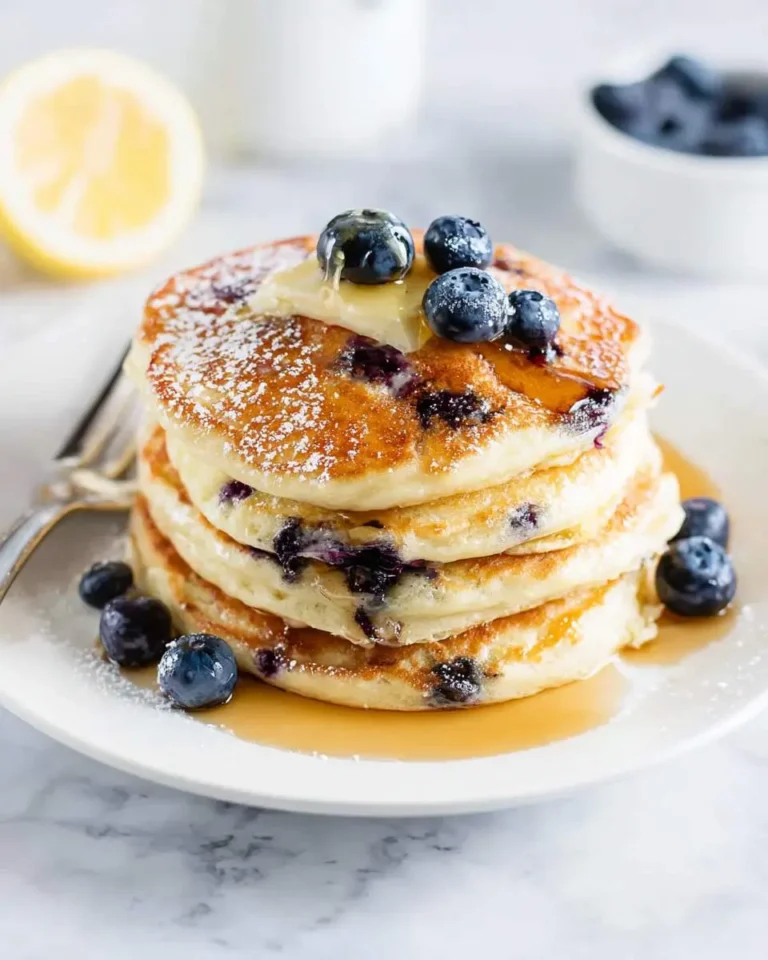
Pumpkin Pancakes
The morning my daughter walked into the kitchen and whispered “it smells like a bakery and a pumpkin patch had a baby,” I knew I had stumbled onto something worth repeating. That was the first time I made pumpkin pancakes on a whim, and the stack disappeared before I even sat down. There is something almost magical about how canned pumpkin transforms a humble batter into something that tastes like October wrapped in a warm blanket.
My grandmother never made anything with pumpkin except pie, and she guarded that recipe like state secrets. I used to stand on her linoleum in my socks, watching her roll crust, thinking pumpkin only belonged in dessert. The first time I flipped a pumpkin pancake and saw that golden-brown webbing spread across the surface, I wished she could have tasted it. She would have grumbled, then asked for seconds.
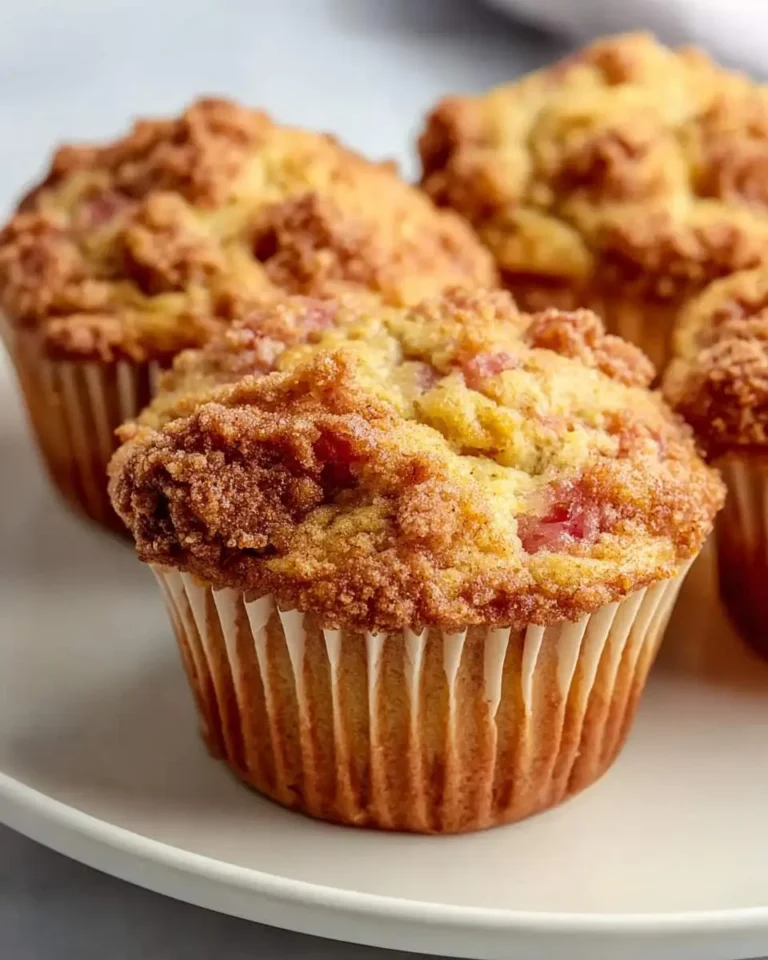
These have become our Saturday ritual from September through Thanksgiving, the kind of breakfast that slows everyone down. If you are already in a pumpkin baking mood, my pumpkin streusel muffins are what I make when I want something to grab on busy weekday mornings.
What You Need to Make This Recipe
The canned pumpkin here is non-negotiable , not pumpkin pie filling, which has sugar and spices already jumbled in, but plain pureed pumpkin that lets you control every note. I use buttermilk because its acidity wakes up the baking soda and creates that tender, almost custardy crumb that makes pumpkin pancakes feel special rather than heavy. A generous spoonful of brown sugar does more than sweeten; it helps the edges caramelize against the hot griddle in a way white sugar simply cannot manage. For another weekend breakfast with serious personality, my Tex-Mex waffles bring the same kind of unexpected warmth to the table.
How to Make Pumpkin Pancakes
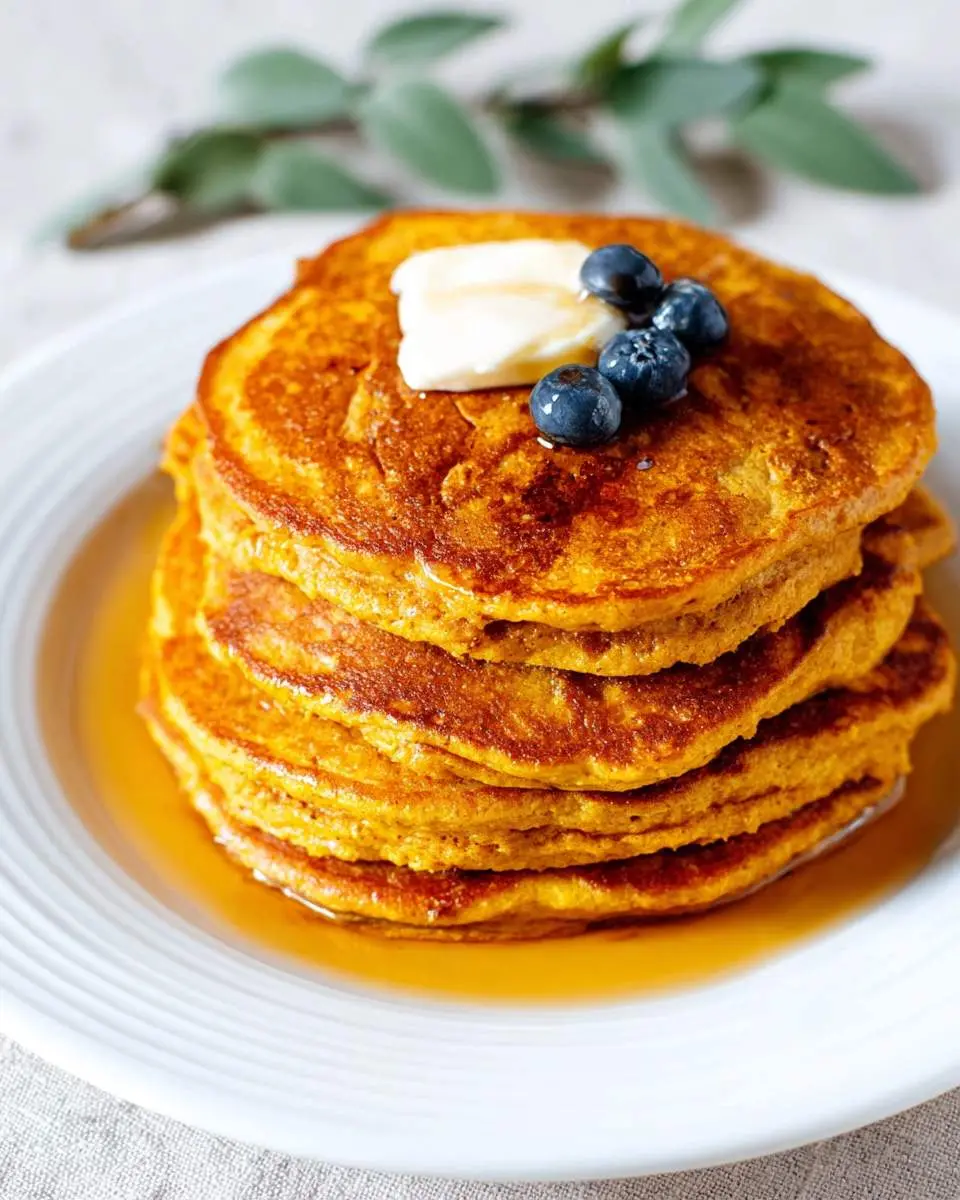
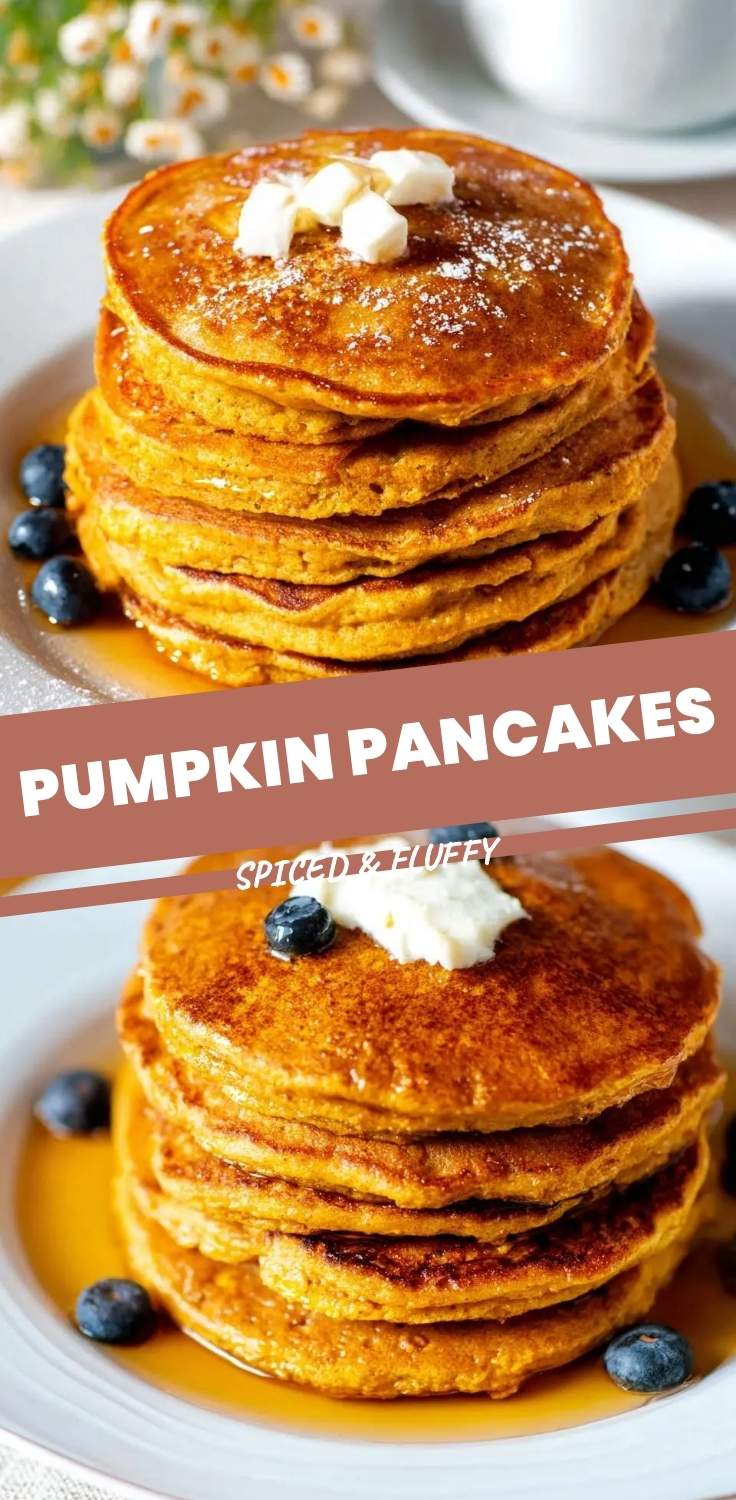
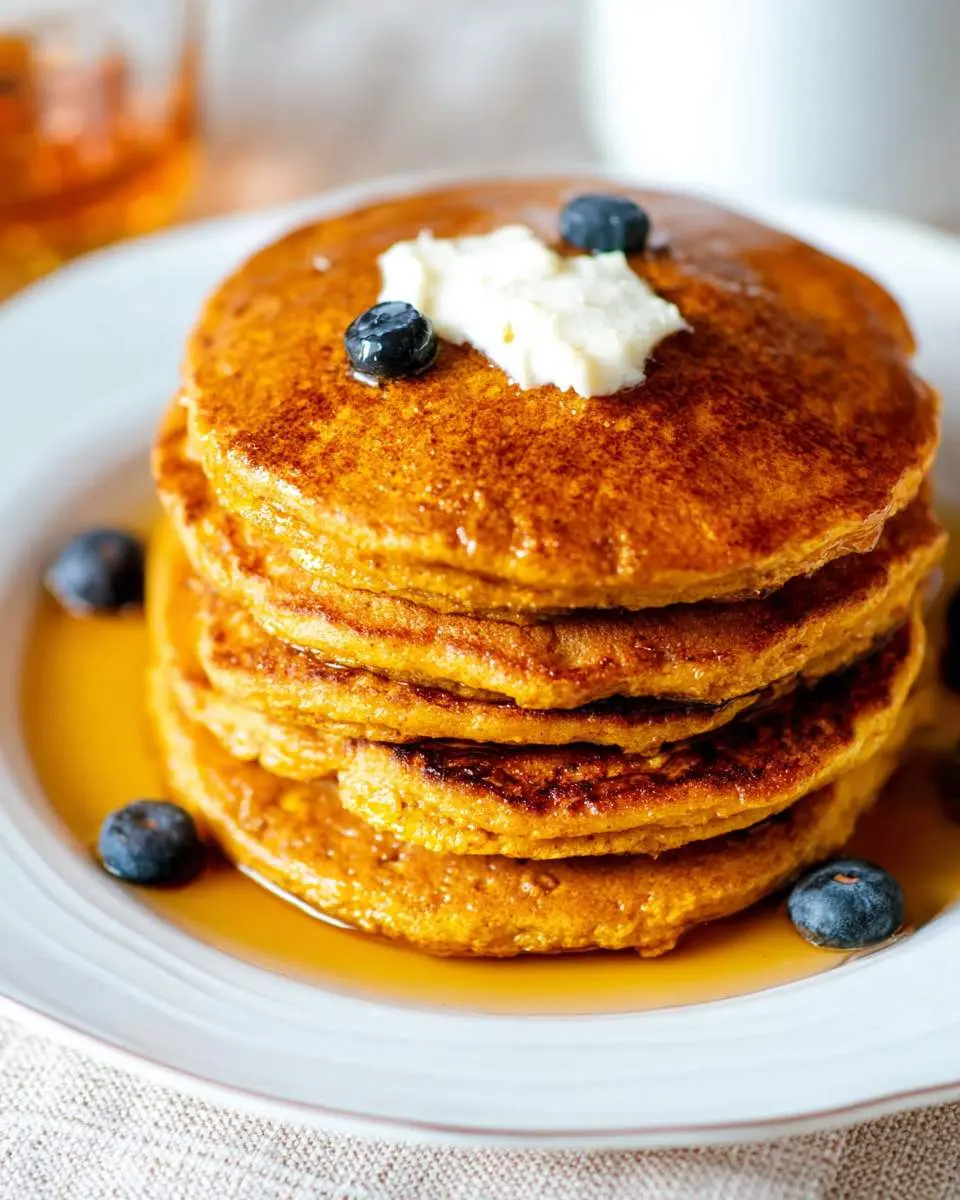
I start by whisking the dry ingredients together until the cinnamon and nutmeg disappear into the flour, no streaks left behind. The wet ingredients get their own bowl: pumpkin, buttermilk, melted butter, an egg, that brown sugar. When I fold them together, the batter turns this gorgeous burnt-orange color, thicker than regular pancake batter but still pourable, like slow-moving lava. The griddle needs to be patient , medium-low, not rushing , because pumpkin pancakes take longer to cook through than plain ones. I wait for bubbles to form across the surface and stay open, little craters holding their shape, before I slide the spatula underneath. The flip reveals that perfect bronze, and the kitchen fills with this warm, spiced smell that makes everyone wander in asking how long until breakfast. I keep them warm on a plate in a low oven while I finish the stack, though honestly, the first one rarely survives that long. If you are a pancake family like mine, my chocolate chip pancakes are what I make when someone needs cheering up.
Pro Tips
Let your batter rest for ten minutes after mixing. The flour hydrates fully, the baking soda activates, and your pumpkin pancakes will rise taller with a more tender interior instead of turning dense and gummy.
Butter your griddle, then wipe most of it off with a paper towel. Too much fat causes uneven browning and that splotchy, greasy first pancake that breaks your heart every time.
Press gently on the center of a cooked pancake , it should spring back slowly, not leave an indent. Pumpkin retains moisture differently than plain batter, so the touch test matters more than color alone.
My Secret Trick: I whisk a tablespoon of mayonnaise into the wet ingredients. The emulsion of egg and oil disappears completely into the batter but creates an almost custard-like richness that keeps these pancakes impossibly tender even after they cool.
How to Store Pumpkin Pancakes
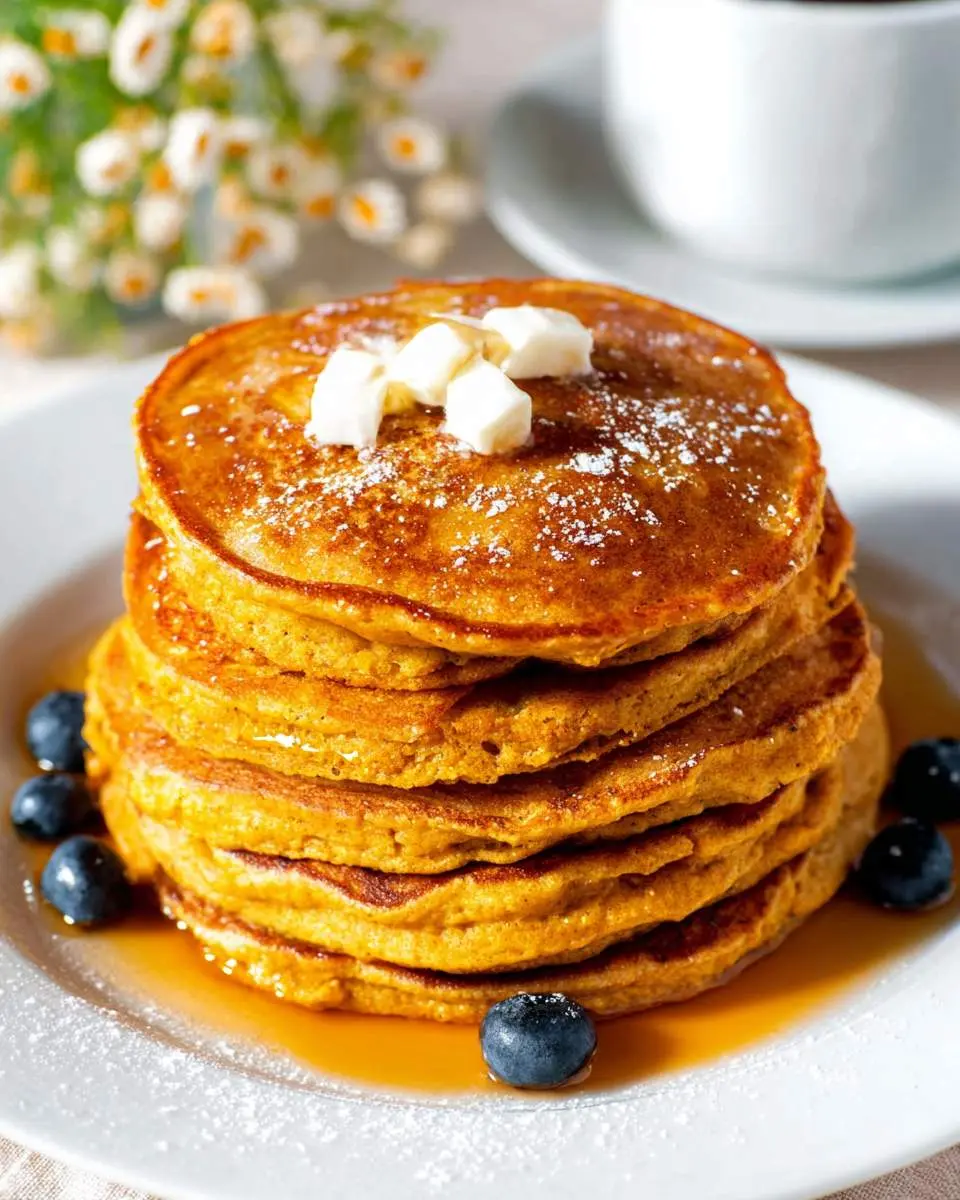
- Refrigerate cooled pancakes in an airtight container with parchment between layers for up to 4 days at 40 degrees F or below.
- Freeze in a single layer on a baking sheet until solid, about 2 hours, then transfer to a freezer bag with air pressed out; keeps up to 2 months at 0 degrees F.
- Reheat refrigerated pancakes in a toaster oven at 350 degrees F for 4-5 minutes directly on the rack to restore crisp edges.
- Reheat frozen pancakes without thawing in a 325 degrees F oven for 8-10 minutes, or microwave 30 seconds wrapped in a damp paper towel for softer results.
Nutritional Benefits
One serving of pumpkin pancakes delivers a surprising dose of vitamin A from the pureed pumpkin, more than a full day’s worth in just a half-cup of the stuff folded into the batter. The buttermilk contributes calcium and that distinctive tang without the heaviness of cream, making these feel indulgent while still offering something genuinely nourishing to start a cold morning.
FAQs
Can I use fresh pumpkin instead of canned?
Yes, but roast and drain it thoroughly first. Fresh pumpkin holds more water than canned, so your batter may need extra flour to avoid thin, spreading pancakes that refuse to rise properly.
Why are my pumpkin pancakes gummy in the center?
The heat was likely too high, causing the outside to finish before the interior set. These need medium-low heat and patience; the pumpkin adds moisture that requires longer cooking than standard pancakes.
Can I make the batter the night before?
I do not recommend it. The baking soda activates immediately and loses its lifting power overnight. Mix dry and wet separately the night before, then combine in the morning for fresh pumpkin pancakes with proper height.
What toppings work best with these?
Warmed maple syrup and toasted pecans are my forever choice. The nuts add crunch against the tender crumb, and their bitterness balances the sweetness in a way that plain butter simply cannot match.

Pumpkin Pancakes
Ingredients
Equipment
Method
- Heat a griddle or large nonstick skillet over medium heat, about 350°F if using an electric griddle. Lightly grease with butter.
- In a large bowl, whisk together the flour, baking powder, baking soda, cinnamon, ginger, nutmeg, and salt until well combined.
- In a medium bowl, whisk together the pumpkin puree, milk, eggs, melted butter, brown sugar, and vanilla until smooth.
- Pour the wet ingredients into the dry ingredients and stir gently with a rubber spatula until just combined. The batter will be thick with some small lumps. Do not overmix.
- Scoop about 1/3 cup batter per pancake onto the hot griddle, spreading slightly if needed. Cook until bubbles form on the surface and edges look set, about 2 to 3 minutes. Flip and cook until golden brown and cooked through, about 2 minutes more.
- Transfer cooked pancakes to a warm oven (200°F) while you finish the batch. Serve hot with butter and maple syrup.
Notes
Conclusion
I hope your kitchen fills with that same pumpkin pancakes magic that hooked my family from the first flip. Some recipes earn their place in the rotation through sheer repetition; this one earned it through genuine surprise. If you are baking your way through pumpkin season, my pumpkin chocolate chip scones are what I bring to every October brunch, and they never make it home.