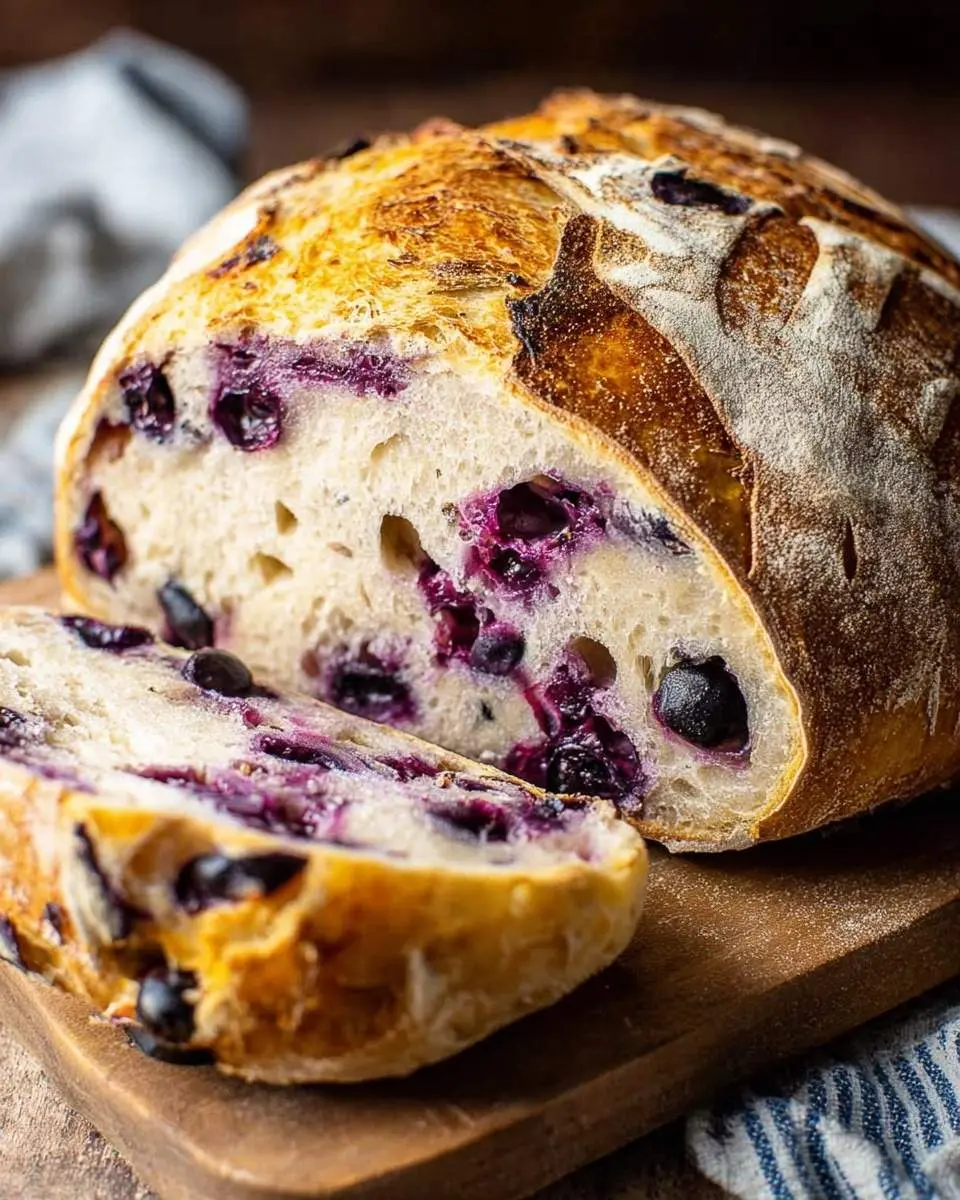

Ingredients
Equipment
Method
1. Autolyse (30 minutes)
- In a large mixing bowl, combine the bread flour, whole wheat flour, and 350g lukewarm water. Mix until no dry spots remain and a shaggy dough forms. Cover the bowl with a damp towel or plastic wrap and let it rest for 30 minutes at room temperature. This process is called autolyse and helps the flour absorb water, developing gluten before the starter is added.
2. Mix Dough (10 minutes)
- After the autolyse, add the active sourdough starter and salt to the dough. Using your hands, incorporate the starter and salt into the dough until fully combined. It might feel sticky at first. Squeeze and fold the dough until the salt and starter are evenly distributed.
3. Stretch and Folds (2 hours total, 20 minutes active)
- Perform 4 sets of stretch and folds, spaced 30 minutes apart. For each set, wet your hands slightly, grab a portion of the dough from one side, stretch it upwards, and fold it over to the opposite side of the bowl. Rotate the bowl a quarter turn and repeat this process 3-4 more times until you've worked your way around the dough. Cover the bowl and let it rest for 30 minutes between sets.
4. Incorporate Blueberries and Lemon Zest (5 minutes)
- After the final stretch and fold, gently flatten the dough slightly. Sprinkle the blueberries (if frozen, ensure they are lightly dusted with flour) and lemon zest evenly over the surface. Gently fold the dough onto itself a few times to incorporate the fruit without crushing it too much. Be delicate to avoid tearing the gluten network.
5. Bulk Fermentation (2-4 hours, variable)
- Cover the bowl and let the dough continue to bulk ferment at room temperature (72-78°F / 22-26°C) for another 2-4 hours, or until it has increased in volume by about 30-50% and feels light and airy. The exact time will depend on your starter's activity and ambient temperature. Look for signs like bubbles on the surface and along the sides of the bowl.
6. Pre-shape (5 minutes)
- Gently tip the dough out onto a lightly floured surface. Using a dough scraper, gently shape the dough into a loose round. Avoid degassing it too much. Let it rest uncovered for 20-30 minutes.
7. Final Shape (5 minutes)
- Lightly flour your banneton. Gently flip the dough over. Shape the dough into a tight boule or batard, building tension on the surface. Place the shaped dough seam-side up into the floured banneton.
8. Cold Proof (12-18 hours)
- Cover the banneton with a plastic bag or plastic wrap and refrigerate for 12-18 hours. Cold proofing develops flavor and makes the dough easier to handle and score.
9. Bake (45 minutes)
- Preheat your oven to 500°F (260°C) with the Dutch oven inside for at least 30-45 minutes. Carefully remove the hot Dutch oven from the oven. Gently transfer the cold dough from the banneton onto a piece of parchment paper. Score the top of the dough with a lame or sharp knife. Carefully lower the dough (with parchment paper) into the hot Dutch oven.
- Cover the Dutch oven and bake for 20 minutes. Reduce the oven temperature to 450°F (230°C), remove the lid, and continue baking for another 25-30 minutes, or until the crust is deep golden brown and internal temperature reaches 200-210°F (93-99°C).
10. Cool (2-3 hours)
- Carefully remove the bread from the Dutch oven and transfer it to a wire rack to cool completely for at least 2-3 hours before slicing. Slicing too early will result in a gummy texture.
Notes
The total process time for sourdough, including bulk fermentation and cold proofing, can be 18-24 hours. The `prep_time` and `total_time` listed are for active, hands-on work. For best results, use a strong, active starter. If using frozen blueberries, toss them with 1 tablespoon of flour before adding to the dough to prevent them from bleeding too much color into the crumb. You can adjust the amount of blueberries to your preference.