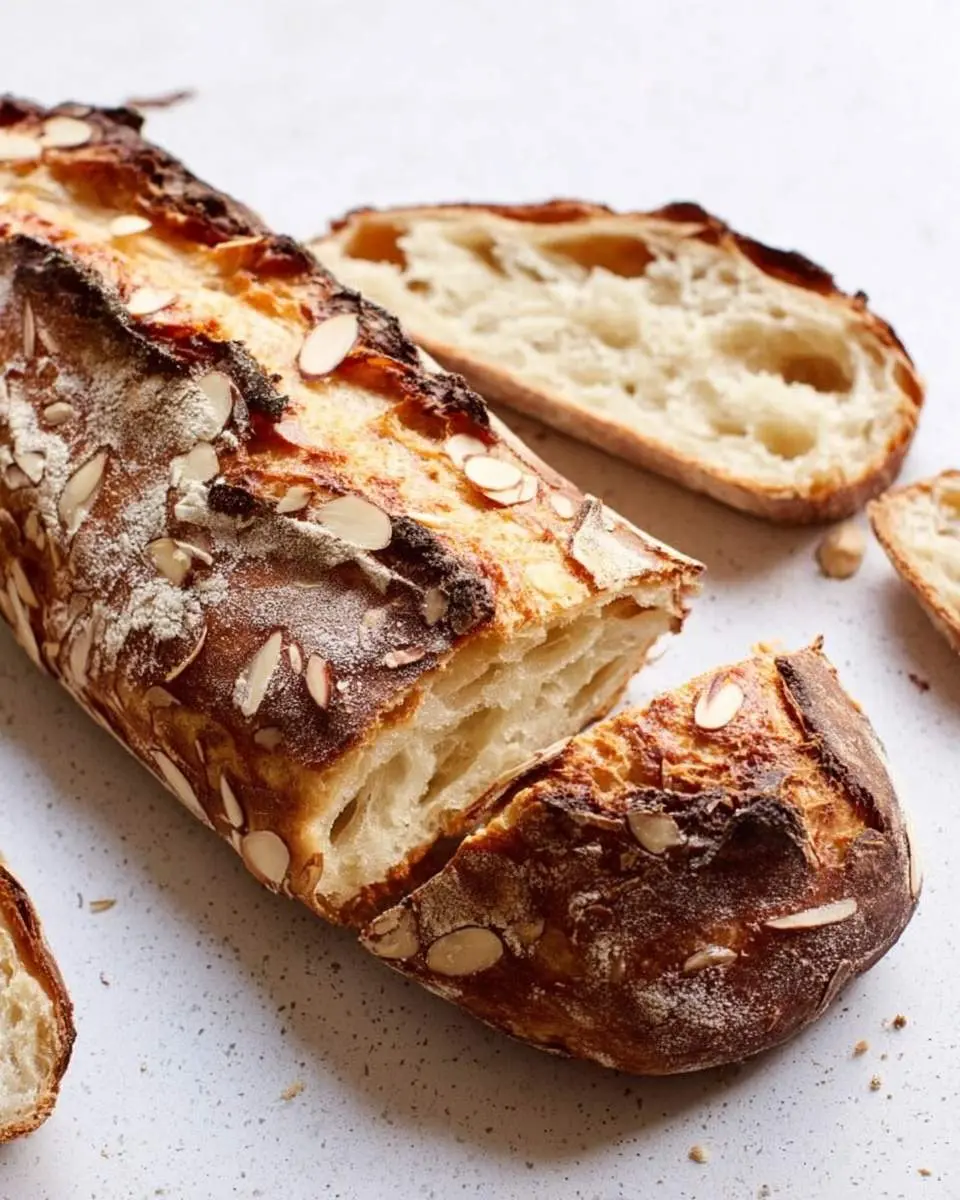

Ingredients
Equipment
Method
Prepare the Levain (8-12 hours before mixing)
- In a small jar or bowl, combine the active sourdough starter, 50g bread flour, and 50g lukewarm water. Mix until well combined, cover loosely, and let it sit at room temperature (72-78°F / 22-25°C) for 4-8 hours, or until it has doubled in size, is very bubbly, and passes the float test.
Autolyse (30 minutes)
- In a large mixing bowl, combine 350g bread flour, 50g whole wheat flour, 320g lukewarm water, and 20g unsweetened cocoa powder. Mix with your hands until no dry spots remain and a shaggy dough forms. Cover the bowl and let it rest for 30 minutes.
Mix the Dough (15 minutes)
- After the autolyse, add 100g of your active levain and 10g fine sea salt to the dough. Incorporate by gently squeezing the dough between your fingers, folding it over itself, and repeating until the levain and salt are evenly distributed. This may take 5-10 minutes. The dough will become smoother and more elastic.
Bulk Fermentation (4-5 hours with Folds)
- Cover the bowl and let the dough rest for 30 minutes. Then, perform your first set of stretch and folds. With wet hands, gently grab a portion of the dough from one side, stretch it upwards, and fold it over to the opposite side of the bowl. Rotate the bowl 90 degrees and repeat three more times until all sides have been stretched and folded.
- Rest the dough for another 30 minutes. Then, perform the second set of stretch and folds, this time incorporating the dark chocolate chunks and toasted slivered almonds. Gently spread about half of the inclusions over the dough, perform the folds, then spread the remaining inclusions and fold again until they are mostly integrated.
- Perform 2-3 more sets of stretch and folds at 30-minute intervals. After the final fold, let the dough rest, covered, for the remainder of the bulk fermentation, which typically lasts 4-5 hours total from when you added the levain. The dough should feel airy, slightly puffy, and show some bubbles on the surface.
Pre-shape (20 minutes)
- Gently turn the dough out onto a lightly floured surface. Using a dough scraper, gently shape it into a round or square, without degassing it too much. Let it rest, uncovered, for 20 minutes to relax the gluten.
Final Shape & Cold Proof (12-16 hours)
- Lightly flour your banneton basket (or a bowl lined with a floured kitchen towel). Gently shape the dough into your desired final loaf shape (boule or batard). Ensure a taut surface on the top.
- Carefully transfer the shaped dough, seam-side up, into the prepared banneton. Cover the banneton with a plastic bag or shower cap and refrigerate for 12-16 hours (or up to 24 hours). This cold proof develops flavor and makes the dough easier to handle.
Bake (45 minutes)
- Preheat your oven to 450°F (230°C) with your Dutch oven inside for at least 30-45 minutes.
- Carefully remove the hot Dutch oven from the oven. Gently invert the cold dough from the banneton directly into the preheated Dutch oven. Score the top of the dough with a sharp razor blade or lame.
- Cover the Dutch oven and bake for 30 minutes.
- Remove the lid of the Dutch oven and continue baking for another 15-20 minutes, or until the crust is deeply golden brown and the internal temperature reaches 200-210°F (93-99°C).
Cool
- Carefully remove the bread from the Dutch oven and transfer it to a wire cooling rack. Allow the bread to cool completely for at least 2-3 hours before slicing. Slicing too early can result in a gummy texture.
Notes
For best results, use a kitchen scale for precise measurements. Toasting the almonds enhances their flavor significantly. If your kitchen is cooler, bulk fermentation might take longer (up to 6-7 hours). Store cooled bread at room temperature in a breathable bag or bread box for up to 3-4 days, or freeze sliced bread for longer storage.