blueberry sourdough bread
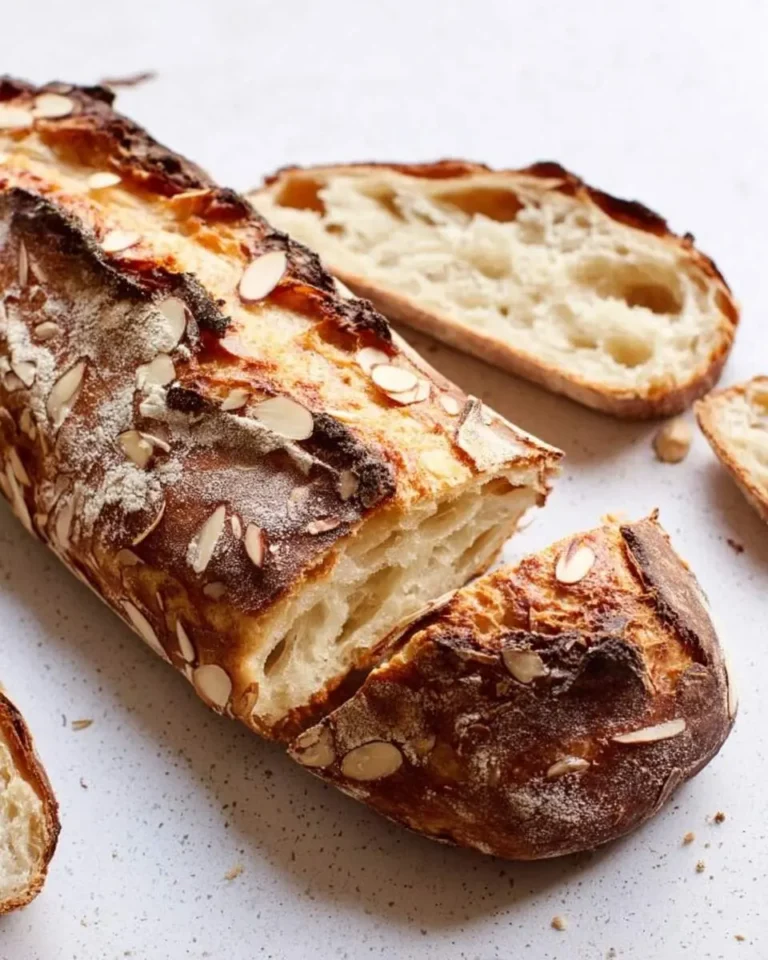
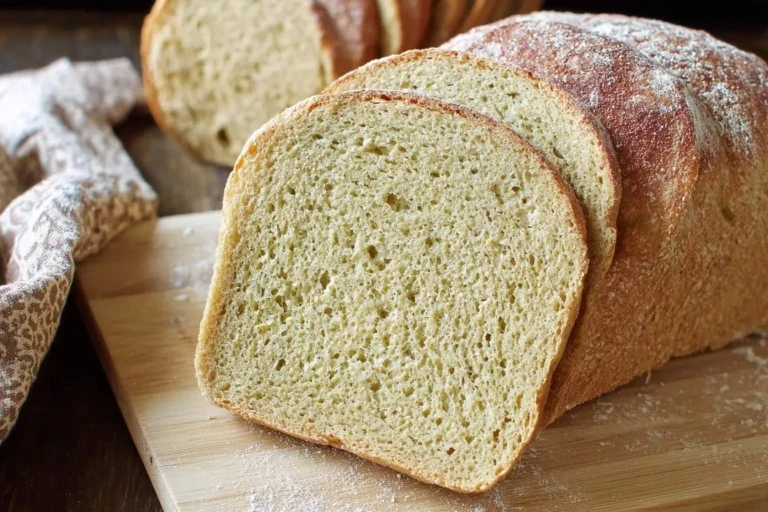
There’s nothing quite like the aroma of freshly baked blueberry sourdough bread filling my kitchen on a crisp morning. It’s a scent that instantly brings me back to simpler times, to quiet moments of baking where the warmth of the oven is as comforting as a hug. This beautiful loaf, with its chewy crumb and pockets of sweet blueberries, is truly a labor of love that nourishes both body and soul, much like my favorite apple fritter bread.
I remember my grandmother, Nonna, always had a starter bubbling on her counter, a living testament to patience and tradition. While her specialty was always a rustic, plain loaf, I’ve found such joy in experimenting, adding my own modern twists to her timeless techniques. This blueberry sourdough bread recipe feels like a blend of her heritage and my adventurous spirit in the kitchen.
It’s a recipe that offers immense satisfaction, transforming simple ingredients into something extraordinary, without the stress I sometimes associate with more elaborate bakes. My practical tip for you: don’t rush the process; the dough will tell you when it’s ready.
What You Need to Make This Recipe
Crafting this delightful bread starts with a few humble, yet powerful, ingredients. We’re talking about the lively dance of an active sourdough starter, the earthy depth of strong bread flour, and of course, those bursts of sweet blueberries and bright lemon zest that make every slice sing. It’s a bit like finding the perfect balance, similar to the wholesome goodness in my zucchini walnut bread recipe, and I truly believe the quality of each element shines through. You’ll find the full list of ingredients and precise measurements in the recipe card below.
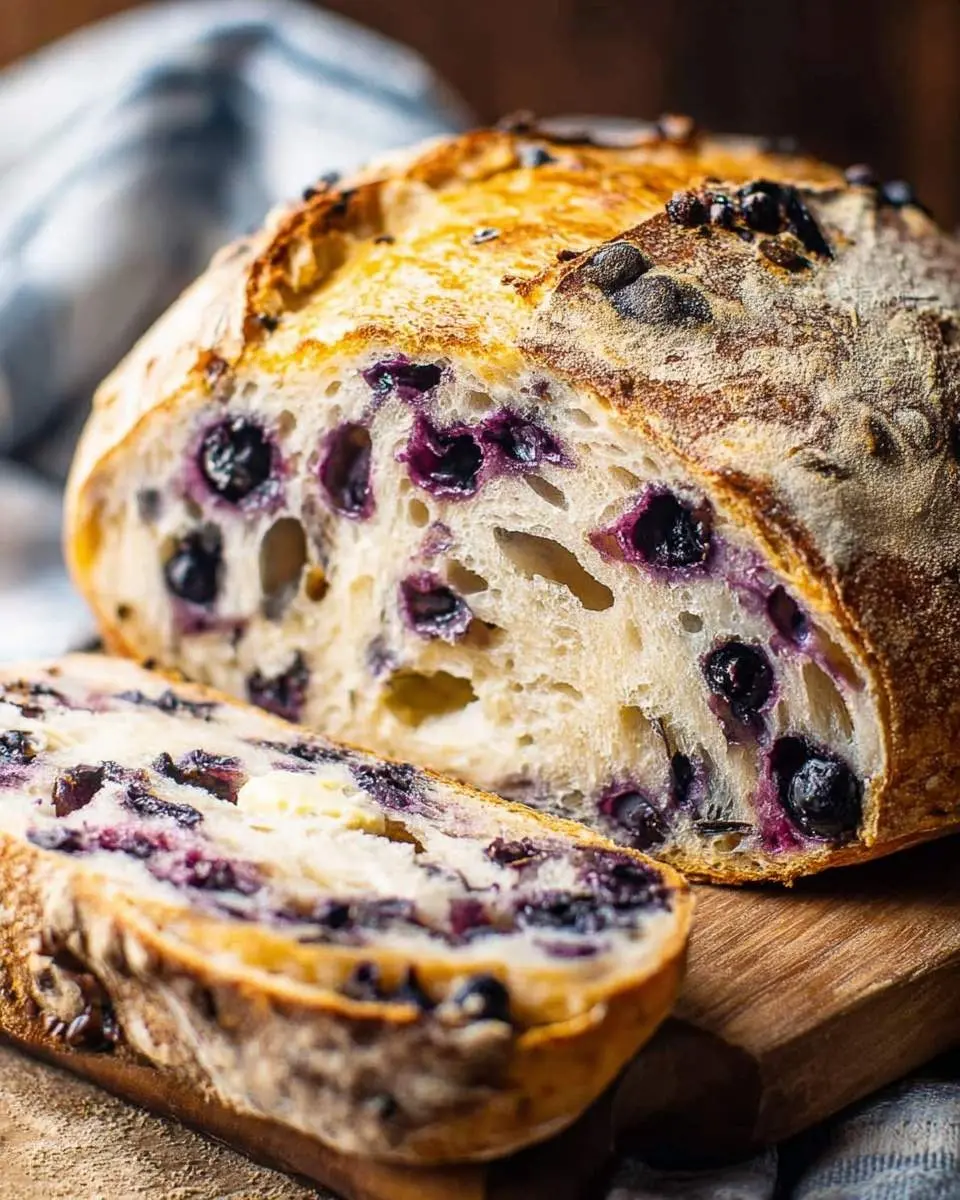
How to Make blueberry sourdough bread
Making this blueberry sourdough bread is a journey of patience and gentle handling, but the steps are surprisingly straightforward. We begin with an autolyse to help the flour hydrate, followed by mixing and a series of gentle stretch and folds to build strength. Then, we lovingly fold in those juicy blueberries and vibrant lemon zest before a bulk fermentation, shaping, and a long cold proof. It’s a comforting ritual that yields the most satisfying loaf, reminding me of the simple joys of baking, much like whipping up a batch of blueberry zucchini bread.
Pro Tips for Making This blueberry sourdough bread
When I’m making my own blueberry sourdough bread, I always keep a few things in mind to ensure the perfect loaf every time. These are the little secrets I’ve picked up over countless baking sessions that I’m thrilled to share with you.
Nurturing Your Starter
Your sourdough starter is the heart of this bread! Ensure it’s active and bubbly before you begin. I like to feed mine 4-6 hours before I plan to mix the dough, watching for that perfect peak activity. A happy starter means a strong rise and a beautiful open crumb in your blueberry sourdough bread.
Gentle Handling of Dough
Sourdough thrives on gentle handling. Resist the urge to overwork the dough, especially when incorporating the blueberries and lemon zest. Too much kneading at this stage can tear the gluten structure and burst the berries, leading to a less airy crumb and purple streaks throughout your blueberry sourdough bread.
My Secret Trick: I always make sure my blueberries are completely dry before adding them to the dough. If they’re wet, they can introduce too much moisture, making the dough sticky and harder to handle. A quick toss with a tiny bit of flour can also help prevent them from sinking to the bottom during baking.
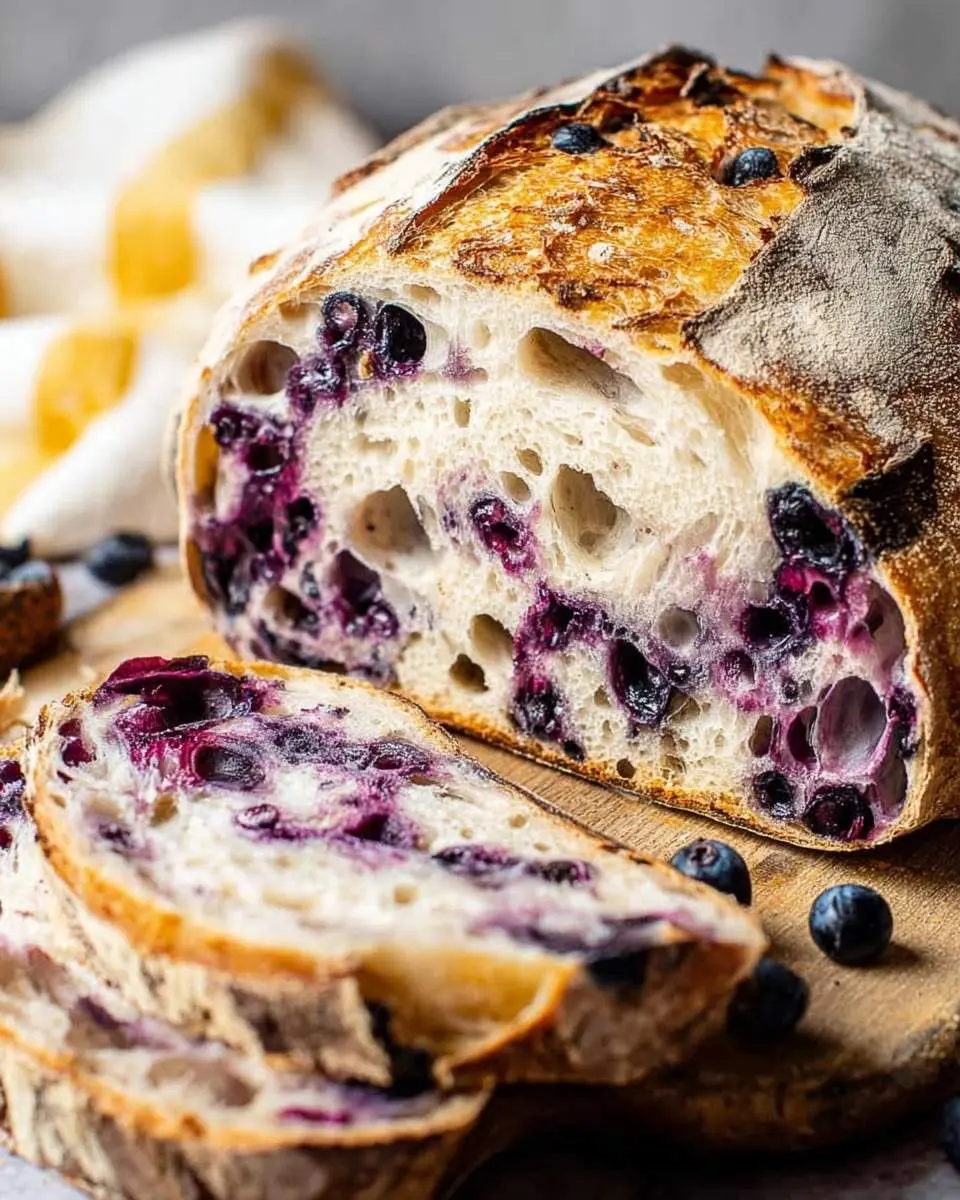
How to Store Blueberry Sourdough Bread
After all that effort, you want your delightful blueberry sourdough bread to stay fresh as long as possible! I usually store my leftover loaves at room temperature, wrapped tightly in a clean linen cloth or stored in a bread box. It keeps beautifully for 2-3 days. If I’ve baked a larger batch, I’ll slice and freeze individual portions for easy access; just pop them in a freezer-safe bag. To reheat, I simply toast a slice directly from the freezer, or if it’s a larger piece, a quick warm-up in a moderate oven brings back that fresh-baked aroma and soft texture. It’s truly magical how a little warmth revives every bite of this lovely blueberry sourdough bread.
Nutritional Benefits
This hearty blueberry sourdough bread isn’t just delicious; it also offers wonderful nutritional benefits. Sourdough fermentation can improve nutrient availability and digestibility, while the blueberries pack a punch with antioxidants and fiber. It’s a wholesome choice I feel good about serving my family, making this blueberry sourdough bread a truly nourishing treat.

FAQs
Can I use frozen blueberries in this recipe?
Absolutely! If you’re using frozen blueberries for your blueberry sourdough bread, I recommend keeping them frozen and folding them in during the final stages of the stretch and folds, just before the bulk fermentation. This helps prevent them from thawing too quickly and potentially bleeding into the dough, preserving their shape and color beautifully.
How do I know if my sourdough starter is active enough?
An active sourdough starter for your blueberry sourdough bread will be bubbly, have a pleasant, slightly sour aroma, and should double in size a few hours after feeding. A simple float test can also confirm its readiness: drop a small piece into water; if it floats, it’s ready to go!
What’s the best way to get a crispy crust on my sourdough?
Achieving that perfect crispy crust on your blueberry sourdough bread comes down to steam during baking. I love using a Dutch oven; preheating it thoroughly before placing the dough inside creates a steamy environment that promotes a beautiful, golden, and super crispy crust.
Can I make this recipe without whole wheat flour?
Yes, you can certainly adapt the recipe for your blueberry sourdough bread. While the whole wheat flour adds a lovely nutty flavor and helps with the dough’s structure, you can substitute it with an equal amount of strong bread flour. Just be aware that the dough’s hydration might need slight adjustments.
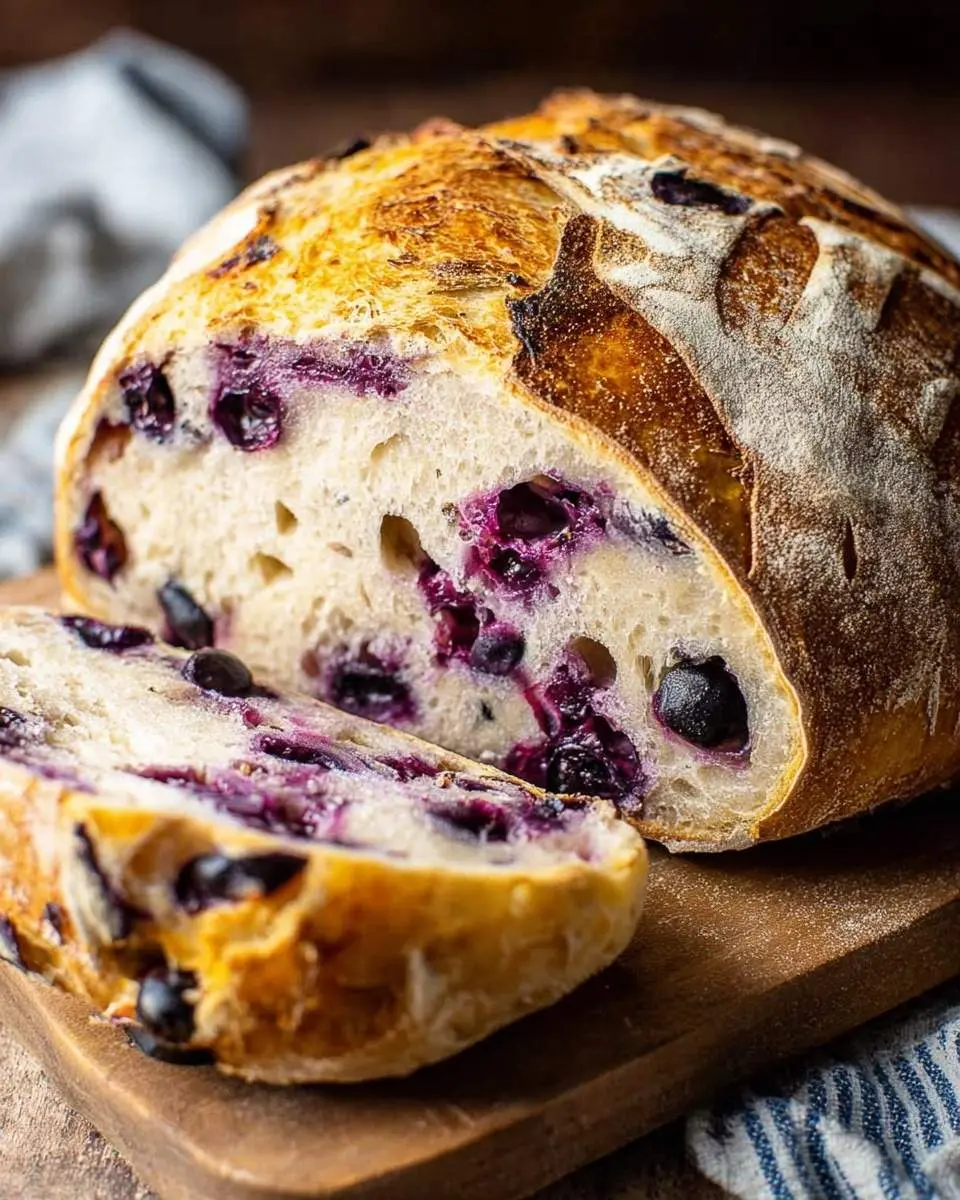

Artisan Blueberry Sourdough Bread
Ingredients
Equipment
Method
- In a large mixing bowl, combine the bread flour, whole wheat flour, and 350g lukewarm water. Mix until no dry spots remain and a shaggy dough forms. Cover the bowl with a damp towel or plastic wrap and let it rest for 30 minutes at room temperature. This process is called autolyse and helps the flour absorb water, developing gluten before the starter is added.
- After the autolyse, add the active sourdough starter and salt to the dough. Using your hands, incorporate the starter and salt into the dough until fully combined. It might feel sticky at first. Squeeze and fold the dough until the salt and starter are evenly distributed.
- Perform 4 sets of stretch and folds, spaced 30 minutes apart. For each set, wet your hands slightly, grab a portion of the dough from one side, stretch it upwards, and fold it over to the opposite side of the bowl. Rotate the bowl a quarter turn and repeat this process 3-4 more times until you've worked your way around the dough. Cover the bowl and let it rest for 30 minutes between sets.
- After the final stretch and fold, gently flatten the dough slightly. Sprinkle the blueberries (if frozen, ensure they are lightly dusted with flour) and lemon zest evenly over the surface. Gently fold the dough onto itself a few times to incorporate the fruit without crushing it too much. Be delicate to avoid tearing the gluten network.
- Cover the bowl and let the dough continue to bulk ferment at room temperature (72-78°F / 22-26°C) for another 2-4 hours, or until it has increased in volume by about 30-50% and feels light and airy. The exact time will depend on your starter's activity and ambient temperature. Look for signs like bubbles on the surface and along the sides of the bowl.
- Gently tip the dough out onto a lightly floured surface. Using a dough scraper, gently shape the dough into a loose round. Avoid degassing it too much. Let it rest uncovered for 20-30 minutes.
- Lightly flour your banneton. Gently flip the dough over. Shape the dough into a tight boule or batard, building tension on the surface. Place the shaped dough seam-side up into the floured banneton.
- Cover the banneton with a plastic bag or plastic wrap and refrigerate for 12-18 hours. Cold proofing develops flavor and makes the dough easier to handle and score.
- Preheat your oven to 500°F (260°C) with the Dutch oven inside for at least 30-45 minutes. Carefully remove the hot Dutch oven from the oven. Gently transfer the cold dough from the banneton onto a piece of parchment paper. Score the top of the dough with a lame or sharp knife. Carefully lower the dough (with parchment paper) into the hot Dutch oven.
- Cover the Dutch oven and bake for 20 minutes. Reduce the oven temperature to 450°F (230°C), remove the lid, and continue baking for another 25-30 minutes, or until the crust is deep golden brown and internal temperature reaches 200-210°F (93-99°C).
- Carefully remove the bread from the Dutch oven and transfer it to a wire rack to cool completely for at least 2-3 hours before slicing. Slicing too early will result in a gummy texture.
Notes
I truly hope you’ll give this artisan blueberry sourdough bread a try in your own kitchen. There’s such a unique joy in crafting something so beautiful and delicious from scratch. It’s a wonderful way to bring warmth and comfort to your family’s table, creating memories with every slice, much like our beloved cranberry walnut bread. Happy baking, my friends!