Rhubarb Sauce
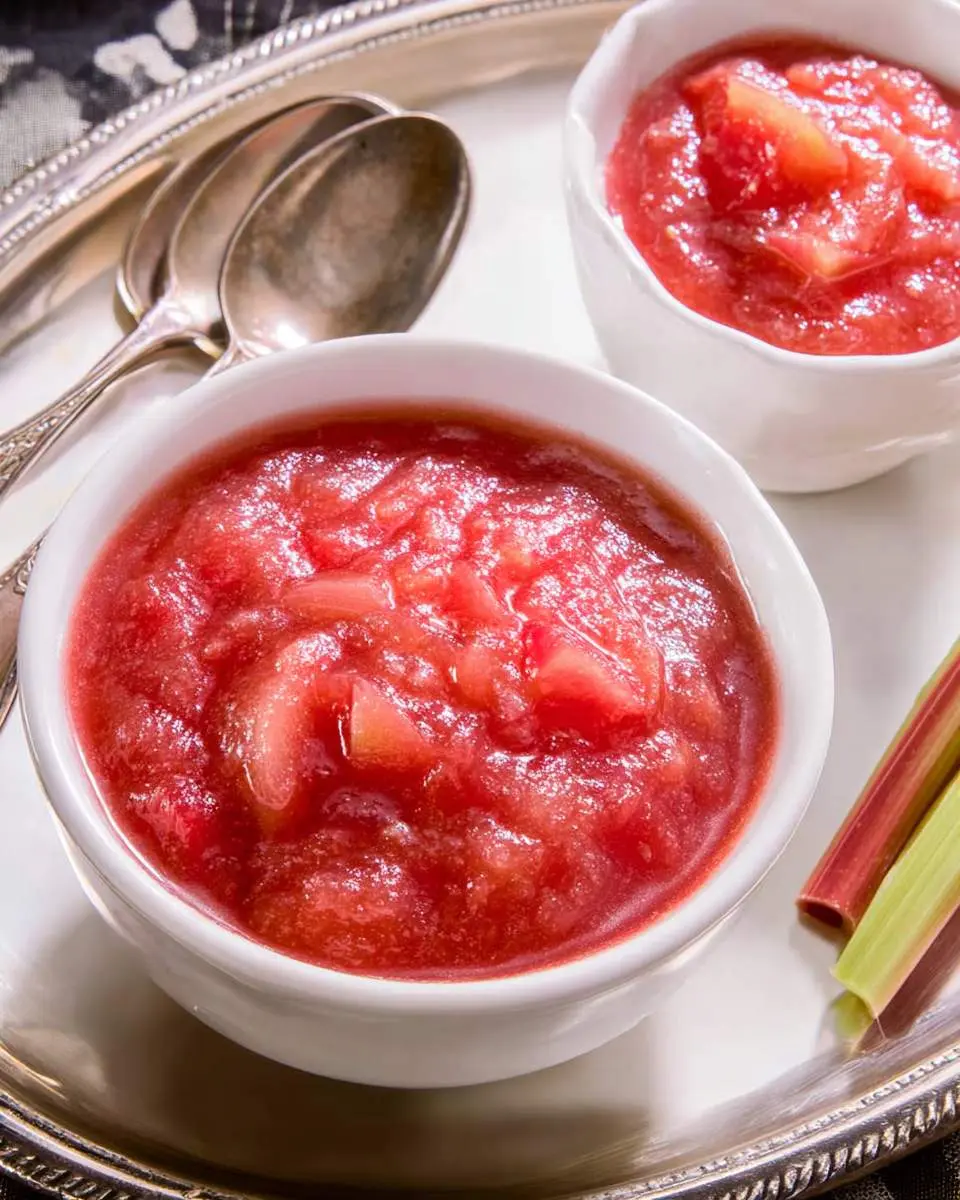
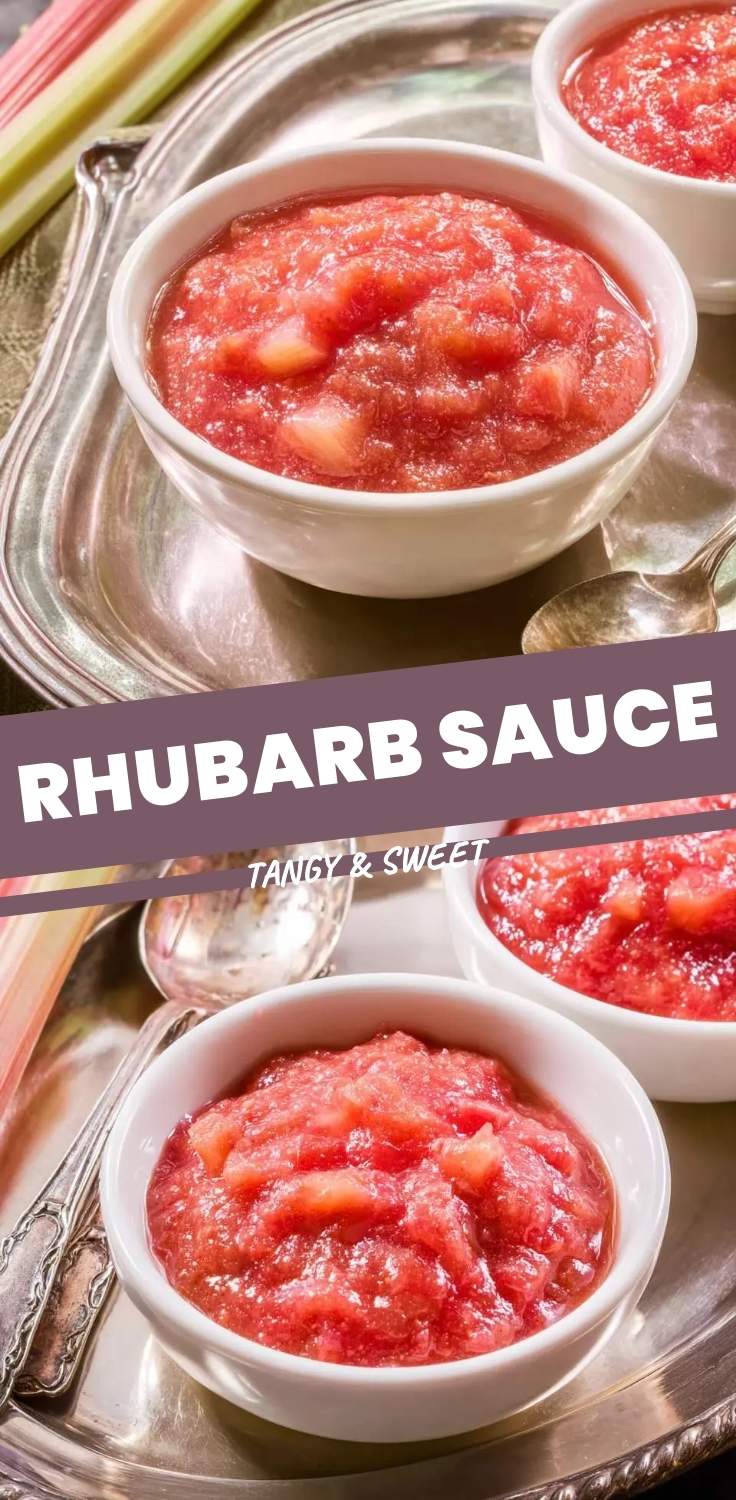
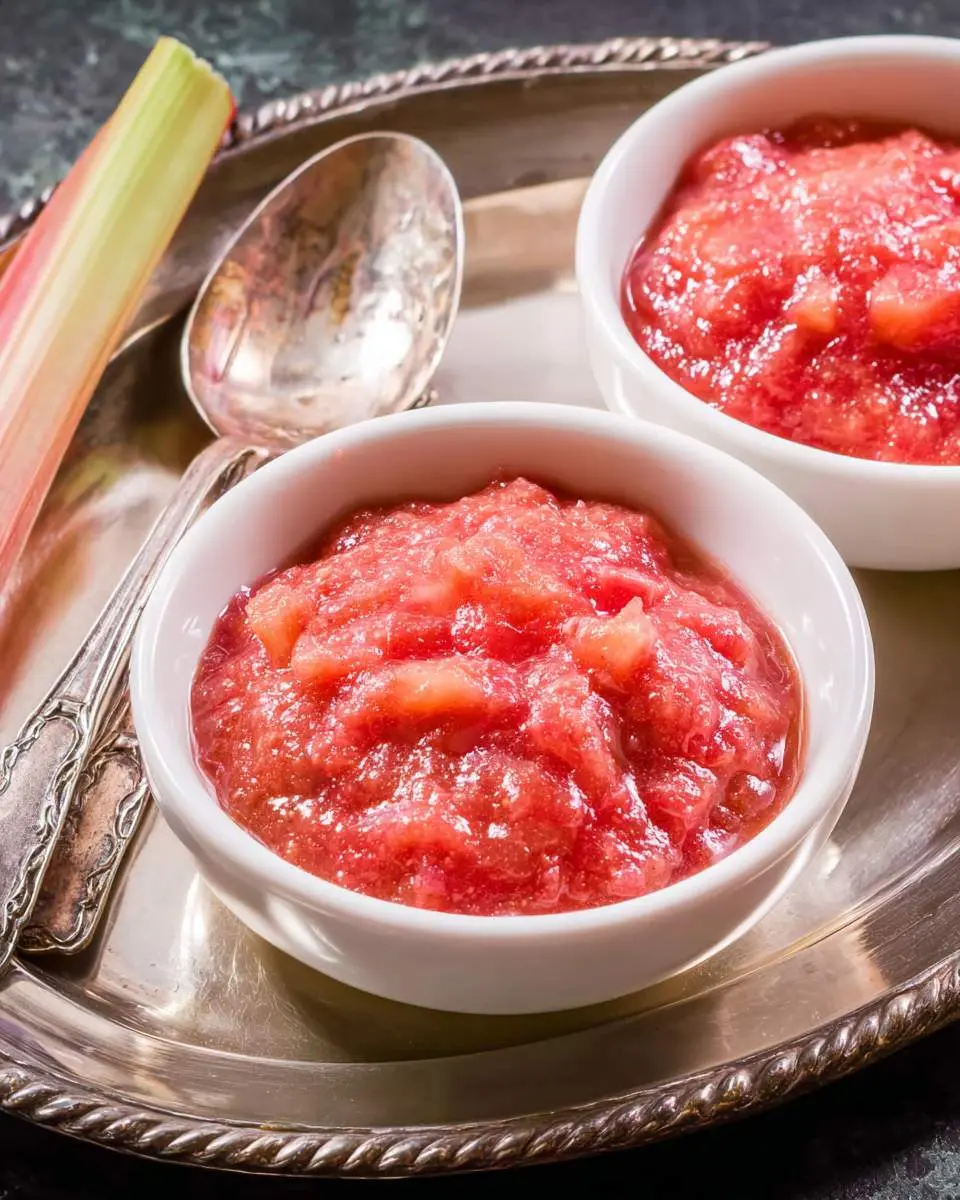
There’s something incredibly comforting about a homemade Rhubarb Sauce simmering gently on the stove. Its vibrant pink hue and a perfect balance of tangy and sweet notes always bring a smile to my face, much like how a rich and creamy pesto cream sauce can elevate a simple pasta dish. This simple recipe captures the essence of spring, transforming humble rhubarb stalks into a versatile delight.
I remember sitting in my grandmother’s kitchen, watching her prepare batches of this very sauce, the aroma of vanilla and tart rhubarb filling the air. She taught me that the best flavors often come from the simplest ingredients, prepared with love.
This recipe is incredibly low-stress and comes together quickly, making it perfect for busy families. My secret for truly vibrant flavor? Don’t skimp on a good quality vanilla extract.
What You Need to Make This Recipe
For this delightful Rhubarb Sauce, gather fresh rhubarb, granulated sugar, water, and pure vanilla extract. These simple ingredients come together beautifully, much like the balanced components in a great sriracha mayo sauce. Find all the exact measurements in the recipe card below.
How to Make Rhubarb Sauce
Making this versatile Rhubarb Sauce is wonderfully straightforward. You’ll simply combine the chopped rhubarb, sugar, water, and a pinch of salt in a saucepan, simmering until tender and thickened. It’s an easy process that builds flavor, reminiscent of how you might create a flavorful cowboy butter dipping sauce from scratch. A swirl of vanilla extract at the end truly brightens everything up.
Pro Tips
To ensure your homemade Rhubarb Sauce turns out beautifully every time, I have a few tricks up my sleeve. Always chop your rhubarb into even pieces so it cooks uniformly. This prevents some pieces from being mushy while others are still firm.
My Secret Trick: I always let the sauce cool completely before serving or storing. This allows the flavors to deepen and the sauce to thicken naturally to the perfect consistency. Don’t be tempted to taste-test too much before it’s cooled – the flavors truly bloom as it settles.
Fun Variations
This Rhubarb Sauce is so wonderfully adaptable! While the classic is perfect, small changes can create new experiences, much like exploring a rich peppercorn sauce can elevate a simple dish.
- Berry Bliss: Add fresh strawberries or raspberries during the last minutes of cooking. My daughter loves this twist!
- Citrus Zest: A teaspoon of orange or lemon zest brings a brighter, aromatic note.
- Spiced Comfort: For warmth, a tiny pinch of ground ginger or cinnamon can be lovely.
How to Store Rhubarb Sauce
Proper storage ensures your homemade Rhubarb Sauce stays delicious. Once completely cooled, transfer it to an airtight container. It keeps beautifully in the refrigerator for up to a week.
For longer enjoyment, I love freezing batches! Simply portion the cooled sauce into freezer-safe containers or bags and freeze for up to 3 months. When ready to enjoy, thaw in the refrigerator overnight and gently reheat on the stovetop over low heat, stirring occasionally, until warmed through. Reheating slowly preserves its lovely texture and fresh flavor.
Nutritional Benefits
Beyond its delightful taste, homemade Rhubarb Sauce offers a good source of Vitamin K and dietary fiber, supporting bone health and digestion. It’s a wonderful, natural way to add flavor and nutrients to your family’s everyday meals, embodying our philosophy of simple, wholesome eating.
FAQs
Can I reduce the sugar in this Rhubarb Sauce recipe?
Absolutely! The amount of sugar in Rhubarb Sauce can be adjusted to your taste preference and the tartness of your rhubarb. I recommend starting with the suggested amount and then adding less or more to achieve your perfect balance. Remember that rhubarb is naturally quite tart.
What are the best ways to serve homemade Rhubarb Sauce?
Homemade Rhubarb Sauce is incredibly versatile! I love it over yogurt or oatmeal for breakfast, as a topping for pancakes or waffles. It also pairs wonderfully with roasted chicken or pork, adding a bright, tangy counterpoint. It’s truly delicious in so many ways.
Can I use frozen rhubarb to make Rhubarb Sauce?
Yes, frozen rhubarb works perfectly! You don’t need to thaw it; just add it directly to the saucepan with the other ingredients. The cooking time for your Rhubarb Sauce might be slightly longer due to the extra moisture, but the delicious outcome will be just as satisfying.
How can I make my Rhubarb Sauce smoother?
For a perfectly smooth texture, after your Rhubarb Sauce has cooked and cooled slightly, you can use an immersion blender right in the pan. Another option is to transfer it to a regular blender and process until it reaches your desired silky consistency. Both methods work wonderfully for this delightful sauce.

Classic Homemade Rhubarb Sauce
Ingredients
Equipment
Method
- Wash the rhubarb stalks thoroughly. Trim off the very ends and any leaves (rhubarb leaves are poisonous and should not be consumed). Chop the rhubarb into 1-inch pieces.
- In a medium saucepan, combine the chopped rhubarb, granulated sugar, and water. Add a pinch of salt if desired.
- Place the saucepan over medium heat. Bring the mixture to a gentle simmer, stirring occasionally.
- Reduce the heat to low, cover the saucepan, and let it simmer for 10-15 minutes, or until the rhubarb is very tender and has broken down, forming a sauce-like consistency. Stir occasionally to prevent sticking.
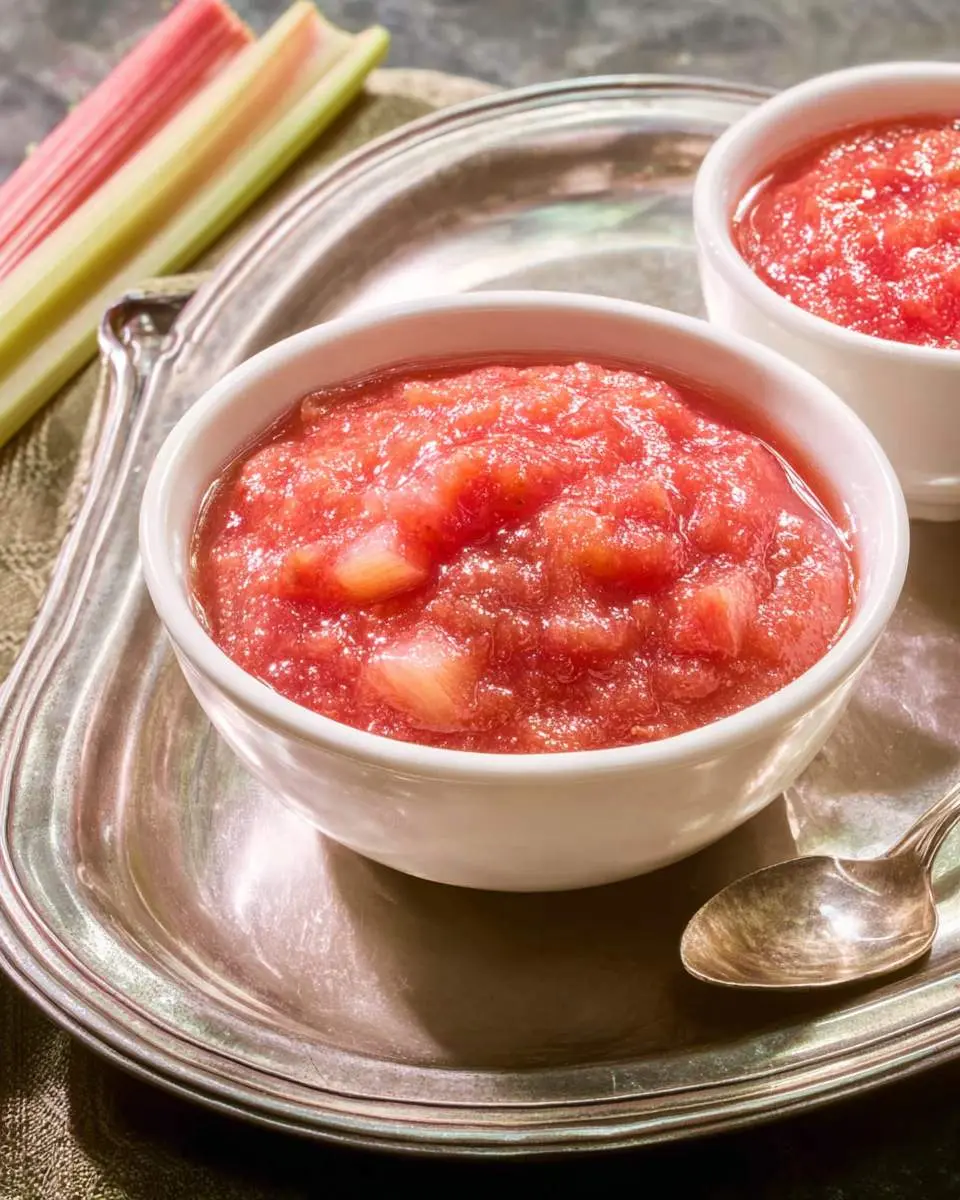
- Remove the saucepan from the heat. Stir in the vanilla extract, if using. For a smoother sauce, you can mash any remaining large pieces with a fork or potato masher. For a chunkier sauce, leave as is.
- Let the rhubarb sauce cool completely before serving. It will thicken further as it cools. Serve warm or chilled.
Notes
Conclusion
There’s nothing quite like the bright, tangy sweetness of homemade Rhubarb Sauce. It’s more than just a simple condiment; it’s a taste of spring, a nod to generations of home cooking, and a versatile addition to countless meals. I hope this classic Rhubarb Sauce recipe brings as much joy and comfort to your family’s table as it does to ours. Remember, the best food experiences are often the simplest, created with fresh ingredients and a sprinkle of love.