Avocado Greek Yogurt Pasta
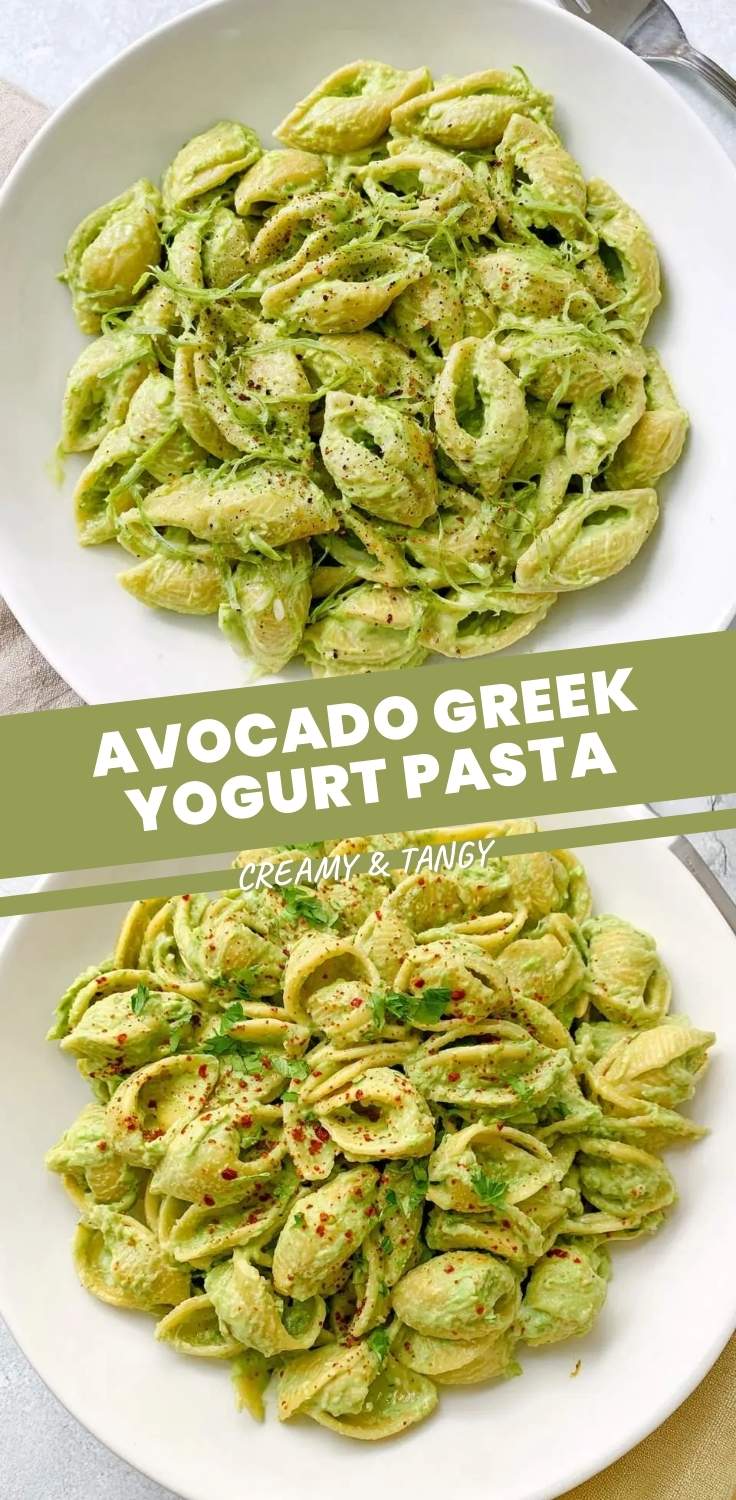
I stood at my kitchen counter last Tuesday, staring at a perfectly ripe avocado and a half-empty container of Greek yogurt, wondering if I was about to commit a crime against pasta. Twenty minutes later, I was twirling creamy green noodles around my fork, completely shocked by what Avocado Greek Yogurt Pasta had become. No heavy cream, no butter, just this silky, tangy sauce that clung to every strand like it had something to prove.
My grandmother would have laughed at me. She made her pasta sauce on Sunday mornings, simmering tomatoes for hours while the whole house filled with garlic and basil. I used to think quick sauces were cheating somehow. But standing there in my quiet kitchen, watching the blender turn those simple ingredients into something velvety and rich, I understood that good food doesn’t always need time. It needs the right combination.
This recipe came from one of those desperate weeknight moments when I needed comfort but couldn’t bear another bowl of plain noodles. If you are craving something creamy without the heaviness, you might also love my pesto lasagna for those slower Sunday afternoons.
What You Need to Make This Recipe
The avocado matters more than you think. I have made this with underripe ones and the sauce turns grainy, almost chalky. You want that gentle give when you press the skin, the kind that yields like soft clay. The Greek yogurt brings this bright tang that cuts through the avocado’s richness, and I always reach for full-fat because the sauce needs that body. Fresh lemon juice wakes everything up, and I mean fresh, the kind you squeeze yourself while seeds drop into your palm. If you enjoy creamy baked pasta dishes, my steak and blue cheese rigatoni bake uses a completely different kind of richness worth exploring.
How to Make Avocado Greek Yogurt Pasta
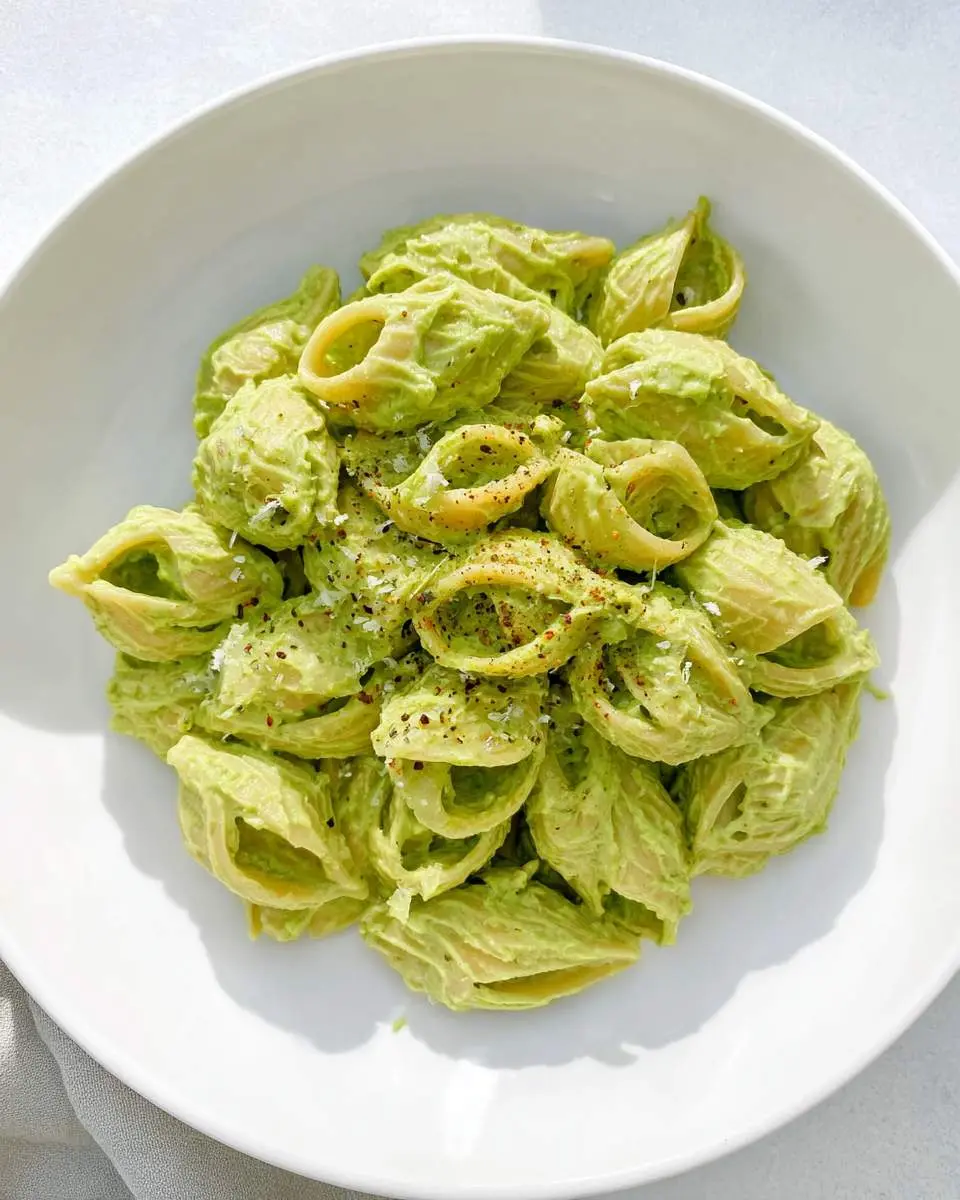
I start the pasta water first, always, because watching a pot boil is part of the ritual. While it comes up to that rolling, aggressive bubble, I split the avocado and scoop the flesh into my blender. The Greek yogurt follows, then a clove of garlic that I grate on a microplane so it disappears into the sauce completely. The lemon juice hits last, and when I pulse everything together, the sound changes from chunky to smooth, that wet whir that means creaminess is coming.
The pasta goes in salted water, and I set a timer two minutes shy of the package directions. This matters more than I used to believe. I save a full cup of that starchy, cloudy water before draining, and I never rinse the noodles. The heat from the pasta gently warms the sauce, and I toss everything together in the same pot, adding that reserved water in splashes until the sauce goes from thick to coating, glossy, the kind of thing that drips slowly from a wooden spoon.
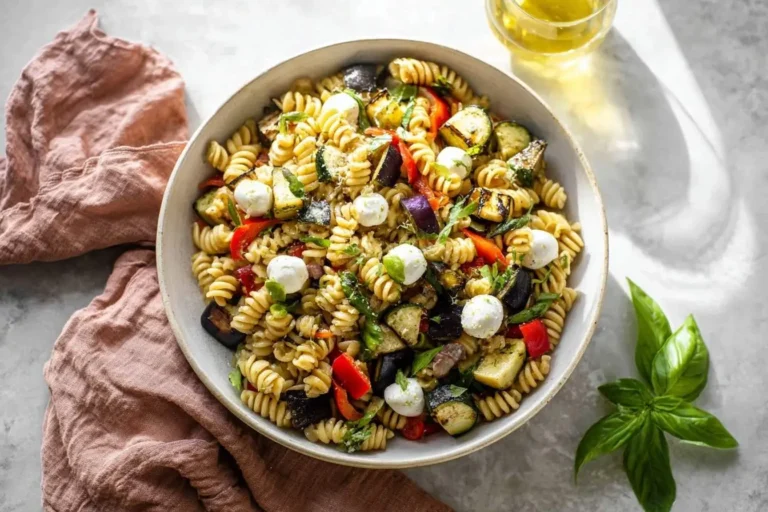
The whole process takes maybe fifteen minutes from start to finish, and the smell is subtle but present: green, bright, alive. For a completely different approach to quick pasta, my Mediterranean pasta salad comes together even faster and serves cold.
Pro Tips
Reserve more pasta water than you think you need. Avocado thickens as it sits, and that starchy liquid is your only tool for loosening the sauce back to silkiness without diluting flavor. I have learned this the hard way, staring at a paste that refused to coat my noodles.
Blend the sauce right before tossing. Avocado oxidizes faster than my patience on a hungry night. If you must prep ahead, press plastic wrap directly against the surface and add extra lemon juice, but honestly, the thirty seconds of blending is worth the freshness.
Serve in warmed bowls. This sauce cools quickly, and lukewarm Avocado Greek Yogurt Pasta loses something essential. I run my bowls under hot water while the pasta finishes, a small step that makes the whole experience last longer.
My Secret Trick: I save a thin slice of avocado and dice it tiny, then scatter it on top with flaky salt. The contrast between the warm, creamy sauce and those cool, distinct cubes transforms every bite into something that feels restaurant-intentional rather than accidentally good.
How to Store Avocado Greek Yogurt Pasta
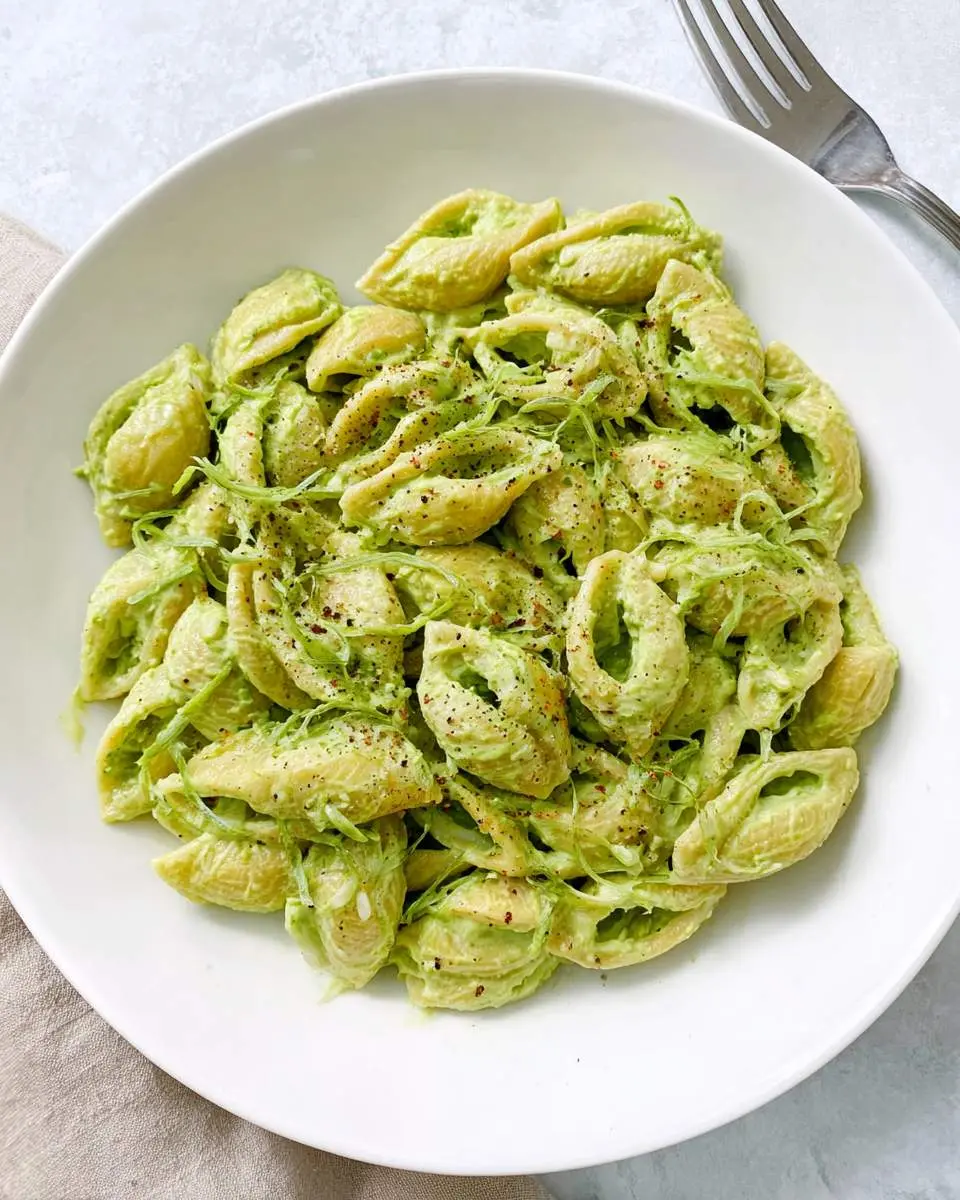
- Refrigerate in an airtight container for up to 24 hours only, as avocado browns and the sauce loses its bright color beyond that point.
- Press plastic wrap directly against the surface of any leftover sauce before sealing the lid, minimizing air exposure that causes oxidation.
- Do not freeze; the yogurt separates and becomes grainy upon thawing, ruining the silky texture entirely.
- Reheat gently in a saucepan over low heat, stirring constantly and adding splashes of water or broth to restore the original consistency.
- Never microwave on high power; the sauce will break and become oily rather than creamy.
Nutritional Benefits
Avocado Greek Yogurt Pasta delivers genuine satisfaction without the heaviness of traditional cream sauces. The avocado provides those monounsaturated fats that keep me full for hours, while the Greek yogurt contributes protein and probiotics that my stomach actually notices. I am not someone who tracks macros, but I do pay attention to how food makes me feel, and this leaves me energized rather than sluggish.
FAQs
Can I use regular yogurt instead of Greek yogurt?
Regular yogurt works but produces a thinner, less luxurious sauce. If that is all you have, strain it through cheesecloth for thirty minutes first, or simply use less pasta water when finishing the dish to compensate for the extra liquid.
Why did my sauce turn brown and look unappetizing?
Avocado oxidizes rapidly when exposed to air. You either blended too far ahead, did not use enough lemon juice, or let it sit uncovered. Next time, work quickly and serve immediately for that vibrant green color.
What pasta shape works best for this recipe?
Long strands like spaghetti or linguine capture the sauce beautifully, but short shapes with ridges or holes, such as rigatoni or fusilli, hold pockets of creaminess that surprise you with every bite.
Is Avocado Greek Yogurt Pasta served hot or cold?
It is designed to be served immediately while warm, though I have eaten leftovers cold from the fridge and found them surprisingly pleasant, like a deconstructed pasta salad with a creamy dressing.

Avocado Greek Yogurt Pasta
Ingredients
Equipment
Method
- Bring a large pot of water to a rolling boil. Add the salt and pasta, stirring immediately to prevent sticking. Cook according to package directions until al dente - usually 10 to 12 minutes. Before draining, scoop out 1 cup of the starchy cooking water and set aside. Drain the pasta and return it to the pot off the heat.
- While the pasta cooks, add the avocado flesh, Greek yogurt, garlic, lemon zest, lemon juice, olive oil, salt, and pepper to a food processor or blender. Process until completely smooth and creamy, scraping down the sides once, about 1 minute. The sauce should be thick but pourable.
- Add the avocado-yogurt sauce to the warm pasta in the pot. Pour in 1/4 cup of the reserved pasta water and toss vigorously with tongs until every piece is coated. Add more pasta water a splash at a time if needed - the sauce should cling to the pasta without pooling at the bottom.
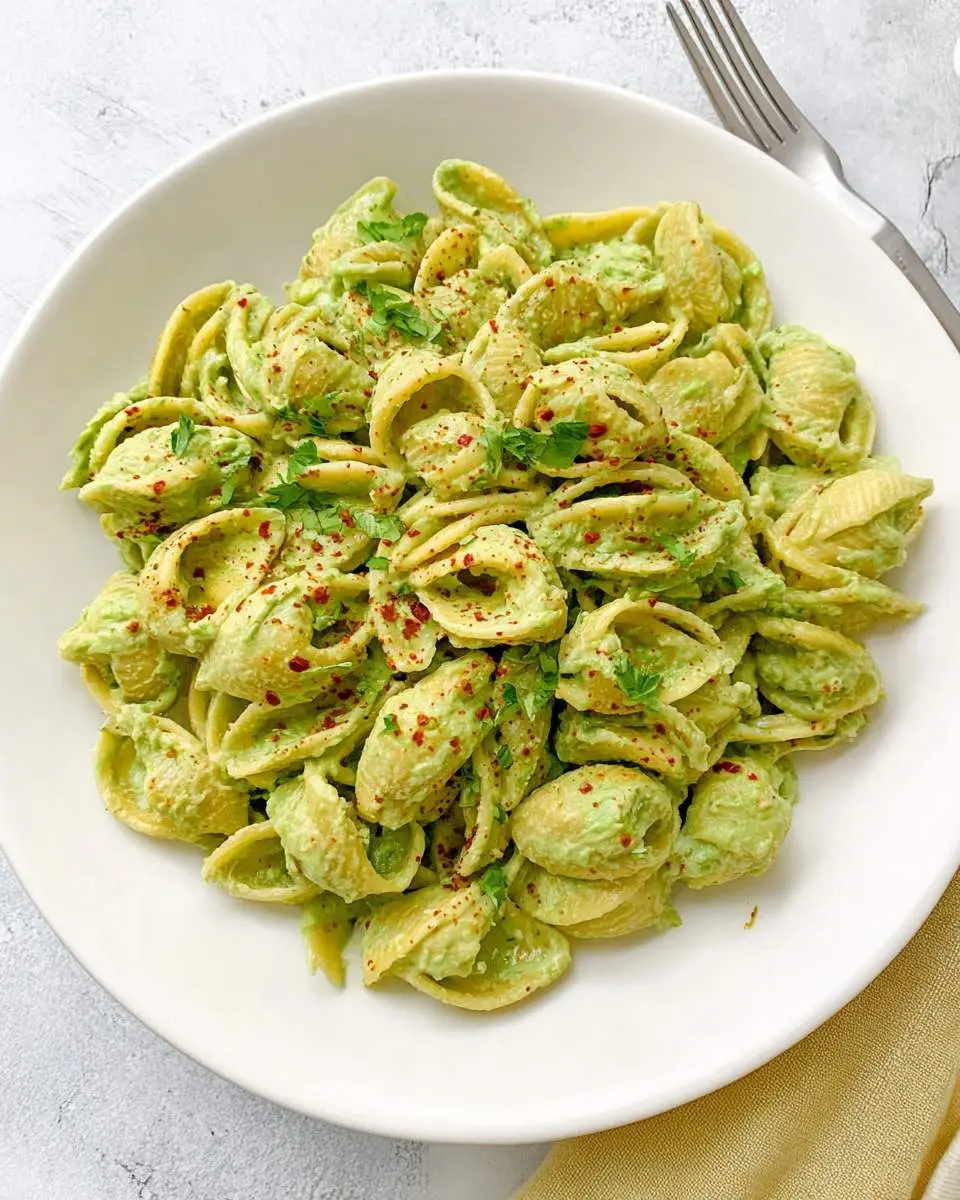
- Gently fold in the torn basil. Taste and adjust seasoning with more salt, pepper, or lemon juice as needed. Divide among bowls immediately, topping with more fresh basil and a pinch of red pepper flakes if you want some heat. Serve right away while the sauce is at its brightest green.
Notes
Conclusion
I did not expect to fall for Avocado Greek Yogurt Pasta as hard as I did. It is not traditional, not complicated, not even particularly pretty on the plate. But it is honest food that solves real problems: the craving for comfort, the need for speed, the desire to feel good after eating. If creamy pasta without the weight sounds appealing, my lemon ricotta pasta explores similar territory with a completely different character. Make this once, and you will understand why I keep ripe avocados on my counter now, just in case.