Texas Sheet Cake Cookies
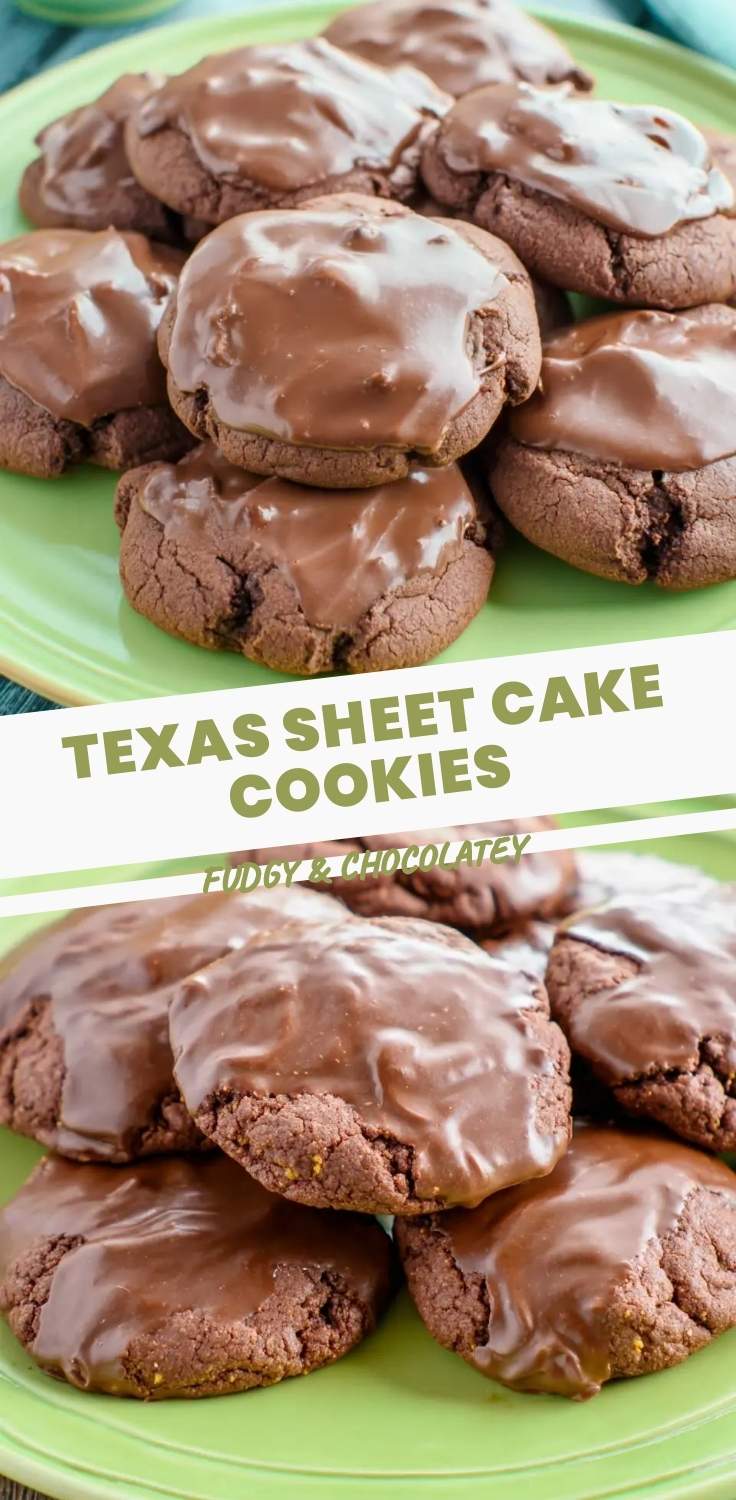
The first time I bit into one of these, I actually stopped mid-chew and stared at the cookie in my hand. That glossy, crackly chocolate surface. The tender, almost cake-like crumb underneath. It was everything I adored about classic Texas sheet cake—that fudgy, nostalgic flavor—but somehow transformed into something I could hold in my palm. Texas Sheet Cake Cookies had me at hello, and I haven’t stopped making them since.
My grandmother made the original sheet cake for every family gathering, that massive slab of chocolate poured warm over pecans while the icing still glistened. I remember standing on a kitchen stool, watching her spread that glossy frosting edge to edge. These cookies bring that same Saturday afternoon feeling into my own kitchen, minus the giant rectangular pan that never fit in my tiny apartment oven.
I’ve baked my way through countless chocolate cookies over the years. These crispy cornflake cookies still have a place in my heart, and my brown butter experiments have gotten slightly out of hand. But something about this particular recipe stops me in my tracks every single time.
What You Need to Make This Recipe
The magic here starts with butter—not just any butter, but the kind you melt slowly until it smells like toasted hazelnuts and golden afternoons. That browned butter depth is what separates good chocolate cookies from the ones that make people close their eyes and sigh. You’ll also need Dutch-process cocoa, which gives these Texas Sheet Cake Cookies their almost black-as-night color and smooth, rounded chocolate flavor without any harsh bitterness. Don’t skip the sour cream either; it’s my insurance policy against dry, crumbly results, keeping the crumb tender even after days in a cookie jar. I learned this technique making brown butter pecan cookies, and now I can’t bake without it.
How to Make Texas Sheet Cake Cookies
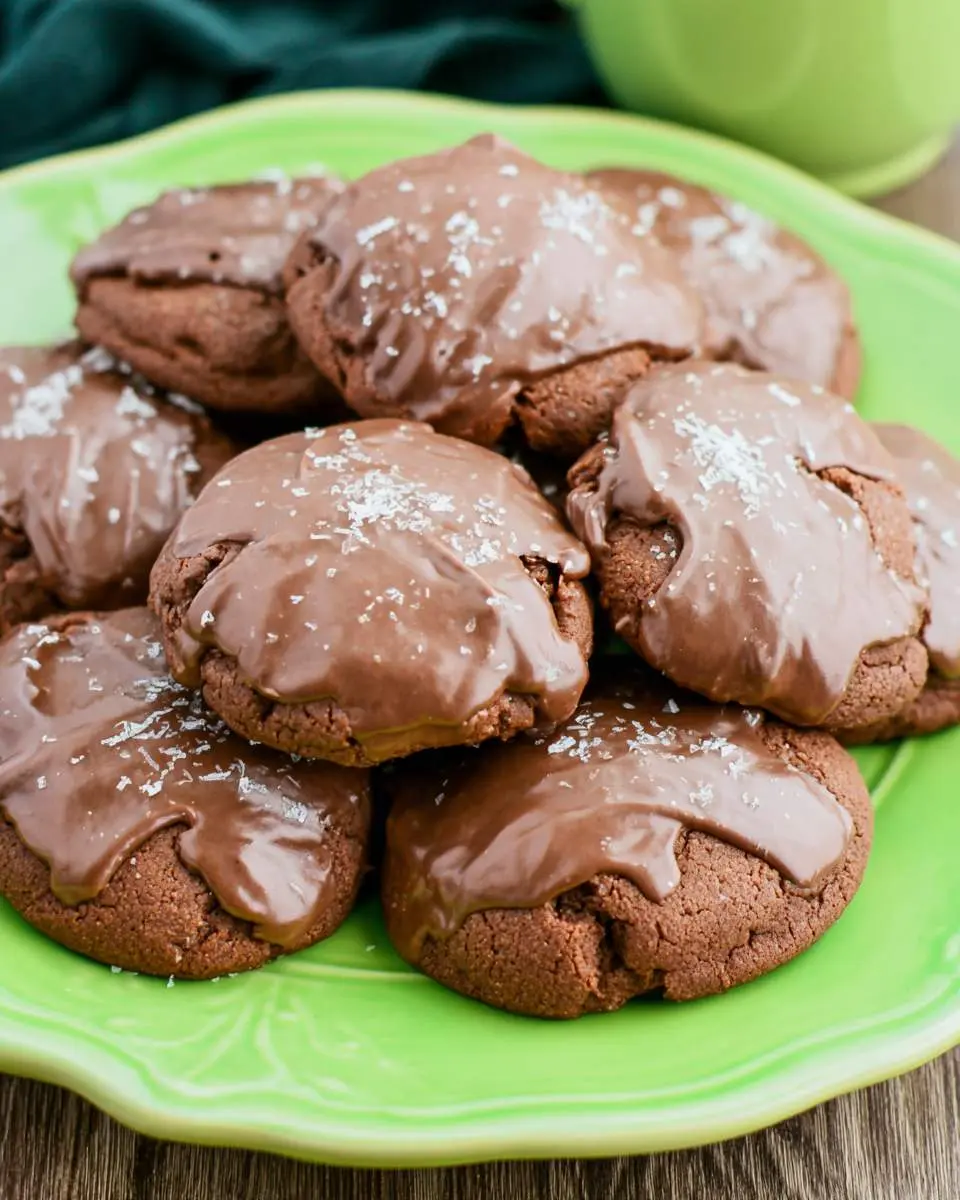
I start by melting butter with cocoa powder in a small saucepan, whisking until the kitchen fills with that deep, almost earthy chocolate smell that makes my husband wander in asking what’s happening. The mixture looks thin and glossy, almost like melted chocolate, and I let it cool just enough so it won’t scramble the eggs waiting in my mixing bowl. This is the moment where patience pays off—too hot and you’ll have chocolate scrambled eggs; too cool and the batter turns stubborn and thick.
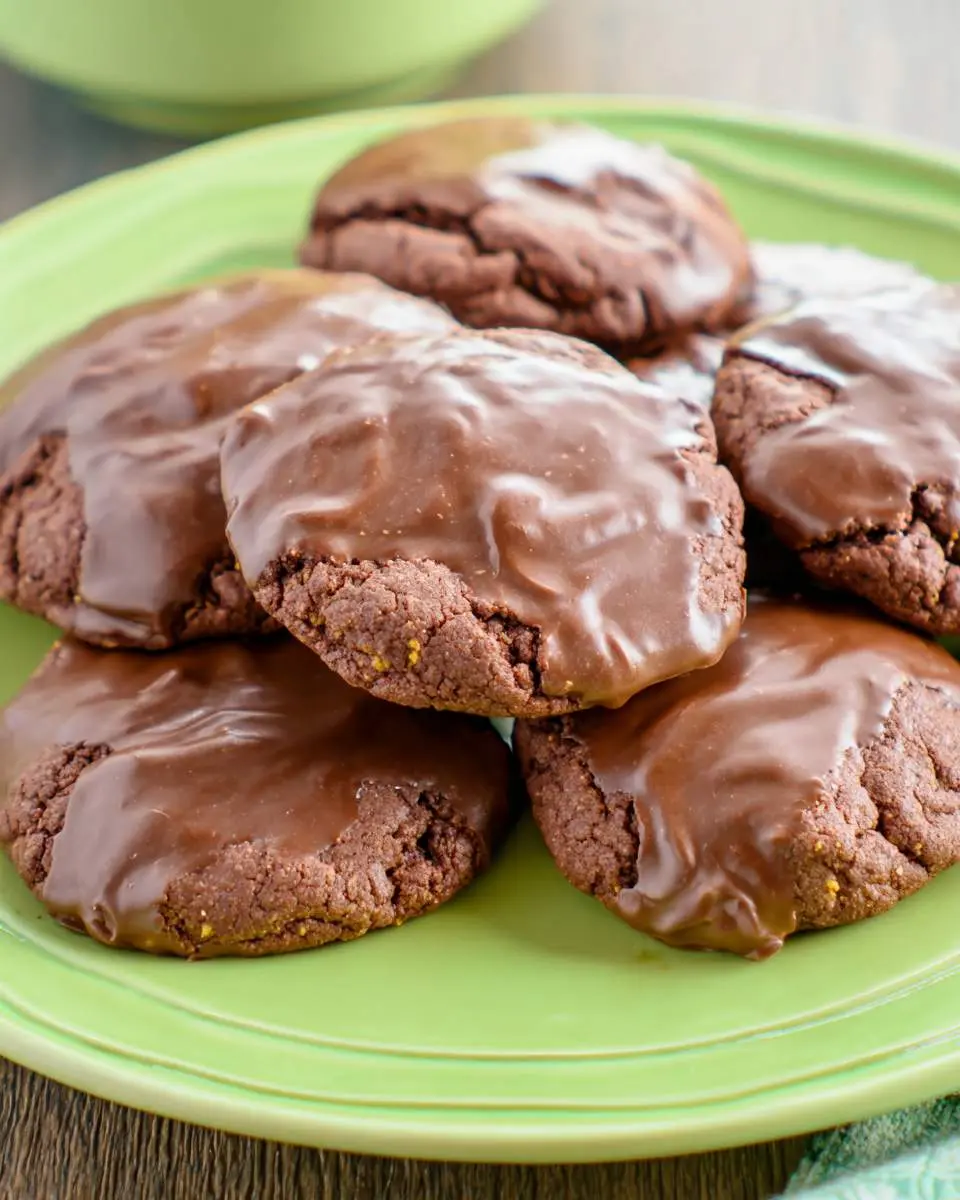
The dough comes together quickly, almost wetter than you’d expect, which is exactly right. I scoop generous rounds onto parchment-lined sheets, leaving plenty of breathing room because these spread into perfect, crinkled discs. The oven does something wonderful in those first eight minutes—the edges set while the centers stay slightly sunken, creating that signature fudgy valley that holds the glaze like a chocolate lake. If you’ve made chocolate crinkles before, you’ll recognize that magical surface crackling, though these stay softer and more yielding.
The poured icing happens while the cookies are still warm, which feels slightly wrong until you remember this is exactly how traditional Texas sheet cake works. That glossy cascade sets into a thin, tender shell that cracks slightly when you bite, giving way to the rich cake beneath.
Pro Tips
My Secret Trick: I always reserve two tablespoons of the melted butter-cocoa mixture before adding it to the dough, then whisk that into the powdered sugar glaze at the end. This creates an icing that tastes like concentrated chocolate essence rather than simple sugar coating, and it sets with that authentic sheet cake sheen.
Watch your butter browning like a hawk—the difference between nutty perfection and burnt disappointment is about thirty seconds. I pull the pan when the foam subsides and the milk solids turn the color of a penny, then immediately pour into a heatproof bowl to stop the cooking.
Don’t overmix once the flour hits the wet ingredients. I stop the mixer while streaks of flour still remain, then finish by hand with a flexible spatula. This keeps the crumb tender and prevents that dreaded cakey-dry texture that ruins chocolate cookies.
These Texas Sheet Cake Cookies actually improve after a few hours as the flavors meld and the glaze settles into the top. I know warm cookies are tempting, but try to wait at least one hour before your first bite.
How to Store Texas Sheet Cake Cookies
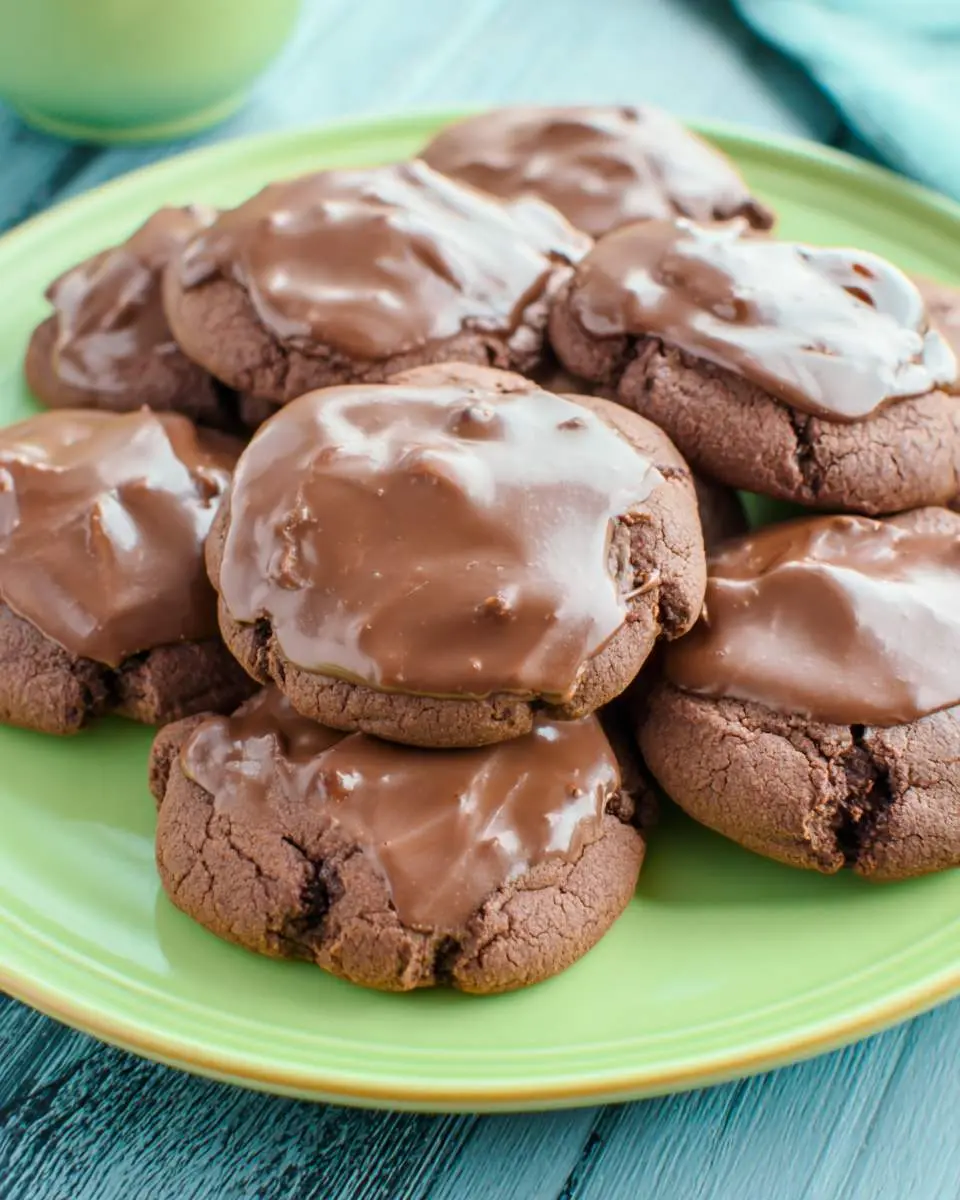
- Room temperature: Stack in an airtight container with wax paper between layers for up to 4 days; the glaze stays glossy and the crumb stays soft
- Refrigerator: Not recommended—the cold dries out the tender crumb and dulls the chocolate flavor
- Freezer: Freeze unglazed cookies in a single layer until solid, then transfer to freezer bags for up to 2 months; glaze fresh after thawing at room temperature for 2 hours
- Reheating: 10 seconds in the microwave restores that just-baked warmth and softens the glaze perfectly
Nutritional Benefits
While I won’t pretend these Texas Sheet Cake Cookies are health food, I do appreciate that quality cocoa powder brings actual antioxidants to the party—specifically flavonoids that support heart health in ways that make me feel slightly better about my third cookie. The small amount of sour cream also contributes a bit of protein and calcium, though honestly, I bake these for joy first and nutrition never.
FAQs
Why did my cookies turn out cakey instead of fudgy?
You likely overmixed the batter or overbaked. These should come out when the centers still look slightly underdone—they’ll finish setting as they cool on the pan.
Can I make the dough ahead and refrigerate overnight?
Yes, though the batter thickens considerably when cold. Let it sit at room temperature for 30 minutes before scooping, or add a splash of milk to loosen.
My glaze never set properly—what went wrong?
The cookies were probably too cool when you poured. The warmth from fresh-baked cookies helps the glaze spread thin and develop that signature crackly surface as it dries.
Can I substitute regular cocoa for Dutch-process in Texas Sheet Cake Cookies?
You can, but the color will be lighter and the flavor less complex. If using natural cocoa, add 1/4 teaspoon baking soda to balance the acidity.

Texas Sheet Cake Cookies
Ingredients
Equipment
Method
- In a large bowl, whisk together the melted butter and sugar until combined. Add the egg, buttermilk, and vanilla, whisking until smooth.
- Sift in the flour, cocoa powder, baking soda, and salt. Stir with a wooden spoon just until no dry streaks remain. The dough will be thick and sticky.
- Preheat oven to 350F. Line baking sheets with parchment. Drop dough by rounded tablespoonfuls 2 inches apart. Bake 10-12 minutes until tops look set and slightly cracked. Cool on sheets 3 minutes, then transfer to wire racks.
- While cookies cool, combine butter, milk, and cocoa in a medium saucepan over medium heat. Bring to a gentle boil, whisking constantly, then remove from heat immediately.
- Whisk in powdered sugar and vanilla until smooth and glossy. Stir in chopped pecans. Working quickly while warm, spread about 1 tablespoon frosting over each cookie. The frosting sets as it cools.
Notes
Conclusion
These Texas Sheet Cake Cookies have earned their permanent spot in my recipe rotation, the one I pull out when I need to feed a crowd or simply feed my own chocolate-craving soul. They’re unfussy, deeply satisfying, and somehow taste like childhood even if you never grew up with the original cake. For fellow chocolate obsessives, my double chocolate chunk version runs a close second, but these will always be my first love.