Apricot Tart
The first time I bit into a warm slice of apricot tart, I was standing in my grandmother’s kitchen with summer light pouring through the window. The crust shattered against my teeth, then came that sweet-tart burst of caramelized fruit that made me close my eyes without meaning to. I knew right then this was the dessert I’d spend years trying to perfect.
My grandmother never wrote recipes down. She’d gesture with flour-dusted hands and say “you’ll know when it’s right.” For a decade I didn’t know. Then one July afternoon, with apricots so ripe they smelled like honey from across the room, something finally clicked. The dough came together like silk. The fruit settled into perfect rosettes. I finally understood what she’d meant.
Now this tart lives in my summer rotation alongside my banana chocolate chip muffins for busy mornings. It demands patience, but rewards you with something that tastes like late afternoon sunlight captured in pastry form.
What You Need to Make This Recipe
The butter must be cold enough that your fingertips sting when you work it into the flour — this is non-negotiable for that shatteringly crisp crust. I use European-style butter with higher fat content, and I freeze it for twenty minutes before starting. The apricots themselves should yield slightly to pressure but still hold their shape; overripe fruit turns to jam in the oven, while underripe stays stubbornly sour. A touch of almond extract in the frangipane layer does something magical, bridging the gap between the sweet fruit and the buttery pastry. If you’re looking for another dessert that plays with fruit and nut flavors, my cottage cheese brownies use a similar unexpected pairing.
How to Make Apricot Tart
I start the dough the night before, pulsing butter and flour until the mixture looks like coarse cornmeal with pea-sized lumps scattered throughout. The sound changes when it’s ready — from harsh chopping to a softer, rhythmic thump. I add ice water tablespoon by tablespoon, stopping the moment the dough holds together when squeezed. Too much water means toughness; too little means cracks.
The next morning, I roll the cold dough between parchment sheets, feeling it resist and then gradually yield. It goes into the tart pan with gentle pressing, never stretching, then back to the fridge while I make the frangipane. The smell of ground almonds and sugar creamed with butter fills the kitchen with something that makes people wander in asking what I’m making.
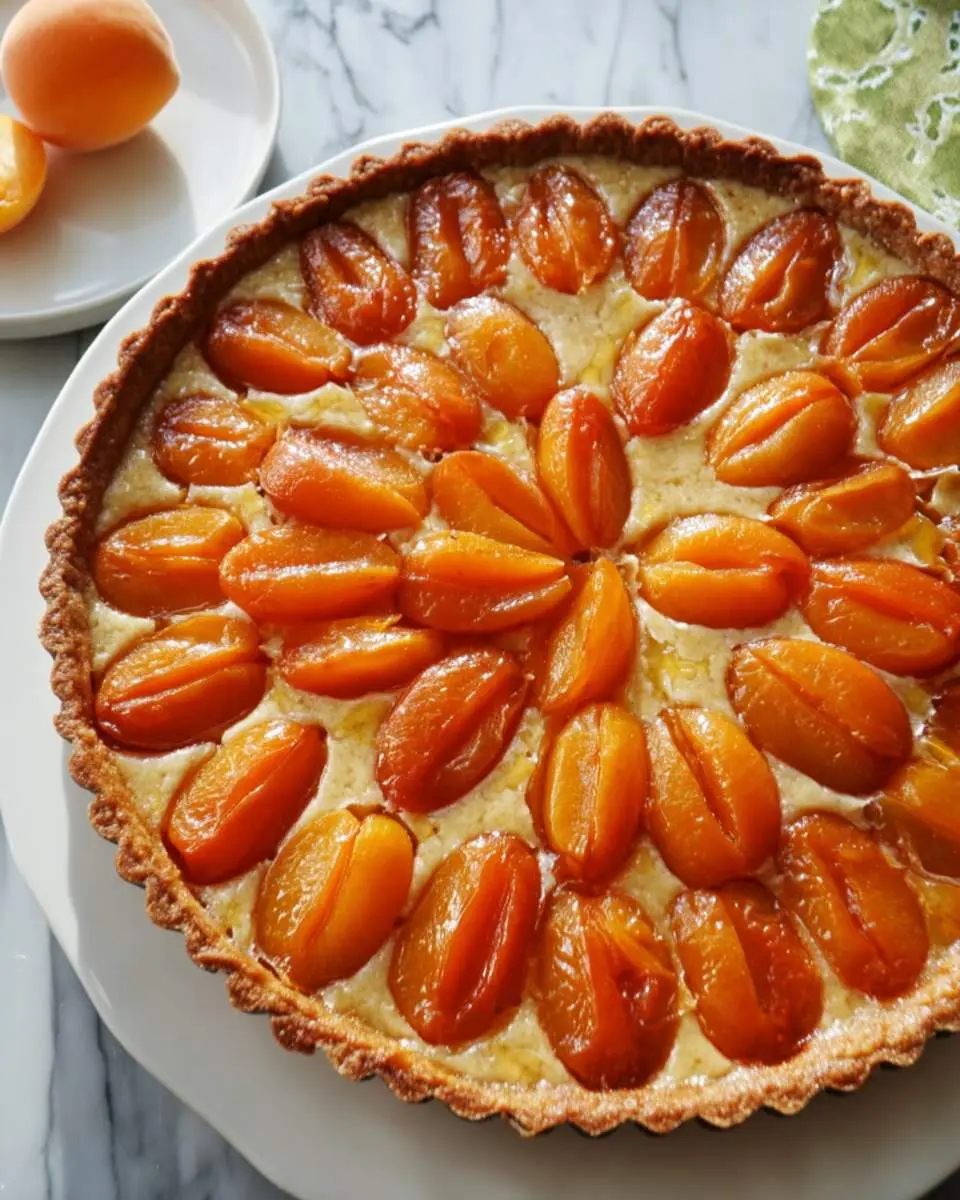
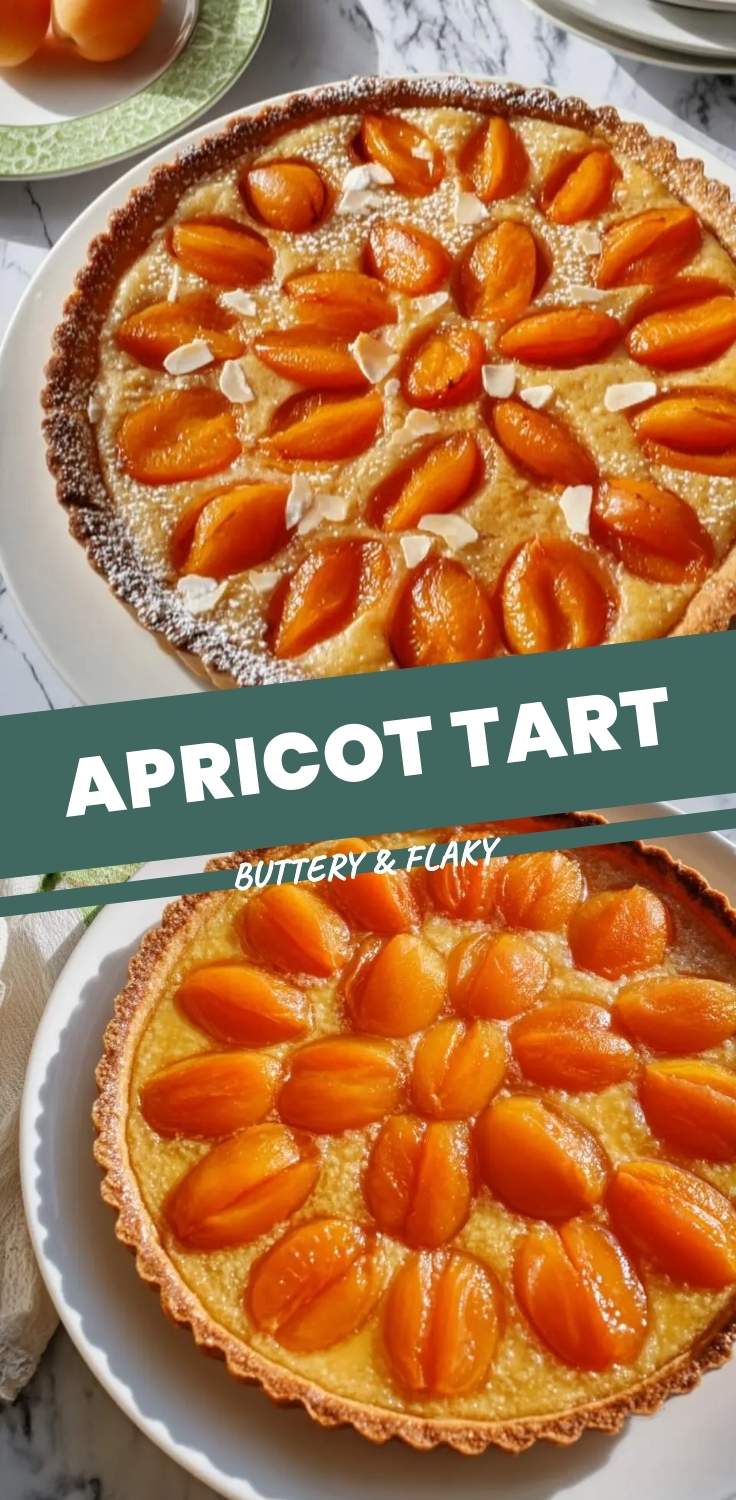
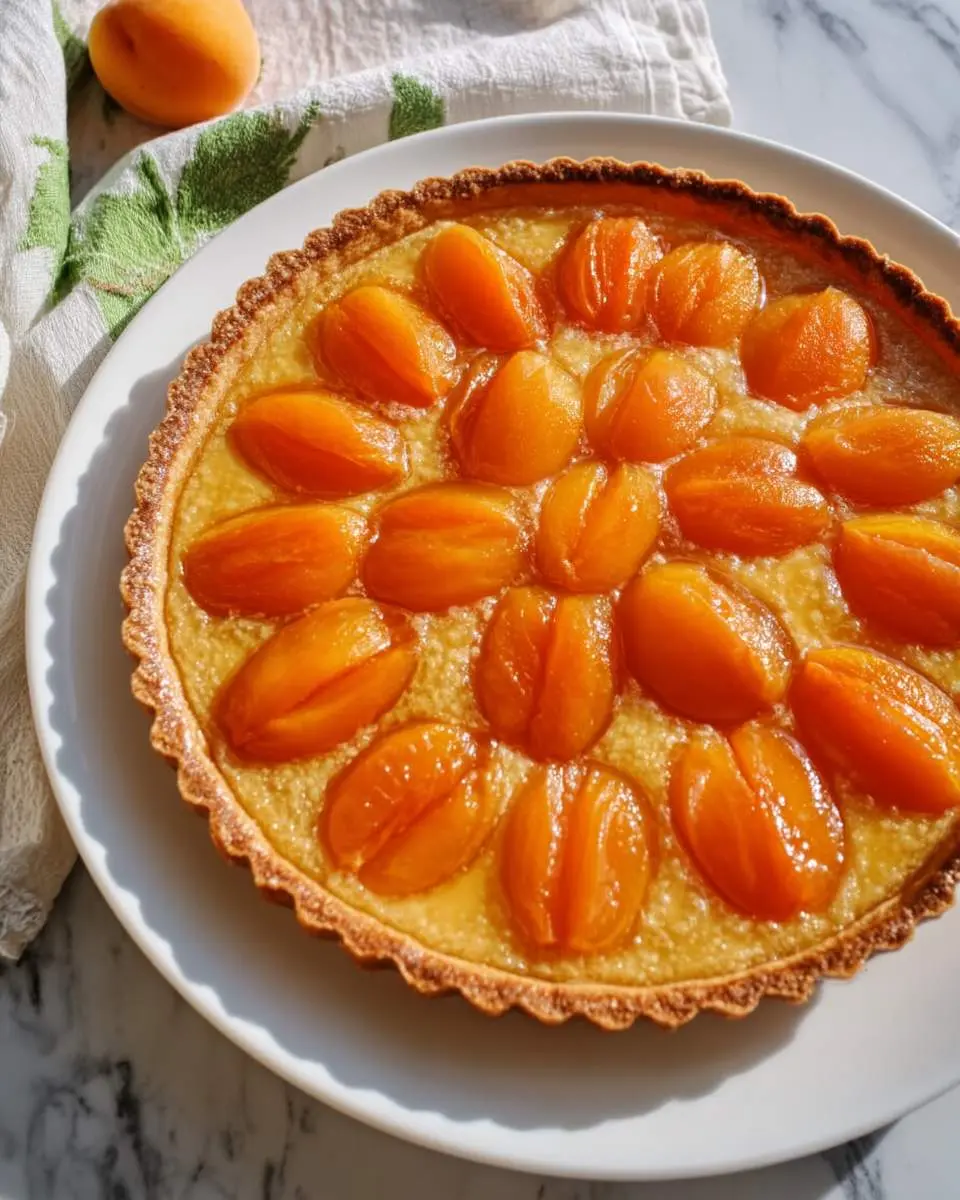
I arrange the apricot halves in tight concentric circles, pressing them slightly into the almond cream. They look almost too perfect, like stained glass, and I always hesitate before sliding the tart into the oven. The transformation happens slowly: first the edges turn gold, then the fruit softens and releases its juices, bubbling up around the edges. The frangipane puffs and cracks, revealing its tender interior. I know it’s done when the kitchen smells like toasted nuts and caramelized stone fruit, and the center barely jiggles when I nudge the pan. For another fruit-forward dessert with a similar elegant presentation, try my blackberry panna cotta tartlets.
Pro Tips
Blind bake with purpose: I dock the dough and freeze it solid before baking with weights, then remove the weights and let the bottom color slightly. This creates a moisture barrier that keeps the frangipane from sogging the crust, which is the difference between a tart that holds its shape and one that collapses when sliced.
Macerate the fruit: Tossing apricot halves with a spoonful of sugar and letting them sit for thirty minutes draws out excess moisture. I drain this liquid and reduce it to a glaze, which means more concentrated apricot flavor and no waterlogged pastry.
Rotate religiously: My oven has hot spots that would burn one side while leaving the other pale. I rotate the tart 180 degrees at the twenty-minute mark, and again at thirty-five minutes if needed. This ensures even caramelization across every apricot half.
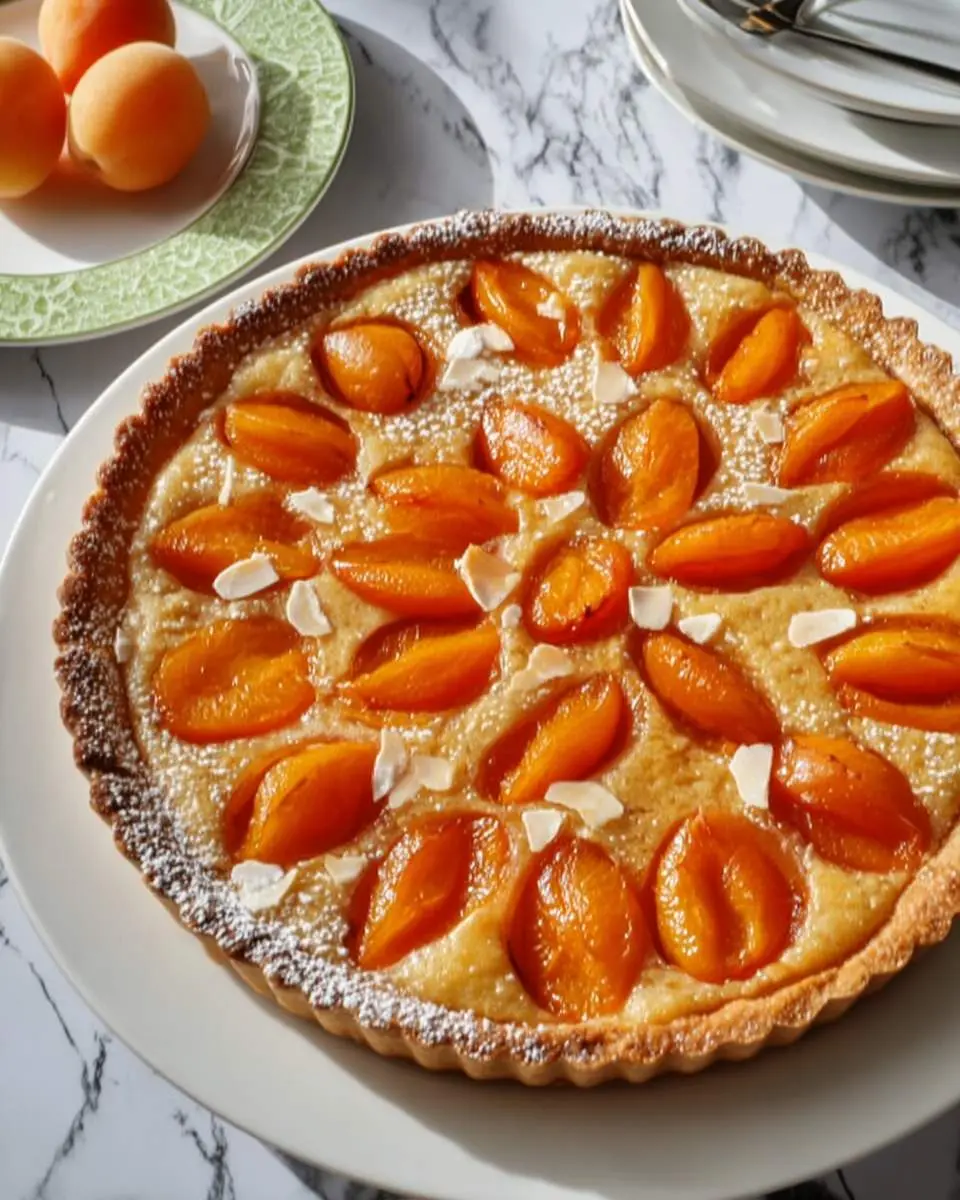
My Secret Trick: I brush the hot tart with a thin layer of apricot jam thinned with a splash of water immediately after it comes out of the oven. This creates a lacquered finish that catches the light and seals in moisture, keeping the fruit glistening for days.
How to Store Apricot Tart
- Refrigerate uncovered for the first two hours to let the crust stay crisp, then loosely tent with foil and store up to 3 days at 40°F or below
- Freeze individual slices wrapped tightly in plastic wrap then foil for up to 1 month; thaw overnight in the refrigerator
- Reheat refrigerated slices in a 325°F oven for 8-10 minutes directly on the rack to restore crispness; avoid the microwave which steams the crust
- Bring to room temperature for 20 minutes before serving to allow the frangipane to soften and flavors to bloom
Nutritional Benefits
While I never make this apricot tart for health reasons, I do appreciate that ripe apricots bring genuine nutritional value to something so indulgent. They’re packed with beta-carotene that gives them their sunset color, plus fiber that makes the sweetness feel more substantial than empty sugar. The almonds in the frangipane contribute protein and vitamin E, which means a small slice actually satisfies in a way that keeps me from going back for thirds.
FAQs
Can I use canned or dried apricots instead of fresh?
Fresh apricots are essential here — canned hold too much moisture and turn mushy, while dried won’t soften properly in the baking time. If fresh aren’t available, wait for apricot season or substitute another stone fruit like peaches or plums.
Why did my tart crust shrink in the pan?
Shrinking happens when gluten develops too much or the dough isn’t cold enough before baking. I rest my dough twice: once after mixing, once after shaping in the pan. Never pull or stretch the dough when fitting it into the tart ring.
Can I make this apricot tart ahead for a dinner party?
Absolutely — I actually prefer making it the day before. The flavors meld overnight, and a brief reheat in a low oven restores the crust’s texture. Just wait to glaze until after reheating for the best shine.
What can I substitute for almond flour in the frangipane?
Hazelnut flour works beautifully with apricots, or you can use finely ground pistachios for a green-tinged, more aromatic filling. Avoid all-purpose flour alone — it lacks the fat and moisture that make frangipane distinctive.

Apricot Tart
Ingredients
Equipment
Method
- Pulse flour, sugar, and salt in a food processor. Add cold butter and pulse until mixture resembles coarse meal with some pea-sized pieces. This uneven texture creates flaky layers.
- Drizzle ice water over mixture and pulse just until dough starts to clump. Turn onto a lightly floured surface, gather into a disk, and wrap in plastic. Chill at least 45 minutes.
- Halve apricots and remove pits. No need to peel. Toss with 1/3 cup sugar, cornstarch, and vanilla in a large bowl. Let sit 10 minutes to draw out juices.
- Roll chilled dough on floured surface to a 12-inch circle. Transfer to tart pan, pressing into bottom and up sides. Trim excess dough flush with rim.
- Arrange apricot halves cut-side up in concentric circles, snugly packed. Sprinkle with remaining 1 tbsp sugar. Bake at 375F for 35-40 minutes until crust is deep golden and apricots are bubbling and caramelized at edges.
- Warm apricot jam with 1 tsp water until loose. Brush over hot tart for a glossy finish. Cool completely on a wire rack before removing from pan, at least 1 hour.
Notes
Conclusion
This apricot tart has become my summer signature, the dessert I bring when I want to impress without seeming to try too hard. It reminds me that patience in the kitchen always pays off, and that some recipes are worth the years they take to master. If stone fruit desserts speak to you, my peach galette offers a more rustic, weeknight-friendly alternative. Make this once, and I suspect you’ll find yourself watching for apricot season the way I do.