Creamy Cauliflower Sauce
The first time I spooned this creamy cauliflower sauce over roasted vegetables, I actually stopped mid-bite. It was that good. Silky, rich, deeply savory — everything I wanted from a cream sauce without the heavy feeling that usually follows.
My grandmother made cauliflower soup every winter, and I always loved how the vegetable transformed into something velvety when blended. But it took me years to realize I could harness that same magic into a sauce that works on literally everything. Pasta. Chicken. Even as a dip for crusty bread when I’m feeling snacky.
This recipe came together on a Tuesday night when I was out of heavy cream but craving something indulgent. The result surprised me so much, I made it three more times that week. If you’re into building a sauce collection like I am, you might also love my homemade caramel sauce for something sweet on standby.
What You Need to Make This Recipe
The cauliflower itself is the star here — not a filler, but the actual foundation of that luxurious texture. I use a whole head, and I don’t skimp on the simmering time because that’s when the vegetable softens enough to blend into pure silk. Garlic cloves go in whole with the cauliflower; they mellow and sweeten as they cook, adding depth without sharpness. A good vegetable broth matters more than you’d think — it’s the difference between flat and genuinely craveable. For this creamy cauliflower sauce, I reach for low-sodium so I can control the salt myself. I also keep pickled red onions in my fridge for topping almost everything, and they add a brilliant tang against this sauce’s richness.
How to Make Creamy Cauliflower Sauce
I start by breaking down the cauliflower into florets, not worrying about being precious — they’ll all get blended anyway. Into a pot with the garlic, broth, and a splash of water to just cover everything. The smell that fills my kitchen is subtle but comforting, that clean vegetable sweetness that makes me think of home cooking even on my most chaotic days.
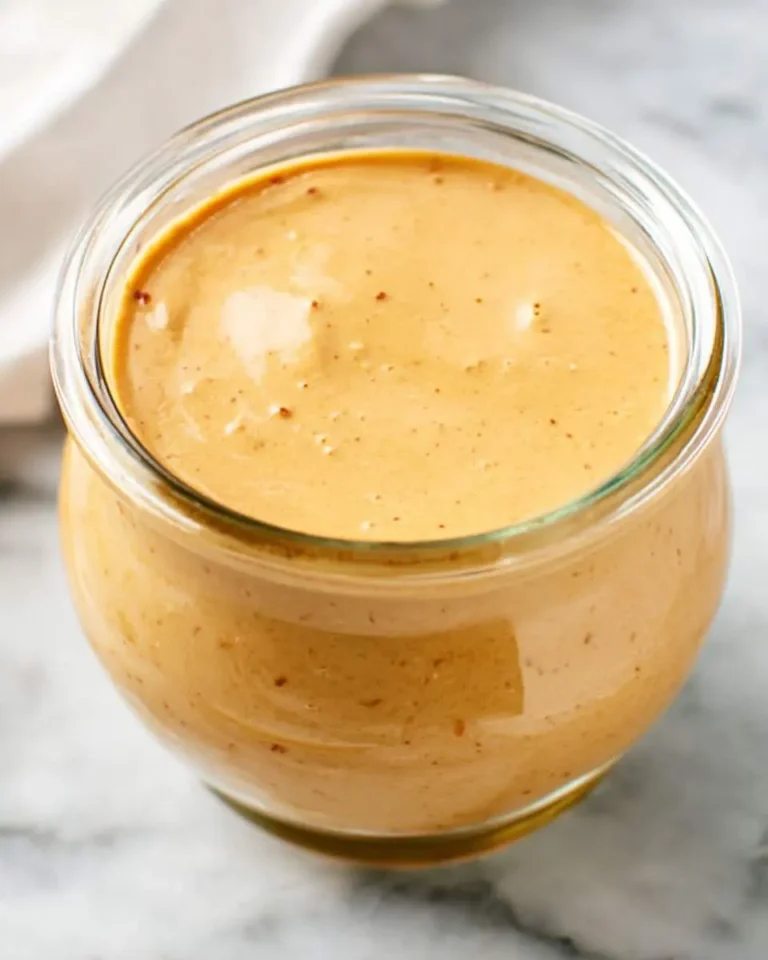
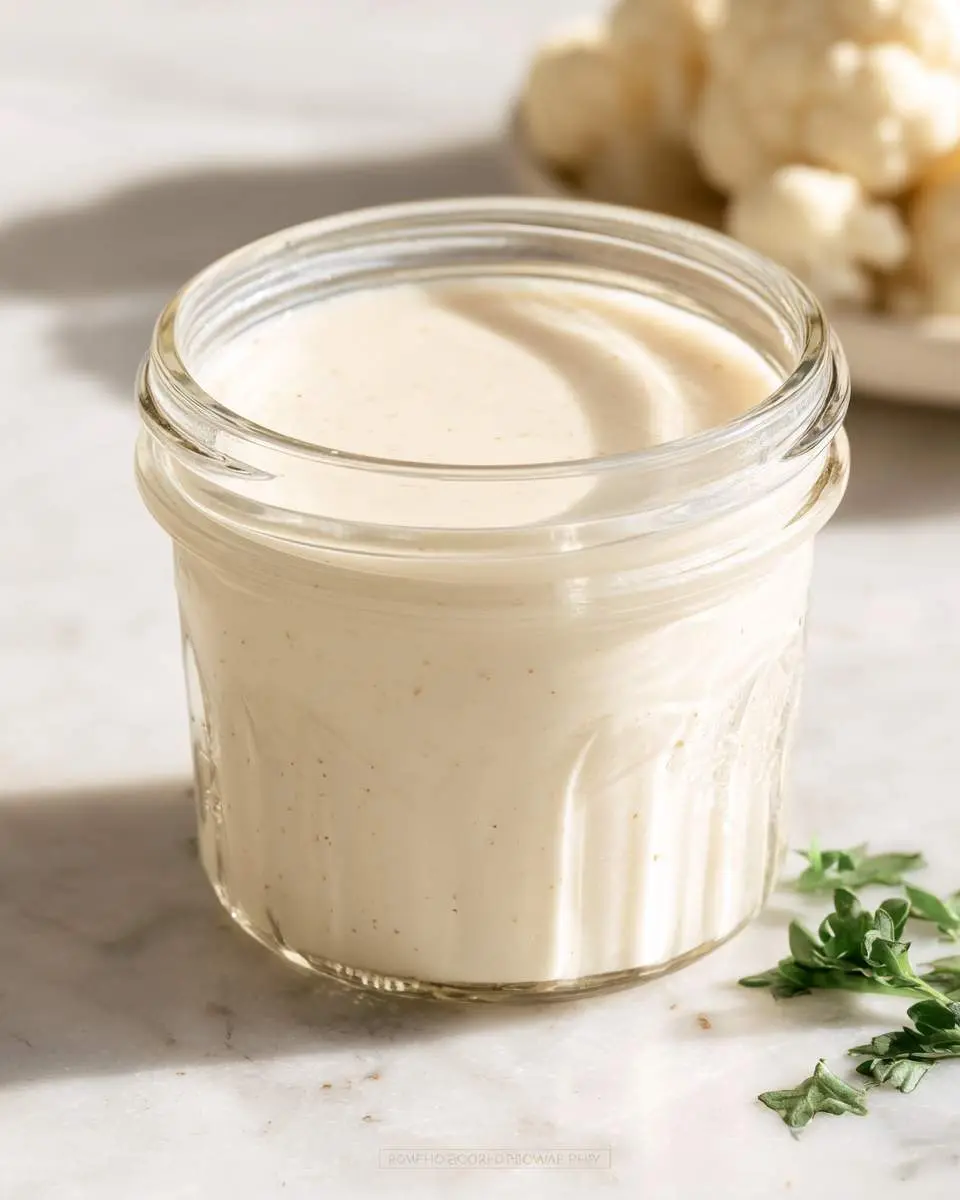
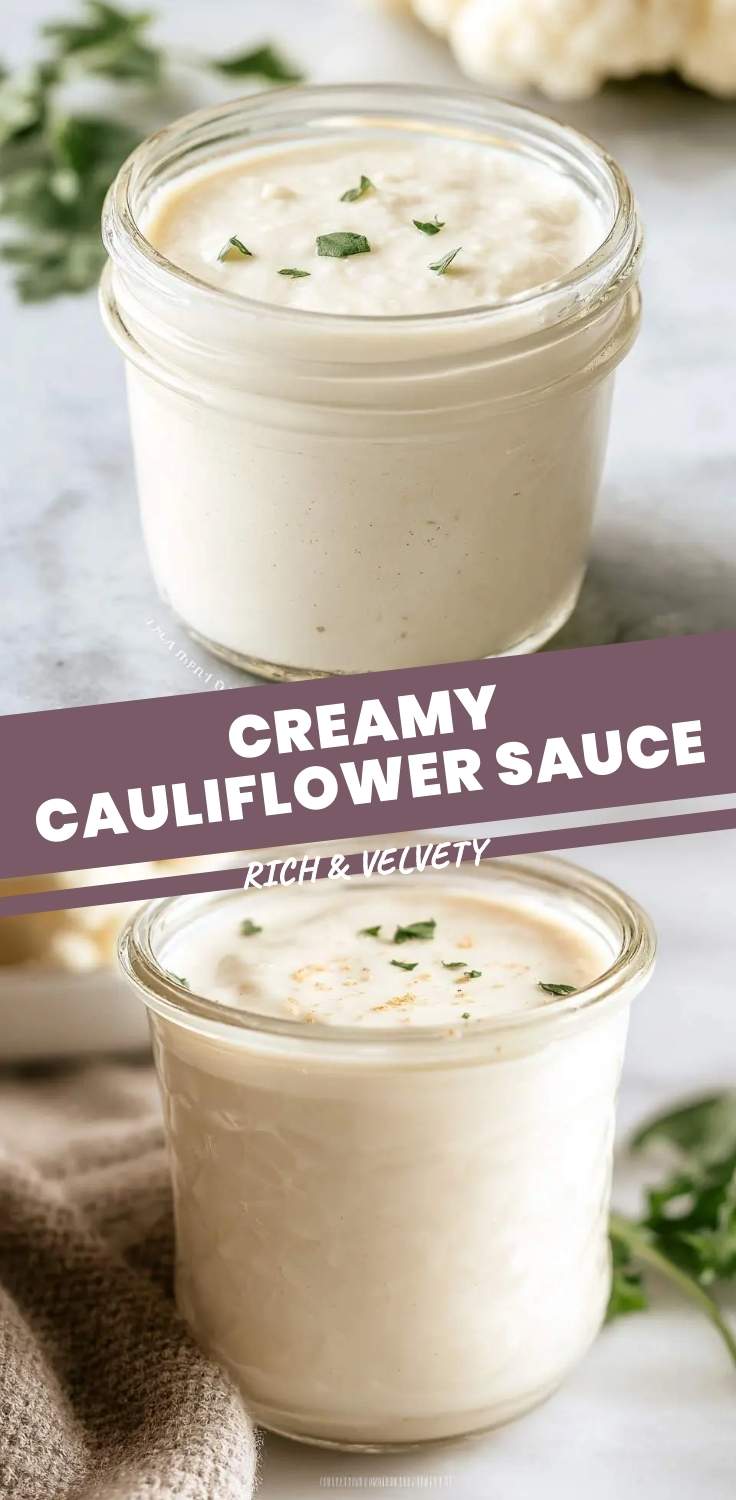
Once the cauliflower yields completely to a knife tip, I transfer everything to my blender. Here’s where patience pays off. I blend in batches if needed, starting low and increasing speed, letting the machine run longer than feels necessary. That’s how you get that restaurant-quality smoothness. The sauce should pour like heavy cream, coating the back of a spoon. I finish with a pat of butter stirred in off the heat, which adds a sheen and rounds out the flavor. If you enjoy this method, my creamy tarragon sauce uses a similar technique with completely different results.
Pro Tips
Don’t drain the cooking liquid. That broth carries so much flavor from the garlic and cauliflower itself. I blend with it included, adding only enough extra liquid to reach my desired consistency. Dumping it means losing half the taste you just built.
Blend while hot. Hot cauliflower breaks down smoother than cooled. I work in batches with a towel over the blender lid — steam pressure is real, and I’ve learned this the messy way.
Toast your garlic first if you want depth. A quick sauté in olive oil before simmering brings out nutty, almost caramelized notes that raw garlic can’t match.
My Secret Trick: I save a cup of the starchy pasta water when serving this with noodles, then whisk a few tablespoons into the finished creamy cauliflower sauce right before tossing. The starch emulsifies everything into a glossy coating that clings instead of sliding off.
How to Store Creamy Cauliflower Sauce
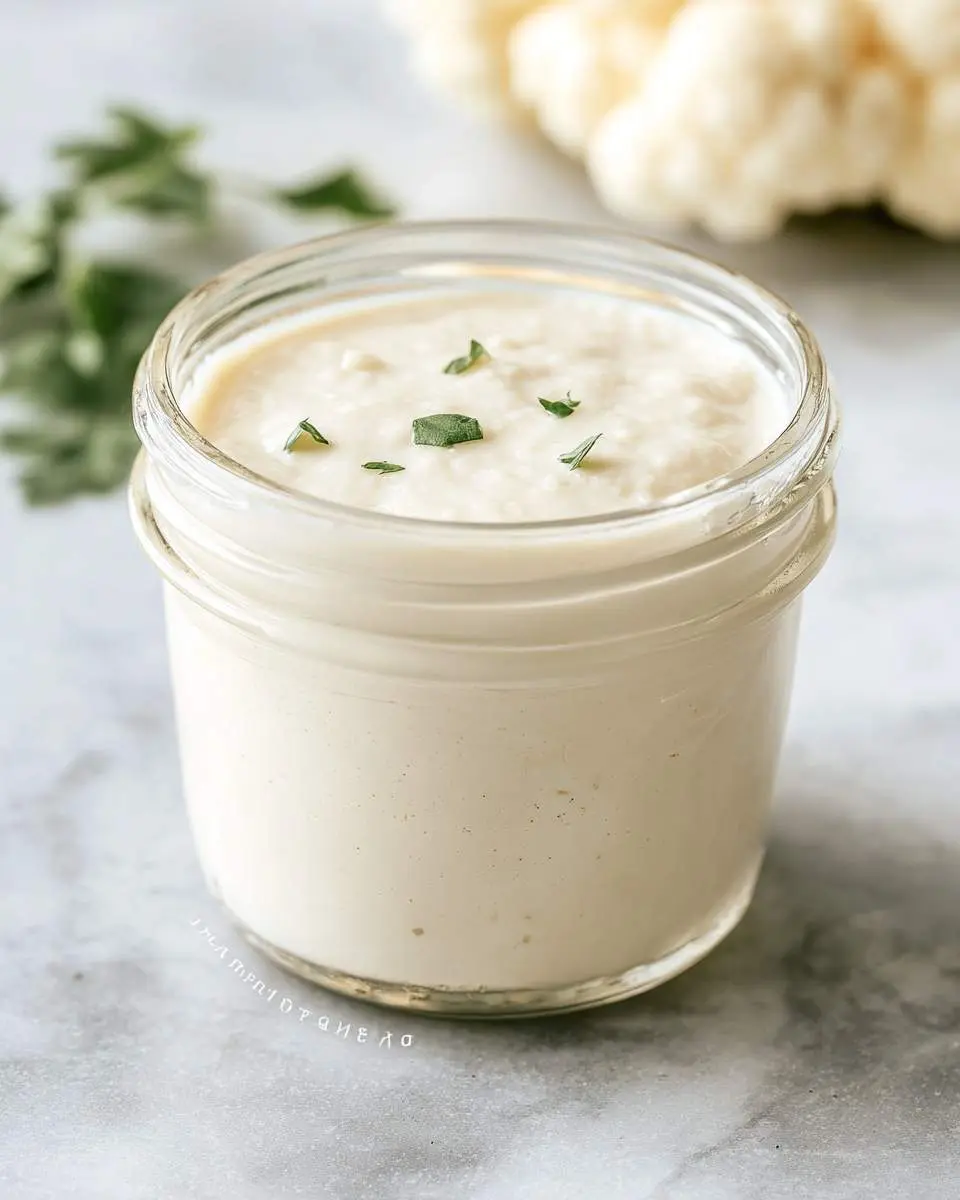
- Refrigerate in an airtight container for up to 4 days. Glass jars work best — the sauce won’t absorb any plastic flavors.
- Freeze in portion-sized containers for up to 2 months. I use silicone muffin cups, then transfer the frozen pucks to a freezer bag for easy single servings.
- Thaw overnight in the refrigerator, never on the counter. Cauliflower can develop off flavors if it sits too warm.
- Reheat gently over low heat, whisking constantly. The sauce may separate slightly — a splash of warm broth and vigorous stirring brings it back together. Never microwave on high; it turns grainy.
Nutritional Benefits
This creamy cauliflower sauce delivers genuine vegetable nutrition in disguise. One serving packs roughly half your daily vitamin C thanks to that whole head of cauliflower, plus a surprising amount of fiber that keeps you satisfied longer than any dairy-based alternative. The garlic contributes allicin, that compound we all know is good for us but rarely get enough of in delicious form. I love that I can pour this generously without the saturated fat load that would come from a traditional cream sauce.
FAQs
Can I make this sauce without a blender?
An immersion blender works beautifully right in the pot, though the texture won’t be quite as silky. I’ve done this when my stand blender was dirty, and while there were tiny flecks of cauliflower, the flavor remained excellent.
Why does my sauce taste bland?
Under-seasoning is almost always the culprit. Cauliflower needs salt to taste like anything. I season aggressively at multiple stages — the cooking liquid, after blending, and again after resting. Taste and adjust twice.
Can I use frozen cauliflower?
Absolutely. I keep bags on hand for exactly this purpose. The texture softens faster, so reduce simmering time by about five minutes to prevent waterlogging, which makes the final sauce thinner.
Is this creamy cauliflower sauce vegan?
The base recipe is naturally vegan — just cauliflower, garlic, broth, and olive oil. I add butter at the end for richness, but you can skip it or use a good plant-based alternative without sacrificing much.
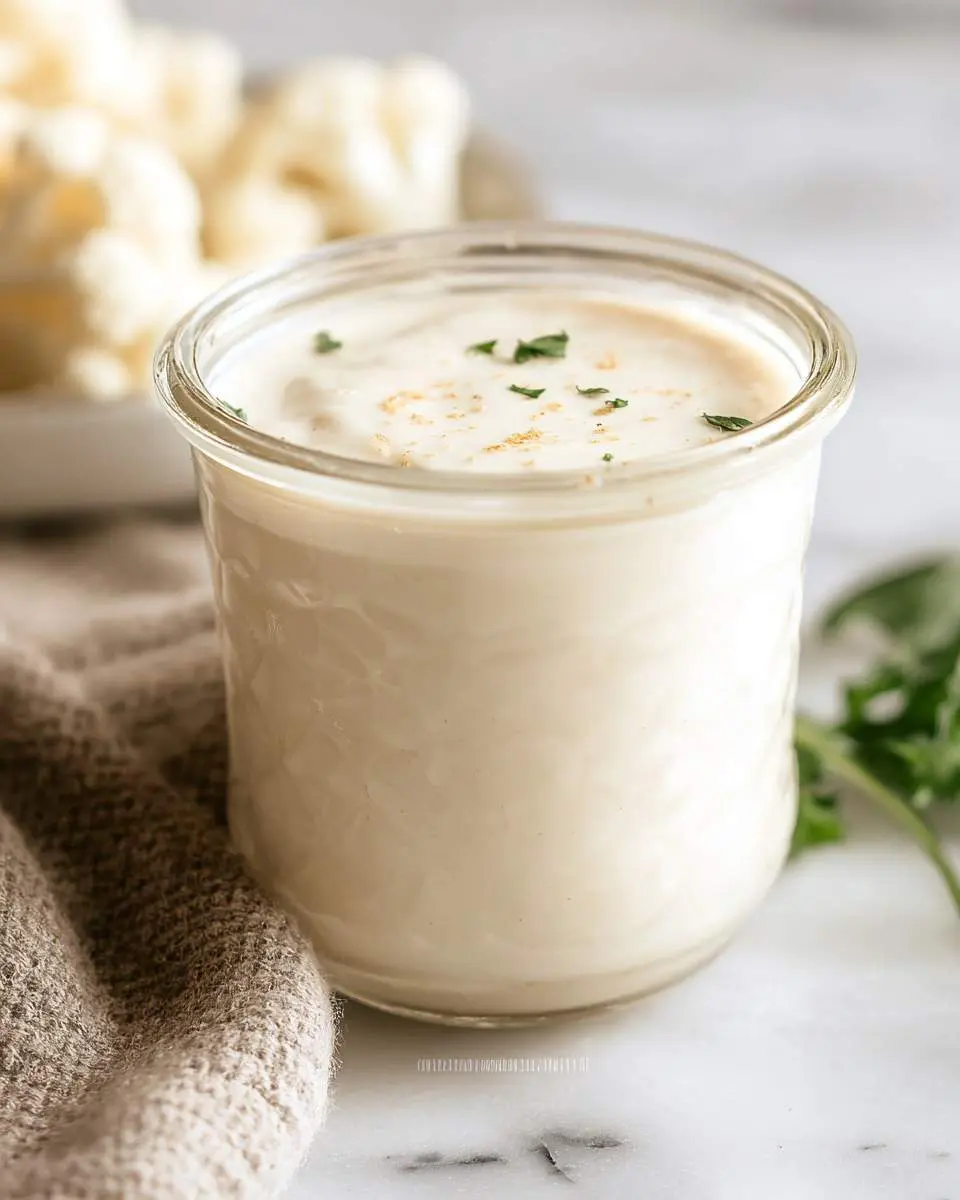

Creamy Cauliflower Sauce
Ingredients
Equipment
Method
- Combine cauliflower florets, smashed garlic, and vegetable broth in a large pot. Bring to a boil over high heat, then reduce to a simmer and cook until the cauliflower is completely tender and easily pierced with a knife, about 15 minutes. The cauliflower should almost fall apart when poked.
- Using a slotted spoon, transfer the cooked cauliflower and garlic to a high-speed blender. Add 1 cup of the cooking liquid, the butter, heavy cream, Parmesan, salt, pepper, and nutmeg. Blend on high until completely smooth and silky, 1 to 2 minutes, scraping down the sides as needed. If the sauce is too thick, add more cooking liquid a few tablespoons at a time.
- Taste the sauce and adjust seasoning with more salt if needed. Add the lemon juice and pulse once more to combine. The sauce should coat the back of a spoon and taste rich and slightly nutty from the Parmesan.
- Serve immediately over pasta, roasted vegetables, or grilled chicken. Top with additional grated Parmesan and freshly cracked black pepper.
Notes
Conclusion
This creamy cauliflower sauce has earned permanent rotation in my kitchen. It proves that simple vegetables, treated with a little patience, can become something genuinely luxurious. I hope it surprises you the way it surprised me. For another herb-forward option, try my creamy cilantro garlic sauce — it hits completely different notes with the same satisfying texture.