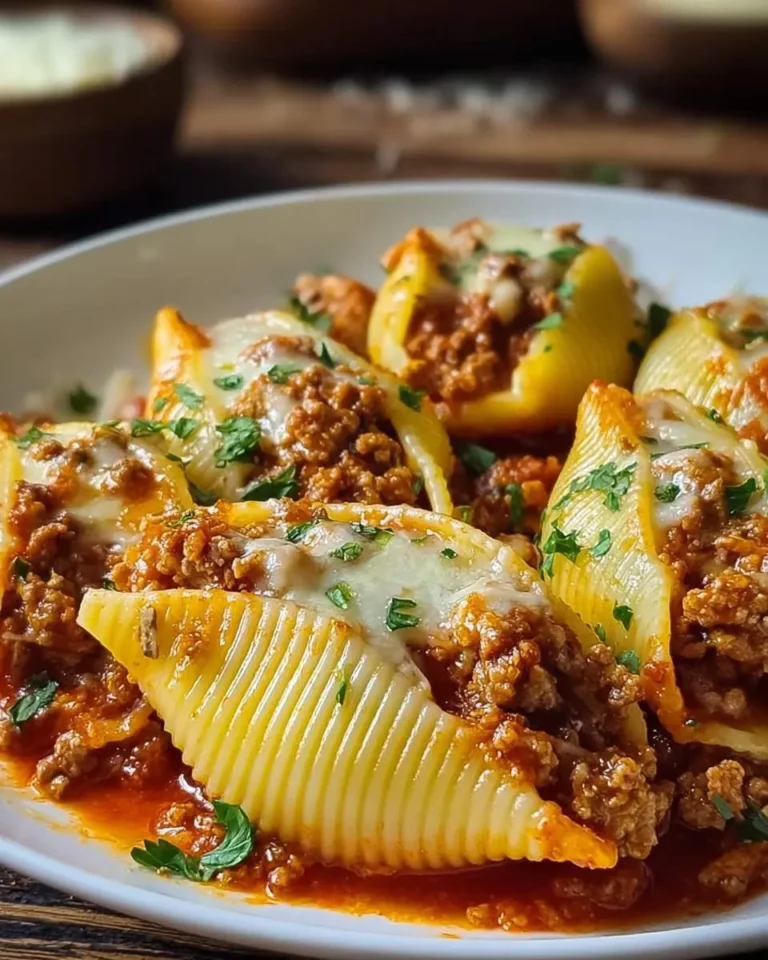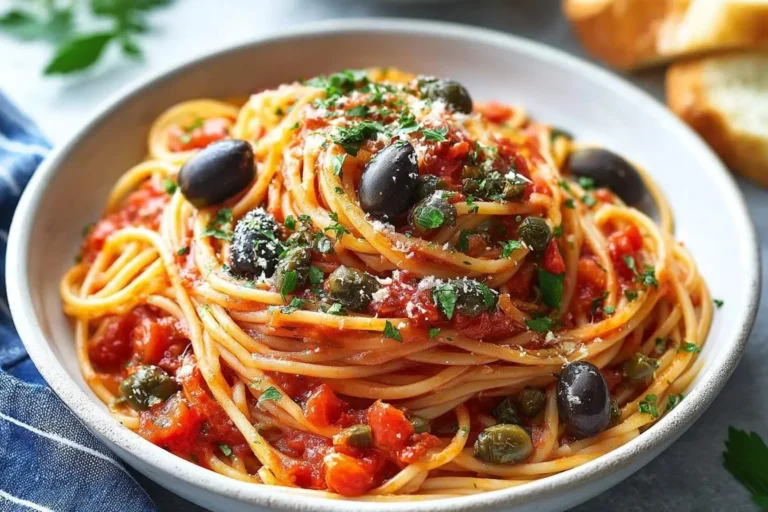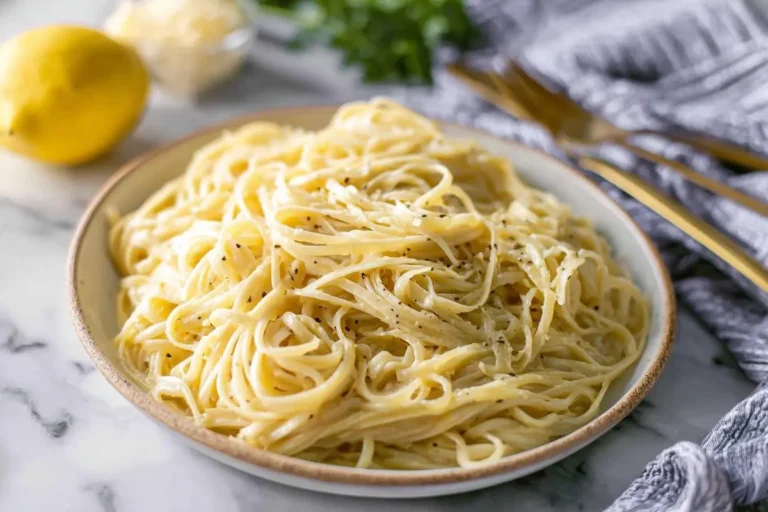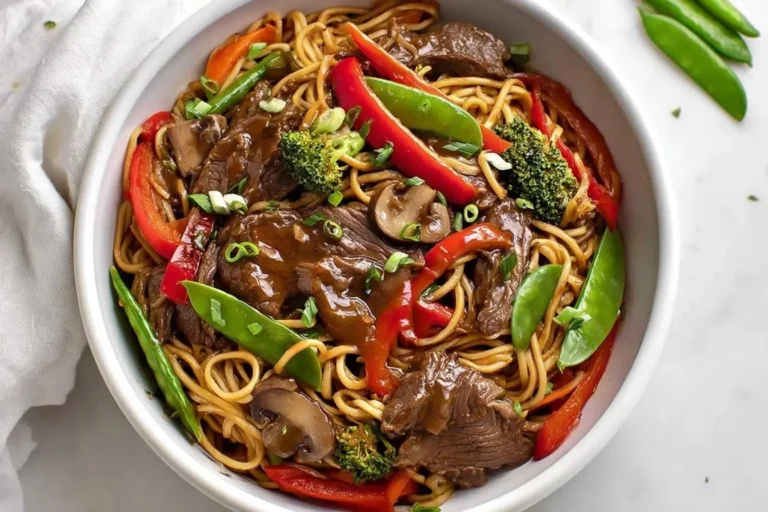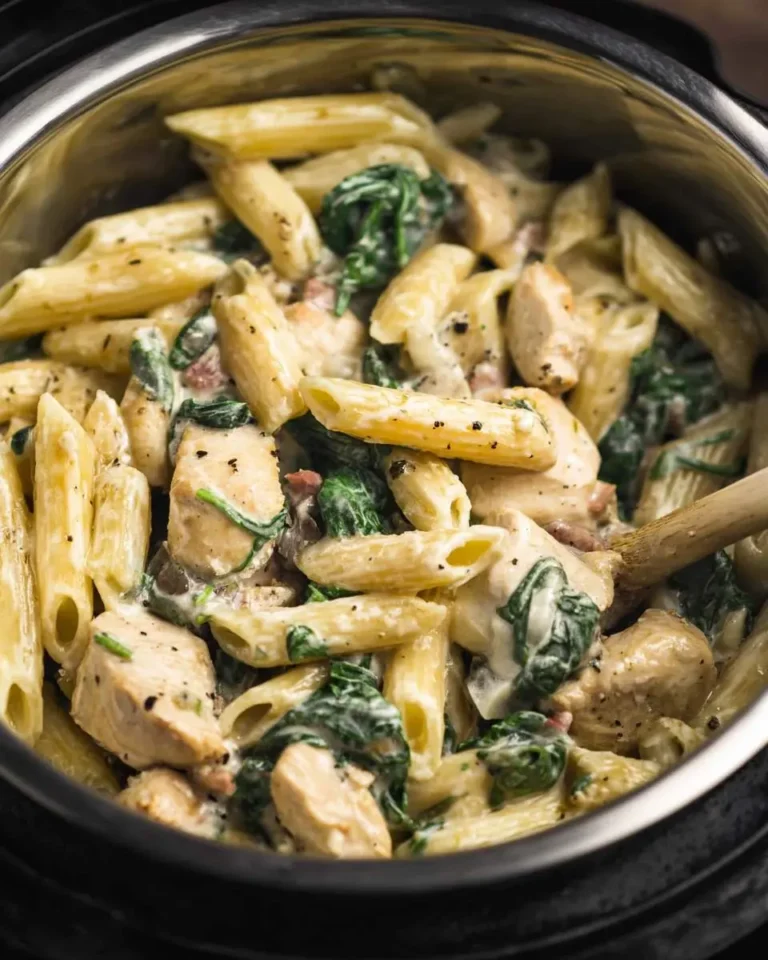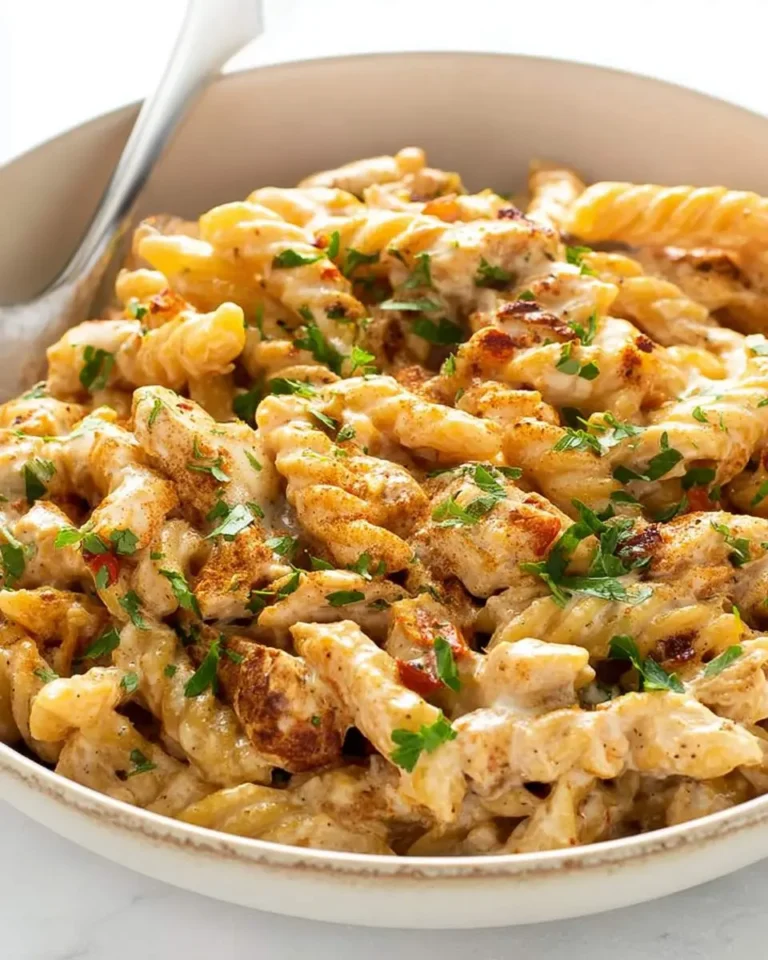
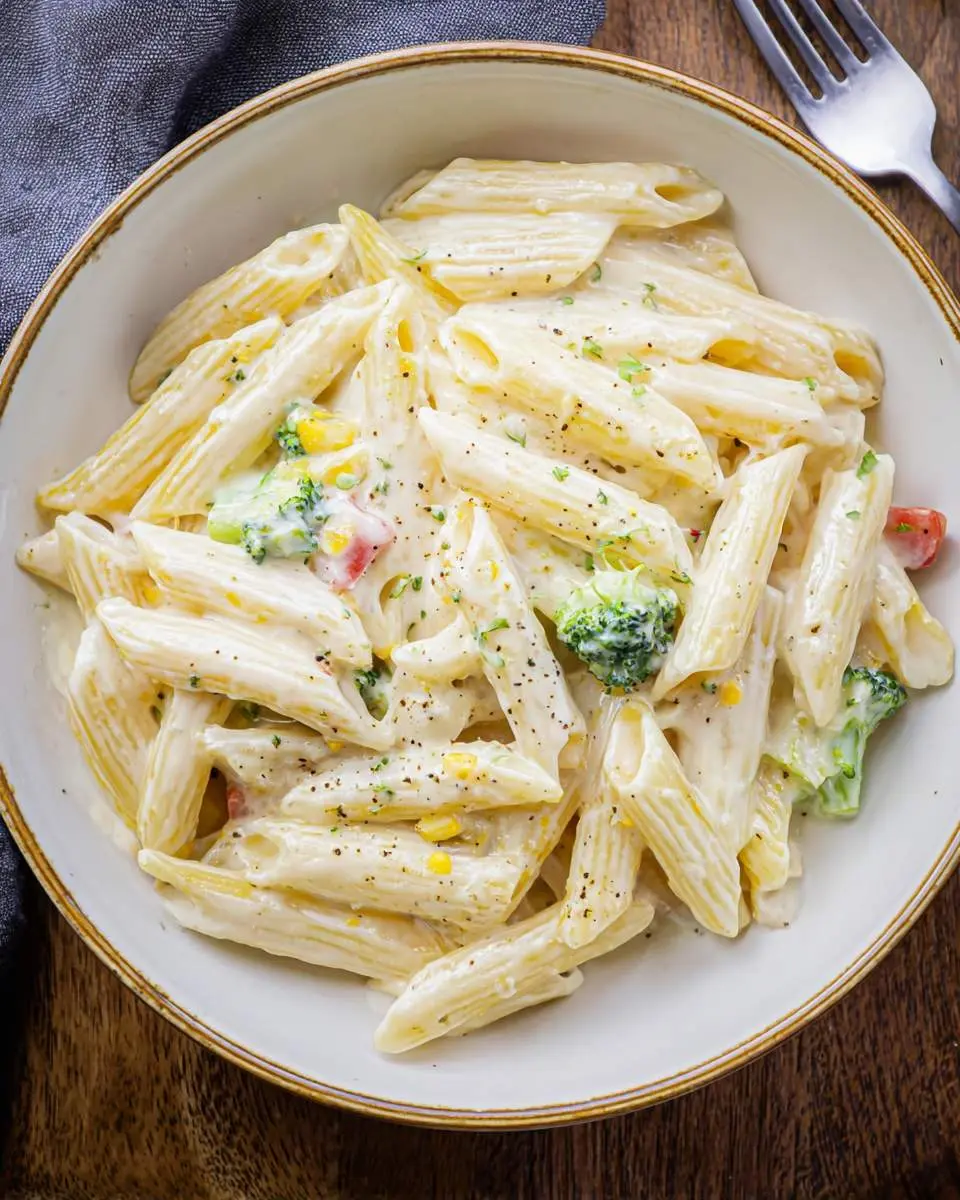
White Sauce Penne Pasta
The first time I made a proper cream sauce, I stood at the stove and watched butter melt into flour with the kind of patience I usually reserve for waiting on coffee. That slow transformation , pale roux turning silky, milk whisked in until it sighed and thickened , hooked me completely. Now whenever I crave something that feels like a hug on a plate, I reach for my white sauce penne pasta.
My grandmother never measured her béchamel. She’d dip a wooden spoon, draw a line through the back with her finger, and if the sauce held the trail, it was ready. I still do this, every single time, even though I own three thermometers. Some rituals you don’t abandon.
This dish comes together on weeknights when I want comfort without complexity. The penne catches sauce in its ridges in a way that feels almost engineered for joy. If you’re in a noodle mood, my Shanghai stir-fried noodles with chicken hit a completely different craving , but tonight, we’re staying creamy.
What You Need to Make This Recipe
The butter matters more than you’d think , I use unsalted so I control the salinity at every stage, since parmesan brings its own punch. Whole milk is non-negotiable here; skim or even 2% will give you a thin, sad sauce that separates when it hits the hot pasta. Freshly grated nutmeg, barely a whisper, transforms the béchamel from flat to hauntingly good , I microplane it directly over the pot and smell it bloom in the warm dairy. For the pasta itself, I grab penne rigate specifically, those little ridges clutching sauce better than smooth tubes ever could. If you’re building a seafood version sometime, my shrimp lo mein uses a completely different pantry but the same weeknight energy.
How to Make White Sauce Penne Pasta
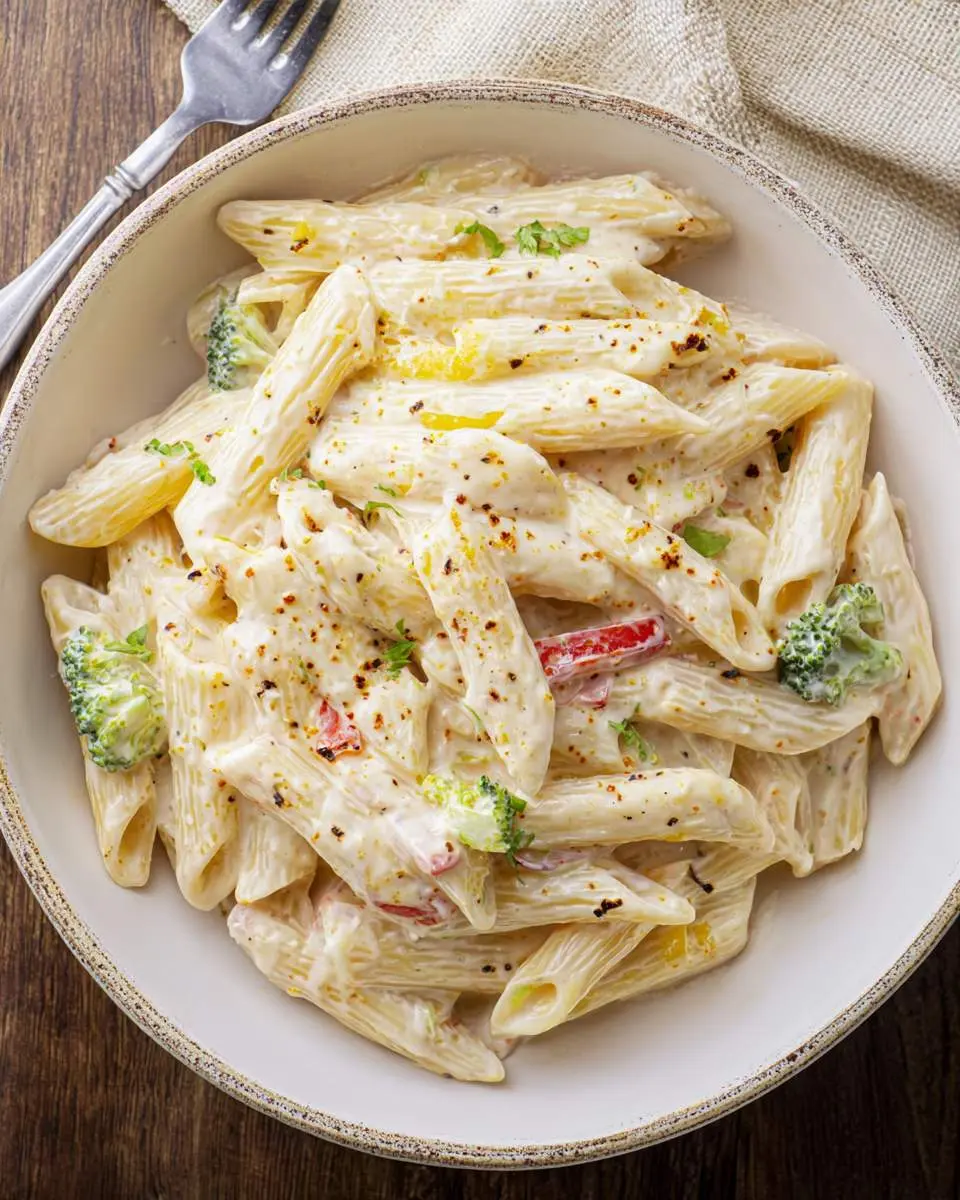
I start the pasta water first, always, salting it until it tastes like the sea , this is your only chance to season the noodles themselves. While that comes to a boil, I melt butter in a heavy saucepan and let the flour cook into it for a full two minutes, stirring constantly, until the raw smell disappears and something nutty takes its place. The milk goes in slowly, in increments, whisking like my life depends on it; lumps are the enemy, and cold milk is their accomplice, so I warm mine gently in the microwave first.
The sauce thickens at its own pace, usually right when I’m starting to doubt it. I pull it from the heat, stir in parmesan until it melts into ribbons, then nutmeg, salt, white pepper. The penne drains just past al dente , it’ll finish in the sauce , and I toss everything together off the heat, letting the pasta drink up creaminess for a full minute before I even think about serving. The sound of it is part of the pleasure: that soft, wet clatter of coated tubes hitting the bowl. For a richer pasta night, my chicken fettuccine alfredo uses a similar technique with a heavier hand on the cream.
Pro Tips
Grate your own parmesan. The pre-grated stuff is coated in cellulose to prevent clumping, which also prevents it from melting into that seamless, glossy sauce you’re chasing. I use the fine side of a box grater and accept the cramp in my hand as the price of admission.
Save that pasta water. I ladle out a cup before draining, then splash in tablespoons as needed when tossing. The starch transforms a sauce that might otherwise feel too thick into something that clings with intention.
Finish with cold butter off the heat. A single tablespoon, whisked in at the very end, gives the sauce a sheen and roundness that feels restaurant-level without any actual skill required.
My Secret Trick: I steep a halved garlic clove in the warm milk for ten minutes before making the roux, then discard it. The milk carries just enough allium depth to make people ask what you did differently, without any visible garlic pieces or aggressive flavor.
For this white sauce penne pasta, the quality of your dairy really does show , splurge on a parmesan wedge and whole milk from a brand you trust.
How to Store White Sauce Penne Pasta
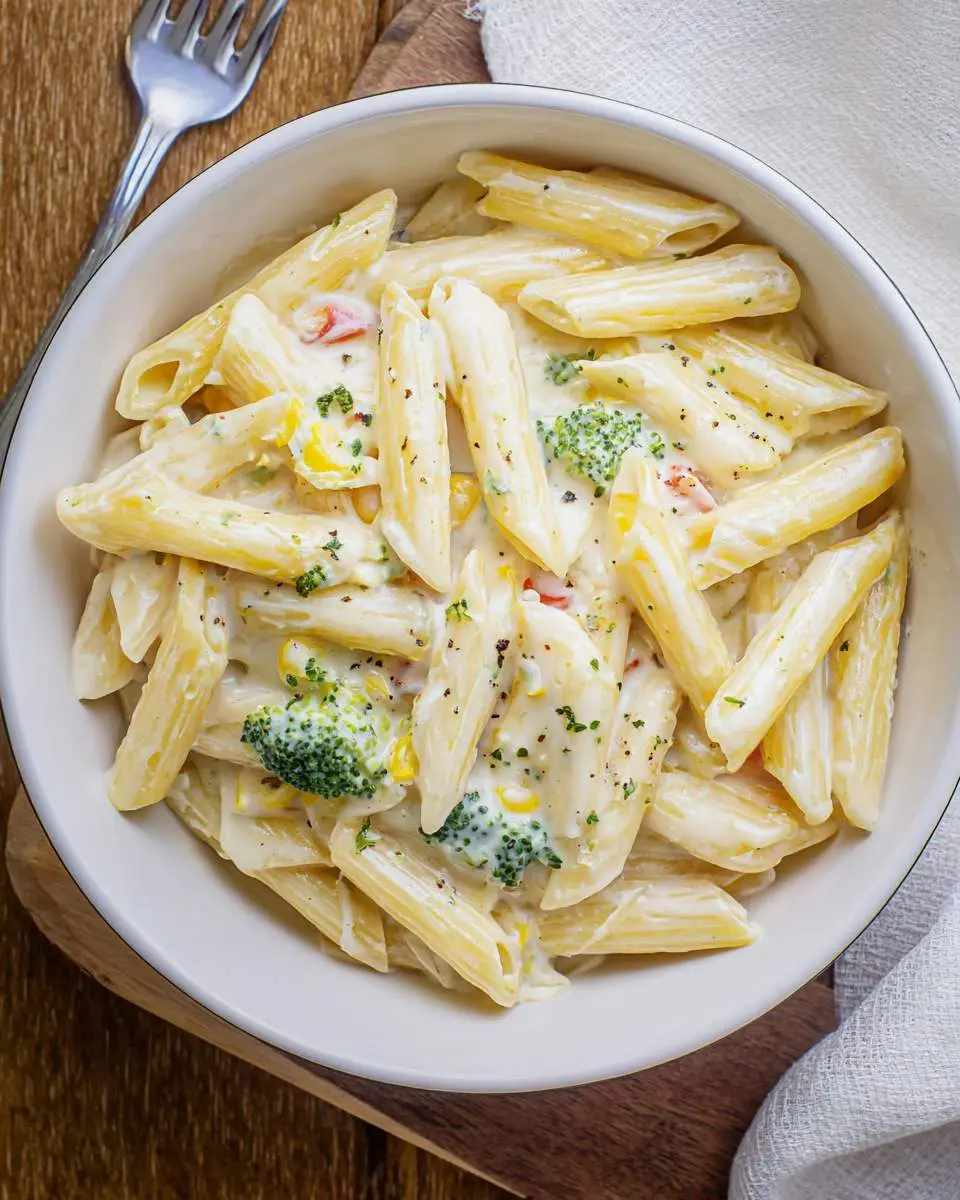
- Refrigerate in an airtight container for up to 3 days; glass prevents the sauce from absorbing other fridge odors.
- Freeze in individual portions for up to 1 month, though the sauce may separate slightly upon thawing , a vigorous stir while reheating usually brings it back together.
- Reheat gently on the stovetop over medium-low heat, adding splashes of milk or reserved pasta water to loosen; the microwave works in 30-second bursts with stirring between, but the stovetop preserves texture far better.
- Do not store at room temperature for more than 2 hours; the dairy base makes this a higher-risk dish for bacterial growth.
Nutritional Benefits
This white sauce penne pasta delivers a solid dose of calcium from the milk and parmesan , about a quarter of your daily needs in a single serving , which matters more to me now than it did in my twenties. The egg-based penne I sometimes use also brings a little extra protein to the bowl, enough that I don’t always need a side dish to feel genuinely satisfied.

FAQs
Why did my white sauce turn out grainy?
You likely added the milk too quickly or used it cold. Warm your milk first, then pour in a slow stream while whisking constantly. Patience at this stage saves you from a sauce that never quite smooths out.
Can I use half-and-half instead of whole milk?
You can, but the sauce will be heavier and richer than intended. I find whole milk gives the best balance , creamy without feeling like you’re drinking liquid cheese. Save the half-and-half for your coffee.
What can I add to make this more filling?
Rotisserie chicken, torn into rough pieces and folded in at the end, is my go-to. Sautéed mushrooms or wilted spinach also work beautifully and don’t compete with the mild sauce.
How do I keep the sauce from separating when reheating?
Low and slow is the only way. High heat breaks the emulsion. Add liquid , milk or water , a tablespoon at a time, and stir constantly. White sauce penne pasta reheats best on the stovetop with this gentle approach.

White Sauce Penne Pasta
Ingredients
Equipment
Method
- Bring a large pot of water to a rolling boil. Add 1 tablespoon kosher salt, then stir in the penne. Cook 1 minute less than package directions for al dente texture, usually 10-11 minutes. Reserve 1 cup pasta water, then drain and set aside. Do not rinse.
- In a large skillet over medium heat, melt the butter until foamy. Add the minced garlic and cook 30 seconds until fragrant but not browned. Sprinkle in the flour and whisk constantly for 1 minute to cook out the raw taste. The mixture should look like wet sand and smell toasty.
- Slowly pour in the milk while whisking vigorously to prevent lumps. Add the cream, then increase heat to medium-high. Cook, whisking often, until the sauce bubbles and thickens enough to coat the back of a spoon, about 6-8 minutes. You should be able to draw a line through it with your finger.
- Remove from heat. Stir in the grated Parmesan, nutmeg, and black pepper until the cheese melts completely and the sauce is silky smooth. If it seems too thick, thin with a splash of reserved pasta water.
- Add the drained penne directly to the skillet with the sauce. Toss vigorously for 1 minute over low heat, adding pasta water 2 tablespoons at a time as needed, until every piece is coated and the sauce clings rather than pools. The pasta should look glossy, not soupy.
- Divide among warm bowls immediately. Top with extra grated Parmesan and chopped parsley. Serve hot with crusty bread for scooping up every last drop.
Notes
Conclusion
I still make this white sauce penne pasta when I need to remember that cooking doesn’t have to be complicated to be deeply satisfying. The roux technique translates to a dozen other dishes once it’s in your hands. For a baked variation that feeds a crowd, my chicken alfredo stuffed shells take this same comfort in a completely different direction. Make it once, and you’ll find your own rituals to add.