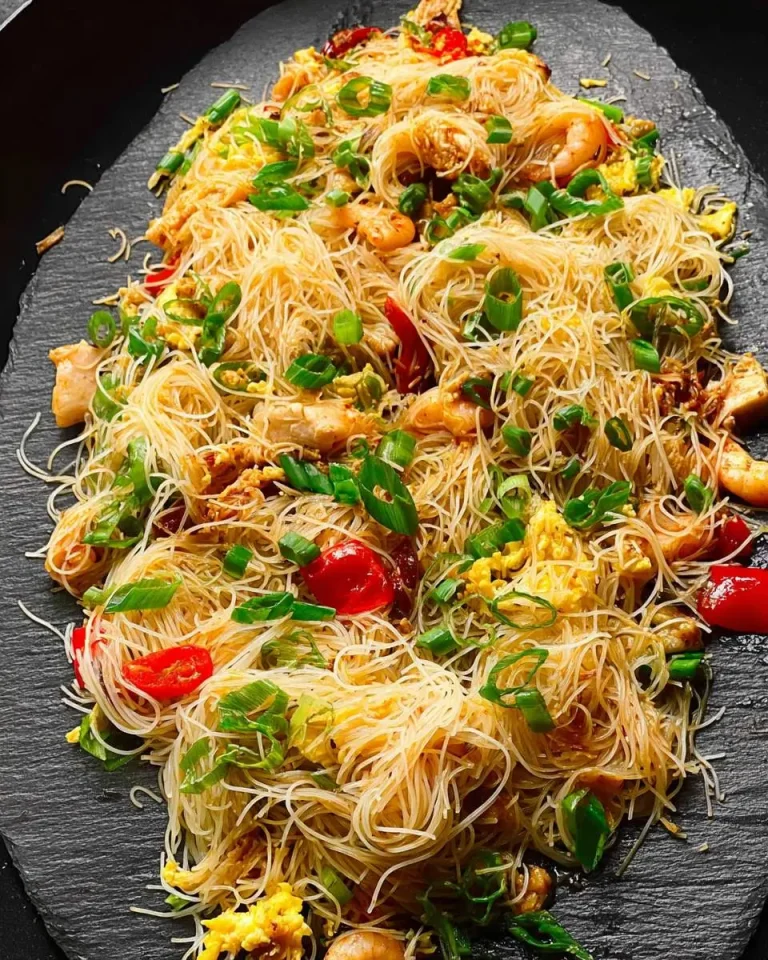
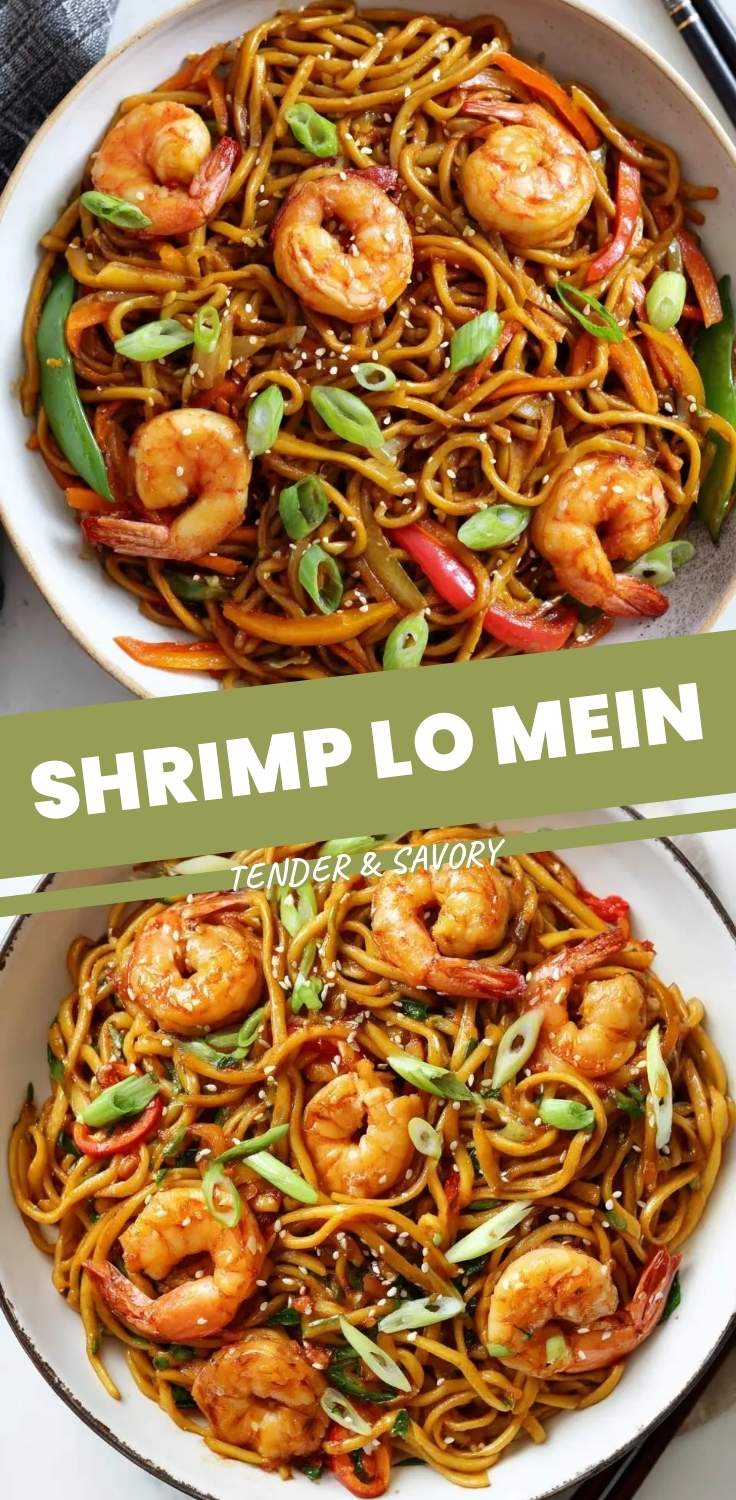
Shrimp Lo Mein
The first time I smelled shrimp hitting a smoking hot wok, I was standing in my grandmother’s cramped kitchen with steam fogging the windows. She never measured anything, just tossed and tasted until the whole house smelled like garlic and soy and something I couldn’t name but desperately wanted to eat. That memory lives in every bowl of Shrimp Lo Mein I make now , that same urgency, that same hunger.
Last Tuesday, I came home from a brutal rainstorm with soaked shoes and a worse mood. I didn’t want comfort food that took hours. I wanted that wok smell, that slippery noodle pull, that first bite where the shrimp are barely cooked through and still sweet. Twenty minutes later, I was eating at my kitchen counter in my pajamas, completely restored.
This is that recipe , the one that saves evenings and fixes moods. If you’re craving noodles with real personality, you might also love my Italian meatballs on parmesan noodles, which scratch a similar itch with completely different roots.
What You Need to Make This Recipe
The magic here lives in a few deliberate choices. I use wide lo mein noodles, not thin ones, because they grab sauce instead of letting it slide off into the bowl. Fresh ginger, not the jarred stuff , it actually makes your eyes water when you grate it, and that heat carries through every bite. And the shrimp? I buy them raw and shell-on when I can, because that quick sear in their own shells builds a depth you can’t fake. For the noodle base, my dirty martini spaghetti taught me how much pasta texture matters, and that lesson absolutely applies here.
How to Make Shrimp Lo Mein
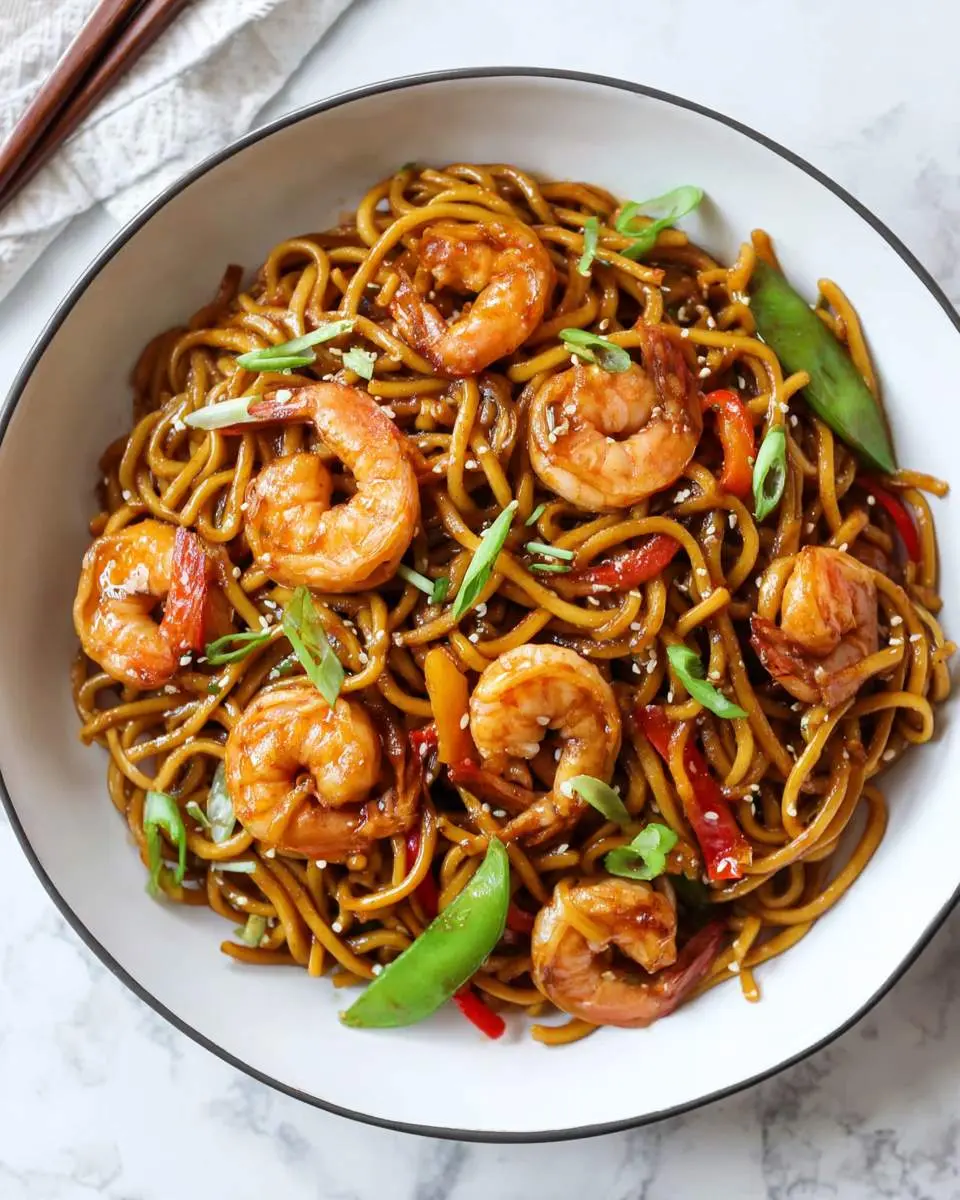
I start by getting everything within arm’s reach because once the wok heats, there’s no pausing. The noodles get boiled just shy of done , they should still resist your teeth slightly , then drained and tossed with a whisper of sesame oil so they don’t glue together. While they sit, I heat my wok until a drop of water evaporates in two seconds flat. That’s when the shrimp go in: they hit the metal and immediately curl, turning pink at the edges while I resist the urge to move them. That untouched minute creates the sear.
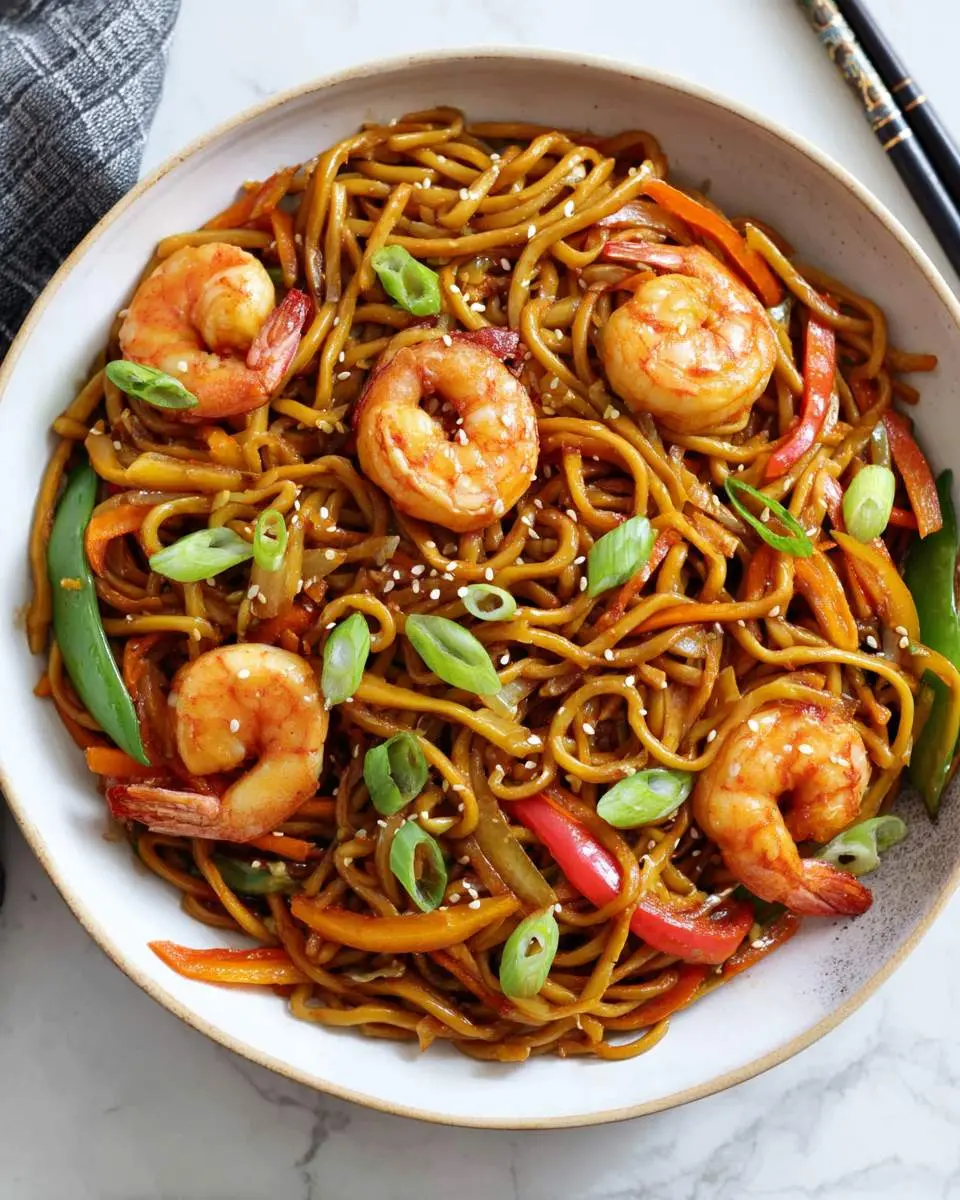
The aromatics come next , ginger and garlic sizzling in the shrimp’s rendered juices, filling the kitchen with that specific smell that makes my husband wander in asking what’s for dinner. Vegetables follow fast: snap peas for crunch, carrots for sweetness, both still bright and barely tender. The noodles tumble back in, and here’s where I use my plain lo mein noodles recipe as my foundation , same technique, now dressed up with protein and color.
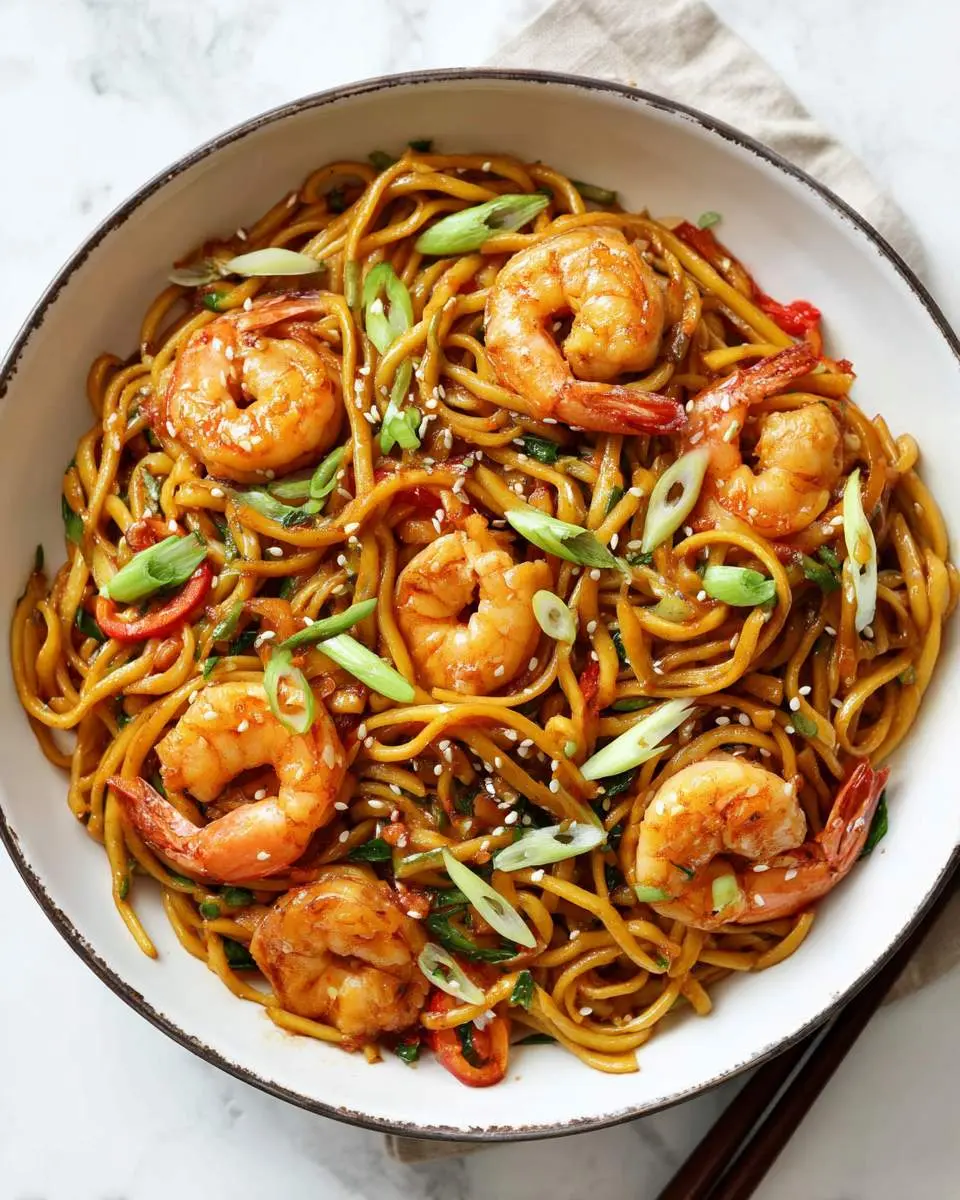
The sauce goes in last, poured around the edges of the wok where it bubbles and reduces in seconds, coating everything in a glossy sheen. I toss constantly now, chopsticks clicking against metal, until each strand wears the sauce like skin. The whole thing takes maybe eight minutes of actual cooking. The sound of it , sizzle, splash, the soft thud of noodles , that’s how I know it’s right.
Pro Tips
Pat your shrimp aggressively dry before they touch the wok. Any surface moisture steams instead of sears, and you’ll miss that caramelized edge that makes the shrimp taste like they came from a restaurant wok station.
Undercook your noodles by a full minute. They continue cooking in the wok, and mushy lo mein is heartbreaking , you want that slight bounce, that resistance when you bite down.
Make the sauce in a jar with a lid and shake it hard. Cornstarch clumps if you stir it into liquid gently, but shaking creates a smooth suspension that pours evenly and thickens instantly in the hot wok.
My Secret Trick: I save a quarter cup of the starchy noodle cooking water and splash it in right at the end. It emulsifies with the sesame oil and soy sauce, creating a light coating that clings instead of pooling , the difference between dressed noodles and sauced noodles.
How to Store Shrimp Lo Mein
- Refrigerate in an airtight glass container for up to 3 days , plastic holds onto garlic odors forever.
- Freeze only the noodle and vegetable portion without shrimp; cooked shrimp turn rubbery when thawed. Freeze flat in a sealed bag for up to 1 month at 0°F.
- Reheat in a hot skillet with a teaspoon of oil, not the microwave; toss constantly for 2-3 minutes until just warmed through. Add a splash of water if noodles seem dry.
- Never store warm , let it cool completely on the counter first, no more than 30 minutes, before sealing and refrigerating.
Nutritional Benefits
This Shrimp Lo Mein delivers real protein without heaviness , a full portion of shrimp gives you about 24 grams with minimal saturated fat, plus selenium that actually supports how your body handles inflammation. The fresh ginger isn’t just for flavor; that compound called gingerol has genuine digestive benefits, which I appreciate on nights when I want something satisfying but not sleep-inducing.
FAQs
Can I use frozen shrimp for this recipe?
Absolutely , I do it often. Thaw them overnight in the refrigerator, then pat completely dry with paper towels. The moisture from freezing is your enemy for that proper sear, so don’t rush the drying step.
What noodles work if I can’t find lo mein?
Fresh Chinese egg noodles are ideal, but thick spaghetti or u noodles work in a pinch. Avoid rice noodles entirely; they behave differently and won’t carry the sauce the same way.
Why does my sauce always turn out watery?
Your wok probably isn’t hot enough, or you’re adding sauce to a crowded pan. High heat and enough surface area let the liquid reduce immediately instead of pooling. Cook in batches if your pan is small.
How do I make Shrimp Lo Mein less salty?
Use low-sodium soy sauce and add a squeeze of lime at the end , the acid brightens without more salt. You can also cut the soy with a tablespoon of water in the sauce mixture.

Shrimp Lo Mein
Ingredients
Equipment
Method
- In a small bowl, whisk together soy sauce, oyster sauce, dark soy sauce, sugar, and sesame oil until sugar dissolves. Pat shrimp completely dry with paper towels - this is crucial for good browning. Prep all vegetables and aromatics before you start cooking; stir fry moves fast.
- Bring a large pot of water to boil. Cook lo mein noodles 1 minute less than package directions - they should still have a slight chew. Drain immediately, rinse briefly with cool water to stop cooking, then toss with 1 teaspoon sesame oil to prevent sticking. Set aside.
- Heat wok or large skillet over high heat until smoking. Add 1 tablespoon neutral oil, then shrimp in a single layer. Let them sear undisturbed for 90 seconds until pink and golden on the bottom, then flip and cook 30 seconds more. Transfer to a plate - they will finish cooking later.
- Return pan to high heat. Add bell pepper and carrot; stir fry 2 minutes until just tender-crisp with some char at the edges. Add garlic, ginger, and white parts of scallions; stir fry 30 seconds until fragrant.
- Add noodles and sauce to the pan. Toss constantly with tongs for 1 minute until noodles absorb the sauce and everything is evenly coated. Return shrimp and any accumulated juices to the pan, along with green scallion pieces. Toss 30 seconds until shrimp are just cooked through and glossy. Serve immediately.
Notes
Conclusion
This Shrimp Lo Mein has become my weeknight rescue, my rainy-day restoration, the thing I make when I need to feel capable in under thirty minutes. I hope it lands the same way for you , quick, forgiving, completely satisfying. If shrimp and pasta speak to you generally, don’t miss my garlic butter shrimp pasta, which plays in a similar space with a completely different accent. Make this soon. Your future self, possibly in pajamas, will thank you.