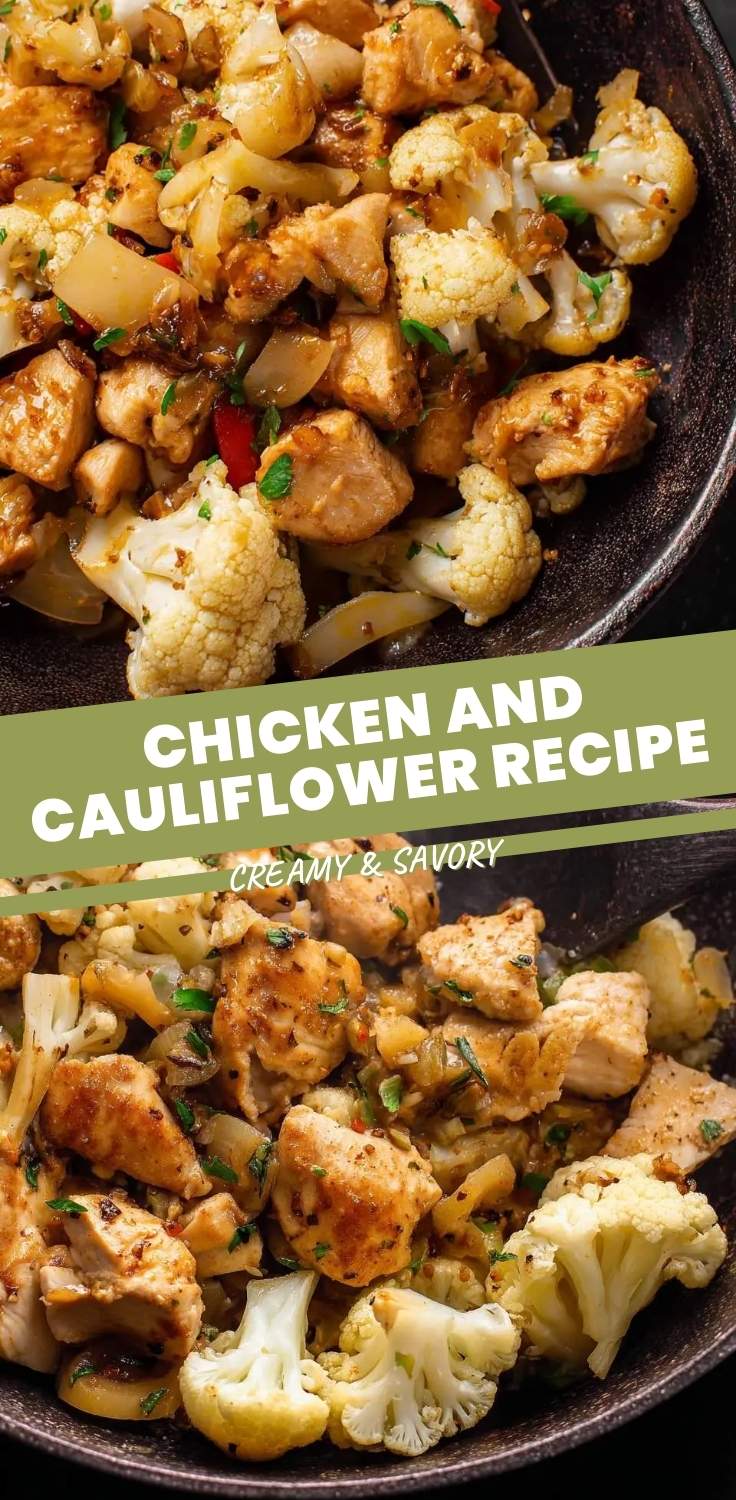
Chicken and Cauliflower recipe
The first time I pulled this dish from the oven, the lemon hit me before I even tasted it, bright, sharp, almost electric against the warm, nutty smell of roasted cauliflower. I stood at my counter with a wooden spoon in hand, not bothering with plates, and ate straight from the pan. That was the night I realized a chicken and cauliflower recipe could actually make me feel something.
My grandmother never wrote her recipes down, but she had this way of making Wednesday nights feel like small celebrations. She’d throw chicken and whatever vegetable was wilting in the crisper into one pan, splash something acidic over the top, and call it dinner. I thought of her when the capers in this dish popped and sizzled, releasing that briny, almost pickled perfume into my kitchen.
What I love most is the deception of it, how something so simple, so few ingredients, can taste like you planned it for days. This is the kind of dinner I make when I want to feel capable without trying very hard.
What You Need to Make This Recipe
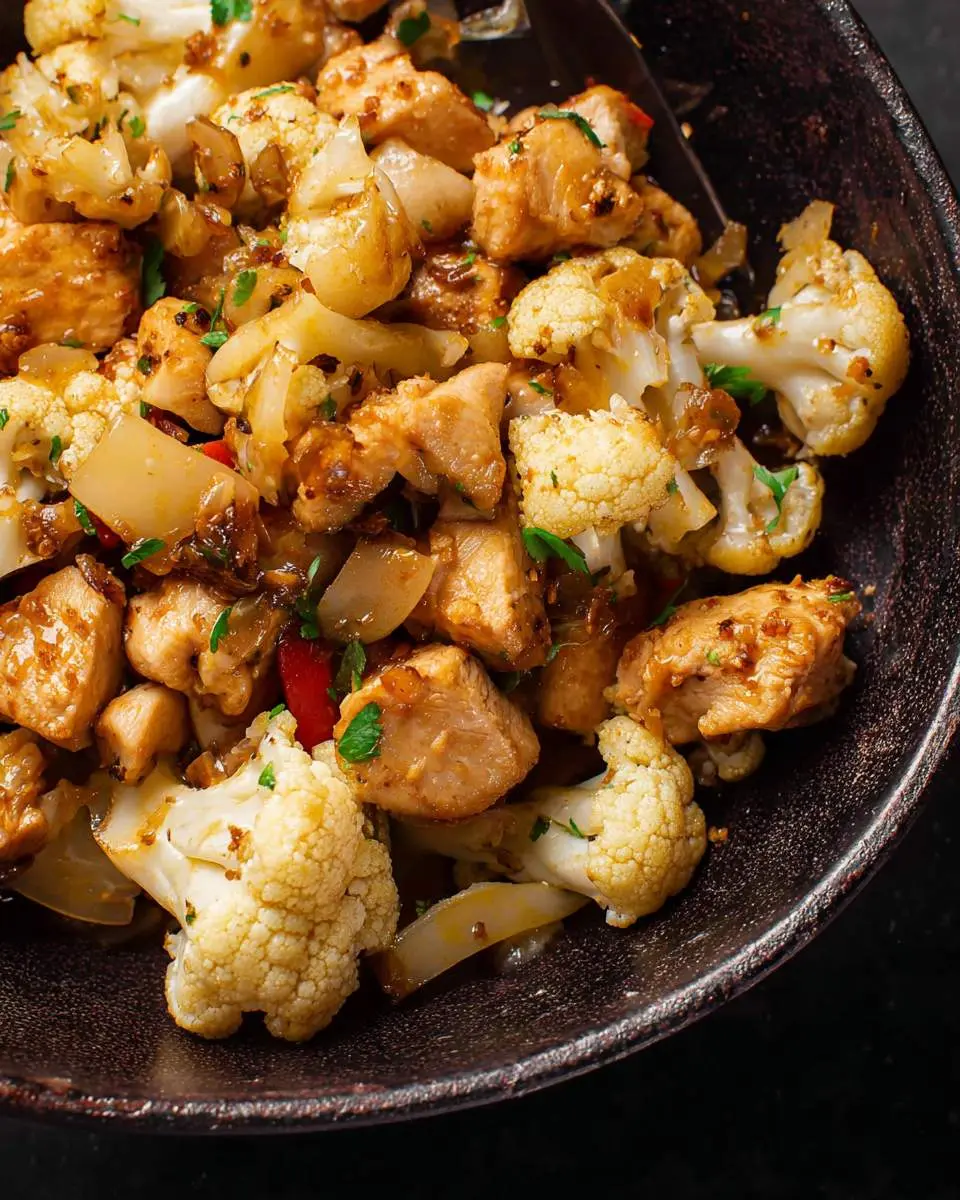
The chicken thighs matter more than you’d think, bone-in, skin-on, they render slowly and create this slick of golden fat that the cauliflower drinks up like a sponge. I use a whole head of cauliflower cut into thick steaks, not florets, because the flat surfaces sear and caramelize instead of steaming into mush. The capers are non-negotiable; fry them in that chicken fat for thirty seconds and they transform from briny little pellets to crispy, salt-crusted bursts that make you close your eyes when you bite. Lemon zest, not just juice, because the oils in the skin carry the real perfume. I keep meaning to try this with the same energy I bring to loaded weeknight nachos, and somehow it always delivers.

How to Make Chicken and Cauliflower recipe
I start cold, which feels wrong but isn’t, chicken thighs in a cold cast iron, skin side down, then heat creeping up medium-high. The fat renders gradually, no violent splattering, and by the time I flip them the skin sounds like parchment crinkling. That takes about twelve minutes, and I don’t touch them, not once, because the crust forms in the stillness. I move the chicken to a plate, and the cauliflower goes into that same fat, cut sides down, sputtering and softening at the edges while the centers stay al dente. The capers join for the last few minutes, and they literally sing, a high-pitched sizzle that means they’re crisping. Everything comes back together with lemon squeezed over the top, the juice hitting the hot pan and rising up as steam you can taste. I’ve made cauliflower fried rice dozens of times, but this is the preparation that made me respect the vegetable.
Pro Tips
Pat the chicken skin absurdly dry with paper towels, even if you think it’s dry enough. Moisture is the enemy of that shattering crust, and I’ve ruined too many thighs by being lazy about this.
Cut your cauliflower with intention, flat surfaces are everything here. Wedge shapes with two cut sides give you twice the caramelization, and the curved outer edge protects the interior from drying out.
Add the lemon juice off the heat. The pan is screaming hot, and the acids will scorch bitter if you pour while it’s still over the flame. I learned this the hard way, standing over a pan that smelled like burnt furniture.
My Secret Trick: Save a tablespoon of the rendered chicken fat in a small jar and use it to roast vegetables all week. It carries the lemon and caper essence, and nothing else in my kitchen makes Brussels sprouts taste this good.
How to Store Chicken and Cauliflower recipe
- Refrigerate in an airtight glass container for up to 4 days; the cauliflower holds its texture better than you’d expect, though the skin on the chicken softens.
- Freeze only the chicken and pan juices, not the cauliflower, which turns watery and mealy after thawing; freeze in a flat layer in a freezer bag for up to 2 months at 0°F.
- Reheat in a 400°F oven on a wire rack set over a baking sheet for 12-15 minutes; the air circulation recrisps the chicken skin far better than a microwave ever could.
- Reserve any collected juices from storage and spoon over the reheated chicken, they re-emulsify into something almost sauce-like with a quick stir.
Nutritional Benefits
This chicken and cauliflower recipe carries more than comfort in each bite. Cauliflower delivers a solid dose of vitamin C and fiber, particularly when roasted rather than boiled, which preserves what heat would otherwise leach away. The chicken thighs provide heme iron and collagen-rich connective tissue that breaks down during cooking into something deeply nourishing, especially if you’ve been eating too many sad desk lunches lately.
FAQs
Can I use chicken breasts instead of thighs?
Breasts work but require restraint, they dry out faster, so pull them at 160°F and let carryover cooking finish the job. Thighs forgive overcooking; breasts never do.
Why is my cauliflower steaming instead of browning?
Crowding is almost always the culprit. Cauliflower needs breathing room to evaporate moisture; work in two batches if your pan feels full, and don’t stir too early.
What can I substitute for capers if I don’t have them?
Chopped green olives bring similar brine, or try pickled mustard seeds for pop. Nothing replicates the exact fried caper crunch, but these come close in spirit.
Is this chicken and cauliflower recipe good for meal prep?
Absolutely, with caveats. The chicken reheats beautifully; the cauliflower is best day-of. I often roast fresh cauliflower while reheating leftover chicken, splitting the difference.
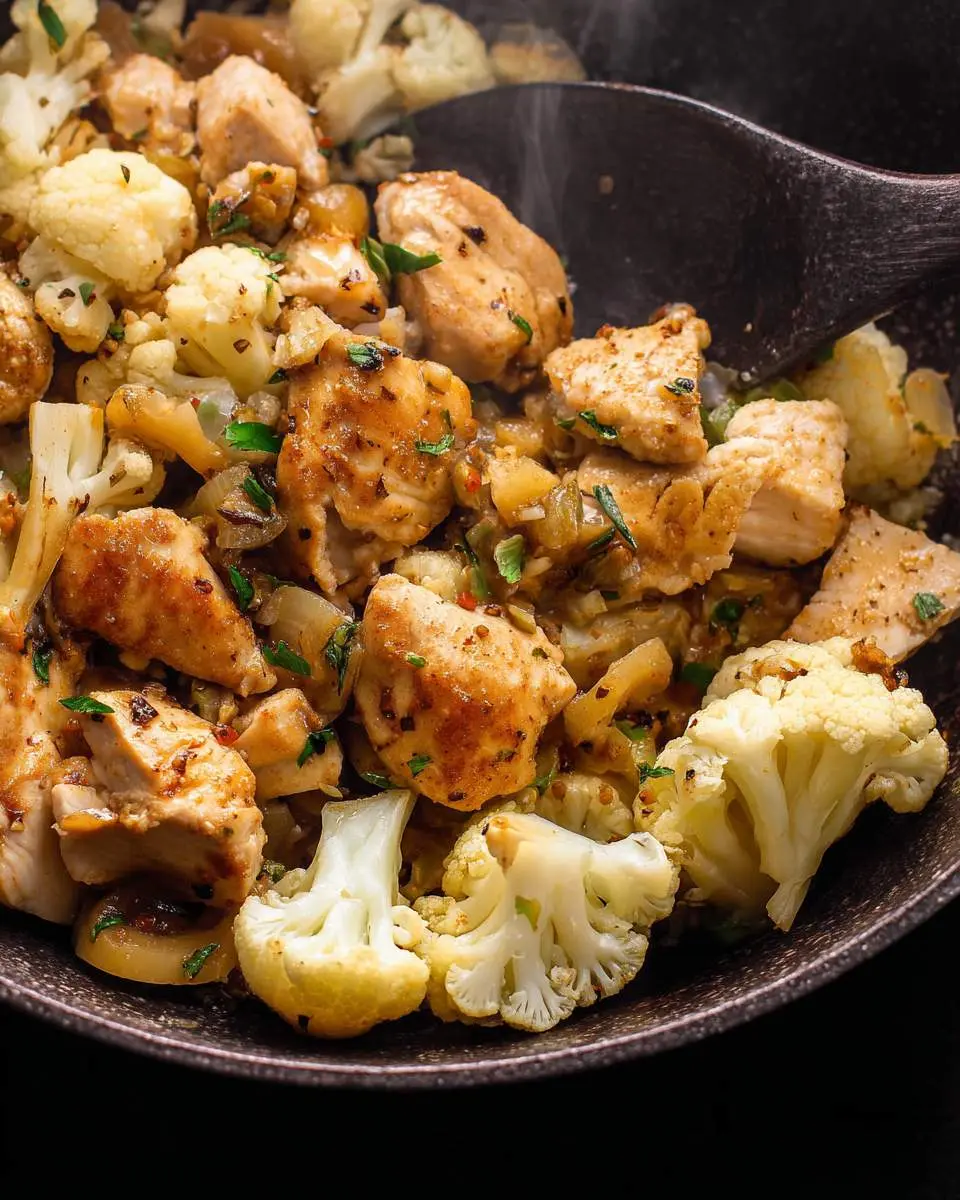

One-Pan Chicken and Cauliflower with Lemon and Capers
Ingredients
Equipment
Method
- Pat chicken thighs completely dry with paper towels. This is the difference between crispy skin and sad, rubbery skin. Mix smoked paprika, 1/2 teaspoon salt, and pepper in a small bowl, then rub all over the chicken. Let sit at room temperature while you prep the cauliflower.
- Cut cauliflower into roughly 1-inch florets. You want some flat edges - those are what get beautifully caramelized. Toss in a large bowl with 1 tablespoon olive oil, the remaining 1/2 teaspoon salt, and half the lemon zest.
- Heat the remaining 1 tablespoon olive oil in a large oven-safe skillet over medium-high heat. When it shimmers, add chicken skin-side down. Do not touch for 6-7 minutes. The skin should release easily when properly seared and be deep golden brown. Flip and cook 2 minutes more, then transfer to a plate.
- Pour off all but 1 tablespoon of fat from the pan. Add cauliflower in a single layer - work in batches if needed, crowding steams instead of roasts. Cook undisturbed for 4 minutes until starting to brown underneath. Stir, add garlic and capers, and cook 1 minute until fragrant.
- Nestle chicken skin-side up among the cauliflower. Roast at 425F for 20-25 minutes until chicken registers 165F at the thickest part and cauliflower is tender with crispy edges. If the chicken skin needs more color, broil for 2-3 minutes - watch closely.
- Transfer chicken and cauliflower to a serving platter. Drizzle with lemon juice and scatter parsley and remaining lemon zest over everything. Serve straight from the pan or piled on a platter with crusty bread to soak up the juices.
Notes
Conclusion
I make this chicken and cauliflower recipe when I need to remember that cooking doesn’t have to be complicated to be worth doing. The best meals rarely are. If you’re building a rotation of honest weeknight dinners, add this one alongside my Mediterranean chicken bowl, they share the same philosophy of simple ingredients, treated well.