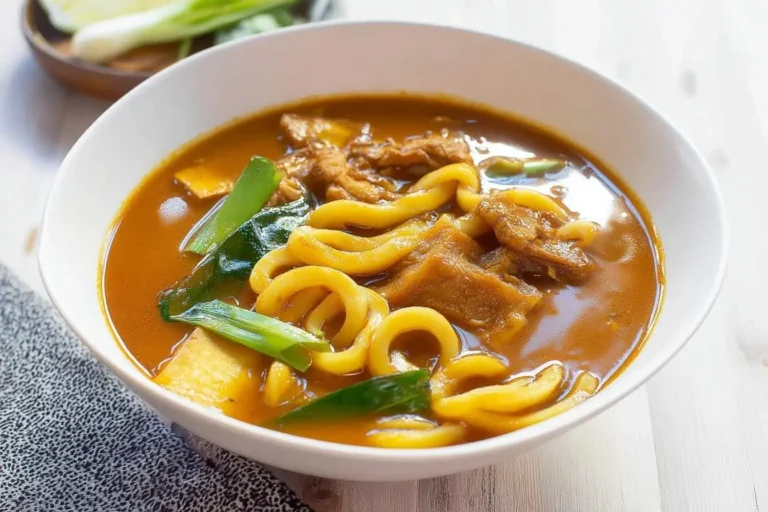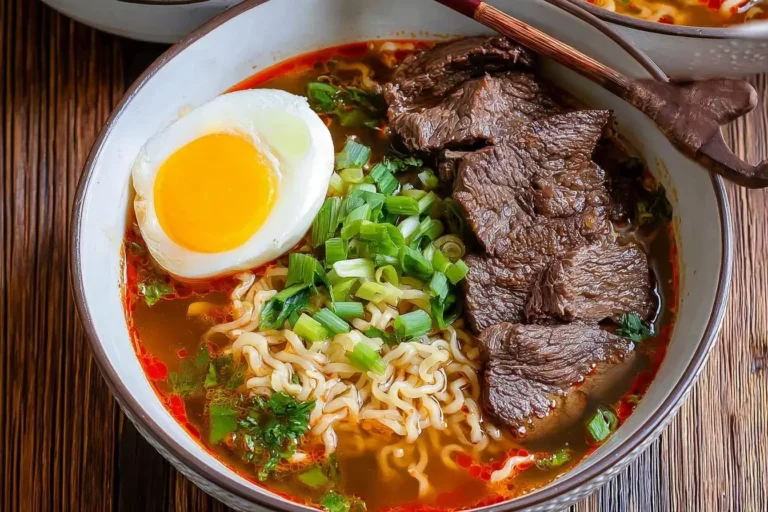
beef noodle soup
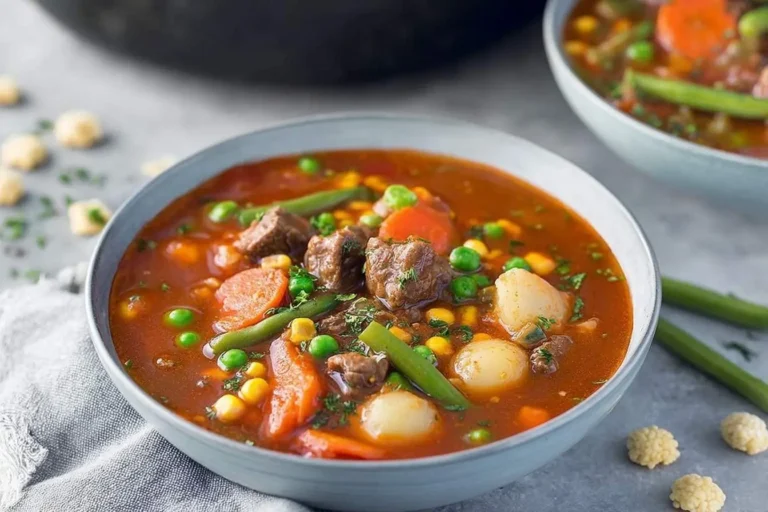
There’s a specific aroma that instantly transports me back to my family’s kitchen: the rich, fragrant steam rising from a bowl of Taiwanese beef noodle soup. It’s a scent of star anise, ginger, and deeply savory beef broth that promises warmth and comfort. This isn’t just a recipe to me; it’s a bowl of cherished memories. Every spoonful is a perfect harmony of tender, slow-braised beef, chewy noodles, and a broth that’s been lovingly simmered for hours. While I adore a classic like my vegetable beef soup, this particular soup is my ultimate comfort food.
Why This Dish is a Go-To in My Kitchen
What I love most about this recipe is how it transforms simple ingredients into something truly extraordinary. The process, while it takes time with a 160-minute cook time, is mostly hands-off. The 25-minute prep is all it takes to get everything simmering. As the beef shank and aromatics like star anise and cinnamon sticks meld together in the broth, my whole house fills with the most incredible aroma. It’s a dish that proves the best things in life are worth waiting for.
The Key Ingredients You’ll Need
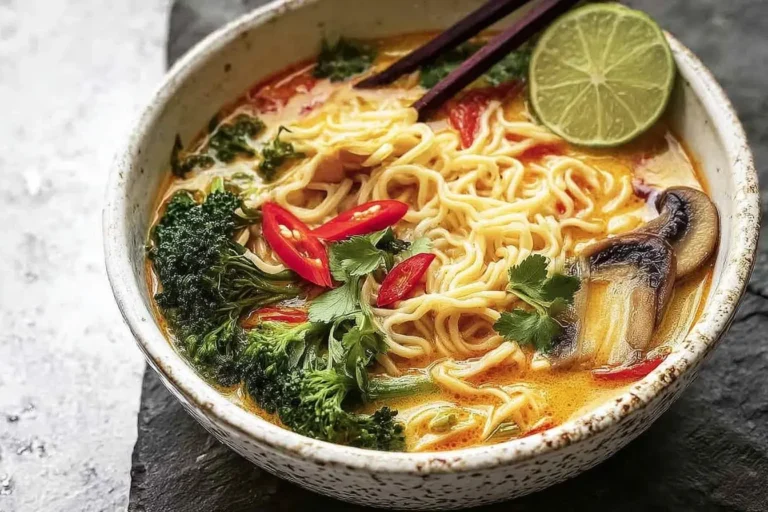
For this soup, using beef shank is my top choice; its connective tissues break down during the long simmer, resulting in incredibly tender meat. Don’t skip the Shaoxing wine, as it adds an irreplaceable, authentic depth. It’s amazing how different broths come to life with specific ingredients, much like in my favorite chicken noodle soup.


Hearty Taiwanese-Style Beef Noodle Soup
Ingredients
Equipment
Method
- Pat the beef cubes dry with paper towels and season lightly with salt and pepper. Heat the vegetable oil in a large Dutch oven or heavy-bottomed pot over medium-high heat until shimmering.
- Carefully add the beef to the pot in a single layer, being careful not to overcrowd. Sear the beef on all sides until deeply browned, about 2-3 minutes per side. Work in batches if necessary. Remove the browned beef from the pot and set aside on a plate.
- Reduce the heat to medium. Add the chopped onion, smashed garlic, and sliced ginger to the pot. Sauté for 3-4 minutes until softened and fragrant, scraping up any browned bits from the bottom of the pot.
- Add the star anise, cinnamon stick, and bay leaves. Toast the spices for about 1 minute until fragrant.
- Pour in the Shaoxing wine to deglaze the pot, scraping the bottom to release any remaining flavorful bits. Let it bubble for 30 seconds. Stir in the soy sauce, dark soy sauce, and rock sugar until the sugar is dissolved.
- Return the seared beef and any accumulated juices to the pot. Add the beef broth and the carrot chunks. Stir everything together and bring the liquid to a boil.
- Once boiling, reduce the heat to low, cover the pot, and let it simmer gently for 2.5 to 3 hours. The beef should be fall-apart tender when done. During the first 30 minutes of simmering, occasionally skim off any foam or excess fat that rises to the surface.
- Once the beef is tender, taste the broth and adjust seasoning if necessary, adding more soy sauce for saltiness or a pinch of sugar for balance. You can remove the large aromatics (star anise, cinnamon, ginger slices, bay leaves) with a slotted spoon if you prefer.
- When you are ready to serve, bring a large pot of water to a boil. Cook the noodles according to the package instructions until al dente.
- During the last 2 minutes of the noodle cooking time, add the halved baby bok choy to the pot to blanch them until they are bright green and crisp-tender. Drain the noodles and bok choy well.
- Divide the cooked noodles among 6 large serving bowls. Arrange a few pieces of the tender beef and carrots on top of the noodles in each bowl.
- Ladle the hot, aromatic broth over the beef and noodles. Place a few halves of the blanched bok choy in each bowl.
- Garnish generously with fresh cilantro and sliced scallions. Serve immediately with chili oil on the side for each person to add to their liking.
Notes
Freezing: The cooked beef and broth freeze well for up to 3 months. Thaw in the refrigerator overnight before reheating. Cook noodles fresh for best results.
How I Make Hearty Taiwanese-Style Beef Noodle Soup Step-by-Step
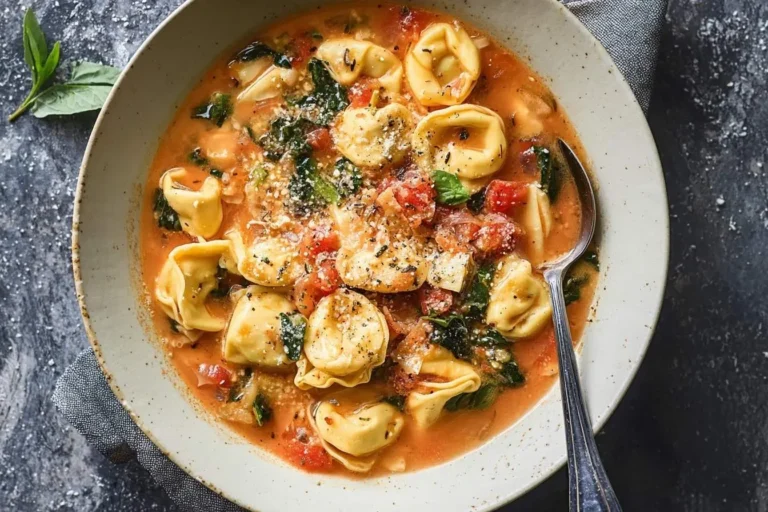
My process begins by creating a deeply flavorful foundation. I start by searing the beef to lock in all its juices, then I build the aromatic broth right in the same pot with onions, garlic, and ginger. Once the spices, soy sauce, and beef broth are in, I let it simmer for hours until the beef is fall-apart tender. It’s a method of slow-building flavor, different from quicker recipes like a stuffed pepper soup. Finally, I cook the noodles and assemble each bowl fresh.
 figure>
My Tips for the Perfect Outcome
- Blanch the Beef: I briefly boil the beef first to remove impurities for a cleaner-tasting broth.
- Toast Your Spices: Gently toasting the star anise and cinnamon stick wakes up their flavor.
- Cook Noodles Separately: Always cook noodles apart from the broth to prevent them from getting mushy.
- Don’t Skip the Sugar: Rock sugar balances the soy sauce’s saltiness, adding a subtle complexity.
How I Serve and Store This Dish
I love serving this soup piping hot, topped with fresh cilantro, sliced scallions, and a spoonful of chili oil for a little kick. Each person can customize their own bowl, which always feels special, much like setting up a toppings bar for my favorite taco soup. For leftovers, I always store the broth and beef separately from the noodles and bok choy in airtight containers in the fridge. This keeps the noodles perfectly chewy for reheating.
Frequently Asked Questions
What is the best cut of beef for this soup?
I personally prefer beef shank because the gelatinous parts break down into a wonderfully tender texture. However, a well-marbled chuck roast is a fantastic alternative that also becomes incredibly succulent after simmering for a few hours. Both choices will give you great results.
Can I make this recipe in a slow cooker or Instant Pot?
Yes, absolutely! For a slow cooker, I’d recommend cooking on low for 6-8 hours. In an Instant Pot, you can cook the broth and beef under high pressure for about 45-50 minutes, which is a great way to speed up the process.
Is there a good substitute for Shaoxing wine?
If you can’t find Shaoxing wine, a dry sherry is the best substitute. In a pinch, you could also use Japanese sake. For a non-alcoholic option, I simply replace the wine with an equal amount of additional beef broth to maintain the liquid balance.
Can I prepare the broth in advance?
Definitely! The flavor of the broth actually deepens and improves if you make it a day ahead. I often do this to make assembly easier. Just let it cool completely and store it in the fridge. When you’re ready to serve, reheat it gently.
Conclusion
This recipe holds a special place in my heart, and I truly hope it brings as much warmth and joy to your table as it does to mine. It’s more than just a meal; it’s a comforting experience. If you try it, I’d love to hear what you think!