Chinese Eggplant with Garlic Sauce
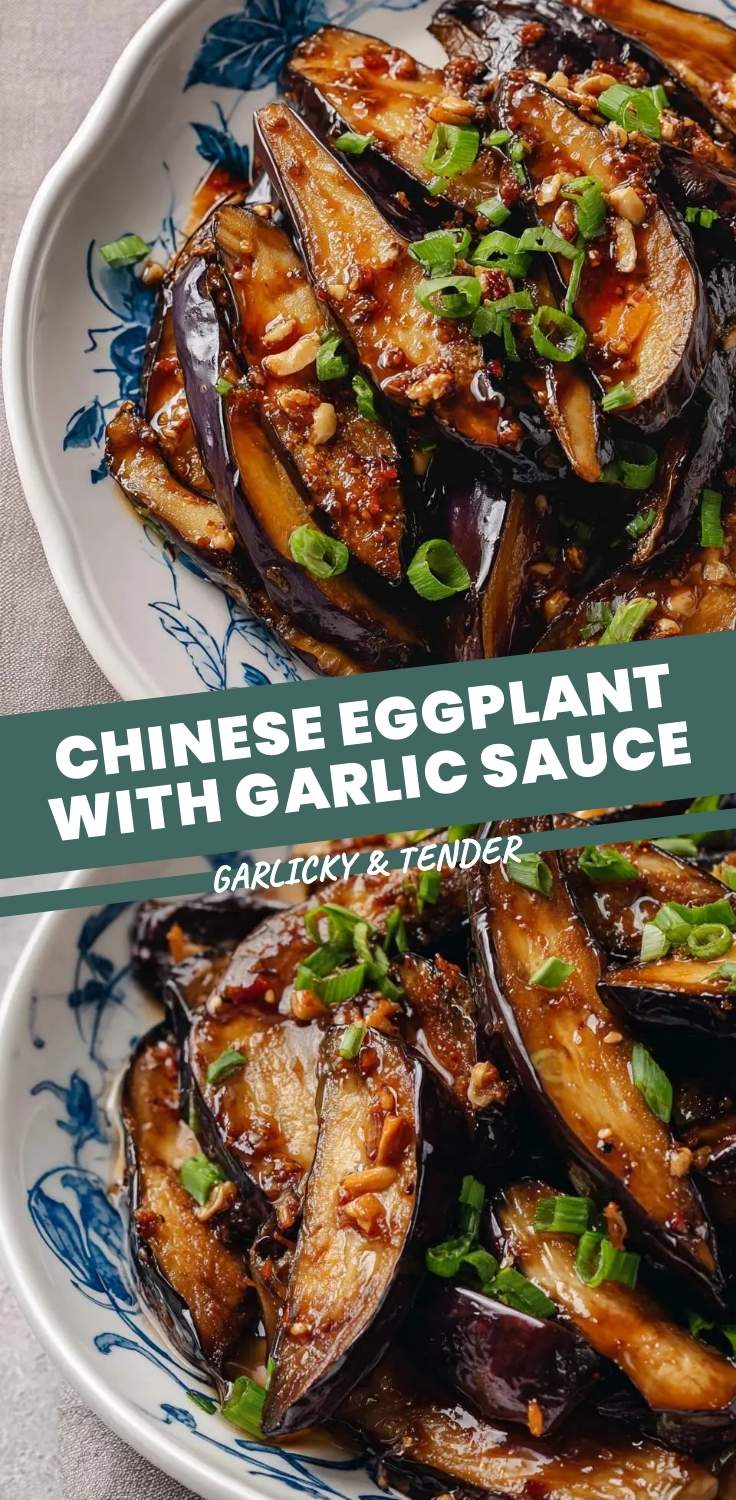
The first time I smelled Chinese Eggplant with Garlic Sauce wafting from a tiny hole-in-the-wall restaurant in Chinatown, I stopped mid-stride on the sidewalk. That aroma , blistered eggplant, caramelized garlic, something dark and savory-sweet clinging to the air , hooked me before I even tasted it. I ordered it on impulse, and fifteen minutes later I was scraping the last of the sauce from a white ceramic bowl with my spoon.
That was three years ago, and I’ve been chasing that same bowl ever since. I’ve had versions that were too greasy, too sweet, too timid with the garlic. I’ve had versions that made my eyes water in the best way, the eggplant so tender it collapsed at the poke of a chopstick. This recipe lands exactly where I want it to , bold, silky, unapologetically garlicky.
What I’ve learned is that great vegetarian cooking doesn’t need to shout. It needs to know its ingredients intimately. If you’re building a weeknight rotation of meatless dishes, my zucchini mushroom skillet has that same slow-cooked depth without the wait.
What You Need to Make This Recipe
The magic here lives in three things: Chinese eggplants, which are leaner and more tender than the globe variety you see in most supermarkets, with fewer seeds and a creamier texture once cooked; a generous handful of garlic that softens into something almost sweet as it hits the hot oil; and a sauce built on soy, black vinegar, and a touch of sugar that balances savory against a quiet tang. I keep a bottle of Chinkiang black vinegar in my pantry now solely because of this dish , it’s worth the small investment. For another weeknight favorite that leans on pantry staples in unexpected ways, these cheesy cauliflower cakes have become my go-to when I need comfort without the heaviness.
How to Make Chinese Eggplant with Garlic Sauce
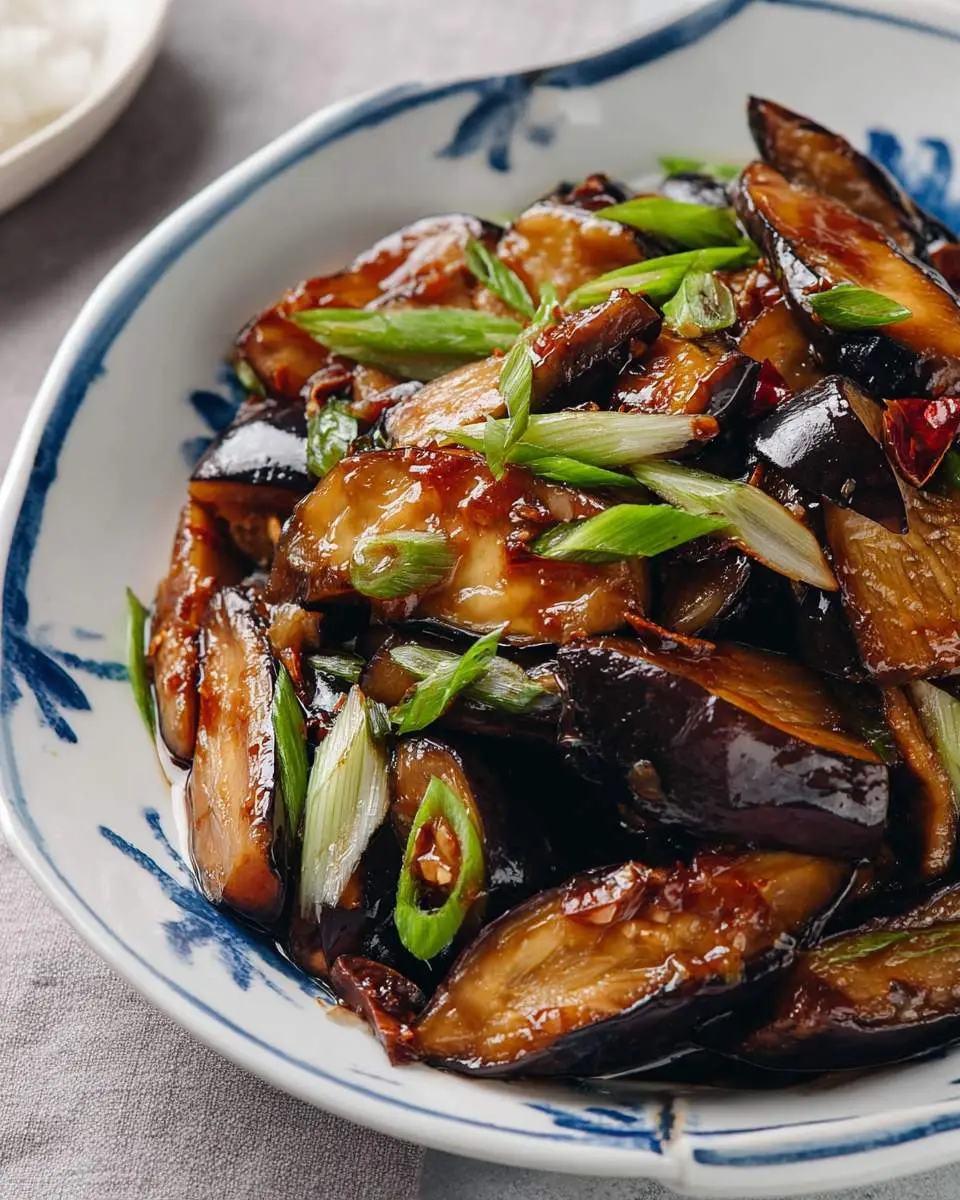
I start by cutting the eggplants into long wedges, leaving the skin on because it holds everything together once the flesh turns buttery. A quick salt rest draws out moisture , ten minutes, no more , and then I pat them dry with more care than I give most vegetables. They hit a screaming hot wok with just enough oil to coat the bottom, and the sound is immediate: a fierce sizzle that softens into a gentle hiss as the edges char and collapse.
The garlic goes in next, and this is where I stand close and watch. Thirty seconds too long and it turns acrid; thirty seconds short and you miss that mellow, almost nutty transformation. I push everything to the side, pour in the sauce, and watch it bubble and reduce into something that clings rather than pools. The eggplant drinks it up, turning from pale lavender to deep mahogany, and the kitchen smells like every good reason to cook at home. If you enjoy this kind of hands-on, transformative cooking with eggplant, my aubergines sautées à l’ail explores a completely different mood with the same vegetable.
Pro Tips
Don’t skip the salt rest, even if you’re impatient. That ten minutes of drawing out moisture is what lets the eggplant sear instead of steam in the wok. Without it, you end up with sad, oil-logged pieces that never develop that crucial caramelized edge.
Cut your eggplant pieces uniformly. I aim for wedges about the thickness of two fingers. Too thin and they disintegrate; too thick and the centers stay stubbornly firm while the outsides burn.
Let the wok recover its heat between batches. Crowding is the enemy here. I cook my eggplant in two rounds, and I wait for the oil to shimmer again each time. That sustained high heat is non-negotiable for Chinese Eggplant with Garlic Sauce.
My Secret Trick: I add a teaspoon of fermented black bean paste to the sauce, mashed fine with the back of my spoon. It disappears into the background but adds this incredible umami depth that makes people ask what your secret is.
How to Store Chinese Eggplant with Garlic Sauce
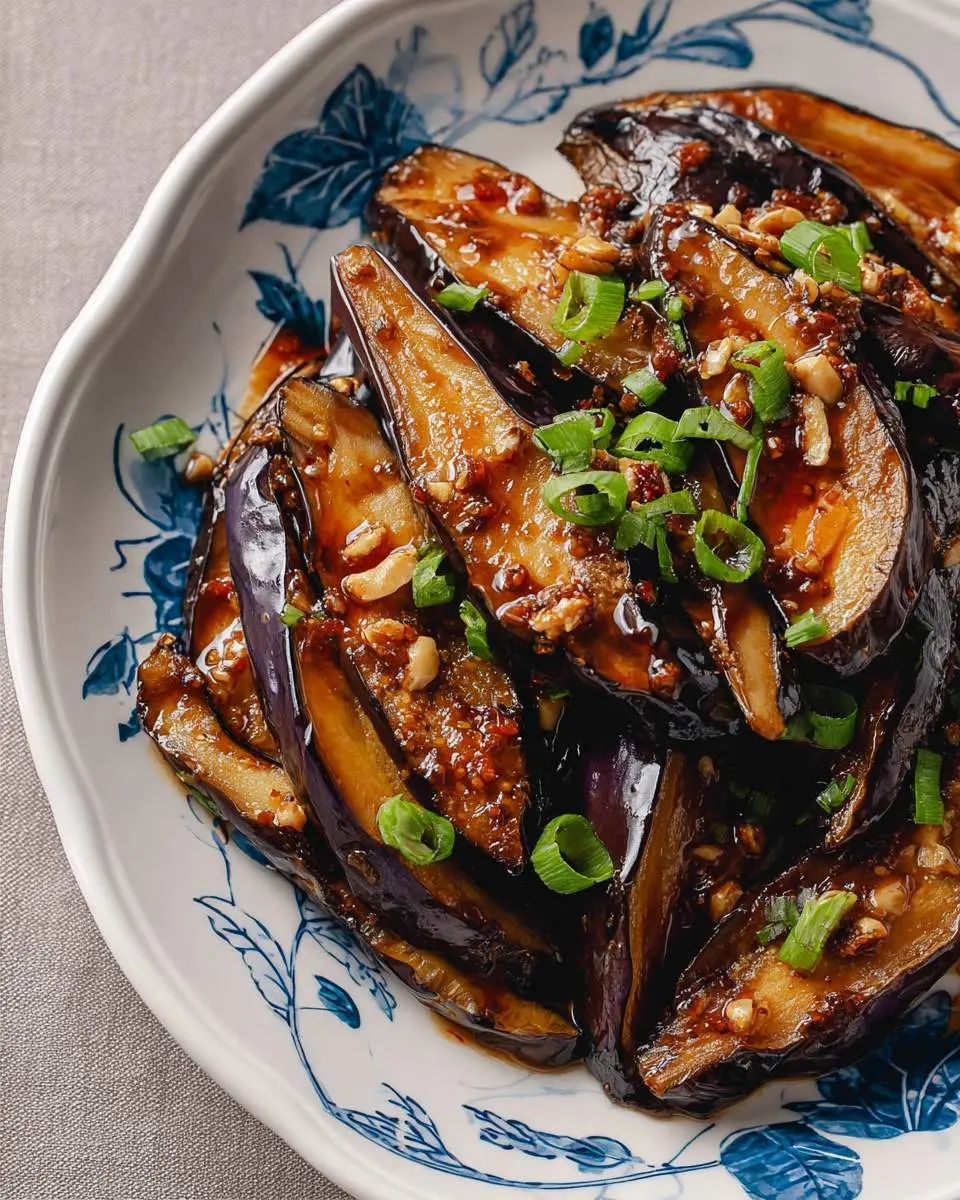
- Refrigerate in an airtight container for up to 3 days at 40°F or below
- Freezing is not recommended , the texture of cooked eggplant becomes unpleasantly spongy and weeps upon thawing
- Reheat gently in a skillet over medium-low heat with a splash of water to revive the sauce
- Microwave reheating works in 30-second bursts, but the skillet method preserves the silky texture far better
Nutritional Benefits
Chinese Eggplant with Garlic Sauce delivers genuine nourishment without trying too hard. The eggplant itself brings a meaningful dose of nasunin, that deep purple antioxidant concentrated in the skin, along with respectable fiber that keeps this feeling substantial. The garlic isn’t just flavor , those sulfur compounds that make your cutting board pungent are the same ones studied for their immune-supportive properties. This is food that satisfies on multiple levels.
FAQs
Can I use regular globe eggplant instead of Chinese eggplant?
Globe eggplant works in a pinch, but you’ll need to salt it longer and expect a firmer, more seed-heavy texture. Chinese eggplant’s thinner skin and sweeter flesh are genuinely worth seeking out at Asian markets.
Why does my eggplant turn out greasy and heavy?
Your oil was likely too cool or your pan too crowded. Moisture-rich eggplant soaks up oil like a sponge when it steams instead of sears. Pat dry thoroughly and cook in batches with real heat.
Is this dish very spicy?
Not inherently , the heat level is entirely in your control. I add one dried chili for subtle warmth, but you can increase to several or omit completely without losing the essential character of the dish.
What should I serve with Chinese Eggplant with Garlic Sauce?
Steamed jasmine rice is non-negotiable for me , it catches every drop of that glossy sauce. A simple cucumber salad with black vinegar makes an excellent cooling contrast alongside.
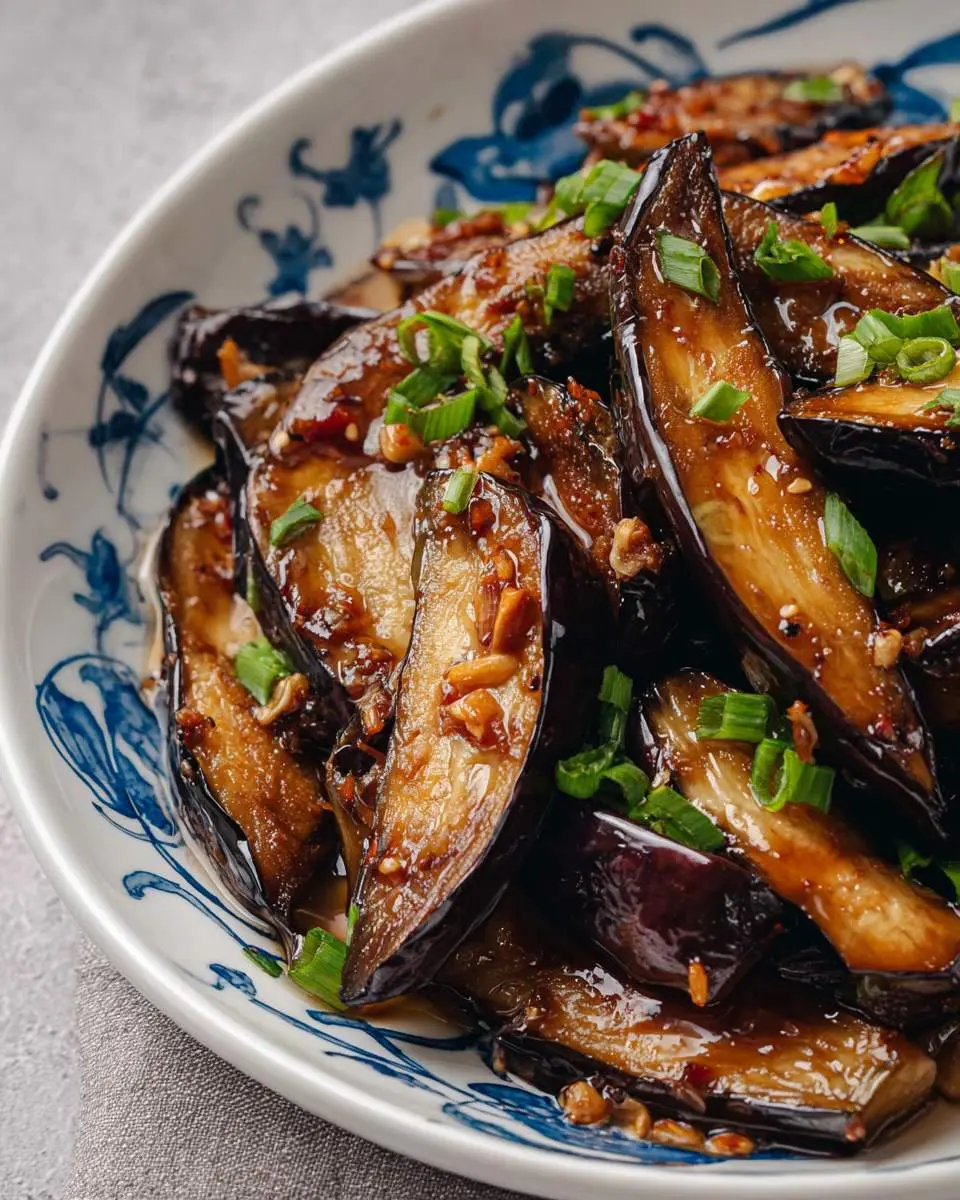

Chinese Eggplant with Garlic Sauce
Ingredients
Equipment
Method
- Toss eggplant batons with salt in a colander and let drain for 15 minutes. This draws out moisture so the eggplant sears instead of steaming. Pat very dry with paper towels.
- In a small bowl, whisk together soy sauce, black vinegar, Shaoxing wine, sugar, cornstarch, and water until smooth. Set near the stove.
- Heat 2 tablespoons oil in a wok or large skillet over medium-high heat until shimmering. Add half the eggplant in a single layer and cook undisturbed for 3 to 4 minutes until deeply browned on one side. Flip and cook 2 minutes more until tender. Transfer to a plate. Repeat with remaining 1 tablespoon oil and remaining eggplant.
- Return all eggplant to the pan. Push to one side, add garlic, ginger, white parts of scallions, and dried chiles if using. Stir-fry 30 seconds until fragrant.
- Pour in the sauce mixture and toss everything together. Cook 1 to 2 minutes until the sauce thickens and clings to the eggplant. Remove from heat, stir in sesame oil and scallion greens. Serve immediately over steamed rice.
Notes
Conclusion
This Chinese Eggplant with Garlic Sauce has earned its place in my permanent rotation , the kind of recipe I turn to when I want to feel capable and comforted in the same hour. If you’re eggplant-curious but need another gateway, my roasted eggplant pasta approaches the vegetable from a completely different angle with equally satisfying results. Cook this soon. Your kitchen will smell like somewhere you want to be.