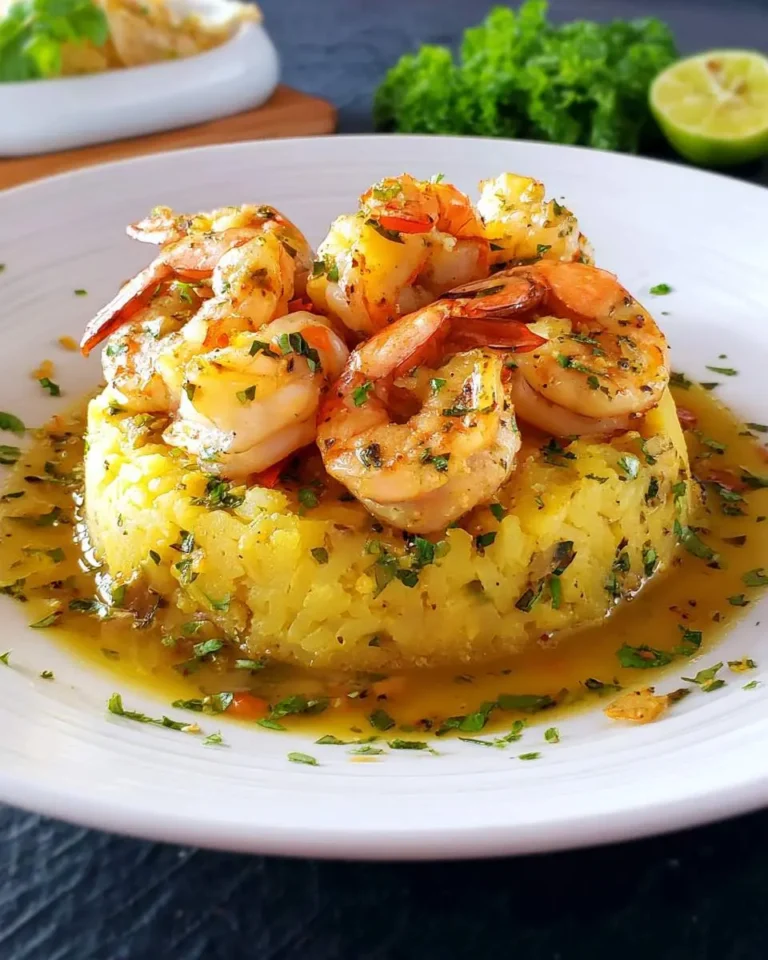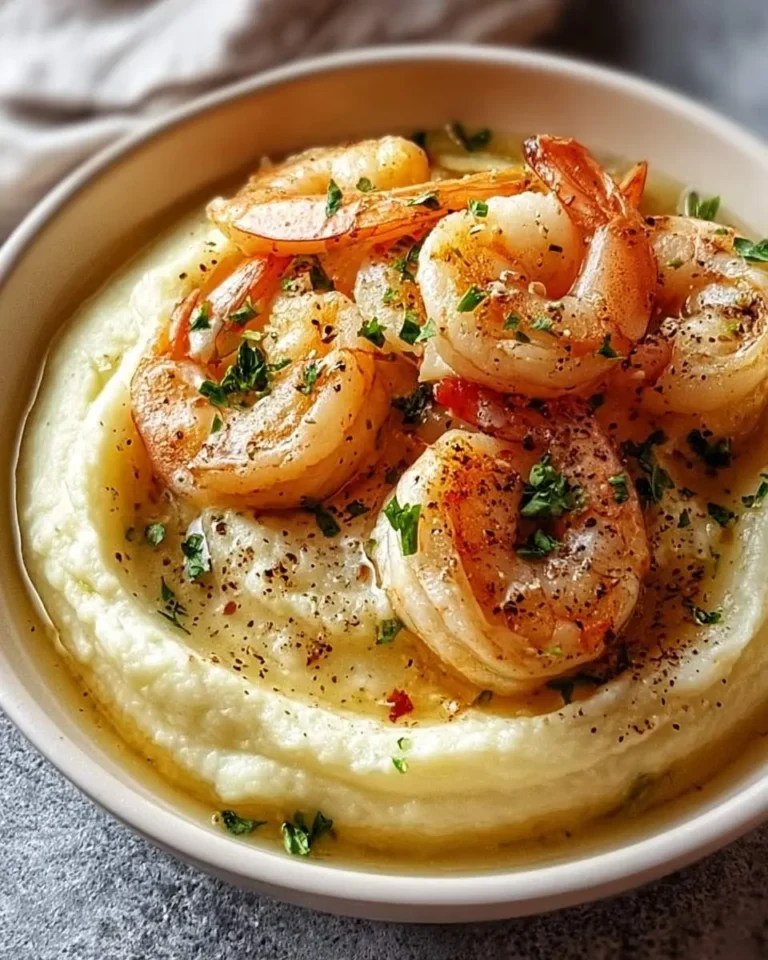
Coconut Curry Salmon
The first time I smelled coconut milk hitting a hot pan with curry paste, I was standing in my tiny kitchen with rain pounding the windows. That warm, fragrant steam wrapped around me like a blanket, and I knew whatever came next would be special. That night, I made Coconut Curry Salmon for the first time, and it turned a gloomy Tuesday into something I still think about.
My grandmother never cooked with coconut milk. She was strictly butter and cream, Midwest through and through. But she did teach me that the best meals come from trusting your nose. When this sauce starts bubbling and the turmeric stains the oil that beautiful gold, I feel her looking over my shoulder, probably skeptical but curious.
This dish has become my reset button after long weeks. If you need another bright, no-cook option for hot summer nights, my avocado shrimp ceviche hits the same comfort note with zero stove time.
What You Need to Make This Recipe
The salmon matters more than you’d think. I splurge on center-cut fillets with good fat lines, because that richness stands up to bold curry instead of disappearing. Full-fat coconut milk is non-negotiable , the light stuff separates into sadness and water, and you need that silky body to carry the spices. Fresh ginger and garlic, grated on a microplane, melt into the base and give Coconut Curry Salmon its backbone of real heat and brightness. For another hands-off salmon dinner, my salmon potatoes and asparagus sheet pan dinner uses the same quality fish to completely different effect.
How to Make Coconut Curry Salmon
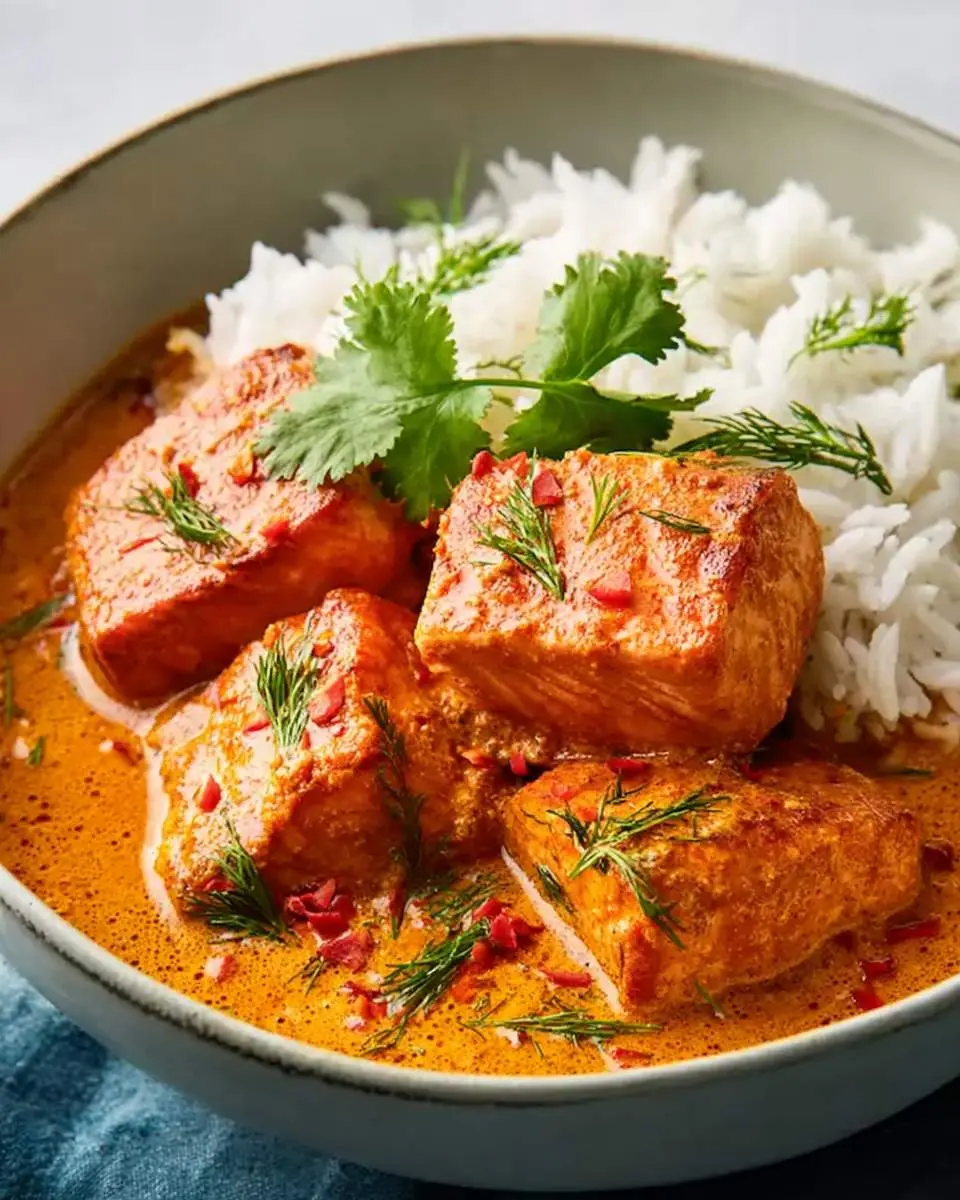
I start by patting the salmon dry and letting it sit on the counter while I build the sauce. Cold fish seizes in a hot pan, and I’ve learned that patience here pays off. The aromatics go into oil that’s just starting to shimmer , ginger first, then garlic, then the curry paste. That thirty seconds where the paste fries in the oil is everything. The kitchen fills with this toasty, almost nutty smell, and the color deepens from bright orange to something more serious.
Coconut milk goes in next, and I whisk until the paste dissolves completely. The sauce simmers gently, never boiling, while I sear the salmon skin-side down. That crackle when the skin hits the pan is deeply satisfying. I spoon the hot sauce over the fillets as they cook, basting the tops so they stay moist. The fish is done when it barely resists a gentle press and flakes in thick, opaque layers. If coconut and seafood is your happy place, my garlic shrimp in coconut milk uses the same technique with a completely different protein.
Pro Tips
Let your curry paste bloom in the oil for a full minute before adding liquid. Raw curry paste tastes flat and harsh; fried, it becomes complex and deeply savory. This one step transforms the entire dish.
Spoon the sauce over the salmon as it sears, not just at the end. The hot coconut curry cooks the top gently while the pan handles the bottom, giving you even doneness without flipping and breaking the fillet.
Rest the salmon for three minutes off the heat. The flesh tightens slightly and holds together when you cut into it, instead of falling into sad flakes on the plate.
My Secret Trick: I stir a teaspoon of fish sauce into the coconut milk right at the end. It disappears completely into the background, but adds this subtle depth that makes people ask what your secret is. It doesn’t taste fishy , it tastes complete.
How to Store Coconut Curry Salmon
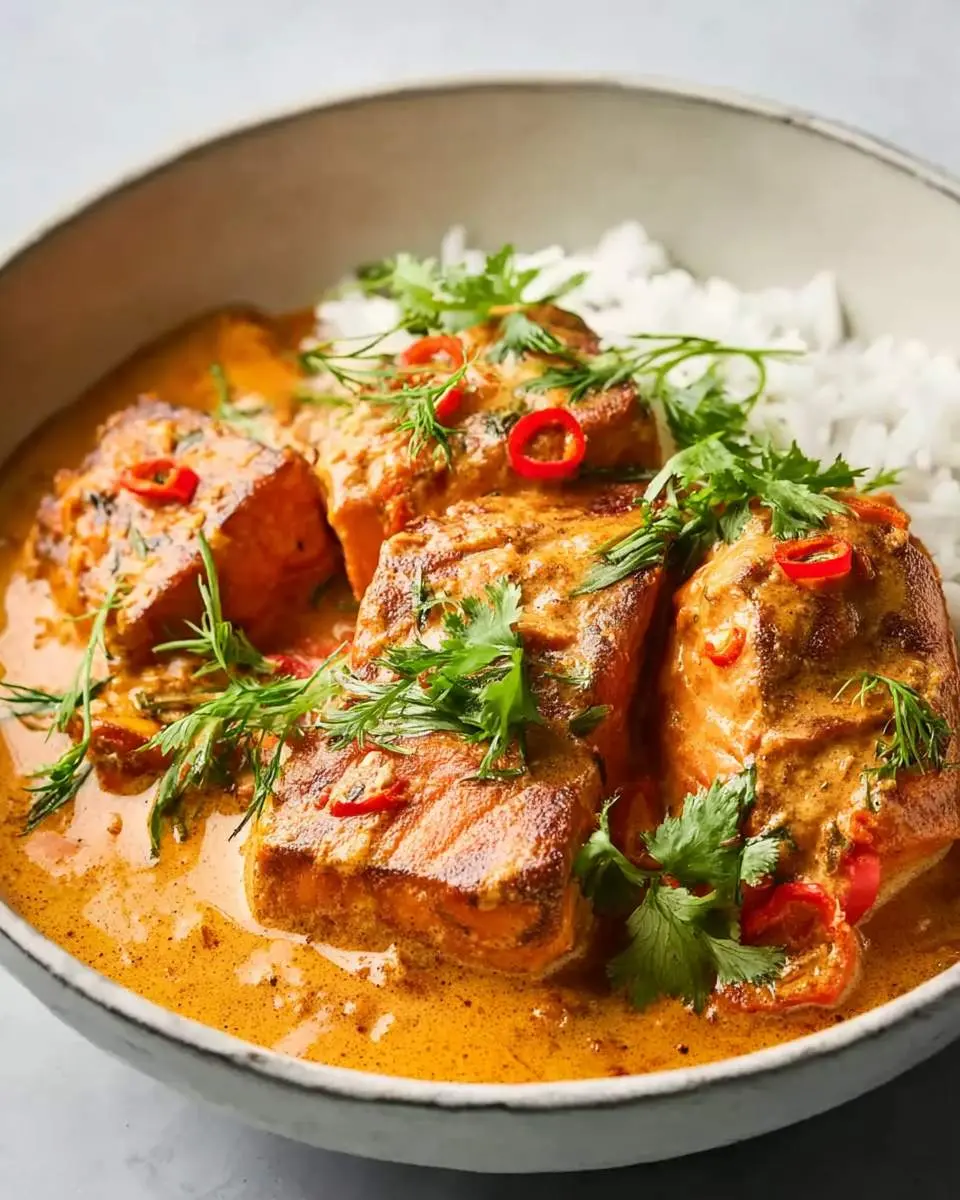
- Refrigerate in an airtight glass container for up to 3 days at 40°F or below. The salmon stays moist if you store it submerged in the sauce.
- Freeze the sauce separately from the salmon for best texture. The fish becomes slightly rubbery after freezing, though still edible. Freeze sauce up to 2 months in a freezer bag with air pressed out.
- Reheat gently in a covered skillet over medium-low heat with a splash of water or extra coconut milk. Microwaving in 30-second bursts works in emergencies, but the texture suffers. Never exceed 165°F internal temperature or the salmon turns dry.
Nutritional Benefits
Coconut Curry Salmon delivers real omega-3s from wild-caught fillets, the kind my doctor keeps mentioning for heart health. The turmeric in good curry paste contains curcumin, and while I’m no scientist, I notice my joints feel less cranky when I cook with it regularly. The coconut milk provides lauric acid, and together with the anti-inflammatory spices, this is food that actually makes me feel good the next day, not just while I’m eating it.
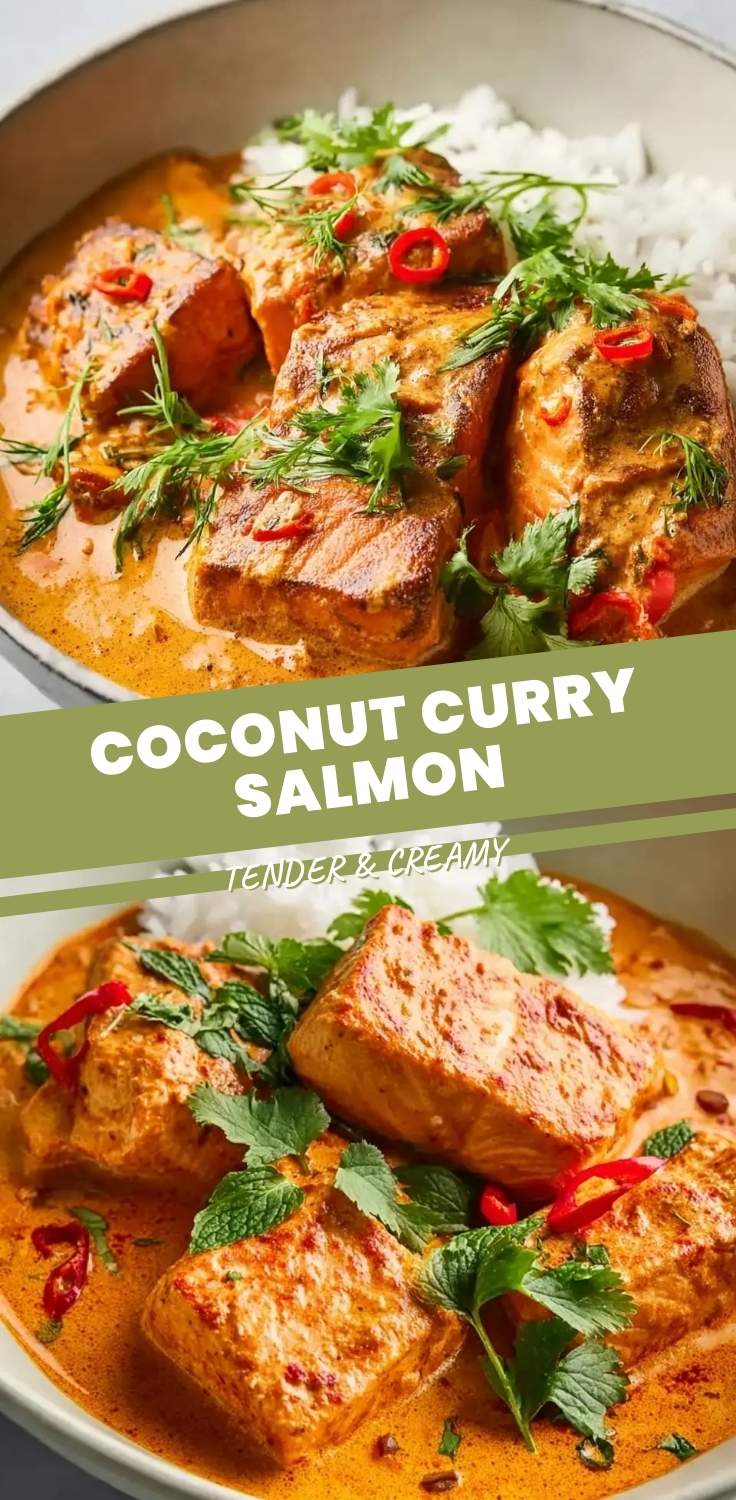
FAQs
Can I use light coconut milk instead of full-fat?
Light coconut milk separates and lacks the richness to carry the spices. The sauce turns thin and watery instead of coating the salmon luxuriously. Full-fat is worth the extra calories for the texture alone.
What type of curry paste works best?
Red curry paste is my go-to for Coconut Curry Salmon because its heat and sweetness balance the rich fish. Massaman works for a milder, nuttier version. Green curry clashes slightly with salmon’s flavor profile.
How do I know when the salmon is cooked through?
Press gently with your finger , the flesh should flake into distinct layers with slight resistance. An instant-read thermometer should read 125°F for medium, 145°F for fully cooked. I pull mine at 130°F and let carryover finish the job.
Can I make the sauce ahead of time?
The sauce actually improves after a day in the refrigerator as the flavors meld. Store it separately and reheat gently while you sear fresh salmon. This makes weeknight assembly incredibly fast.
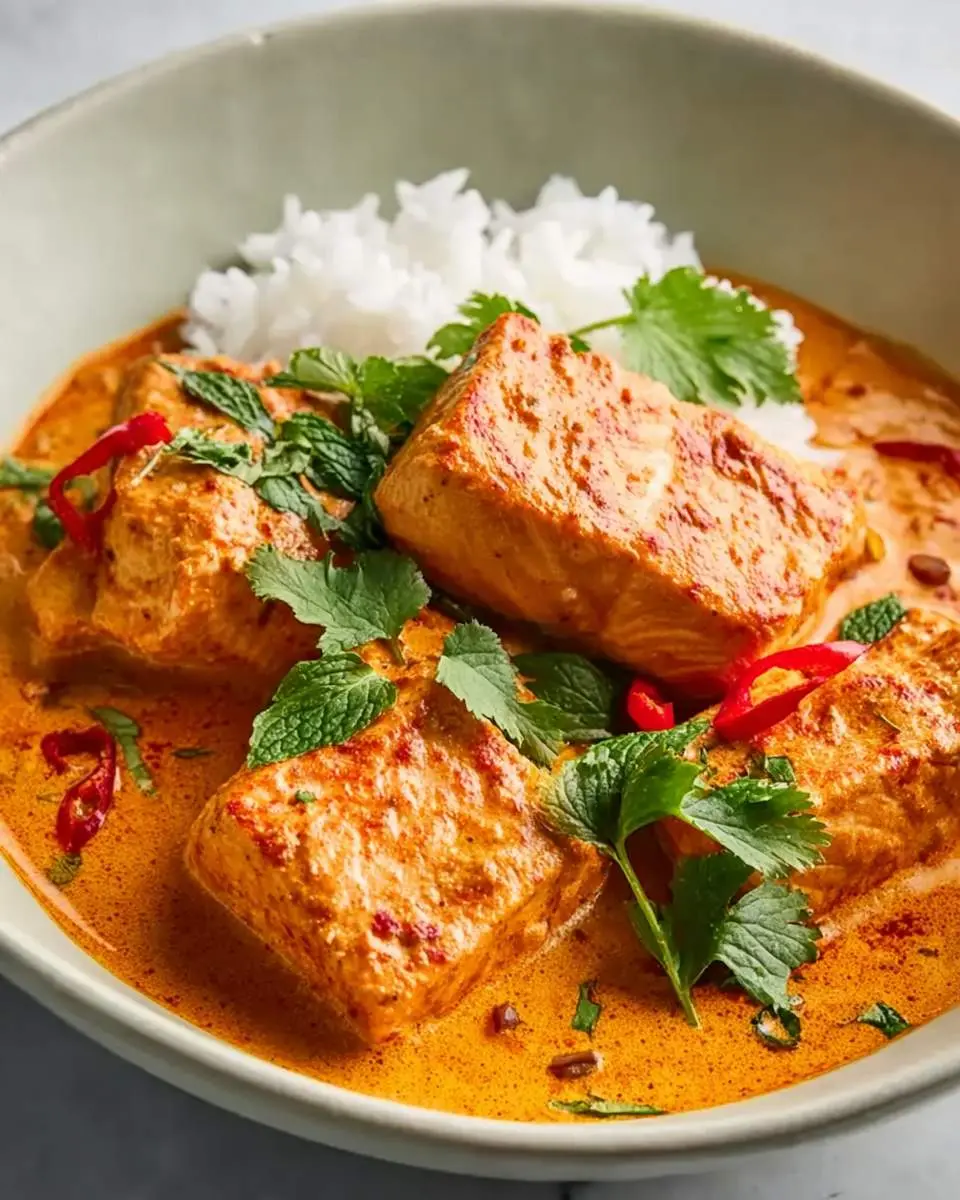

Coconut Curry Salmon
Ingredients
Equipment
Method
- Pat salmon fillets dry with paper towels. Season all over with 1/2 teaspoon salt and the black pepper. Let sit at room temperature while you prep the aromatics.
- Heat oil in a large skillet over medium-high heat until shimmering. Add salmon skin-side up (or presentation-side down if skinless) and cook without moving until a golden crust forms, 3 to 4 minutes. Flip and cook 1 minute more just to set the second side. Transfer to a plate - the salmon will finish cooking in the sauce.
- Reduce heat to medium. Add shallot to the same skillet and cook, stirring occasionally, until softened and just starting to turn golden at the edges, 3 to 4 minutes. Add garlic and ginger; cook until fragrant, about 30 seconds.
- Add red curry paste and cook, mashing and stirring constantly, until it darkens slightly and smells toasted, 1 to 2 minutes. This step unlocks the depth of flavor - do not rush it.
- Pour in coconut milk and stir to combine, scraping up any browned bits from the pan. Add fish sauce, brown sugar, lime zest, and remaining 1/4 teaspoon salt. Bring to a gentle simmer and cook for 5 minutes to thicken slightly and meld the flavors.
- Nestle salmon into the sauce, spooning some over the top. Cover and simmer gently until salmon is just cooked through and flakes easily with a fork, 5 to 7 minutes depending on thickness. An instant-read thermometer should read 125F for medium or 130F for medium-well.
- Remove from heat and stir in lime juice. Taste and adjust seasoning - you want a balance of rich, salty, tangy, and slightly sweet. Serve over jasmine rice, spooning plenty of sauce over each portion. Top with cilantro.
Notes
Conclusion
Coconut Curry Salmon taught me that comfort food doesn’t have to be heavy or predictable. Some nights I make it when I need to feel capable and calm, and other nights just because I can’t stop thinking about that first bite of silky sauce and buttery fish. However you land here, I hope it becomes your reset button too. For another salmon obsession, try my honey garlic salmon bites , they’re what I make when I need to feed a crowd fast.