Cold Peanut Noodle Salad
The first time I tasted peanut sauce cold over noodles, I was standing in my tiny apartment kitchen with the window cracked open, summer humidity curling the edges of my cookbook. I had made a cold peanut noodle salad on a whim, certain it would be too heavy for August. One bite in, I stood there in my socks, fork halfway to my mouth, wondering where this dish had been all my life.
My grandmother used to make peanut butter sandwiches with extra salt and a drizzle of honey, and that memory hit me the moment the sauce coated my tongue. It was comfort and surprise at once, familiar enough to feel like home but different enough to wake me up.
I have chased that feeling in salads ever since. This version came together after a trip to my favorite Asian market, and it reminds me of that sesame chicken cabbage crunch salad I fell for last spring , both have that same addictive crunch that keeps you going back for more.
What You Need to Make This Recipe
The noodles matter more than you might think. I use thin wheat noodles that grab the sauce in their ridges, never clumping together into a solid mass. Fresh ginger is non-negotiable , the jarred stuff tastes flat and one-note, while a knob of the real thing gives the dressing a gentle heat that builds as you eat. Creamy natural peanut butter, the kind where the oil separates, creates a sauce that clings instead of sliding off. I learned this balance from my Asian chopped salad experiments, where the dressing makes or breaks the whole bowl. Rice vinegar cuts through the richness, and a splash of toasted sesame oil at the end pulls everything into focus. This cold peanut noodle salad comes alive because of these details, not despite them.
How to Make Cold Peanut Noodle Salad
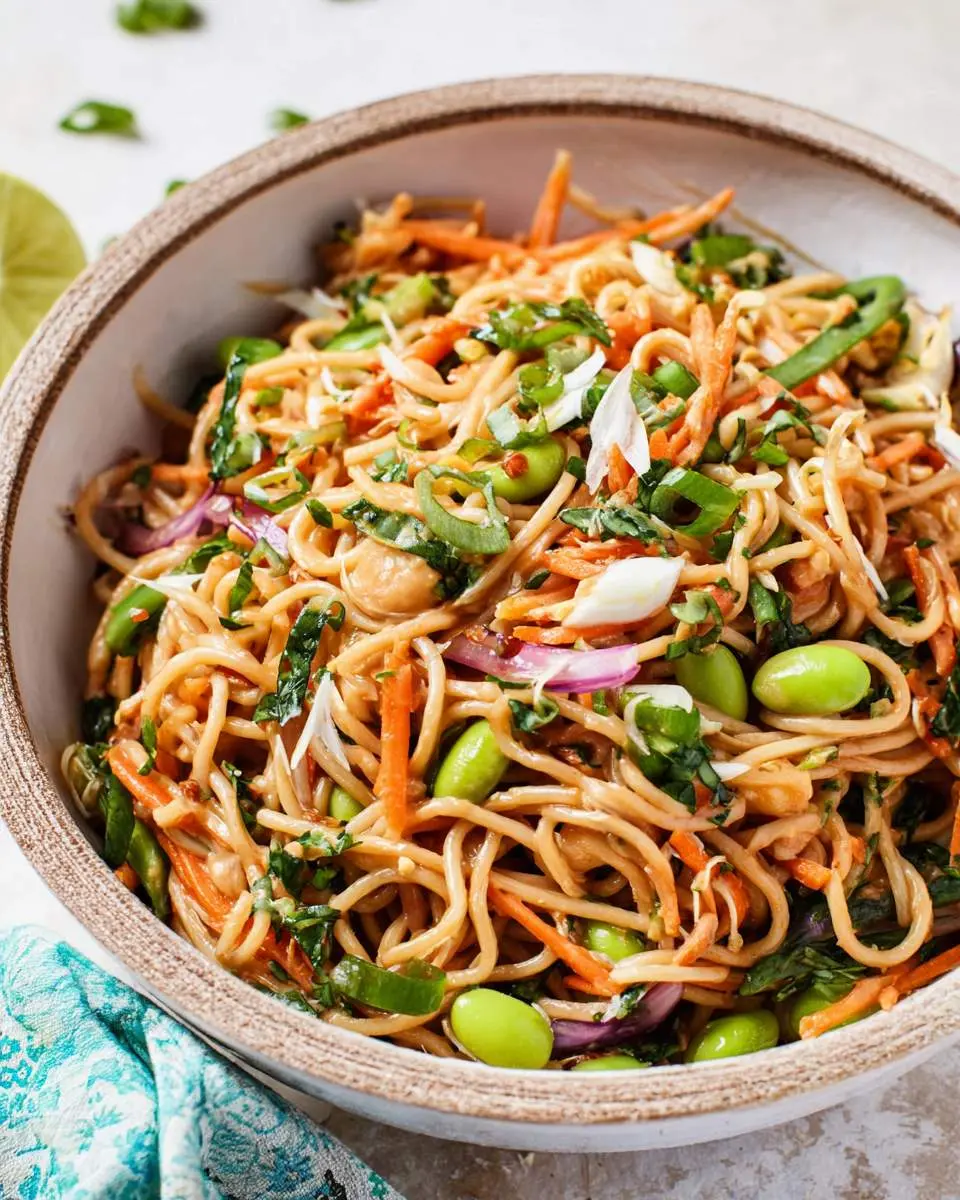
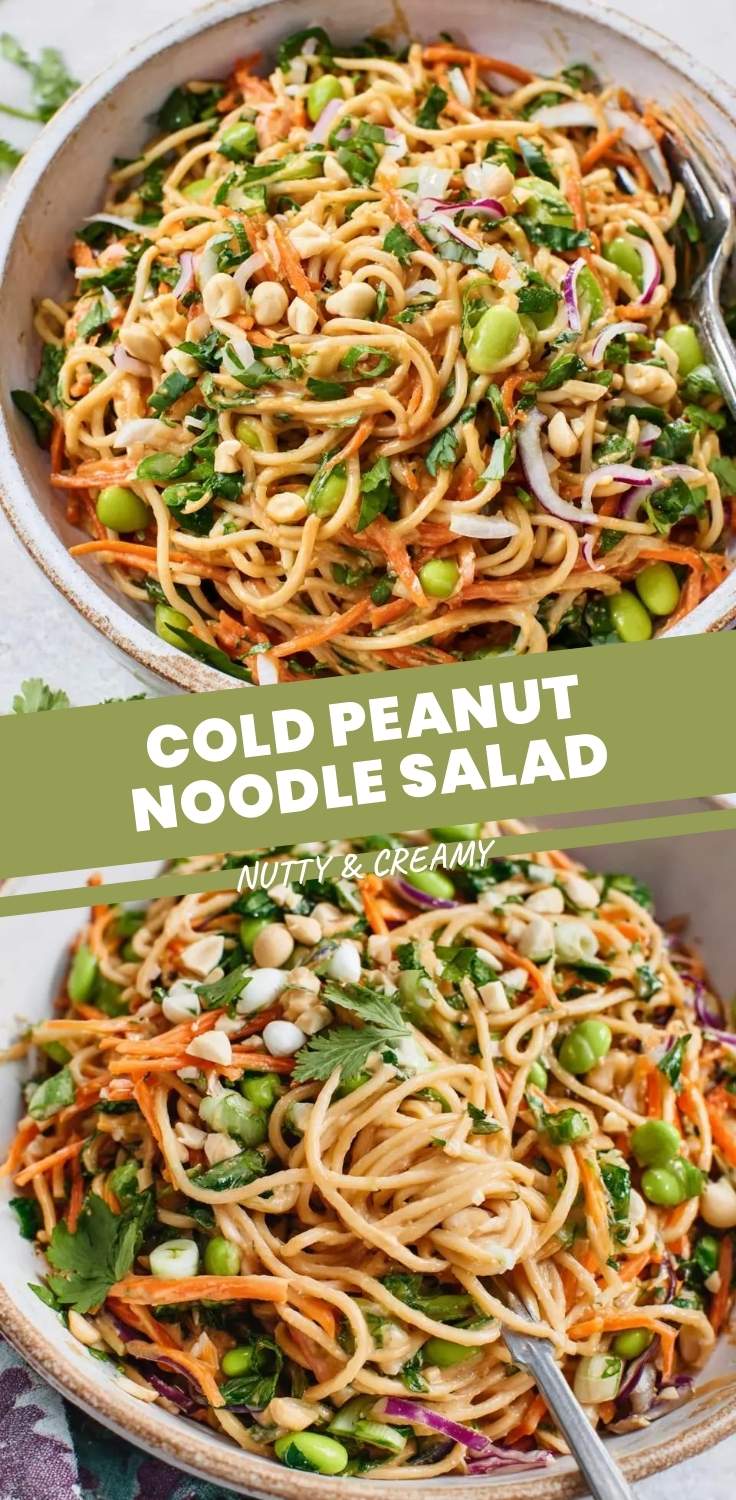
I start by whisking the sauce while the water comes to a boil, watching the peanut butter slowly surrender to the warm water and soy sauce until it turns silky and pourable. The kitchen fills with the smell of toasted sesame and sharp ginger, and I always end up tasting three times before the noodles are even ready. I cook the noodles a full minute past al dente , they firm up as they cool, and nobody wants a chewy center in a cold dish. The cold water rinse is where patience pays off. I run my fingers through the strands, separating them while the temperature drops, feeling when they go from warm and sticky to cool and slippery. The vegetables hit the bowl last: julienned cucumber for crunch, thin-sliced red bell pepper for sweetness, scallions scattered like green confetti. I toss everything with my hands, the sauce coating each strand unevenly in the best way, some bites more peanut-forward, others brighter with vinegar. It reminds me of the technique I perfected with my soba noodle salad, where the dressing application makes all the difference between good and unforgettable.
Pro Tips
My Secret Trick: I reserve a quarter cup of the starchy noodle cooking water and whisk it into the peanut sauce while both are still warm. The starch acts like a natural emulsifier, keeping the sauce from breaking into oily separation once it hits the cold noodles.
Always salt your cucumber strips and let them drain in a colander for ten minutes before adding them to the bowl. Otherwise, they weep moisture into the finished salad and turn your creamy dressing watery within an hour.
Toast your peanuts in a dry skillet until they smell like popcorn, even if the recipe says raw. The heat unlocks oils that make every bite taste deeper, more intentional, more like something you would pay for at a restaurant.
Make the sauce thicker than you think you need. Cold temperatures dull flavors and tighten textures, and a dressing that tastes perfect warm will taste thin once it is chilled into a cold peanut noodle salad.
How to Store Cold Peanut Noodle Salad
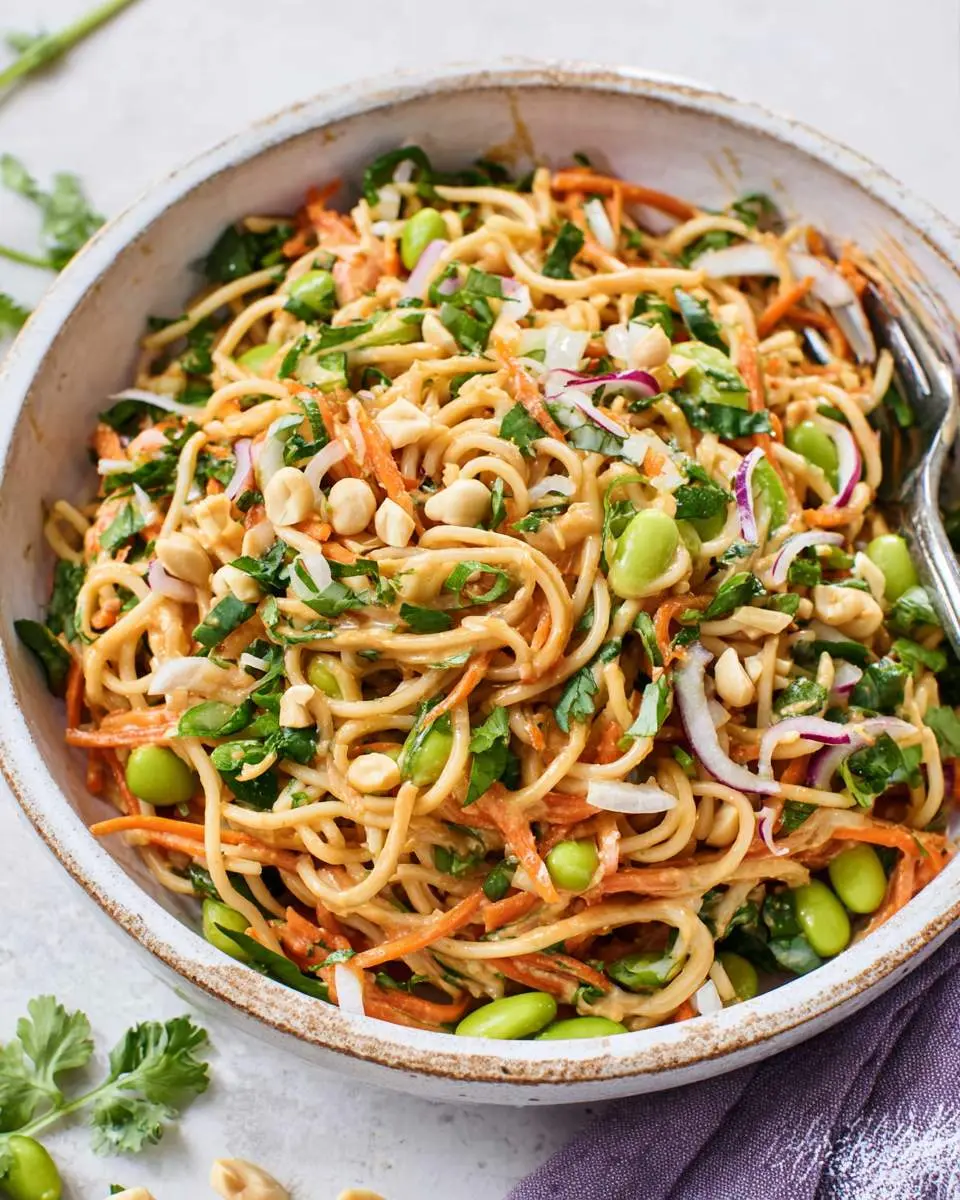
- Refrigerate in an airtight glass container for up to 3 days; plastic absorbs the garlic and sesame odors permanently.
- Store sauce and noodles separately if making ahead; combine within 2 hours of serving for the best texture.
- Do not freeze; the cucumber turns mushy and the peanut sauce separates into grainy layers upon thawing.
- To refresh leftovers, let sit at room temperature for 15 minutes, then toss with 1 teaspoon of warm water and a fresh squeeze of lime juice.
Nutritional Benefits
This cold peanut noodle salad delivers real sustenance without the afternoon slump I get from heavier meals. The peanut butter provides plant-based protein and heart-healthy unsaturated fats that keep me full for hours, while the raw vegetables contribute fiber and vitamin C that survive the minimal processing. I notice the difference on days when I eat this for lunch versus something from a takeout container , my energy stays steady, and I am not hunting for a snack at three o’clock.
FAQs
Can I use spaghetti instead of Asian wheat noodles?
Spaghetti works in a pinch, but the texture differs. Asian wheat noodles have a springier bite and more surface texture for sauce to cling to. Cook them slightly past al dente for the closest match.
How do I make this peanut noodle salad gluten-free?
Swap the wheat noodles for rice vermicelli or certified gluten-free soba. Use tamari instead of soy sauce, and check that your peanut butter has no added malt flavoring.
What protein can I add to make this a full meal?
Shredded rotisserie chicken, baked tofu cubes, or chilled shrimp all work beautifully. Add them cold after the noodles have cooled completely to prevent overcooking the protein.
Why does my peanut sauce get thick and clumpy when cold?
This cold peanut noodle salad needs room-temperature sauce for easy tossing. Cold peanut butter firms up, so let your sauce sit out for twenty minutes or thin it with warm water before combining with chilled noodles.

Cold Peanut Noodle Salad
Ingredients
Equipment
Method
- Bring a large pot of salted water to a boil. Cook noodles according to package directions until just tender, usually 6-8 minutes for Chinese noodles or 10-12 minutes for spaghetti. Drain immediately and rinse under cold running water until completely cool, tossing with your hands to prevent sticking. Drain well and transfer to a large bowl. Drizzle with sesame oil and toss to coat. This stops clumping and adds subtle flavor.
- In a medium bowl, whisk together peanut butter, soy sauce, rice vinegar, lime juice, honey, garlic, and ginger until smooth. The mixture will be thick at first. Add warm water 1 tablespoon at a time, whisking until the sauce is pourable but still coats the back of a spoon. Taste and adjust - more lime for brightness, more honey for sweetness, more soy for salt. You want a bold, balanced flavor that will mellow slightly when chilled.
- While noodles cool, prep your vegetables. Slice the bell pepper into thin strips about 2 inches long. Julienne the cucumber into matchsticks, removing seeds if watery. Shred carrots on the large holes of a box grater or cut into fine matchsticks. Thinly slice the scallions, keeping white and green parts in separate piles. The vegetables should be crisp and uniform so they distribute evenly and eat well cold.
- Add the bell pepper, cucumber, carrots, and white parts of scallions to the cooled noodles. Pour about three-quarters of the peanut sauce over the top. Use tongs to toss thoroughly, lifting from the bottom to ensure every strand is coated. The noodles will absorb sauce as they sit, so go slightly heavier than you think. Reserve remaining sauce for serving.
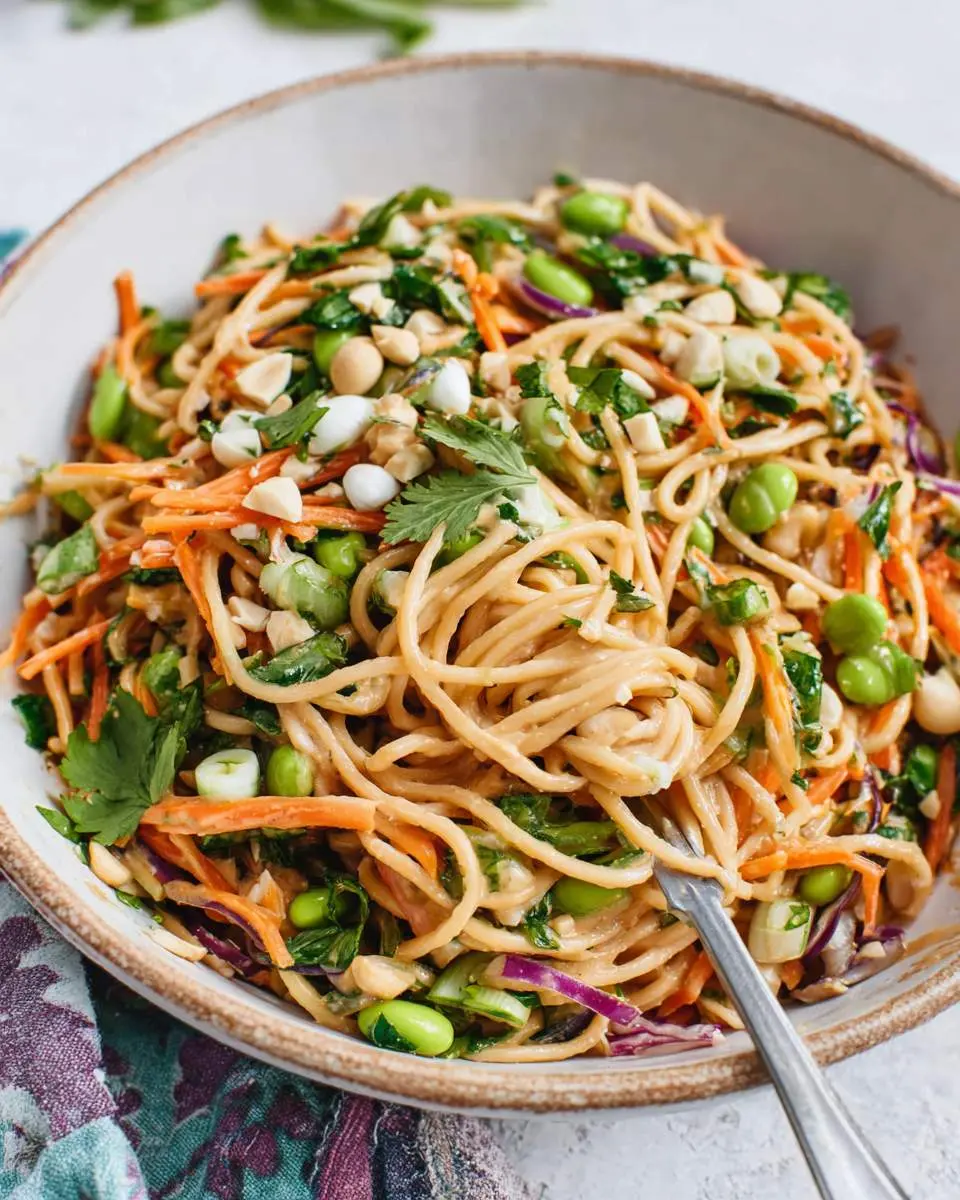
- Cover and refrigerate for at least 30 minutes, or up to 4 hours. Cold temperatures firm the noodles and let flavors meld. Before serving, toss again and add a splash of reserved sauce if the salad looks dry. Transfer to a serving bowl or individual plates. Top with green scallions, chopped peanuts, cilantro, and sesame seeds if using. Serve cold with lime wedges on the side.
Notes
Conclusion
I make this cold peanut noodle salad when the heat makes my kitchen feel like a sauna and standing at the stove sounds like punishment. It never fails to surprise people who think peanut sauce belongs only in hot dishes. If you are craving more of that savory-crunchy magic, my spicy peanut cucumber salad hits a similar note with even less effort. Make it once, and you will understand why I keep ginger in my freezer at all times.