Corned Beef and Cabbage
My St. Patrick’s Day wouldn’t be complete without a truly heartwarming plate of Corned Beef and Cabbage. There’s just something about the tender, savory beef paired with the crisp-tender vegetables that brings a cozy comfort to my soul. It’s a dish that warms you from the inside out, perfect for sharing with loved ones.
I remember when I was a little girl, my grandma would always make this for our family gatherings. The aroma would fill her small kitchen, a sure sign that a special meal was on its way. It’s those cherished memories that make this recipe so much more than just food for me; it’s a taste of home and tradition.
This particular recipe is incredibly forgiving and yields consistently delicious results, making it low-stress for even the busiest cooks. My practical tip for anyone diving in is to truly embrace the slow simmer – that’s where the magic happens for truly tender meat. For more delicious beef recipes, you can also check out my recipe for Beef Satay.
What You Need to Make This Recipe
Crafting this traditional dish involves simple, wholesome ingredients, with the star being a beautiful corned beef brisket that simmers slowly alongside hearty yellow onion, fragrant garlic, and a special spice packet to infuse every bite with flavor. The key to our perfect Corned Beef and Cabbage truly lies in the quality of these basic components. You’ll find the full list of ingredients and precise measurements ready for you in the recipe card below, and if you’re a fan of comforting beef dishes, you might also love my Corned Beef Hash.
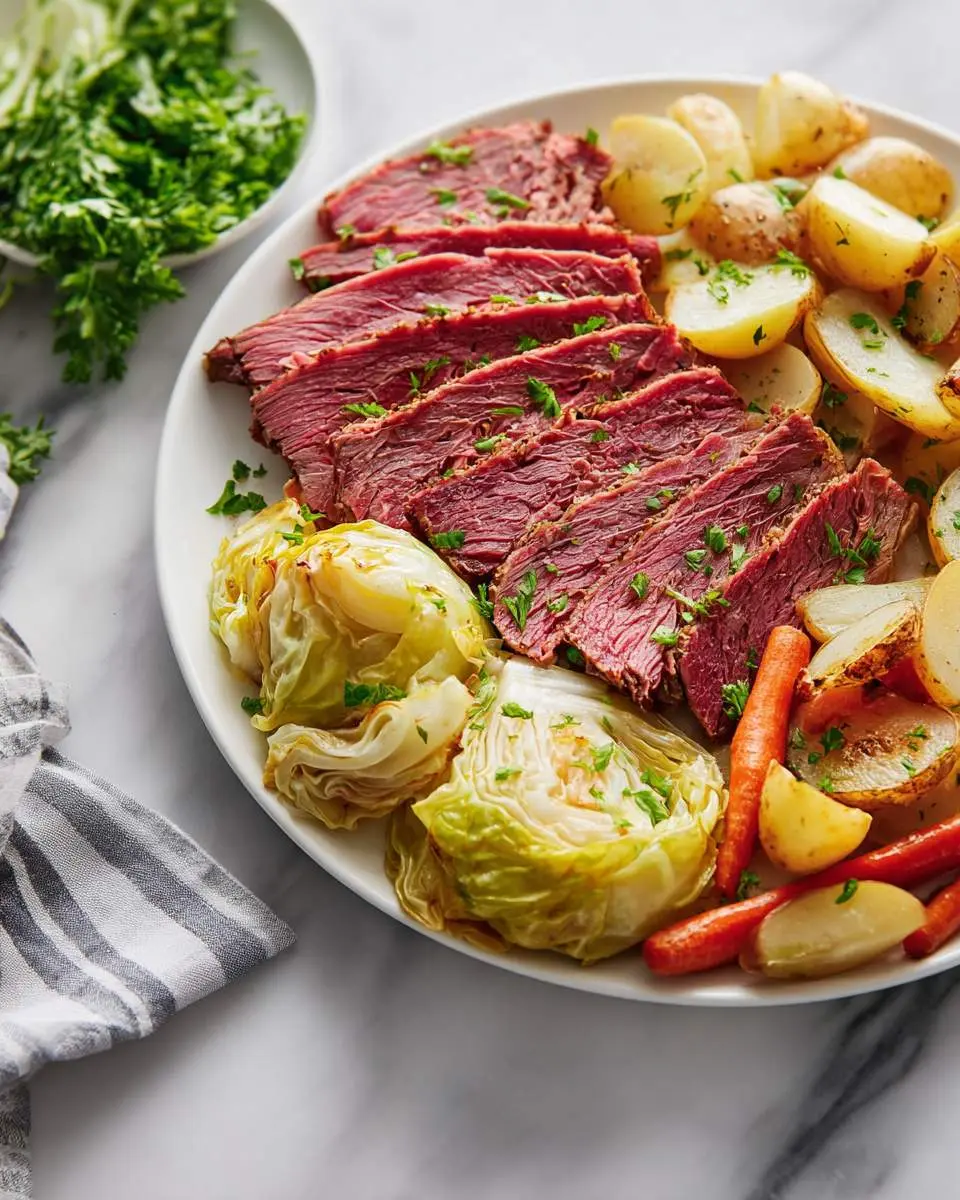
How to Make Corned Beef and Cabbage
Making this flavorful Corned Beef and Cabbage is truly a labor of love, but it’s mostly hands-off, allowing the flavors to meld beautifully over several hours. You’ll start by slowly simmering the corned beef brisket with aromatics until it’s wonderfully tender. Then, in the final hour or so, you’ll add the vegetables, ensuring they cook to perfection without becoming mushy. It’s a straightforward process that leads to incredibly satisfying results, a bit like the rewarding process of preparing a classic Beef Wellington.
Pro Tips for Making This Corned Beef and Cabbage
Over the years, I’ve picked up a few tricks that truly elevate my Corned Beef and Cabbage from good to absolutely unforgettable. It’s all about respecting the ingredients and giving them time.
- Don’t Rush the Simmer: My biggest tip for succulent corned beef is patience. The long, slow simmer is crucial for breaking down the tough fibers of the brisket. I often let it go for the full recommended time, sometimes even a little longer, until it’s fork-tender. This makes all the difference in the final texture of the Corned Beef and Cabbage.
- Layer Your Vegetables: I always add the heartier vegetables like potatoes and carrots first, giving them a head start before the cabbage. This ensures everything cooks evenly, with the cabbage still retaining a slight bite.
- My Secret Trick: I always remove the corned beef from the pot before adding the cabbage. This prevents the cabbage from absorbing too much of the beef’s saltiness and allows me to slice the beef more easily while the vegetables finish cooking. It ensures both components are at their absolute best.
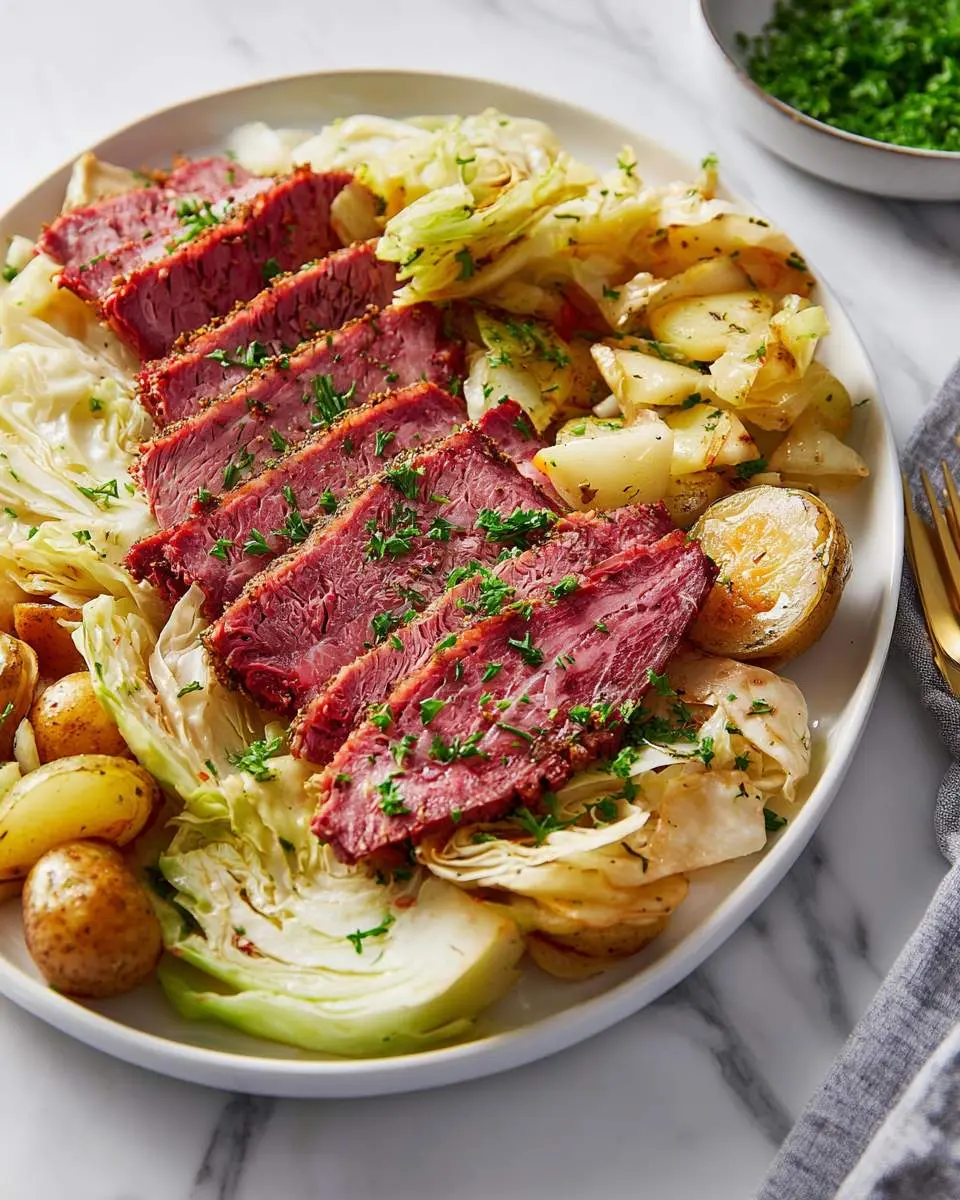
How to Store Leftovers
Leftover Corned Beef and Cabbage is a treat! I always make sure to store any uneaten portions in airtight containers in the refrigerator, where it will stay fresh for up to 3-4 days. To truly preserve the flavors and prevent any drying out, I try to keep the beef, cabbage, and cooking liquid separate if possible. Reheating is simple: gently warm it on the stovetop with a splash of broth or water, or in the microwave, until heated through. Reheating slowly brings this comforting dish back to life, almost as good as the first time!
Nutritional Benefits
This hearty Corned Beef and Cabbage dish offers a comforting blend of nutrients for the whole family. The beef provides a good source of protein and iron, essential for energy, while the cabbage, potatoes, and carrots add valuable vitamins, minerals, and fiber, making it a well-rounded and satisfying meal. It’s a fantastic way to enjoy a nutritious, home-cooked dinner.
FAQs
Can I cook corned beef and cabbage in a slow cooker?
Absolutely! A slow cooker is an excellent way to prepare Corned Beef and Cabbage. Simply add the corned beef, aromatics, and liquid, cooking on low for 6-8 hours or high for 3-4 hours. Add the vegetables during the last 2-3 hours of cooking to ensure they are tender but not overcooked.
What should I serve with corned beef and cabbage?
While this dish is a complete meal on its own, I love serving Corned Beef and Cabbage with a good whole-grain mustard or a creamy horseradish sauce for an extra kick. A side of Irish soda bread is also a delightful accompaniment, perfect for soaking up all those delicious juices.
Can I freeze leftover corned beef and cabbage?
Yes, you can freeze individual components or the entire dish. I recommend freezing the sliced corned beef separately from the cooked vegetables for best results. Store them in freezer-safe bags or containers for up to 2-3 months. Thaw overnight in the fridge before reheating.
How do I prevent the cabbage from getting mushy?
To keep your cabbage from turning mushy, I always add it towards the end of the cooking process, typically in the last 20-30 minutes, or just until it’s tender-crisp. Overcooking is the main culprit, so keep a close eye on it. This ensures your Corned Beef and Cabbage has the perfect texture balance.
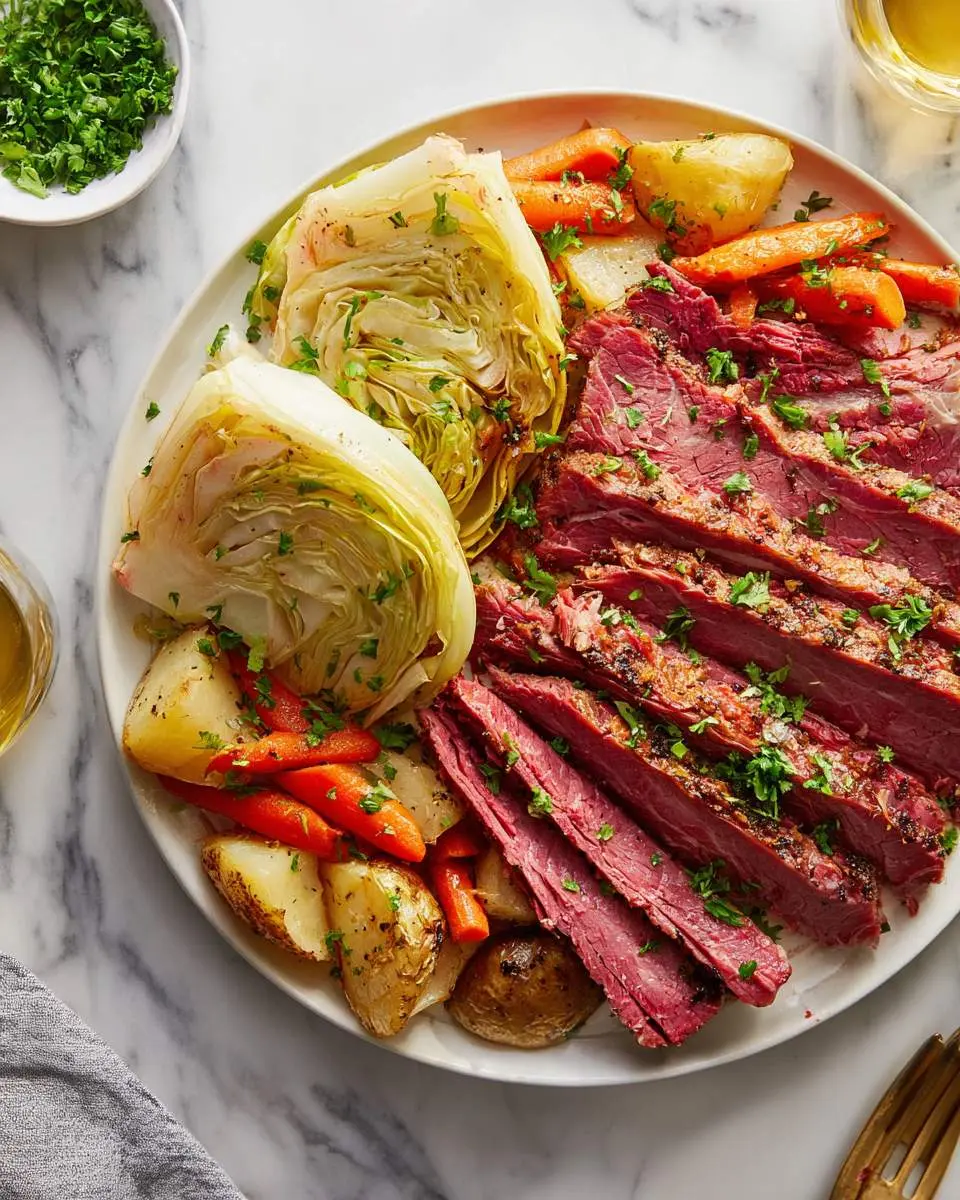

Classic Irish Corned Beef and Cabbage
Ingredients
Equipment
Method
- Rinse the corned beef brisket thoroughly under cold water to remove any excess brine. Trim any large pieces of hard fat from the brisket if desired, leaving a thin layer for flavor.
- Place the rinsed corned beef brisket in a large Dutch oven or heavy-bottomed pot. Add the spice packet (from the corned beef packaging), quartered yellow onion, smashed garlic cloves, bay leaves, and black peppercorns to the pot.
- Pour enough cold water over the brisket to fully submerge it by at least an inch. Bring the water to a rolling boil over high heat. Once boiling, reduce the heat to low, cover the pot tightly, and simmer gently for 3 to 3.5 hours, or until the corned beef is fork-tender. Cooking time will vary based on the size and cut of your brisket.
- Once tender, carefully remove the corned beef from the pot and transfer it to a cutting board. Tent loosely with aluminum foil to keep warm and allow it to rest for at least 15-20 minutes. This resting period is crucial for juicy, tender meat.
- While the beef is resting, skim off any excessive fat from the cooking liquid in the Dutch oven using a large spoon or ladle. Discard the skimmed fat.
- Add the halved or quartered red potatoes and 2-inch carrot chunks to the simmering broth. Bring the liquid back to a gentle boil and cook for about 15 minutes, or until the potatoes and carrots are almost tender.
- Add the cabbage wedges to the pot, nestling them among the other vegetables. Continue to cook for another 10-15 minutes, or until the cabbage is tender-crisp and the potatoes and carrots are fully cooked through.
- Slice the rested corned beef against the grain into thick pieces. Arrange the sliced corned beef on a large platter or individual plates alongside the cooked potatoes, carrots, and cabbage.
- Drizzle a little of the flavorful cooking broth over the meat and vegetables. Garnish with fresh chopped parsley, if desired. Serve immediately with whole grain mustard or horseradish sauce on the side.
Notes
Conclusion
This Classic Corned Beef and Cabbage recipe is more than just a meal; it’s a tradition, a comforting hug on a plate, and a wonderful way to bring family together. I hope my shared memories and practical tips inspire you to create your own cherished moments in the kitchen. It’s truly a satisfying dish that brings warmth and flavor to any table, and if you have any leftovers, consider making a delicious batch of Corned Beef Hash.