cottage cheese eggs
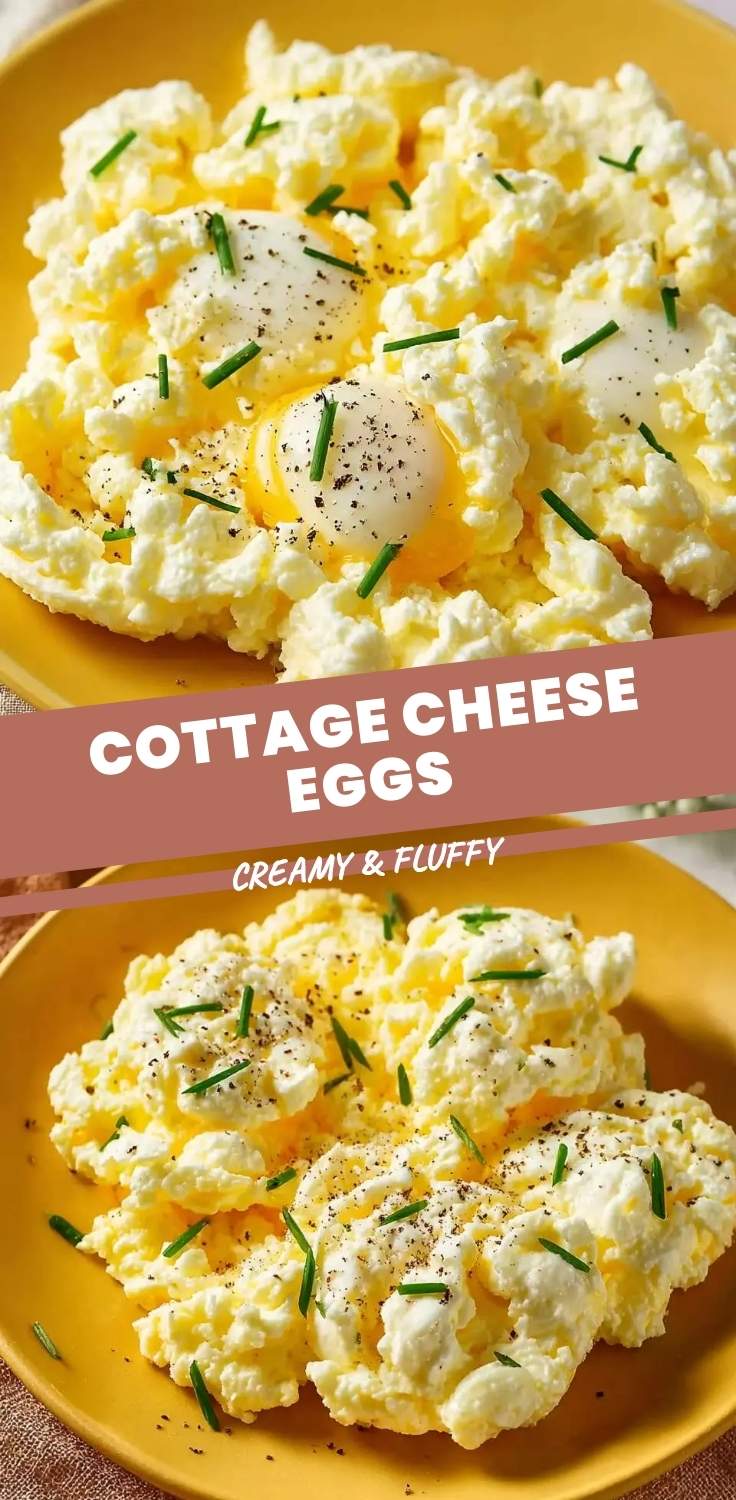
The first time I folded cottage cheese into my morning eggs, I stood at the stove skeptical. Creamy curds melting into soft scrambled eggs sounded either brilliant or like a texture disaster waiting to happen. But that first bite changed everything. The cottage cheese eggs turned out impossibly fluffy, with these little pockets of tangy richness that made me put down my fork and just smile.
My grandmother used to stir cream cheese into her eggs when I was small, standing at her yellow Formica counter in New Jersey. She never measured anything. I think she would have loved this version even more — the cottage cheese brings that same indulgent creaminess but with more protein and less heaviness. I make these now when I need breakfast to actually keep me full until lunch, not just taste good for ten minutes.
This recipe has become my weekday anchor. If you are looking for more grab-and-go morning options, I have been obsessed with these zucchini bread breakfast cookies lately too. But let me show you why these eggs deserve your attention.
What You Need to Make This Recipe
The eggs matter here — I reach for large pasture-raised ones with deep orange yolks that actually taste like something. The cottage cheese is non-negotiable, and I prefer full-fat small curd because it melts more evenly into the eggs without leaving watery pockets. A pat of butter in the pan creates that gentle sizzle and keeps everything from sticking without fighting the delicate texture. For another fresh morning option, these breakfast fruit tarts have been my weekend project lately.
How to Make cottage cheese eggs
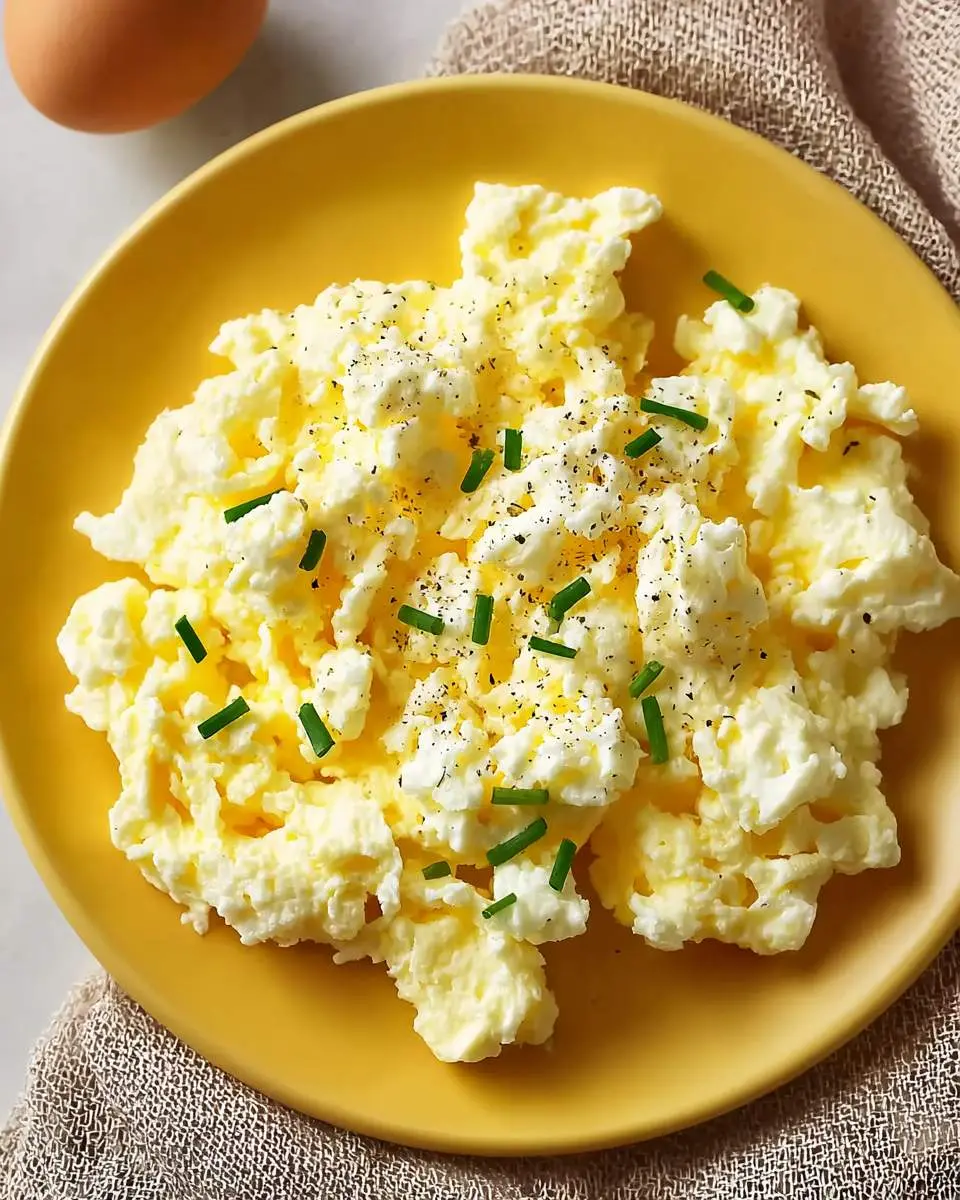
I start with a cold nonstick pan and the butter — letting it melt slowly over medium-low heat until it foams and smells nutty, not brown. While that happens, I whisk my eggs with a fork just until the yolks and whites blend, no longer. The cottage cheese goes in next, folded gently so streaks remain visible.
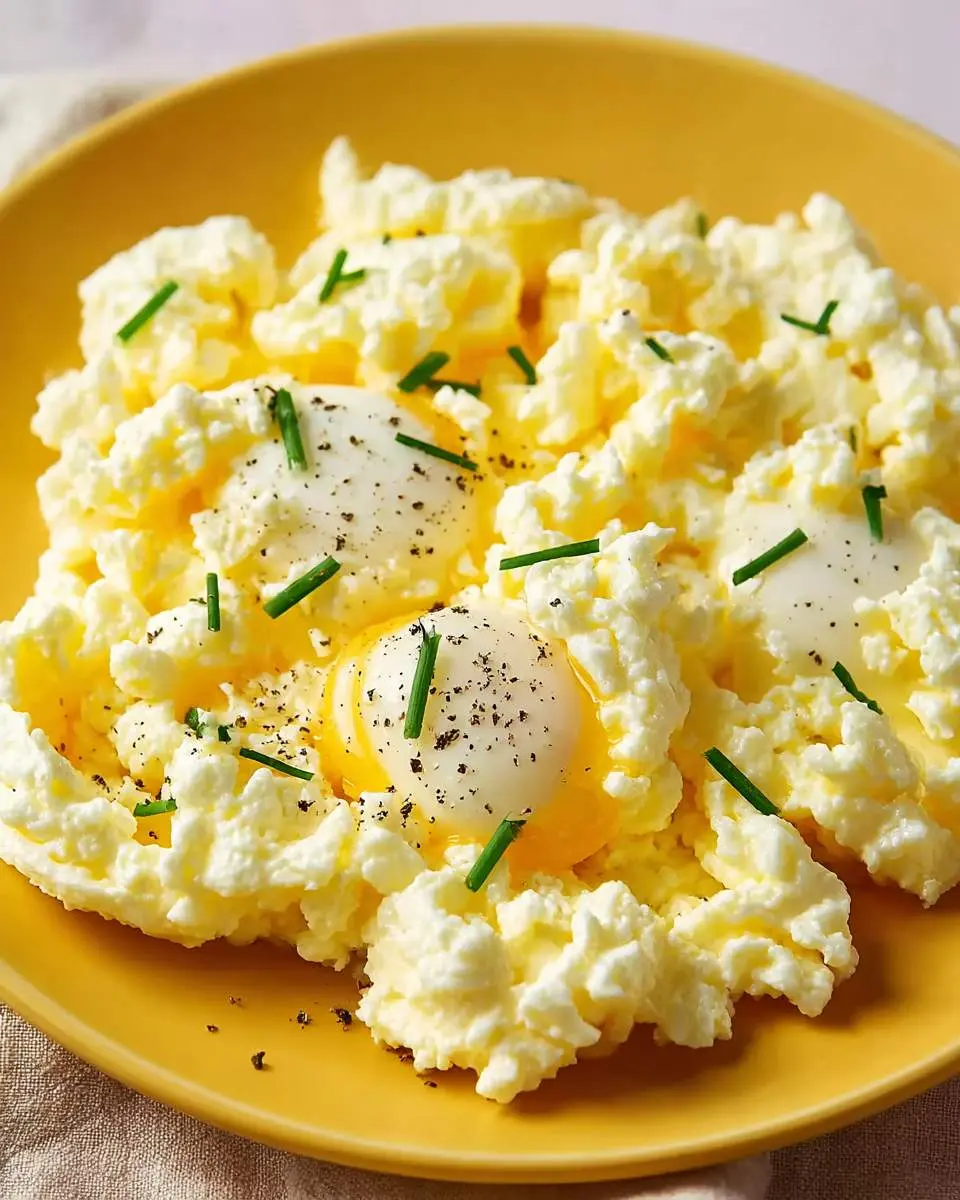
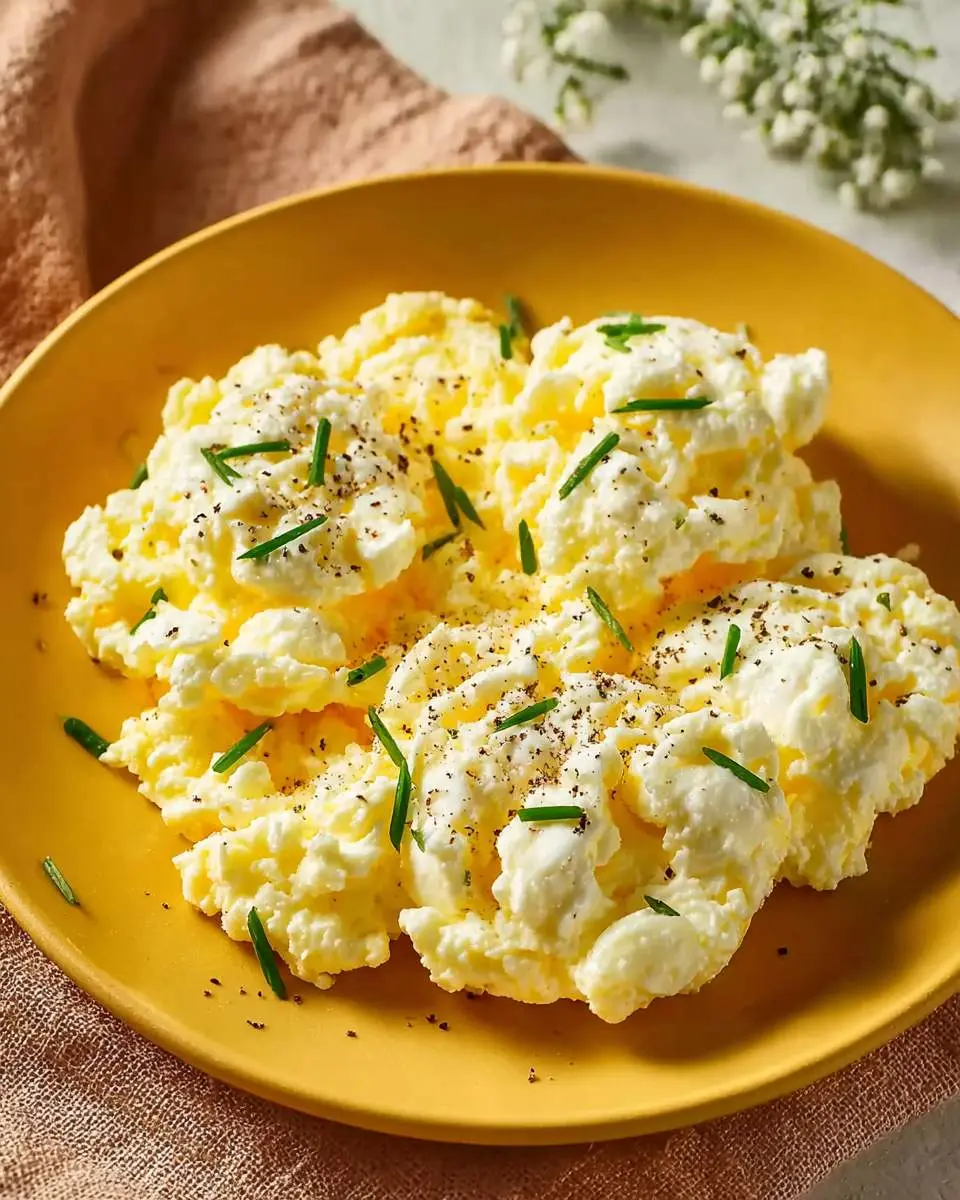
Into the pan they go, and here is where patience pays off. I let the edges set for about thirty seconds before I start pushing the curds around with a silicone spatula. The cottage cheese creates these beautiful little white rivers through the yellow eggs. I pull them off the heat while they still look slightly wet — they finish cooking on the plate. If you are into batch cooking, my egg muffins use a similar gentle technique.
Pro Tips
Room temperature eggs blend more smoothly with the cottage cheese. Cold eggs straight from the fridge can cause the cottage cheese to seize slightly, leaving you with uneven pockets instead of that silky integration.
Small curd cottage cheese disappears better than large curd. The tiny curds melt into the eggs almost completely, while big chunks stay distinct and can make the texture feel chunky rather than luxurious.
Low and slow is the only way. High heat shocks the proteins in both the eggs and cottage cheese, squeezing out moisture and leaving you with rubbery curds and separated whey.
My Secret Trick: I add the cottage cheese to the raw eggs rather than stirring it in at the end. This lets the curds warm gradually with the eggs, creating that seamless fluffy texture instead of distinct cold pockets against hot eggs.
How to Store cottage cheese eggs
- Refrigerate in an airtight container for up to 3 days at 40°F or below
- Do not freeze — the texture becomes rubbery and watery upon thawing
- Reheat gently in a nonstick pan over low heat with a tiny pat of butter, stirring constantly
- Microwave reheating works in 30-second bursts at 50% power, stirring between each
Nutritional Benefits
These cottage cheese eggs deliver serious staying power from the protein pairing — eggs bring complete amino acids while cottage cheese adds casein protein that digests slowly. I notice I am not reaching for snacks by mid-morning anymore, and my energy stays steadier through busy workdays.
FAQs
Can I use fat-free cottage cheese?
You can, but the texture suffers. Full-fat cottage cheese melts creamily into the eggs, while fat-free versions tend to break and release water, leaving your scramble wet and slightly grainy instead of rich and fluffy.
Why did my eggs turn out watery?
High heat is usually the culprit. When cottage cheese eggs cook too fast, the whey separates from the curds and pools in the pan. Keep your heat low and remove the pan while the eggs still look slightly underdone.
Can I add vegetables to this recipe?
Absolutely, but cook them first. Water-heavy vegetables like spinach or mushrooms should be sautéed separately until dry, then folded in at the end. Raw vegetables release moisture that fights the creamy texture you are building.
What pan works best for cottage cheese eggs?
A true nonstick skillet is essential here. The protein-rich mixture wants to cling, and even well-seasoned cast iron can grab the delicate curds. I use a 10-inch ceramic nonstick that lets me use minimal butter.

Cottage Cheese Eggs
Ingredients
Equipment
Method
- Crack eggs into a small bowl and beat with a whisk or fork until the yolks and whites are fully combined and slightly frothy, about 30 seconds. You should not see any streaks of white remaining.
- Add the cottage cheese, salt, and pepper to the beaten eggs. Stir gently to combine - the cottage cheese should remain in distinct curds rather than fully breaking down.
- Heat a nonstick skillet over medium-low heat. Add 1 tablespoon butter and swirl to coat the pan. Once the butter stops foaming and just begins to smell nutty, pour in the egg mixture.
- Let the eggs sit undisturbed for 10 seconds until they just begin to set at the edges. Using a silicone spatula, slowly push the eggs from the edges toward the center, forming large soft curds. Continue this motion, pausing between stirs to let new layers set, about 3 to 4 minutes total. The cottage cheese will create creamy pockets throughout.
- When the eggs are mostly set but still look slightly wet (they will continue cooking off heat), remove the pan from the stove. Add the remaining half tablespoon of butter and gently fold it in for extra silkiness. Taste and adjust salt if needed. Transfer immediately to warm plates and top with chives. Serve with hot sauce on the side if desired.
Notes
Conclusion
I hope these cottage cheese eggs find their way into your morning rotation the way they have mine. They have ruined me for plain scrambled eggs forever — in the best possible way. For another cottage cheese breakfast win, my cottage cheese pancakes are just as life-changing.