Dragon fruit smoothie bowl
One‑Pan Lemon Garlic Chicken with Roasted Potatoes & Carrots
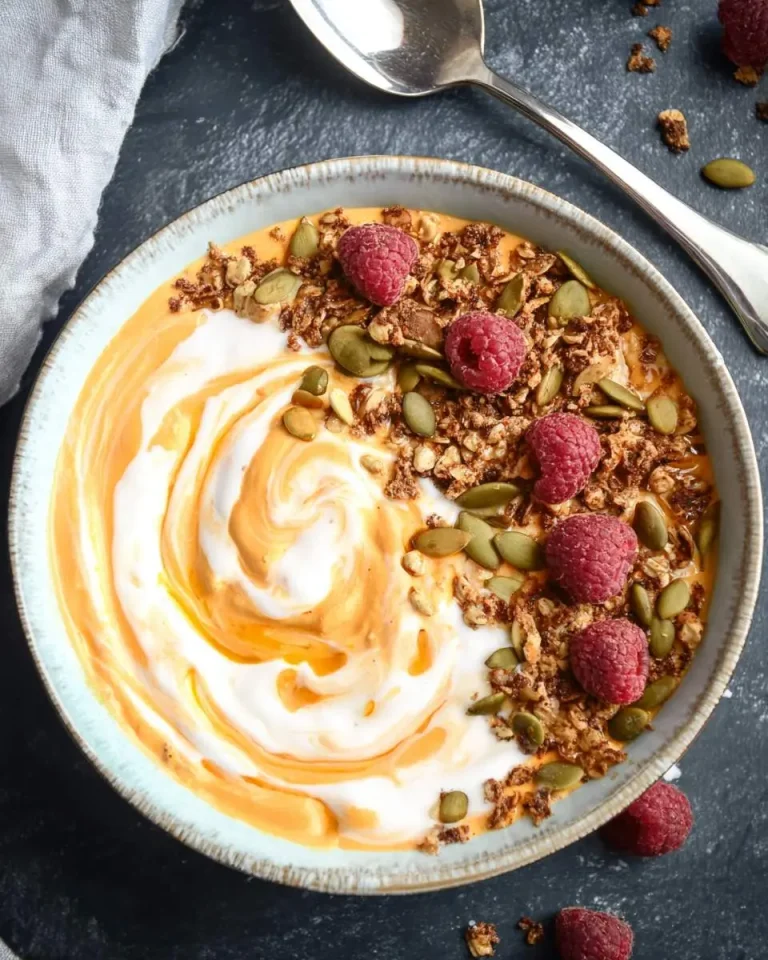
I remember the first time I spooned a bright, cold bowl of blended fruit and felt a summer dawn in my mouth; the color stopped me mid-breath and I kept thinking about texture more than flavor. “Dragon fruit smoothie bowl” slipped out when I told my partner how creamy it felt, as if every bite had a whisper of tropical velvet.
That bowl reminds me of an early morning at a farmer’s market when I bought a packet of frozen pitaya on a whim and couldn’t stop smiling at how easy it was to feel fancy. I still laugh at myself for serving it with granola like it was a centerpiece instead of breakfast.
If you want a quick way to make mornings feel deliberate, I’ll walk you through how I build the bowl and why one tweak always makes it sing—also, I once adapted the creaminess trick I used in my banana smoothie bowl when I needed more body in the blender.
What You Need to Make This Recipe
I lean on frozen pitaya for the color and icy texture, a ripe banana for body and natural sweetness, and almond milk to keep things silky without heaviness; the banana and almond milk are what give my “Dragon fruit smoothie bowl” that spoonable, not soupy, mouthfeel and I sometimes borrow a dressing texture trick from my chimichurri steak salad bowl when layering crunch.

How to Make Dragon fruit smoothie bowl
I start by pulsing frozen pitaya and banana with just enough almond milk to move the blades; you want a thick, spoonable puree, not a drink. I listen for the blender to shift from a clank to a steady hum and watch the texture change from icy shards to creamy swoops—when it looks like soft-serve, I stop.
Then I pour the base into a chilled bowl and play with textures: crunchy granola, chewy coconut flakes, and a scatter of seeds so each bite alternates smooth and crisp. I learned to layer rather than dump, a habit I adapted from my notes on roasted veggie tahini bowls so the toppings stay visible and inviting.
Pro Tips
Use just enough almond milk to coax the blades—too much thins the bowl and loses that indulgent spoonable quality; the goal is thick ribbons that hold toppings. I often use a tablespoon less milk than I think I need to end up at the right texture.
Freeze sliced banana ahead in single layers so it blends cold without forming a block; this keeps the smoothie bowl silky and prevents the blender motor from working overtime. Small frozen pieces mean faster, creamier results.
Toast your seeds and coconut briefly on the stove for a deepen flavor that cuts the sweetness; the toasty notes make each spoonful taste more layered and grown-up. I do this while the blender runs so nothing sits waiting.
My Secret Trick: add a spoonful of Greek yogurt or a tablespoon of nut butter right at the end of blending to create a creamier, protein-rich base that stays scoopable and anchors the toppings.

How to Store Dragon fruit smoothie bowl
- Fridge: Keep the base in an airtight container for up to 48 hours at 38°F; stir before serving and add a splash of almond milk if it firms up.
- Freezer: Freeze the blended base in a shallow, airtight container up to 3 months; thaw overnight in the fridge or for 20 minutes at room temperature before stirring.
- Reheat/Refresh: Never microwave—add 1–2 tablespoons almond milk and whisk or re-blend briefly for a refreshed, scoopable texture.
Nutritional Benefits
A dragon fruit smoothie bowl delivers vitamin C from pitaya and potassium from banana, and using almond milk keeps the base lower in calories than dairy while still giving creaminess; I love that a bowl feels indulgent but offers real fruit-forward nutrients when I need a bright, restorative breakfast.

FAQs
How do I make the base thick enough so it’s like soft-serve?
I freeze ripe banana and pitaya cubes separately so they blend into a dense, ice-cream texture. Start with very little almond milk, add in tablespoons until it moves, and stop while the mixture still holds ribbon-like swirls—this keeps the bowl scoopable.
Can I prep toppings ahead of time for a quick morning bowl?
Absolutely—I portion granola, seeds, and toasted coconut into small containers the night before and store them at room temperature; fruit toppings like kiwi or berries are best sliced the morning of to avoid watery runoff but can be prepped a few hours ahead.
Is it okay to use juice instead of almond milk?
Using juice can add sweetness and thin the texture quickly, which I don’t recommend if you want a spoonable bowl; if you must, reduce the liquid by half and add frozen banana to maintain thickness and creaminess.
What substitutions work if I’m dairy- or nut-free?
Swap almond milk for oat milk and use coconut yogurt instead of Greek yogurt; I’ve done this and still get great creaminess and body, plus the oat base plays well with pitaya’s floral notes and keeps the bowl allergy-friendly.


One‑Pan Lemon Garlic Chicken with Roasted Potatoes & Carrots
Ingredients
Equipment
Method
- Preheat the oven to 425°F (220°C). Wash the baby potatoes and halve any larger ones so all pieces are roughly the same size. Peel or scrub the carrots and trim ends. Cut the red onion into 1-inch wedges. Pat the chicken thighs dry with paper towels and season both sides with 1 tsp kosher salt and a pinch of black pepper.
- In a large mixing bowl whisk together 3 tbsp olive oil, 2 tbsp fresh lemon juice, minced garlic, 1 tsp Dijon mustard, 1 tsp dried oregano, the remaining 0.5 tsp kosher salt, and 0.25 tsp freshly ground black pepper until emulsified.
- Add the chicken, halved potatoes, carrots, and red onion to the bowl and toss thoroughly so everything is evenly coated. Let sit at room temperature for 10 to 15 minutes while the oven finishes heating so flavors meld and the chicken comes slightly closer to room temp.
- Spread the chicken and vegetables in a single layer on a rimmed sheet pan (use parchment if you like). Make sure the chicken pieces are skin-side up (if they had skin) or spaced so hot air circulates—crowding prevents browning.
- Roast in the preheated 425°F oven for 25 to 30 minutes, stirring the potatoes and carrots once at the 15-minute mark so they brown evenly. Start checking the chicken at 20 minutes; boneless thighs are done when an instant-read thermometer inserted into the thickest part reads 165°F and the potatoes are tender when pierced with a fork.
- If you want extra browning, switch the oven to broil for 2 to 3 minutes, watching closely so the garlic and veggies don't burn. Remove from oven when chicken reaches 165°F and edges of potatoes are golden.
- Let the pan rest 5 minutes so juices settle. Sprinkle chopped fresh parsley and a squeeze of lemon over everything. Serve directly from the pan or transfer to a platter with lemon wedges alongside.
Notes
Conclusion
I love how a dragon fruit smoothie bowl turns a rushed morning into a vivid pause, and I hope you find the same small joy in that first colorful spoonful. If you want a sushi-bowl energy swap for lunch, I often pair breakfast ideas with my California sushi bowls for a bright, balanced day.