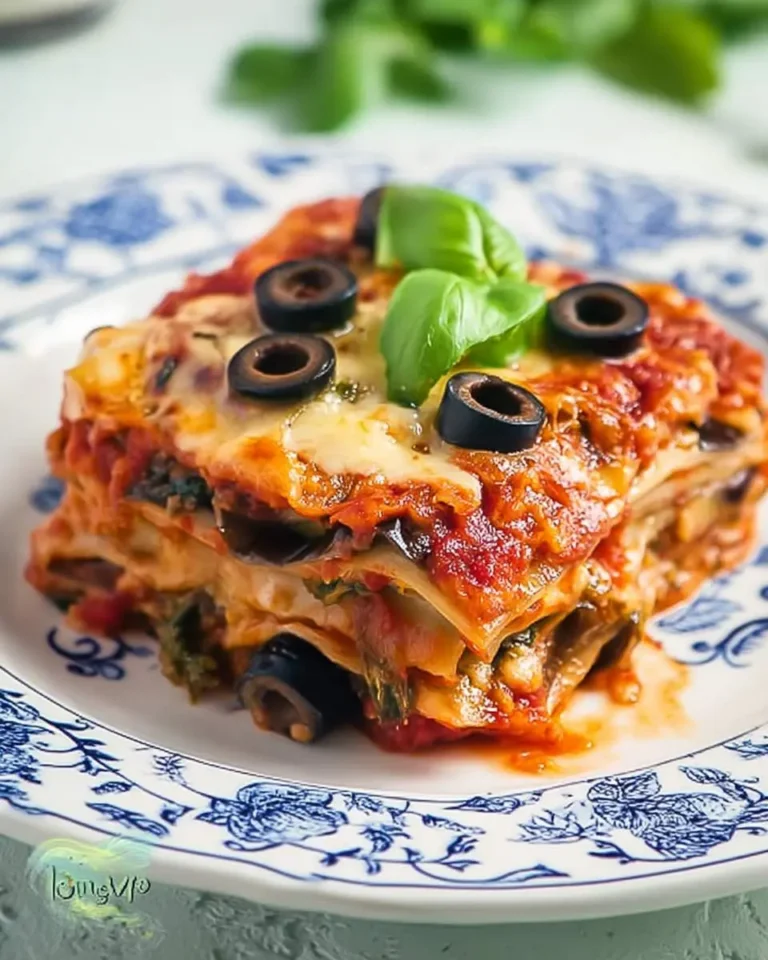
French Onion Chicken Orzo Casserole
I still remember the first time I had a real French onion soup. It was at a tiny bistro on a rainy afternoon, and the moment that steaming crock, sealed with a thick layer of impossibly bubbly, golden-brown Gruyère, landed on my table, I was captivated. The aroma of deeply sweet, caramelized onions and rich beef broth was pure comfort. I’ve spent years chasing that feeling in my own kitchen, which is how this French Onion Chicken Orzo Casserole was born. It’s a dish that captures the soul of that bistro classic in a hearty, family-friendly meal, much like my popular chicken cordon bleu casserole does.
Why This Dish is a Go-To in My Kitchen
This recipe is one I turn to again and again because it delivers a truly gourmet experience without complicated steps. It’s the epitome of rustic elegance. With a prep time of just 20 minutes, all the active work is done upfront. The 65-minute cook time is almost entirely hands-off, letting the oven do the heavy lifting while my kitchen fills with the most incredible aroma. It’s a true one-pan meal—juicy chicken, tender orzo pasta, and a rich, savory sauce all come together in a single dish, making both cooking and cleanup an absolute breeze.
Let’s Talk About the Ingredients
The magic of this dish lies in a few key players. I always use yellow onions; their higher sugar content means they caramelize into jammy, sweet perfection. For the cheese, nothing beats shredded Gruyère for its nutty, salty flavor and incredible melting quality. A splash of dry white wine is my non-negotiable for deglazing the pan; it lifts all those flavorful browned bits and adds a crucial layer of acidity and depth to the sauce. It’s a simple combination that creates something truly special, much like in my hearty chicken and potato casserole.


French Onion Chicken Orzo Casserole
Ingredients
Equipment
Method
- Push the caramelized onions to one side of the skillet. Season the cubed chicken with 1/2 tsp salt and 1/4 tsp pepper. Add the chicken to the empty side of the skillet and increase the heat to medium-high. Sear for 2-3 minutes per side until lightly browned (it does not need to be cooked through).
- Stir the chicken and onions together. Add the minced garlic and fresh thyme, and cook for 1 minute until fragrant.
- Pour in the white wine to deglaze the pan, scraping up any browned bits from the bottom with a wooden spoon. Let it bubble and reduce for about 1-2 minutes.
- Stir in the beef broth, heavy cream, uncooked orzo, and the remaining 1/2 tsp salt and 1/4 tsp pepper. Bring the mixture to a simmer. Let it simmer for 3-4 minutes, stirring occasionally, to give the orzo a head start. The mixture will look liquidy, but the orzo will absorb it as it bakes.
- Preheat your oven to 400°F (200°C). If your skillet is not oven-safe, transfer the mixture to a greased 9x13 inch baking dish.
- Sprinkle the shredded Gruyère and Parmesan cheeses evenly over the top of the casserole.
- Bake uncovered for 20-25 minutes, or until the orzo is tender, most of the liquid has been absorbed, and the cheese is melted and bubbly. For a deeper golden-brown crust, switch the oven to broil for the last 1-2 minutes, watching carefully to prevent burning.
- Remove from the oven and let the casserole rest for 5-10 minutes before serving. This allows it to set up slightly. Garnish with fresh parsley and serve warm.
Notes
Cheese Substitution: If you can't find Gruyère, a mix of provolone, Swiss, and mozzarella will also work well.
Make-Ahead: You can assemble the casserole (without the cheese topping) up to a day in advance. Store covered in the refrigerator. When ready to bake, add the cheese and increase baking time by 5-10 minutes.
Storage: Leftovers can be stored in an airtight container in the refrigerator for up to 3 days.
My Approach to Making French Onion Chicken Orzo Casserole
I like to think of this recipe as a three-act play. First, we build the foundation by slowly caramelizing the onions in butter and olive oil. This is a step that requires patience, but it’s where the deep, signature flavor develops. Next, I cook the chicken and build the sauce right in the same pan, searing the chicken breasts before creating a luxurious sauce with garlic, thyme, white wine, and rich beef broth. Finally, the orzo, cream, and cheese are stirred in before the entire casserole goes into the oven to bake into a bubbling, golden-brown masterpiece. It’s a seamless process I love for one-pan meals, including my chicken and spinach casserole.

My Tips for the Perfect Outcome
- Don’t Rush the Onions: Low and slow is the key to deep, sweet caramelized onions. Give them at least 25-30 minutes.
- Shred Your Own Cheese: Pre-shredded cheeses have anti-caking agents that prevent them from melting as smoothly.
- Toast the Orzo: Sautéing the dry orzo for a minute before adding liquids enhances its nutty flavor.
- Let it Rest: Let the casserole rest for 5-10 minutes after baking. This allows the sauce to settle and thicken perfectly.
How I Serve and Store This Dish
I love to serve this casserole hot from the oven, garnished with a sprinkle of fresh parsley to add a touch of brightness. It’s a complete meal on its own, but a simple green salad with a vinaigrette dressing cuts through the richness beautifully. Leftovers are fantastic! I store them in an airtight container in the refrigerator for up to 3 days. To reheat, I recommend popping it back in the oven with a splash of broth to keep it moist. It’s a great make-ahead dish, just like my chicken broccoli rice casserole.
Can I use a different type of cheese?
Yes, while Gruyère provides the classic nutty flavor, you could substitute with Swiss, Jarlsberg, or even a mix of provolone and mozzarella. Just be sure to use a good melting cheese for that perfect cheesy topping.
Is it possible to make this ahead of time?
You can definitely get a head start! I often caramelize the onions and cook the chicken a day in advance and store them in the fridge. For the best texture, I recommend assembling the casserole with the orzo and liquids just before baking.
What’s the best white wine to use for this recipe?
I always reach for a dry, crisp white wine like a Sauvignon Blanc or Pinot Grigio. You want something that isn’t too sweet, as its purpose is to add acidity and depth of flavor to the sauce after deglazing the pan.
Can I use chicken thighs instead of breasts?
Absolutely! Boneless, skinless chicken thighs would be a wonderful substitution. They have a bit more flavor and are very forgiving, so they’ll stay incredibly tender and juicy during the bake. Just be sure to trim any excess fat before you start.
This recipe holds a special place in my heart, and I truly hope it brings as much joy to your table as it does to mine. It’s a testament to how a few simple, quality ingredients can be transformed into something spectacular. If you try it, I’d absolutely love to hear what you think and see your creations in the comments below!