Garlic Herb Flatbread
The smell hit me before I even opened the oven door. That roasted garlic and warm rosemary drifting through my kitchen at 6 PM on a Tuesday I had not planned on making garlic herb flatbread. I had planned on ordering pizza. But I had dough in the fridge, a head of garlic going soft, and that particular hunger that only fresh bread can fix.
My grandmother never measured her herbs. She would tear rosemary with her fingers and rub it between her palms until her hands smelled like a hillside in Provence. I think about her every time I make this flatbread, standing at my counter with flour dusting my sleeves, feeling unexpectedly connected to someone who died before I learned to cook.
This is the kind of bread that forgives you. No fancy equipment, no overnight waits. If you have been nervous about yeast breads, start here. I still make my multiseed sandwich bread when I want something hearty, but this flatbread is what I reach for when I need bread tonight.
What You Need to Make This Recipe
You need bread flour, not all-purpose. The extra protein gives this garlic herb flatbread that satisfying chew, the kind that makes you tear off another piece without thinking. Fresh garlic matters more than you expect — roasted until soft and sweet, it melts into the dough instead of burning. And please use fresh herbs if you can. Dried rosemary turns bitter in a hot oven, but fresh leaves crisp into these fragrant little chips that make every bite interesting. I learned this the hard way after ruining three batches with my pantry stash. If you want something richer, my garlic knots use the same flavor base with butter folded right in.

How to Make Garlic Herb Flatbread
I start by roasting the garlic while the dough rests. Thirty minutes at 400 degrees, wrapped in foil with a drizzle of olive oil. The kitchen goes quiet except for the occasional pop from the oven. When you squeeze the cloves out, they should slump onto your cutting board like golden paste.
The dough comes together in five minutes of kneading. You want it tacky but not sticky, springing back when you poke it. I divide it into four pieces and roll each one thin, maybe an eighth of an inch. Too thick and you get bready; too thin and it cracker-crisps before the middle cooks.
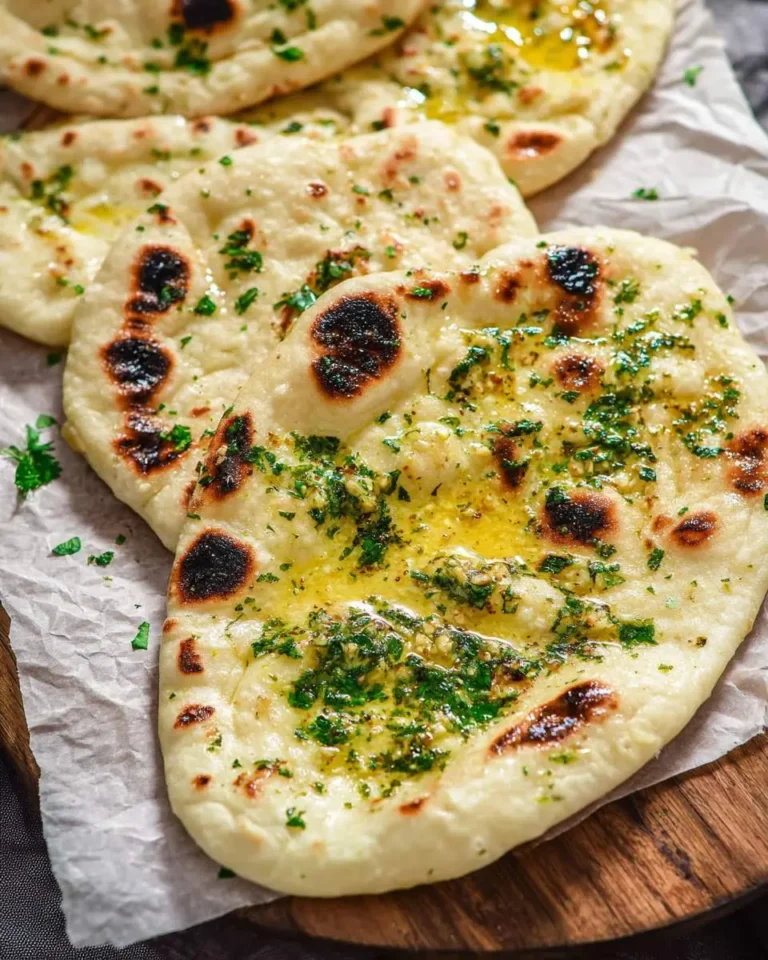
The real magic happens in a screaming hot skillet. I use cast iron, preheated until a drop of water dances and evaporates in two seconds. The flatbread puffs immediately, those little blistered bubbles forming where the dough touches metal. Thirty seconds, flip, thirty more seconds. Then straight onto a baking sheet to finish with the herbs and more garlic oil. Your smoke detector might complain. This is normal.
I finish mine under the broiler for ninety seconds. The edges char slightly, the rosemary crackles, and you have to resist eating it straight off the pan. If you are looking for something softer, my naan bread uses yogurt in the dough for that tender, tearable texture.
Pro Tips
Don’t skip the rest. That twenty-minute rest after kneading lets the gluten relax. Without it, your dough fights back when you roll it, springing into thick, uneven shapes that cook poorly.
Score the surface. Three shallow slashes with a sharp knife before the final bake. This garlic herb flatbread puffs dramatically in the oven, and without vents, you get one giant balloon that collapses into a doughy center when you cut it.
Herb timing is everything. Add fresh herbs after the initial sear, not before. Direct contact with the hot skillet burns them bitter. The broiler step toasts them perfectly without destroying their flavor.
My Secret Trick: I press a whole roasted garlic clove into each flatbread right before the broiler step, smearing it gently so it leaves a streak of sweet garlic paste that caramelizes in those final ninety seconds. It looks rustic and tastes like you planned something fancy.

How to Store Garlic Herb Flatbread
- Room temperature: Wrap tightly in foil or store in a paper bag for up to 2 days. Plastic traps moisture and ruins the crust.
- Refrigerator: Not recommended. The cold accelerates staling and the texture turns rubbery within hours.
- Freezer: Cool completely, stack with parchment between layers, wrap in foil then freezer bag. Keeps 2 months at 0°F.
- Reheating: Thaw frozen flatbread at room temperature for 30 minutes. Warm in a 375°F oven directly on the rack for 4-5 minutes, or 30 seconds per side in a dry skillet over medium heat. Never microwave — it steams the crust into sadness.
Nutritional Benefits
This garlic herb flatbread delivers more than comfort. Fresh garlic contains allicin, that compound responsible for both its pungent smell and its immune-supporting properties. Rosemary brings rosmarinic acid, which early research suggests helps with inflammation. The olive oil you use for roasting and finishing provides monounsaturated fats that actually support heart health. I am not saying this bread is a health food, but I feel better knowing my cravings occasionally align with my body.

FAQs
Can I make the dough ahead of time?
Yes. After kneading, refrigerate the dough in an oiled bowl for up to 24 hours. The cold slow-fermentation actually improves flavor. Bring to room temperature for 30 minutes before rolling.
Why did my flatbread turn out tough?
Overworking the dough develops too much gluten, creating chewiness instead of tenderness. Knead just until smooth, and do not reroll scraps more than once.
Can I use dried herbs instead of fresh?
You can, but reduce quantity by two-thirds and add them to the dough itself rather than the surface. Dried herbs burn under the broiler that this garlic herb flatbread needs for its final finish.
What is the best pan to use?
Cast iron holds heat most evenly, but any heavy skillet works. Avoid nonstick — it cannot handle the high temperatures and creates a pale, soft crust instead of the blistered char you want.


Garlic Herb Flatbread
Ingredients
Equipment
Method
- In a large bowl, whisk together the flour, baking powder, and 1/2 teaspoon of the kosher salt until evenly combined.
- Add the Greek yogurt and 2 tablespoons olive oil. Stir with a wooden spoon until a shaggy dough forms, then turn out onto a lightly floured surface and knead just until smooth, about 1 minute. The dough should feel tacky but not sticky - add a sprinkle more flour if needed.
- Preheat oven to 450°F with a rack in the center position. Divide dough into 2 equal pieces. On parchment paper, press or roll each piece into an irregular oval about 1/4 inch thick - don't worry about perfect shapes, rustic is better here.
- In a small bowl, combine the melted butter, grated garlic, rosemary, thyme, and remaining 1/4 teaspoon kosher salt. Brush this mixture generously over both flatbreads, getting right to the edges.
- Transfer flatbreads on their parchment to the baking sheet. Bake 10-12 minutes, rotating the pan halfway through, until the edges are deep golden and crisp with some darker spots. The centers should still have a little give when pressed.
- Immediately brush with any remaining garlic-herb butter from the bowl and sprinkle with flaky sea salt. Cut into wedges or rustic pieces and serve warm.
Notes
Conclusion
I made this garlic herb flatbread last week for friends who came over with wine and no dinner plans. We tore pieces straight from the cutting board, dragged them through hummus, and talked until midnight. That is what this bread does. It turns Tuesday into something worth remembering. If you want to keep exploring, my rosemary focaccia bread uses similar flavors with a completely different texture. Make both. Compare notes. Tell me which one wins.