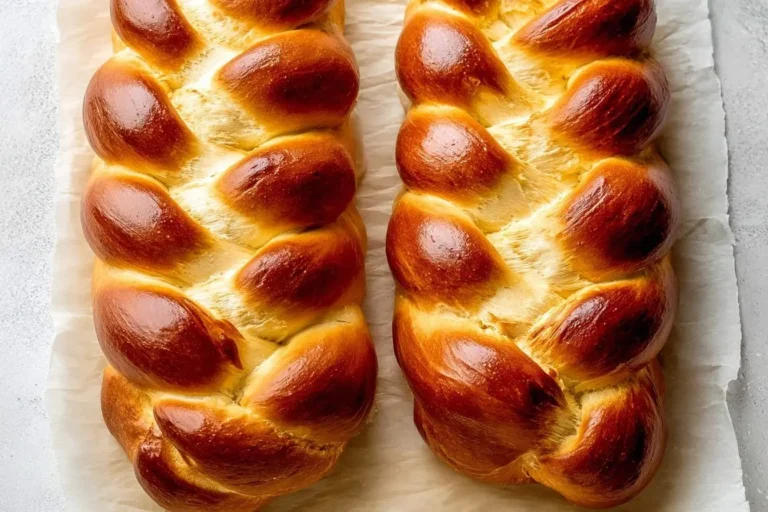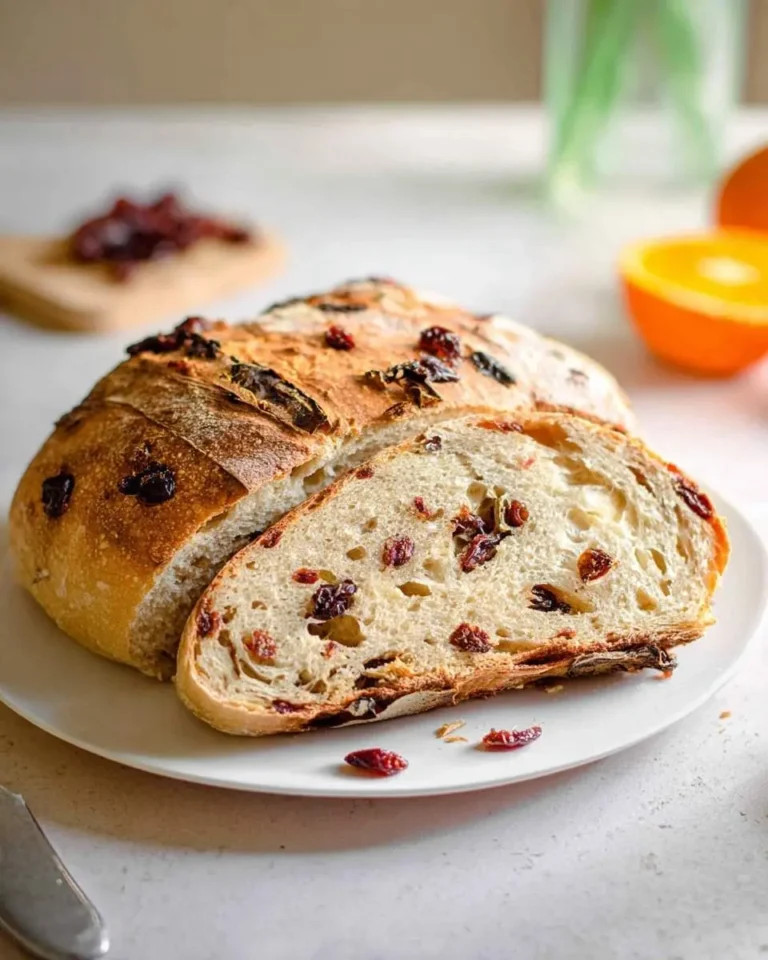
multiseed sandwich bread
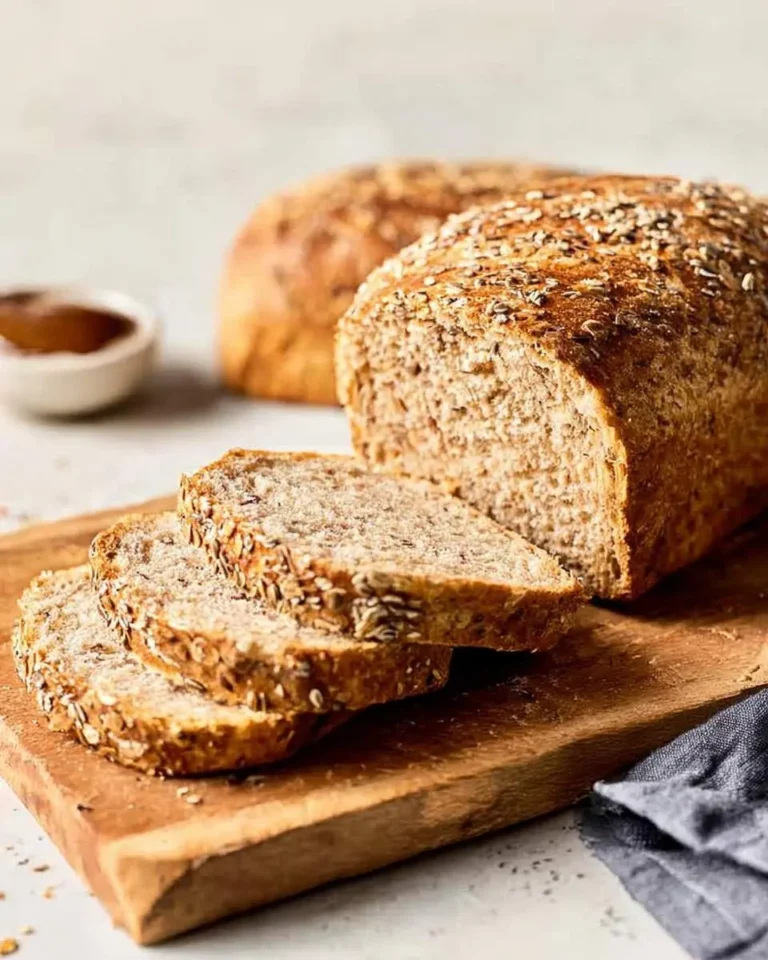
The first time I pulled a loaf of homemade bread from my own oven, I stood in my kitchen for a full minute just breathing it in. That warm, yeasty perfume with the nutty undertones of toasted seeds — nothing from a plastic bag has ever come close. This multiseed sandwich bread delivers that same revelation every single time.
My grandmother kept her bread recipes on index cards soft with decades of flour fingerprints. I remember watching her knuckles press into dough, testing for that perfect spring-back. She never measured seeds, just poured until the counter looked like a spice market had exploded. I finally wrote down my own version after years of trial and error.
If you are new to bread baking, do not worry — this loaf is forgiving and deeply satisfying. For another approachable loaf with Mediterranean flair, I love this spinach feta bread that my family requests for special occasions.
What You Need to Make This Recipe
This multiseed sandwich bread builds its character from a careful blend of textures and flavors. The bread flour gives you that sturdy, sliceable crumb essential for actual sandwiches — not the airy hole-pocked crumb of artisan loaves that lets your mustard drip through. I use a mix of sunflower, sesame, flax, and pumpkin seeds, each contributing something distinct: the sunflower seeds toast into buttery pockets, the flax adds subtle earthiness and binding power, and the sesame seeds create those irresistible crispy edges. A touch of honey or maple syrup does more than sweeten — it feeds the yeast and helps the crust caramelize to that deep amber I chase in every bake. For another seeded favorite that disappears fast at my table, try these garlic knots rolled in the same seed mixture.

How to Make multiseed sandwich bread
The process unfolds in rhythms you will learn to feel more than time. I start by blooming my yeast in warm water with that drizzle of honey, watching for the surface to turn foamy and alive — this tells me my yeast is vigorous and ready to work. While that wakes up, I toast the seeds in a dry skillet until the sesame seeds start popping like tiny fireworks and the kitchen fills with nutty warmth.
The dough comes together shaggy and sticky, and I resist adding extra flour for those first few minutes of kneading. The seeds cut the gluten strands slightly, so the dough will never feel as silky as plain white bread — this is correct. I knead until it passes the windowpane test, then let it rise in an oiled bowl until doubled, pressing my fingertips in to leave impressions that stay.
Shaping is simple: a gentle press to degas, a tight roll into a log, seam-side down in the pan. The second rise is where I get impatient — I want to bake now — but waiting until the dough crowns the pan by a full inch gives me that proud domed top. The oven spring in those first ten minutes is dramatic; I never open the door to peek. For a loaf with similar whole-grain satisfaction but different technique, this multigrain bread uses a soaker method I admire.
Pro Tips
Toast your seeds every time, even if the package says roasted. Fresh dry-heat toasting releases volatile oils that fade within days of packaging. The difference between bread that smells like something and bread that smells like everything is this single step.
Soak flax seeds separately for ten minutes before adding to dough. Whole flax seeds pass through digestion undamaged; soaking softens their hulls and allows their binding gums to activate, creating better moisture retention and a more tender crumb.
Score the top deeply with a lame or sharp razor just before baking. Seeds create a heavy, dense surface that can burst unpredictably. A decisive slash controls expansion and gives you that professional split-top look.
My Secret Trick: I reserve one tablespoon of my seed mix and press it into the top of the shaped loaf right before the second rise, not after. The seeds adhere as the dough expands, becoming embedded rather than sitting loose where they fall off during slicing.

How to Store multiseed sandwich bread
- Room temperature: Wrap completely cooled loaf in beeswax wrap or place in a bread box; keeps 3-4 days at 68-72°F
- Refrigeration: Not recommended — the seeds accelerate staling in cold, dry conditions
- Freezer: Slice completely cooled loaf, layer between parchment, seal in freezer bag with air pressed out; keeps 2-3 months at 0°F
- Reheating frozen slices: Toast directly from frozen, or wrap in foil and warm in 325°F oven for 8-10 minutes
- Reviving stale loaf: Sprinkle crust with water, wrap in foil, bake 10 minutes at 350°F
Nutritional Benefits
This multiseed sandwich bread delivers genuine nourishment beyond empty calories. The sunflower and pumpkin seeds contribute significant vitamin E and magnesium, while the flax brings omega-3 fatty acids and lignans that support heart health. Unlike enriched white bread, the seeds provide fiber that slows digestion and sustains energy — I notice I am not hungry an hour after eating a sandwich made with this loaf.

FAQs
Can I use instant yeast instead of active dry?
Yes, skip the blooming step and mix instant yeast directly into your flour. Reduce the first rise time by about 15 minutes since instant yeast works faster. The final texture remains identical.
Why did my seeds fall off the crust?
Seeds need moisture to adhere. Press them firmly into the shaped dough before the second rise, or brush the unbaked loaf with egg wash or milk. Spraying with water works in a pinch.
Can I make this without a stand mixer?
Absolutely. I knead this dough by hand for years before owning a mixer. Expect 10-12 minutes of active kneading until the dough passes the windowpane test. The seeds make it slightly more tiring on your wrists.
My bread is dense and heavy — what happened?
Underproofing is the usual culprit with multiseed sandwich bread. Seeds weigh down dough, so it needs that full second rise until it crowns the pan by one inch. Rushing this step traps excess yeast gas and creates a tight crumb.


Multiseed Sandwich Bread
Ingredients
Equipment
Method
- In a large bowl or stand mixer, combine warm water, yeast, and honey. Let sit until foamy, about 5 minutes. If it does not foam, your yeast is dead - start over with fresh yeast.
- Add whole wheat flour, 1.5 cups bread flour, salt, olive oil, and all the seeds. Mix until a shaggy dough forms. Add remaining bread flour 2 tablespoons at a time until dough pulls away from the bowl sides.
- Knead by hand for 10 minutes or with dough hook on medium-low for 6-7 minutes, until dough is smooth and elastic. It should feel tacky but not sticky - if it sticks to your fingers, knead in 1 tablespoon more flour.
- Place dough in an oiled bowl, turn to coat, and cover with plastic wrap. Let rise in a warm spot until doubled, about 1 to 1.5 hours. Press gently - if the indentation stays, it is ready.
- Turn dough onto a lightly floured counter. Press into a rectangle about 8 inches wide, then roll tightly from the short end, pinching the seam closed. Tuck ends under and place seam-down in a greased 9x5 inch loaf pan.
- Cover loosely with oiled plastic wrap and let rise until dough crowns 1 inch above the pan rim, 45-60 minutes. Preheat oven to 375 degrees F during the last 15 minutes.
- Brush top lightly with water and sprinkle with sesame seeds. Bake until deep golden brown and internal temperature reaches 190-195 degrees F, 35-40 minutes. If browning too fast, tent with foil after 25 minutes.
- Remove from pan immediately and cool on a wire rack for at least 2 hours before slicing - cutting too early ruins the texture. Store at room temperature for 3 days or freeze sliced for up to 3 months.
Notes
Conclusion
Baking this multiseed sandwich bread has become my weekend ritual, the rhythm that centers my kitchen and fills my home with something real. The first slice, still warm, with just butter melting into every seed — that moment never gets old. If you are ready to explore heritage grains with similar sandwich-building qualities, this einkorn sandwich bread offers a beautiful ancient-wheat alternative I return to often.